
Antique Porcelain Cabinet Dish
An antique porcelain cabinet dish is a decorative ceramic piece made for display rather than dining, prized for its hand-painted scenes and rich gilding.
Antique Porcelain Cabinet Dish
These items comprise decorative plates, serving dishes, and dessert plates created primarily for display in cabinets or on walls. You will frequently encounter English and continental examples spanning the eighteenth and nineteenth centuries up to the mid-twentieth century.
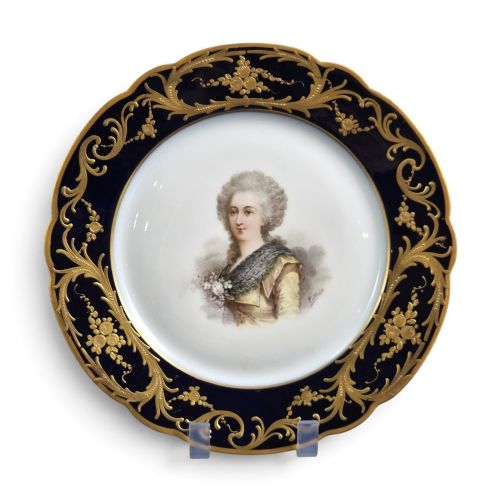
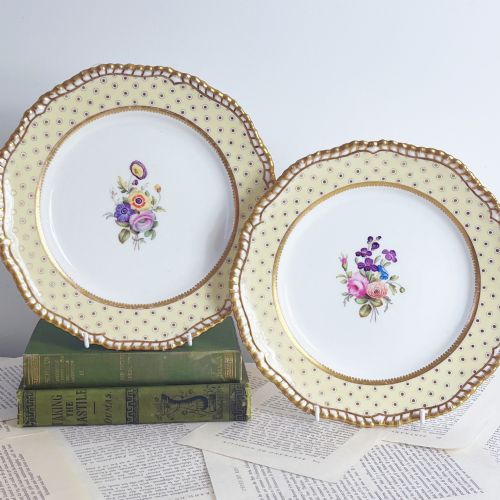
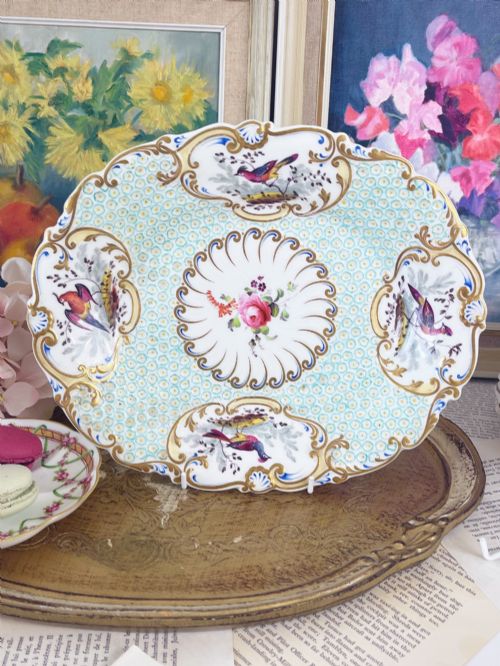
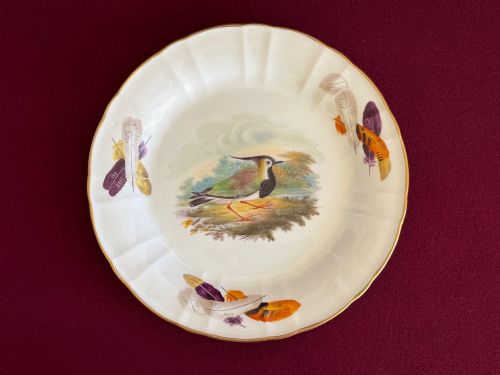
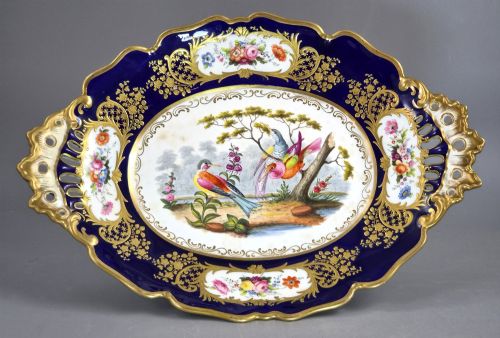
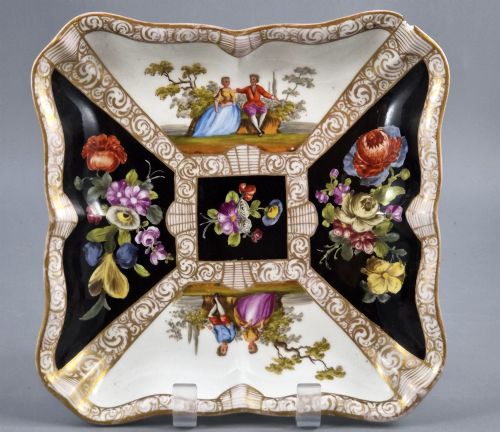
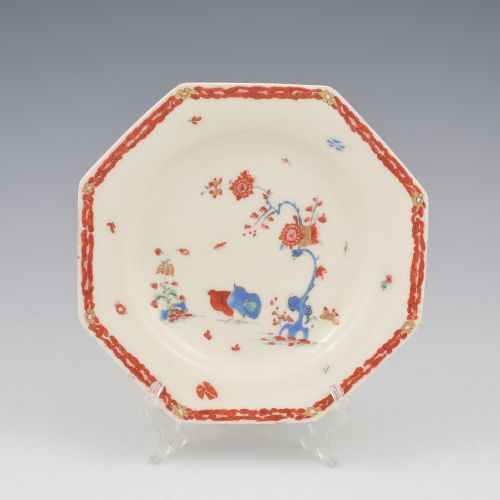
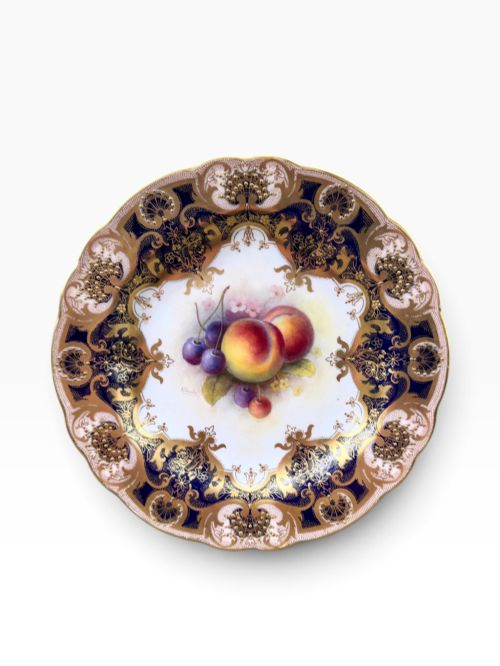
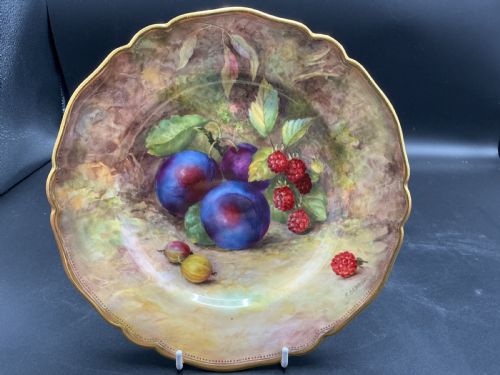
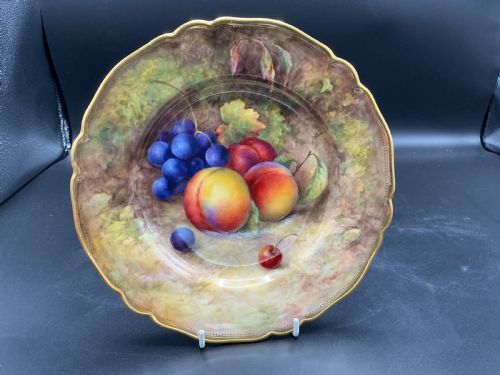
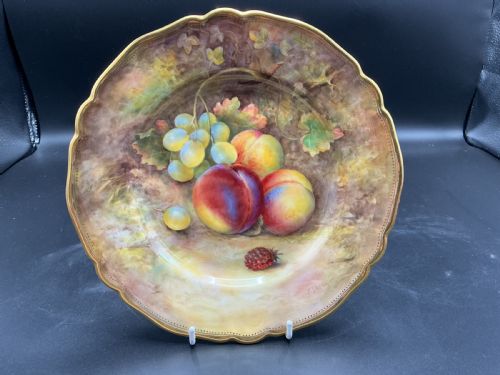
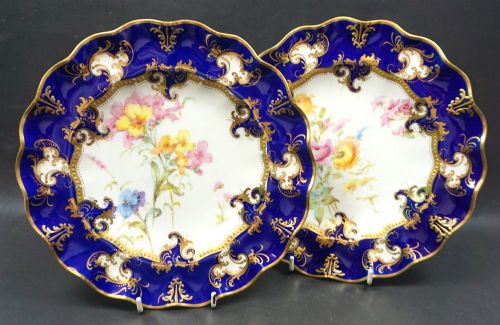
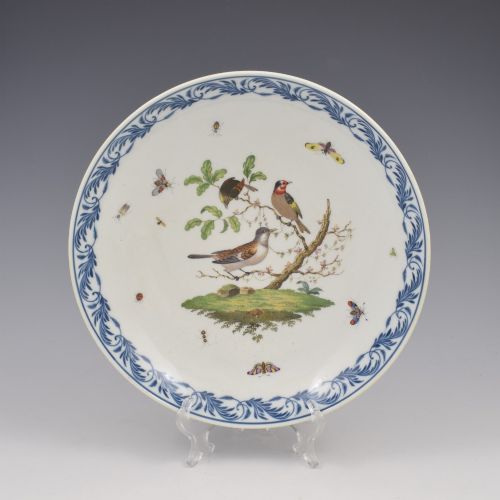
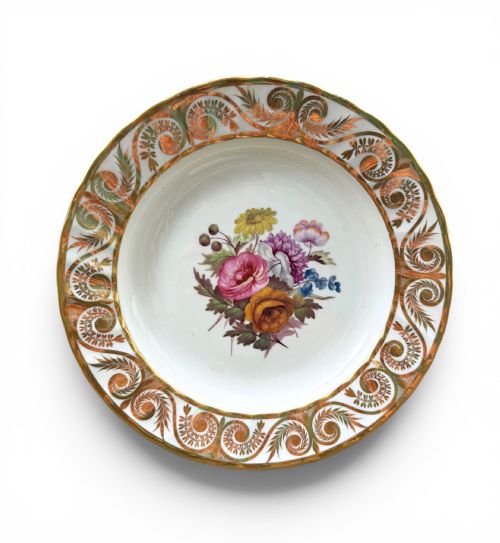
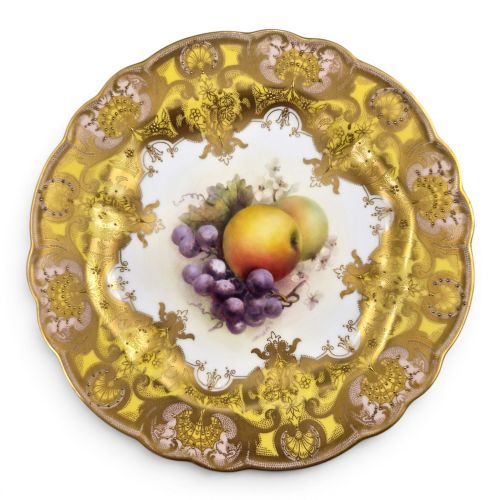
The selections on this page range from early soft-paste porcelain plates decorated with birds and botanical specimens to later porcelain cabinet plates painted with fruit and intricate armorial designs. Forms vary from traditional round plates to square dishes, octagonal plates, and oval serving dishes.
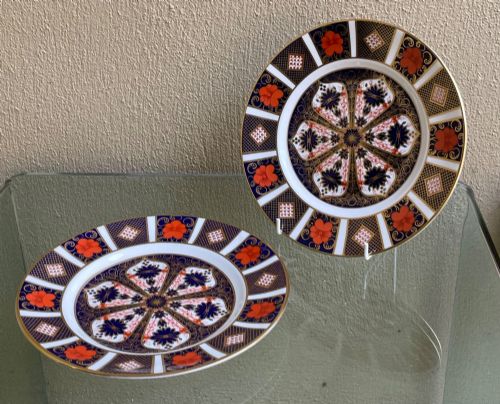
Manufacturers represented across these periods include English factories such as Royal Worcester, Derby, Spode, and Minton, alongside continental porcelain houses like Meissen and Sèvres. Many pieces demonstrate distinct stylistic influences, from Rococo Revival and Japanese Imari patterns to Aesthetic Movement designs.
Materials and methods of production
The primary material is hard or soft-paste porcelain, supplemented by bone china and ironstone in various English outputs. Potters shaped these bodies into plates and dishes before applying white or coloured glazes to prepare the surface for decoration.
Artisans applied hand-painted details using enamels, often incorporating cobalt blue grounds and elaborate gold leaf, gilt, or gilding. Many pieces required multiple firings in kilns to fix the intricate bird, fruit, floral, and landscape scenes painted by skilled hands.
Materials recorded across the selection include bone china, soft-paste porcelain, enamel, and gold leaf applied over glazed surfaces.
Factors determining quality
Quality rests significantly on the skill of the painter, distinguishing factory-standard floral transfers from signed, master-painted botanical, fruit, or ornithological scenes by known artists. The crispness of the porcelain moulding and the richness of the applied gilding further separate standard wares from exceptional cabinet pieces.
The prestige of the maker also dictates standing, with pieces carrying provenance from royal services or renowned porcelain houses commanding greater attention. Preservation of the enamel colours and the integrity of the gold leaf over decades of handling complete the distinction.
Royal Crown Derby·Spode·Coalport·Meissen·Bow·Royal Worcester·John Ford·Derby·Ambroise Michel·Edmé Samson And Cie·Royal Doulton·John Davenport Of Longport·Cauldon Ltd·Doe And Rogers·Bloor Derby·John Ridgway·Barr Flight And Barr
The Antique Porcelain Cabinet Dish Glossary
- Cabinet plate
- A decorative ceramic plate intended specifically for display in a cabinet or on a wall rather than for practical dining use. These often feature elaborate hand-painted subjects and rich gilding.
- Soft-paste porcelain
- An artificial porcelain composition made from white clay mixed with ground glass and other materials, fired at lower temperatures than hard-paste porcelain. It is frequently found on eighteenth-century French and English pieces.
- Imari
- A decorative style originating in Japan, characterised by a palette of cobalt blue, iron red, and gold. European factories frequently copied these patterns during the eighteenth and nineteenth centuries.
- Armorial
- A ceramic design incorporating a family coat of arms, crest, or heraldic insignia. These were often commissioned by aristocratic families for bespoke dining and dessert services.
- Bone china
- A type of porcelain containing bone ash, invented in England to provide a durable, brilliantly white body that accepts fine enamel painting well.
Antique Porcelain Cabinet Dish: Frequently Asked Questions
What is an antique porcelain cabinet dish?
An antique porcelain cabinet dish is an ornate plate or shallow vessel created primarily for visual display rather than table use. They were designed to showcase exceptional painting, gilding, and ceramic craftsmanship in domestic interiors.
These pieces span various historical periods, featuring hand-painted botanical studies, birds, fruit, and landscapes executed by skilled ceramic artists. Their decorative nature means they often survive in better condition than functional tableware.
How were cabinet dishes used historically?
Historically, these dishes were housed within glass-fronted cabinets, displayed on sideboards, or mounted on walls to demonstrate the wealth and refined taste of the owner. They served as conversation pieces during formal gatherings.
While some formed parts of larger dessert or service sets intended for occasional elite dining, many were acquired specifically as standalone works of art for interior decoration.
How do I care for antique porcelain?
Care for antique porcelain requires keeping items away from direct sunlight to prevent enamel fading and ensuring they are stored or displayed securely on stable surfaces. Gentle dusting with a soft, dry cloth is usually sufficient for routine maintenance.
Avoid using water, chemical cleaners, or abrasive cloths, particularly on pieces with delicate gold leaf or overglaze enamels which can easily wear away over time.
How can I tell different periods apart?
Differentiating periods relies on observing stylistic markers, factory marks stamped or painted on the reverse, and the specific composition of the ceramic body. Earlier eighteenth-century pieces often utilise soft-paste porcelain with hand-potted irregularities, while nineteenth-century wares display more standardised forms and heavier gilding.
Reference marks specific to manufacturers such as Meissen, Sèvres, or Royal Worcester provide precise chronological clues. Additionally, evolving artistic movements like Rococo Revival, Aestheticism, and Art Deco leave distinct visual signatures on the decoration.