
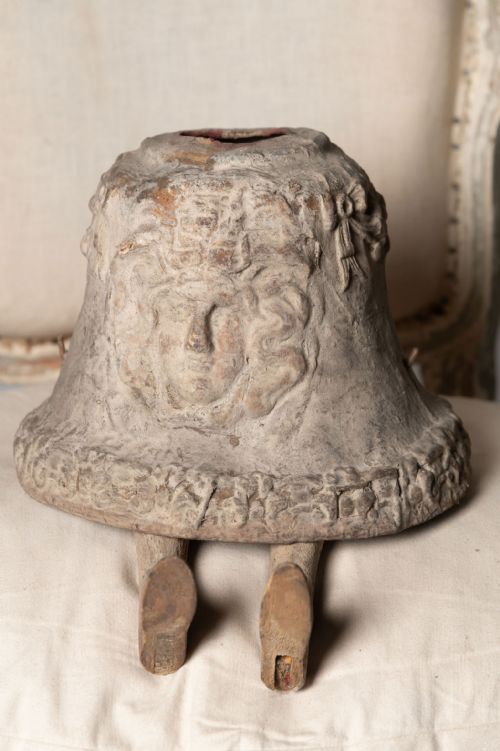
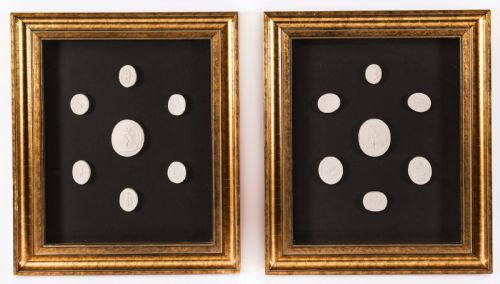


Antique Plaster Relief
These antique plaster relief pieces offer a tactile depth to interiors, bringing classical motifs and religious iconography directly onto the wall.
Antique Plaster Relief
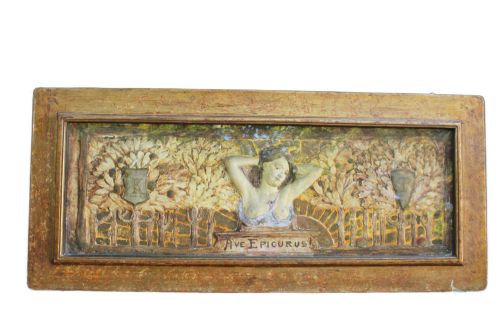
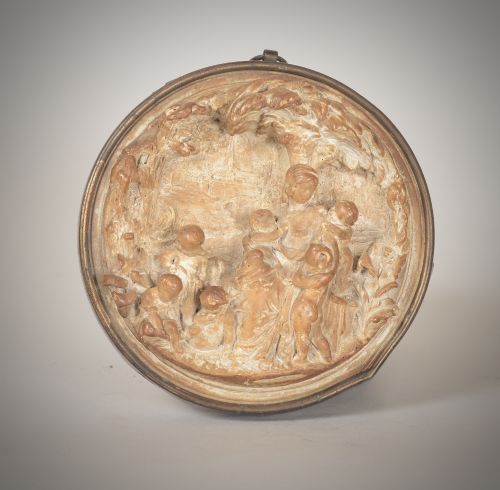
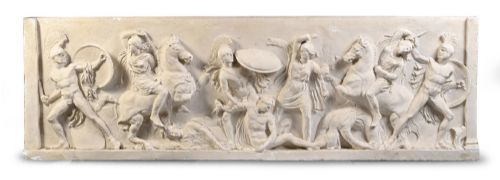
When searching for an antique plaster relief, buyers encounter a diverse selection of wall art, plaques, and framed intaglios spanning the eighteenth, nineteenth, and early twentieth centuries. These objects capture sculptural forms within domestic settings, ranging from intimate Grand Tour collections to substantial architectural friezes.
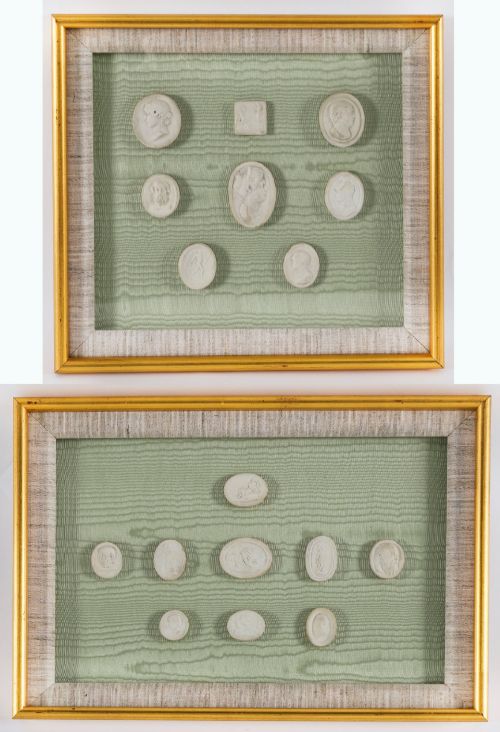
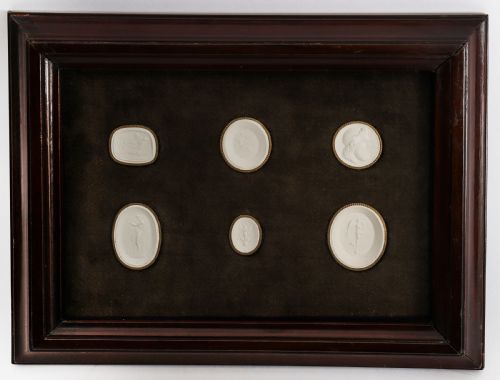
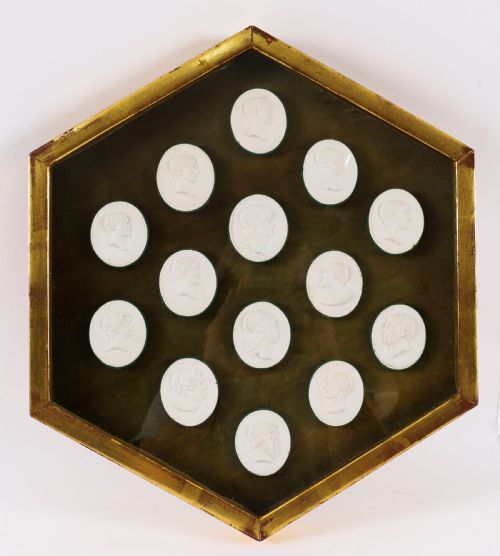
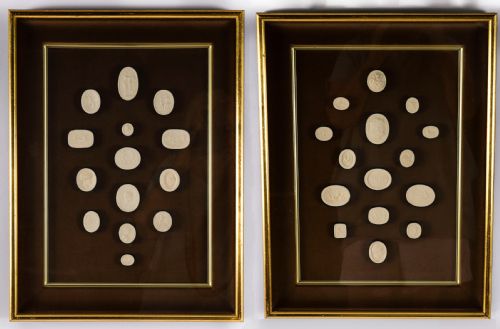
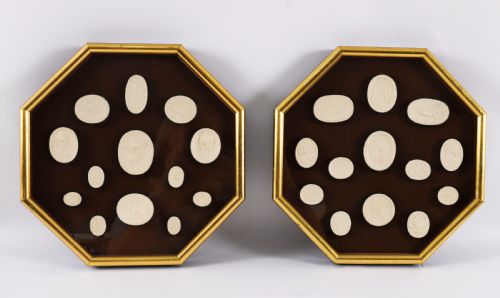
The pieces on this page heavily feature Grand Tour plaster intaglios and medallions, often arranged in framed sets by makers such as Giovanni Liberotti and Pietro Bracci. Alongside these miniature classical casts appear larger religious plaques, theatre props, and polychrome works reflecting Renaissance Revival, Neoclassical, and Arts and Crafts styles.
Materials and Construction
These works are primarily cast in plaster, occasionally utilising marble dust or gesso to achieve finer detail and a durable surface. Artisans often reinforced or framed these reliefs using wood, giltwood, glass, and velvet backdrops to protect and display the delicate casts.
Surface finishes vary widely across the inventory, incorporating paint, polychrome pigments, and bronze effects. Carved wooden panels and deep plaster moulds demonstrate the intersection of traditional moulding and direct sculptural carving techniques.
One nineteenth-century plaster cast faithfully captures the mournful expression of The Dead Christ Tended by Angels, originally sculpted by Donatello.
Evaluating Quality and Execution
Presentation elevates the overall calibre of these items, particularly matched pairs, extensive sets, and original period framing with intact glass and giltwood. The historical provenance of signed works by makers like Giovanni Liberotti or Pietro Bracci further separates standard decorative items from museum-quality collector pieces.
Giovanni Liberotti·Pietro Bracci·Donatello
The Antique Plaster Relief Glossary
- Intaglio
- A design carved into the material so that the impression sinks below the surface. These miniature casts record classical sculptures and gems collected during the Grand Tour.
- Gesso
- A plaster-like mixture applied to wood surfaces to prepare them for gilding or painting. It provides a smooth base for intricate decorative framing.
- Giltwood
- Wood that has been covered with a thin layer of gold leaf or gold paint. This material frequently frames nineteenth-century intaglio collections.
- Polychrome
- Decorated in a variety of colours. Arts and Crafts plaster reliefs occasionally employ this technique to highlight figurative details.
- Frieze
- A broad horizontal band of sculpted or painted decoration adorning a wall. Eighteenth-century examples include large plaster cast winged cherubs.
Antique Plaster Relief: Frequently Asked Questions
What is a Grand Tour plaster intaglio?
Grand Tour intaglios are small plaster casts of classical sculptures, ancient coins, and carved gems collected by travellers exploring Europe during the eighteenth and nineteenth centuries.
Craftsmen mounted these detailed casts in custom frames, creating educational and decorative wall art for British homes.
How should I hang heavy plaster wall reliefs?
Substantial plaster friezes and framed panels require secure wall anchors and professional picture-hanging hardware suited to their weight and material.
Ensure the mounting brackets engage directly with wall studs or appropriate masonry fixings to support the combination of plaster, wood, and glass safely.
How do I date a nineteenth-century plaster relief?
Dating relies on stylistic clues, framing techniques, and signatures or labels on the reverse of the piece. Neoclassical and Renaissance Revival motifs point toward the Victorian era, while specific makers like Giovanni Liberotti help narrow the timeframe to the nineteenth century.
Can plaster reliefs be cleaned safely?
Plaster is porous and susceptible to moisture, so cleaning should be limited to gentle dusting with a soft, dry brush. Avoid water and chemical solvents entirely, as moisture softens the plaster and damages painted, giltwood, or velvet surfaces.