



Plaster Intaglio Frames
Plaster intaglio frames display miniature neoclassical casts behind glass, bringing grand tour education and classical sculpture straight to the drawing room wall.
Plaster Intaglio Frames
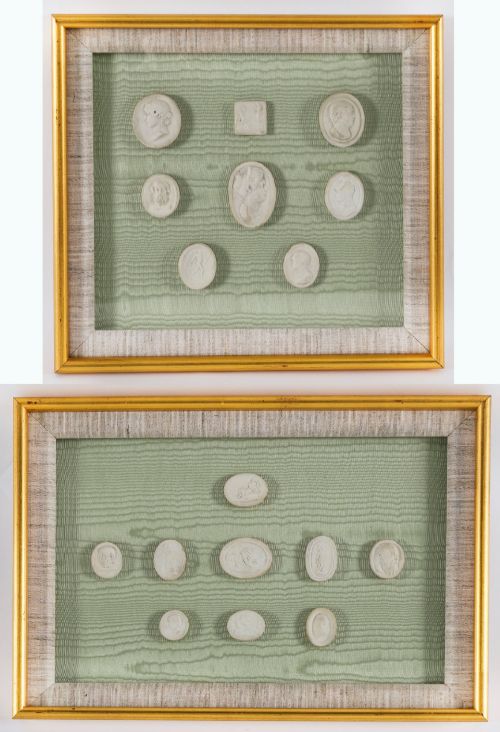
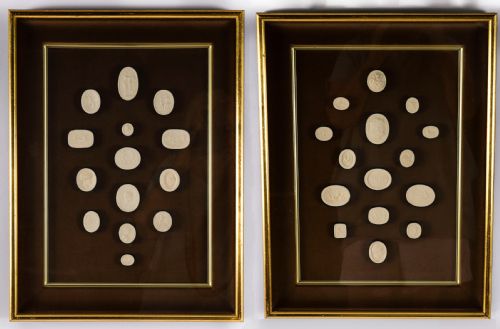
These plaster intaglio frames house collections of classical cameo casts, capturing the spirit of the grand tour for domestic display. Most examples found here originate from the nineteenth century, including neoclassical and Georgian neoclassical pieces.
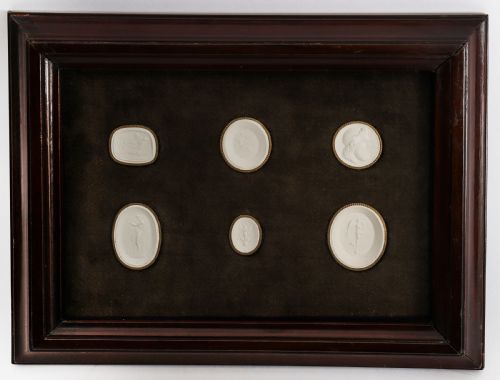
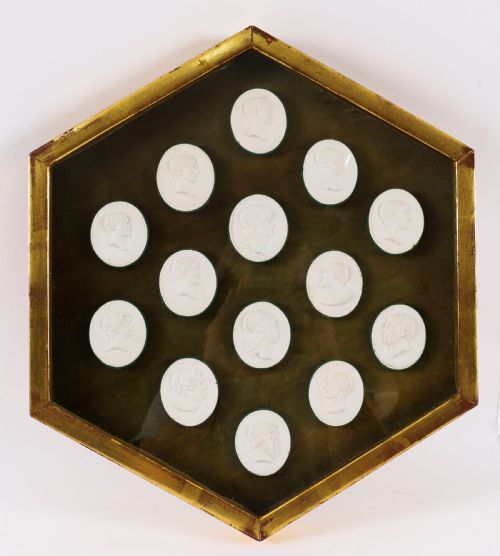
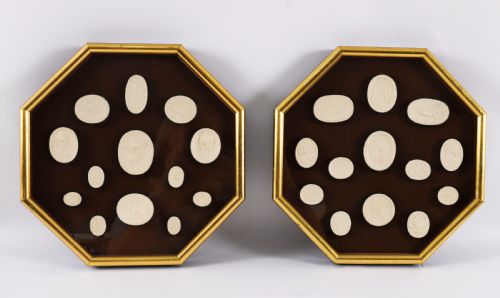
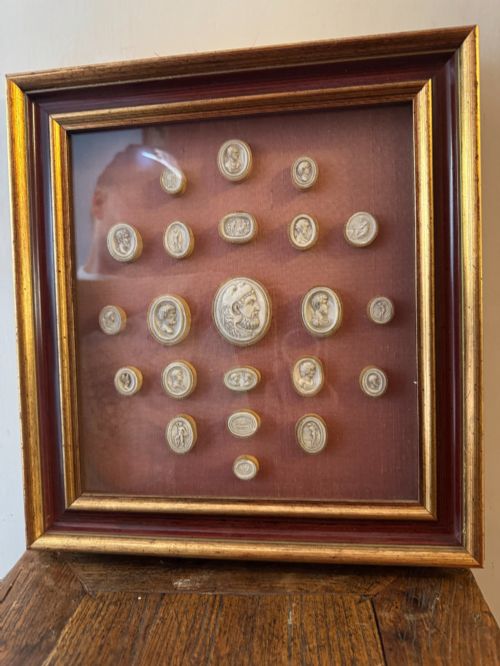
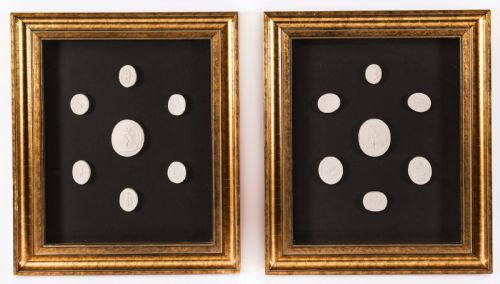
The wall art takes several forms, from single octagonal panels to box frames containing collections of varying sizes. Buyers encounter paired arrangements alongside extensive sets of medallions, all set behind protective glass.
Originating as souvenirs for travellers studying ancient art, these framed artworks preserve classical profiles and mythological scenes. They function primarily as decorative wall plaques that reflect scholarly tastes of earlier centuries.
How they were made
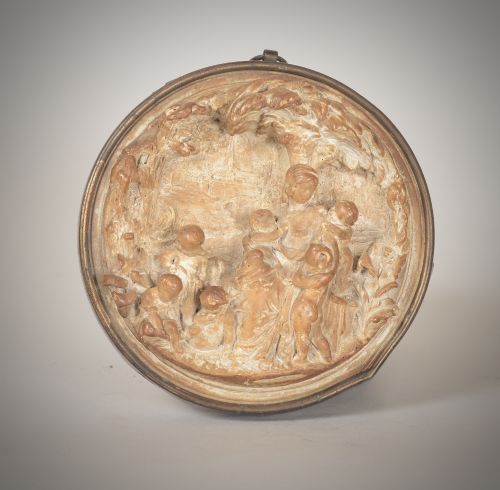
Makers cast the intaglios using fine plaster or gypsum, sometimes utilising pressed white glass paste to imitate carved stone. These delicate white reliefs stand out sharply against dark backgrounds.
The backgrounds consist of fabric, velvet, or painted surfaces that secure each medallion in neat alignment. This textile lining cushions the plaster casts safely within the enclosure.
Enclosing these collections required joinery using wood, giltwood, or gilt wood frames enhanced with gold leaf. Glazing protects the vulnerable plaster surfaces from dust and atmospheric moisture.
Current listings feature nineteenth-century pieces incorporating giltwood, glass, and velvet alongside plaster casts.
What varies in quality
The distinction between ordinary and superior panels lies in the crispness of the plaster casting and the organisation of the collection. Finer sets display deep, sharp detail in every classical motif without chipping or softening.
Frame construction also dictates the overall standard, distinguishing simple timber mouldings from elaborate giltwood housings. Cohesive arrangement and uniform colour in the backing velvet elevate the visual impact of the group.
Giovanni Liberotti·Pietro Bracci
The Plaster Intaglio Frames Glossary
- Intaglio
- A design carved into a material so that the impression sits below the surface, or a cast taken from such a carving. These plaster versions reproduce antique gems and coins.
- Grand Tour
- A traditional trip through Europe undertaken by upper-class young men in the eighteenth and nineteenth centuries to study classical art. Travellers collected plaster casts as portable proof of their cultural education.
- Cameo
- A method of carving where a relief image projects from a background of a different colour. Plaster intaglio frames often present these profiles in white against dark velvet.
- Giltwood
- Wood that has been coated with a thin layer of gold leaf or gilt. This finish frames the classical plaster casts with metallic warmth.
- Gypsum
- A soft sulphate mineral used to create plaster. It provides the smooth, fine surface necessary for capturing minute classical details on the medallions.
Plaster Intaglio Frames: Frequently Asked Questions
What are plaster intaglio frames?
These decorative objects consist of framed displays holding multiple plaster or glass casts of classical cameos and intaglios. They originated as collections gathered by travellers on the grand tour.
Today, they serve as sophisticated wall art that brings neoclassical history and sculpture into residential interiors.
How should I hang them?
Due to their delicate plaster contents and glass glazing, these pieces require secure picture hooks suited to their weight. Avoid positioning them in direct sunlight to protect the fabric backings and giltwood.
Their framed formats make them ideal for studies, hallways, or gallery walls alongside traditional portraits.
How do I date these frames?
Dating relies on examining the construction of the wood frame, the style of the gilt finish, and the neatness of the interior mounting. Most examples date from the nineteenth century.
Signature plaques or specific arrangements associated with known makers also help establish the exact period of manufacture.
How do I clean the glass?
Use a soft cloth slightly dampened with a mild glass cleaner applied to the cloth rather than directly onto the frame. This prevents moisture from seeping past the glazing and damaging the plaster.
Keep the wooden or giltwood borders free of dust using a dry, soft brush.