


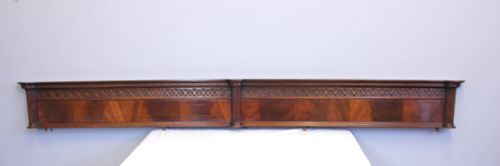


Antique Architectural Mould
These antique architectural mould pieces bring authentic historical structure and tactile character into modern spaces.
Antique Architectural Mould
When you search for antique architectural mould, you are looking at fragments and structured elements salvaged from historic buildings and gardens. These pieces span centuries of design, reflecting changing tastes from Tudor craftsmanship through to Victorian revivals.
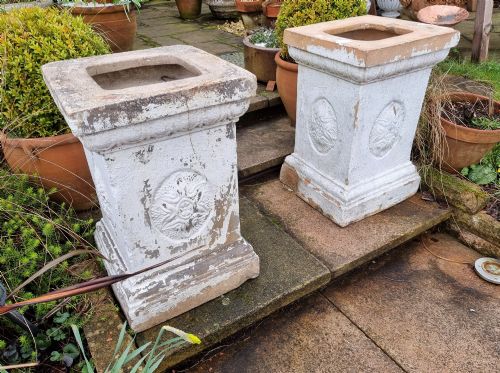
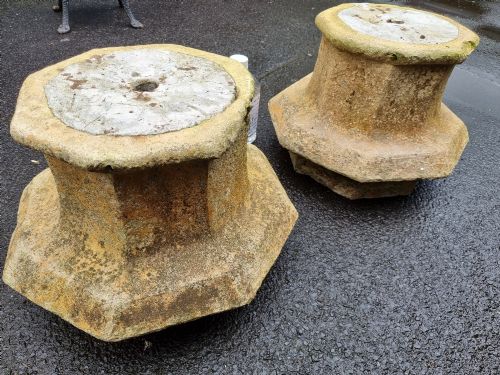
On this page, you are most likely to meet items originating from the seventeenth, eighteenth, and nineteenth centuries. The selection ranges from carved wooden panels and friezes to garden pedestals and stone columns.
Many of these objects served functional roles in interior decoration or exterior landscaping before finding new life as decorative display items. Their forms include pediments, pilasters, and decorative plaster casts carrying genuine historical provenance.
Materials and construction methods
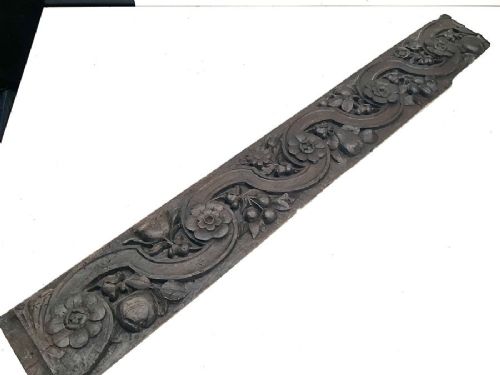
Makers utilised dense timbers such as oak, walnut, and mahogany, shaping them through hand carving and joinery. These wooden elements often feature deep relief work created with traditional chisels and gouges.
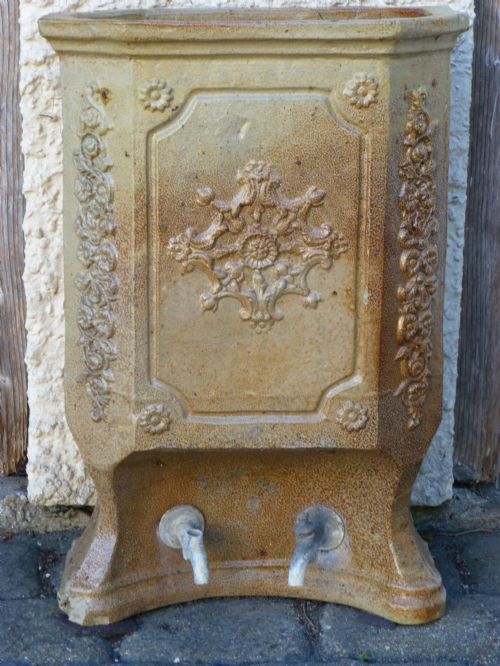
Masonry and ceramics form another pillar of production, employing materials like terracotta, sandstone, and salt glazed stoneware. Artisans also worked with plaster and cast iron, pouring or pressing compositions into detailed moulds to achieve repetitive architectural motifs.
Listings feature materials spanning walnut, oak, terracotta, sandstone, salt glazed stoneware, and cast iron across the seventeenth to nineteenth centuries.
Judging quality and execution
The distinction between ordinary items and superior examples lies in the crispness of the carving and the depth of the relief. Master carvers and modellers achieved sharper lines, balanced proportions, and more expressive figures that elevate a simple fragment into fine art.
Material selection and the preservation of original surface finishes dictate the desirability of a piece. Retained traces of early paint, natural patination on walnut or oak, and the weathering on stoneware signal genuine age and untouched character.
Dunfermline Clay Company·Osborne House
The Antique Architectural Mould Glossary
- Pediment
- A triangular or segmental architectural gable placed above doors, windows, or mantelpieces. It provides a classical focal point to upper elevations.
- Pilaster
- A rectangular support column that projects slightly from a wall surface. It mimics structural columns while serving a decorative framing function.
- Frieze
- A long, narrow band of sculpture or decoration adorning the upper part of a wall. It frequently depicts classical motifs or botanical scrollwork.
- Salt glaze
- A ceramic finish created by throwing common salt into the kiln during high-temperature firing. This produces a characteristic textured, glossy orange-peel surface on stoneware.
Antique Architectural Mould: Frequently Asked Questions
How were these architectural elements originally used?
These elements adorned the interiors and exteriors of grand buildings, churches, and country estates, framing doorways, supporting mantelpieces, or dividing wall panels.
Builders and craftsmen integrated them into structures to display wealth, status, and adherence to prevailing architectural styles of the era.
Can I install antique mouldings into a modern home?
Yes, many collectors mount carved panels, pediments, and friezes directly onto interior walls as focal art pieces or incorporate them into bespoke cabinetry.
Heavier stone and terracotta elements work well in gardens or as architectural pedestals, provided you secure adequate structural support.
How do I identify the period of a wooden fragment?
Look closely at the tool marks left on the timber, the choice of primary wood species such as oak or mahogany, and the style of the carved ornamentation.
Earlier centuries typically feature heavier hand-chiselled detailing and darker timber patination, whereas later nineteenth-century pieces often reflect revivalist aesthetics.
What is the difference between stoneware and terracotta pieces?
Stoneware undergoes high-temperature firing until the clay vitrifies, often receiving a salt glaze that makes it dense and resistant to moisture. Terracotta is a porous, unglazed baked earthenware that develops a distinct earthy patina over time.