



White Plaster Carving
White plaster carving brings crisp neoclassical relief and sculptural form into a room, offering tactile surface texture and classic academic presence.
White Plaster Carving
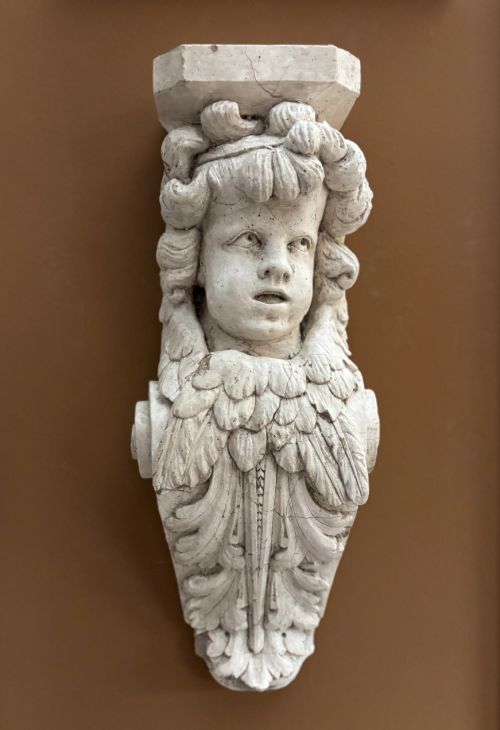
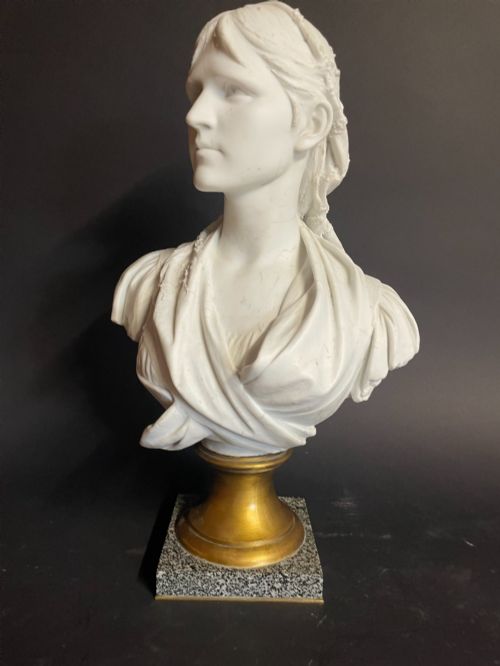
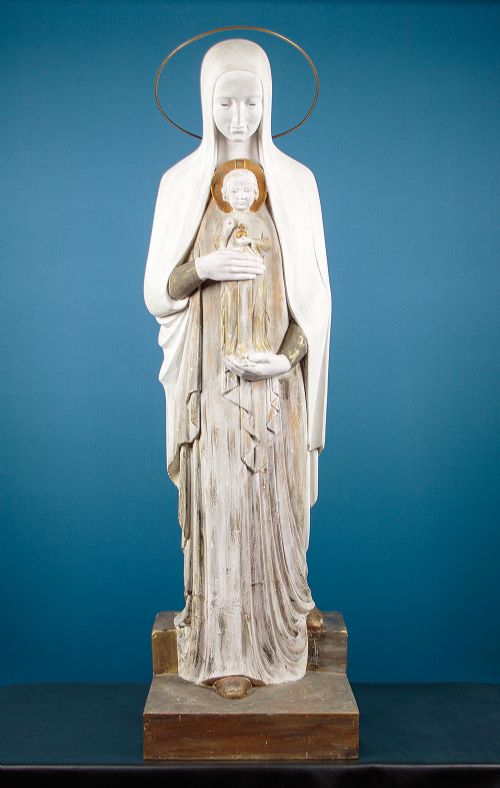
When you search for white plaster carving, you encounter decorative elements and sculptural objects designed to introduce classical architectural dignity into domestic spaces. These pieces range from substantial library busts and wall brackets to relief panels and architectural salvage.
The selections available here lean heavily toward nineteenth-century neoclassical interpretations and Victorian academic subjects. You will frequently find figures, corbels, and architectural details cast or carved to emulate marble and stone.
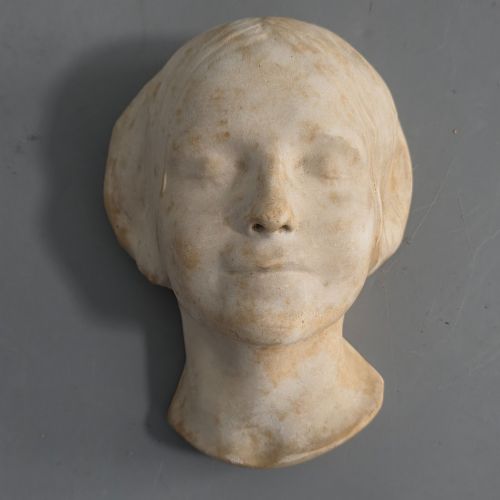
Moulded compositions and hand-finished panels sit alongside sculptural table lamps and death masks. Each object demonstrates the versatility of plaster and gesso as mediums for replicating high sculpture and architectural ornament.
Materials and construction
The primary medium across these pieces is plaster, often combined with gesso applied over wooden or fibrous cores to build up crisp relief detail. Artisans poured mixtures into moulds or worked the set material directly to achieve the desired sculptural form.
Secondary materials such as wood, brass, and marble frequently support or frame the plaster carvings. Table lamps and wall brackets integrate these supportive elements to provide structural stability and functional utility to the decorative plasterwork.
White Plaster Carving Retail Price Guide 2026
Typical asking prices for white plaster carving among the pieces listed under this phrase on Sellingantiques today, from the lower quarter to the upper quarter. They describe what is for sale here now, not the wider market.
Listings feature periods spanning the eighteenth century through to the mid-twentieth century, dominated by nineteenth-century examples.
Assessing quality in plaster and gesso
The distinction between ordinary and superior pieces rests entirely on the crispness of the modelling and the depth of the undercutting. Finer examples retain sharp facial expressions and clean architectural lines that do not soften under layers of historic finish.
The integration of the plaster with its supporting armature or wooden panel determines the structural integrity of the piece. Superior craftsmanship shows careful attention to the junction between the carved surface and its mount, ensuring durability alongside aesthetic refinement.
The White Plaster Carving Glossary
- Plaster
- A workable mixture of lime, gypsum, and water that hardens upon drying. It serves as the primary medium for sculptural casts and architectural mouldings.
- Gesso
- A paint mixture consisting of a binder mixed with chalk, gypsum, or pigment. It provides a smooth surface for painting or building up low relief on panels and frames.
- Corbel
- A structural member projecting from a wall to support a weight. In decorative plaster, it often takes ornate scroll or figural forms.
- Neoclassical
- A style reviving classical Roman and Greek forms that dominated nineteenth-century architectural ornament and sculptural busts. It emphasises symmetry, restraint, and academic proportion.
White Plaster Carving: Frequently Asked Questions
How do I clean white plaster carving?
Dust these surfaces gently using a soft, dry brush or a feather duster to prevent particulate accumulation within the carved recesses.
Avoid liquid cleaners entirely, as moisture can soften the plaster and damage historic gesso or underlying wooden supports.
Can I mount heavy plaster wall reliefs?
Ensure your fixings anchor directly into solid wall studs or masonry rather than relying solely on hollow drywall anchors.
Heavier architectural fragments and overmantel elements often require custom metal brackets to distribute the weight safely.
How do I identify nineteenth century plaster?
Look for dense, heavy plaster compositions paired with traditional wooden backing boards or historic hand-forged hanging fixings.
Patina also offers clues, as genuine age reveals accumulated layers of historic white or tinted finishes rather than modern bright emulsion.
Where should I place these pieces?
Display library busts and wall brackets on sturdy mantelpieces or dedicated ledges where their sculptural profile catches directional room light.
Keep them away from damp environments like unheated bathrooms to protect the delicate plaster surface from moisture damage.