



Antique Pewter Pitcher
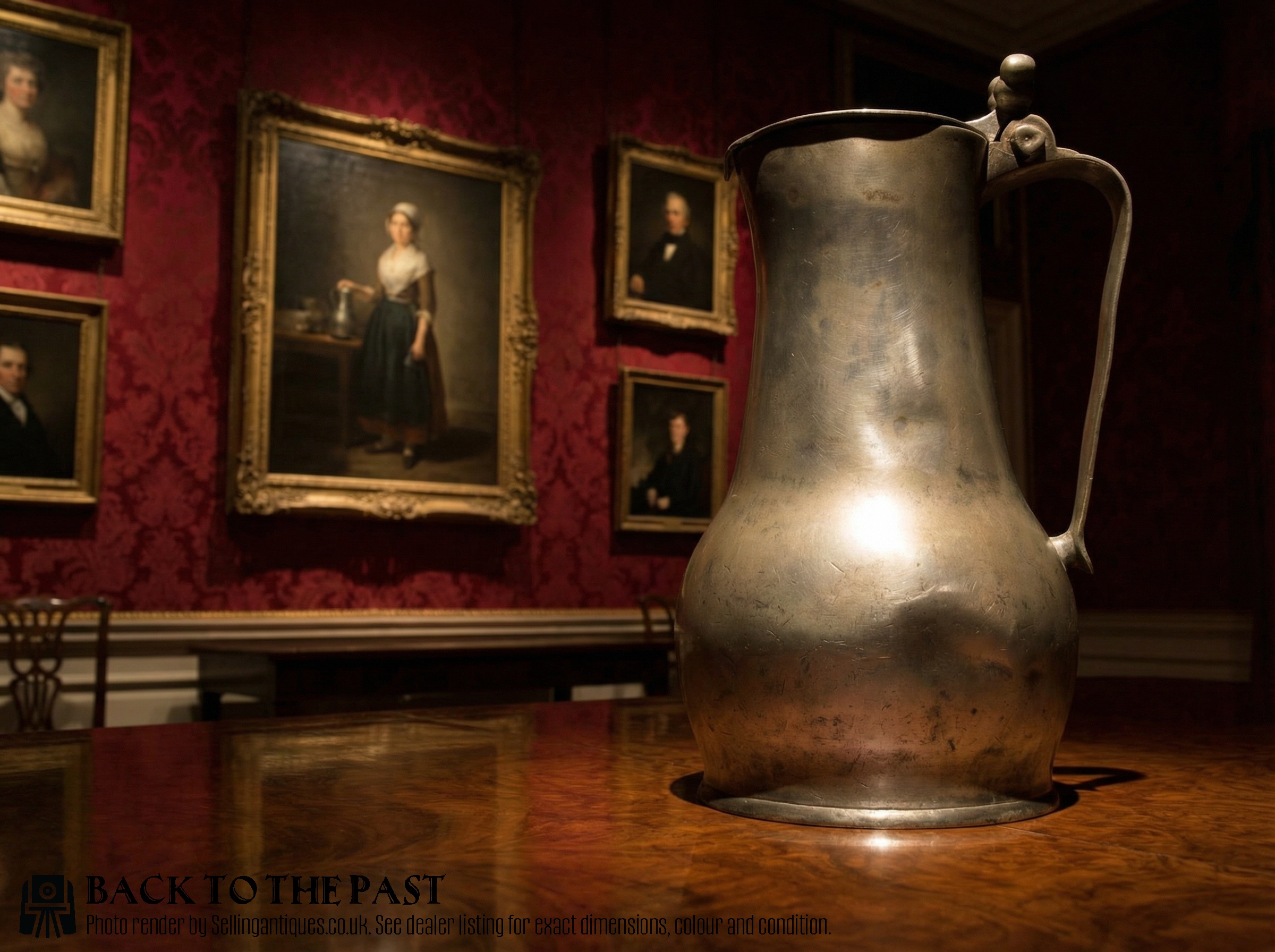
An antique pewter pitcher brings heavy-metal utility and sculptural form into a modern room, moving from Georgian taverns to Art Nouveau drawing rooms.
Antique Pewter Pitcher
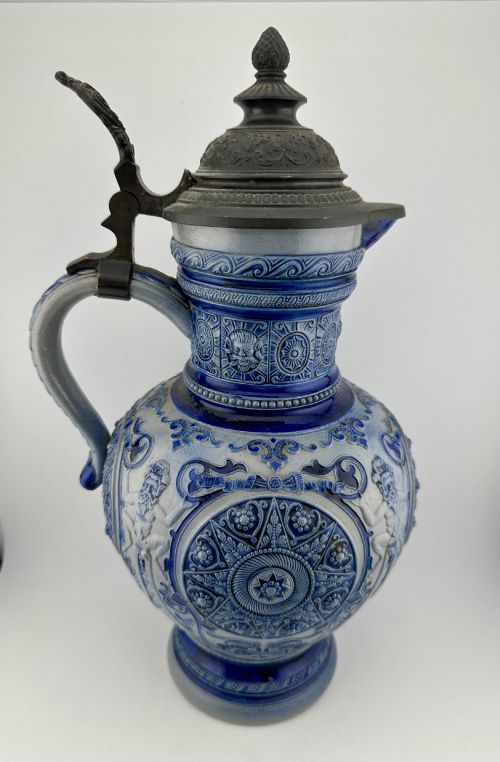
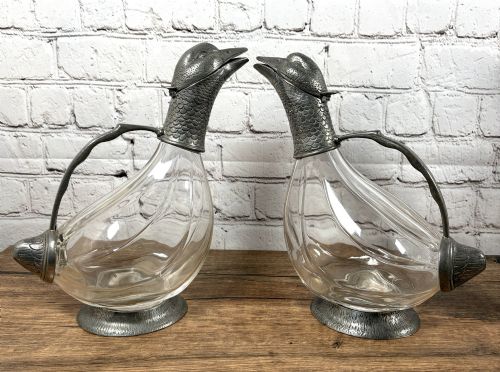
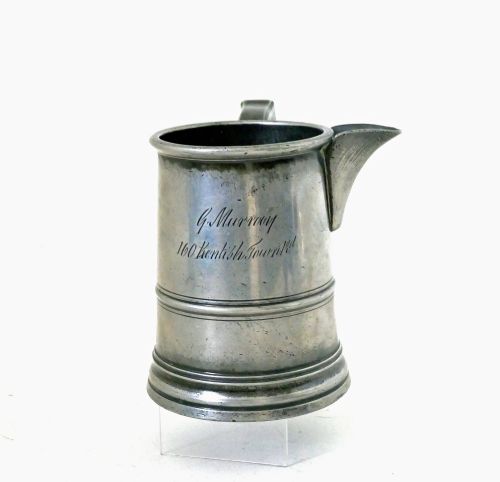
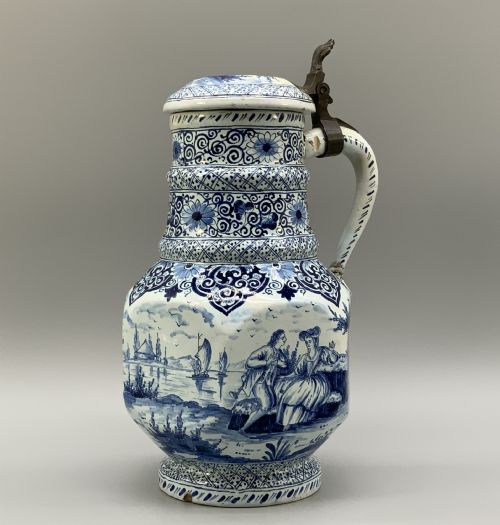
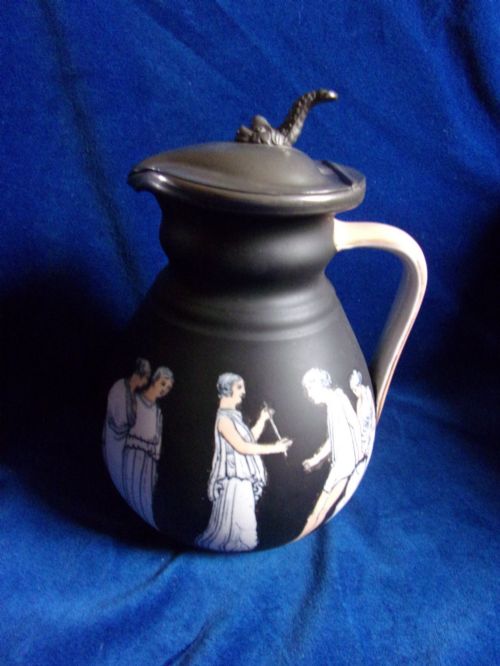
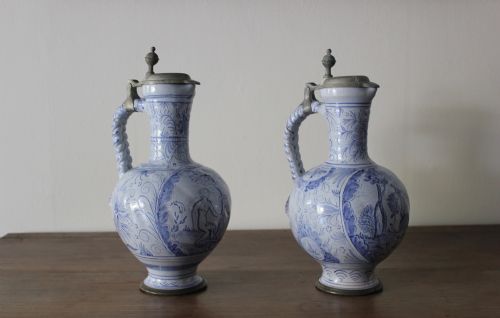
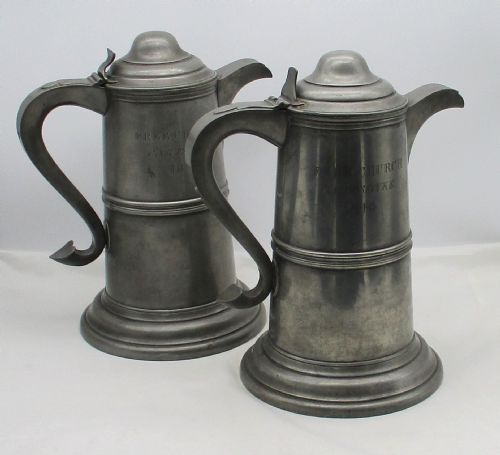
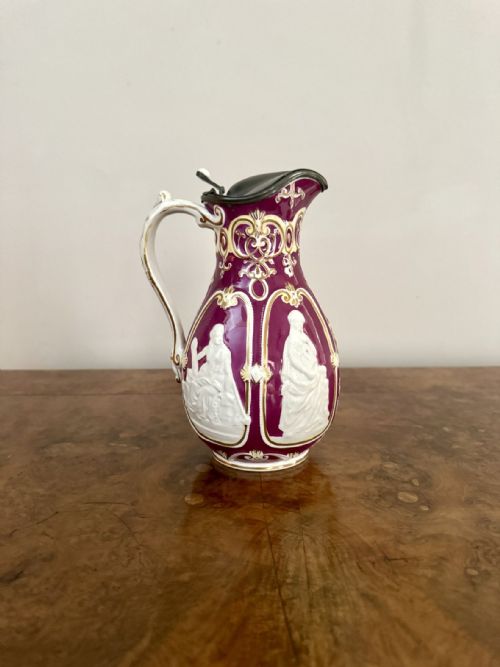
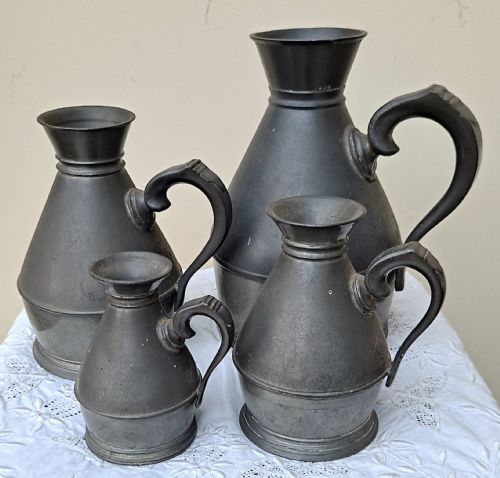
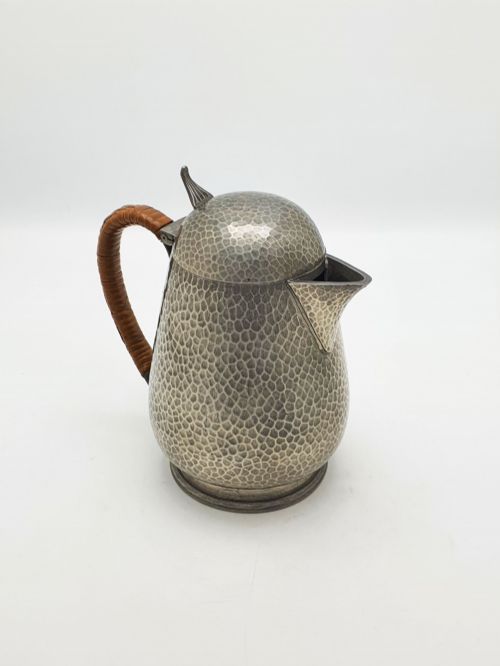
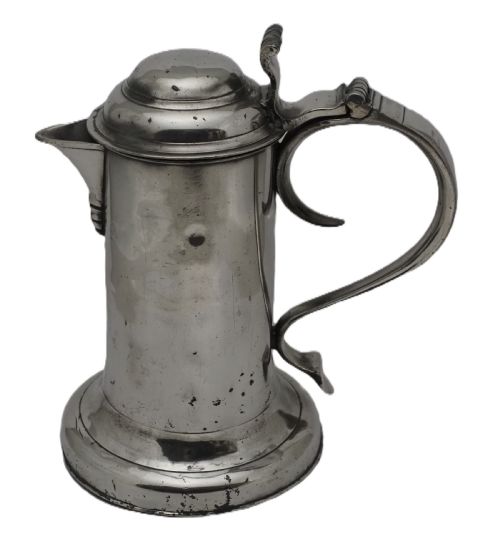
When you search for an antique pewter pitcher, you encounter a wide assortment of heavy metal vessels spanning several centuries. The forms on this page range from tall church flagons and lidded ale jugs to slender Art Nouveau decanters and Irish haystack measures.
Georgian and Victorian examples dominate the earlier periods, often cast as measures or spouted flagons with flat or domed lids. Later pieces shift toward the fluid, organic lines of the twentieth century, combining metalwork with glass, cane, and enamel.
Origins stretch across England, Ireland, Scotland, Jersey, Guernsey, and continental workshops in Germany and Austria. You are just as likely to find a simple tavern jug as an elaborate silvered centrepiece featuring figural handles.
Materials and construction
The primary material across these listings is traditional pewter, an alloy of tin combined with lead or copper depending on the era. Makers shaped these vessels through casting, hammering, and soldering individual components such as handles, spouts, and thumbpieces.
Later pieces incorporate contrasting elements like woven cane handles, vibrant green glass inserts, and inset enamel plaques. Silvered finishes also appear on decorative Art Nouveau wares, giving a bright metallic sheen to the underlying alloy.
Antique Pewter Pitcher Retail Price Guide 2026
Typical asking prices for pewter pitcher among the pieces listed under this phrase on Sellingantiques today, from the lower quarter to the upper quarter. They describe what is for sale here now, not the wider market.
Mermaids and maiden figures occasionally emerge from the metalwork, turning a humble beer container into an Art Nouveau daydream.
Assessing the examples
The distinction between ordinary utility items and exceptional pieces rests upon the crispness of the cast and the integrity of the maker's mark. Stamped touches from known regional workshops or prominent designers elevate a simple vessel into a significant historical document.
Proportion and surface patination dictate visual success in older metalware. Pieces that retain their original lids, unblemished surfaces, and balanced handles command greater attention from collectors of domestic metalwork.
John Heaney·Robert Iles·Archibald Knox·John De St Croix·Liberty and Co·WMF
The Antique Pewter Pitcher Glossary
- Tappit Hen
- A traditional Scottish pewter drinking measure with a distinct lid and body shape, usually holding a specific volume such as a chopin or pint.
- Flagon
- A large lidded vessel with a handle and spout, historically used for serving church wine or ale.
- Haystack Measure
- An Irish measuring vessel featuring a bulbous body resembling a stacked haystack, common in the nineteenth century.
- Tudric
- The brand name used by Liberty and Co for their range of pewter domestic ware, often associated with Art Nouveau design.
- Touchmark
- The official stamp applied by a pewterer or guild to indicate the quality of the metal and the maker's identity.
Antique Pewter Pitcher: Frequently Asked Questions
How were pewter pitchers used?
These vessels served practical roles in domestic settings, taverns, and churches for measuring, storing, and pouring liquids like ale, water, and wine.
Larger flagons held church wine or bulk tavern supplies, while smaller measures ensured accurate commercial portions for customers.
How do I date an old pitcher?
Dating relies on stylistic shifts, touchmarks, and construction methods visible on the body and handle. Georgian examples typically feature simpler, utilitarian silhouettes, whereas Art Nouveau pieces introduce stylized plant motifs and mixed materials.
Maker stamps and regional capacity marks provide further clues to narrow down the decade of production.
Can I use antique pewter for serving drinks?
Most collectors treat these pieces as display objects rather than functional tableware due to the age of the metal and historical alloy compositions.
Displaying them on a shelf or sideboard preserves the soft patination and delicate touchmarks accumulated over centuries of existence.
What is the difference between a flagon and a measure?
A flagon generally incorporates a spout and a secure lid designed for pouring church wine or ale during gatherings. A measure is strictly calibrated to hold an exact volume of liquid for trade and verification purposes.