

Antique Pedestal Vanity
An antique pedestal vanity brings fitted mirrors and substantial timber cabinetry together, offering a dedicated surface for daily grooming.
Antique Pedestal Vanity
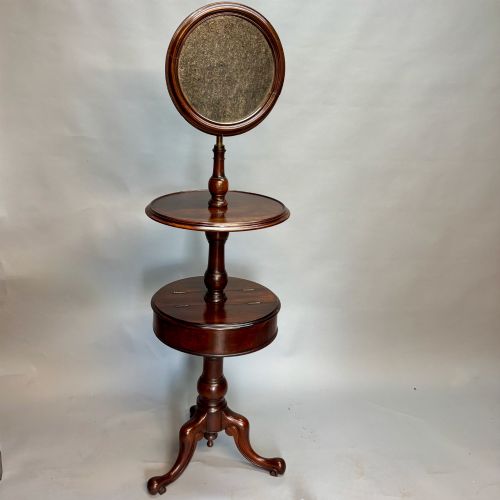
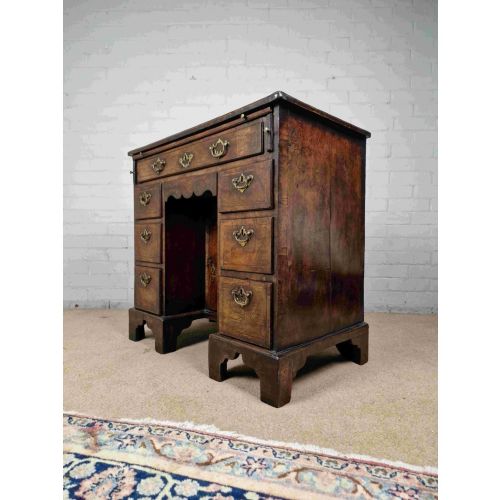
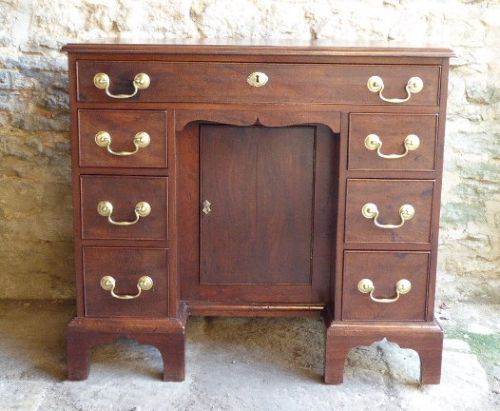
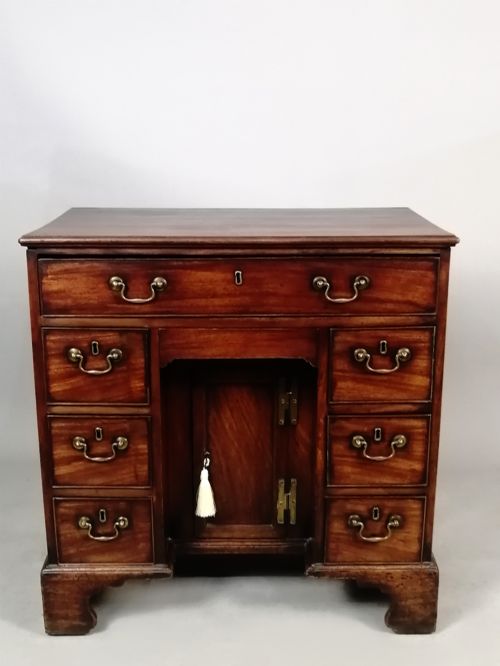
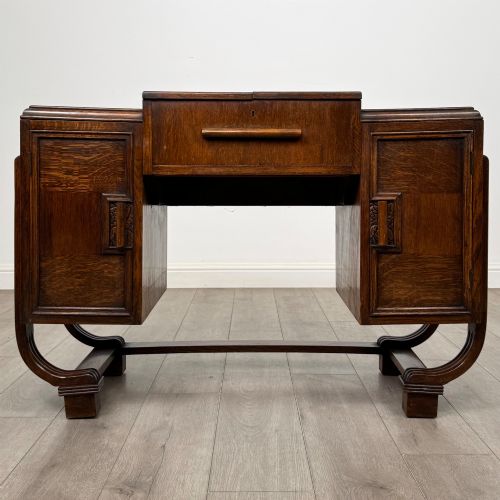
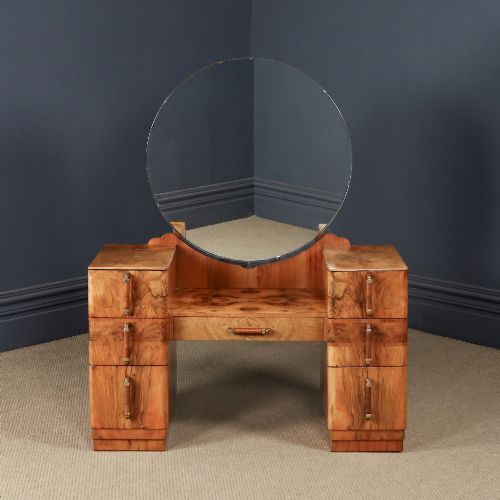
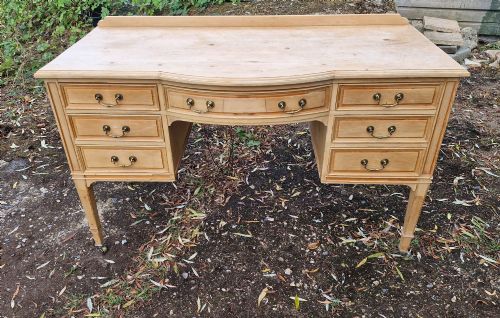
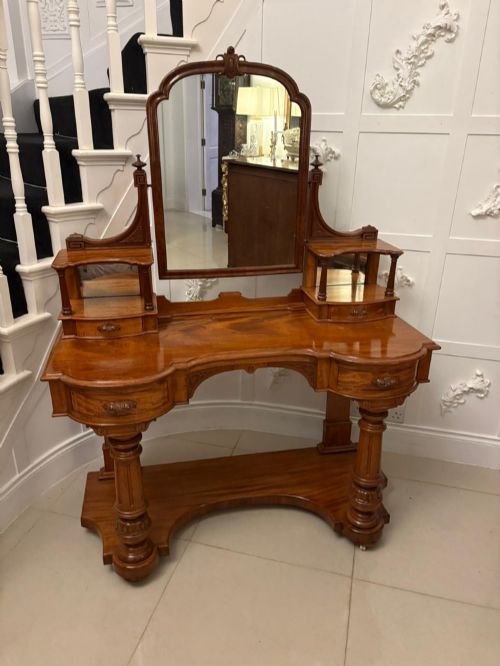
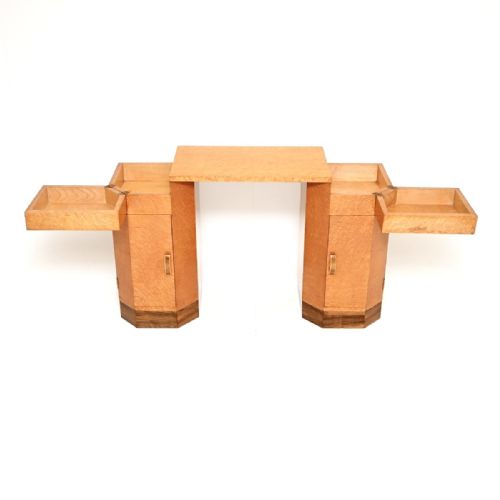
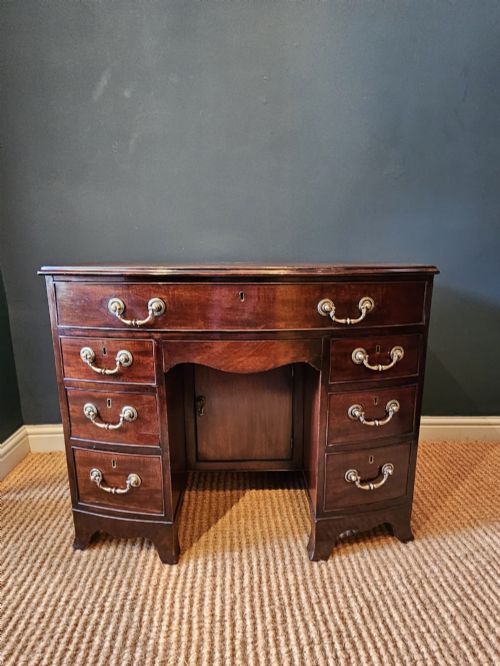
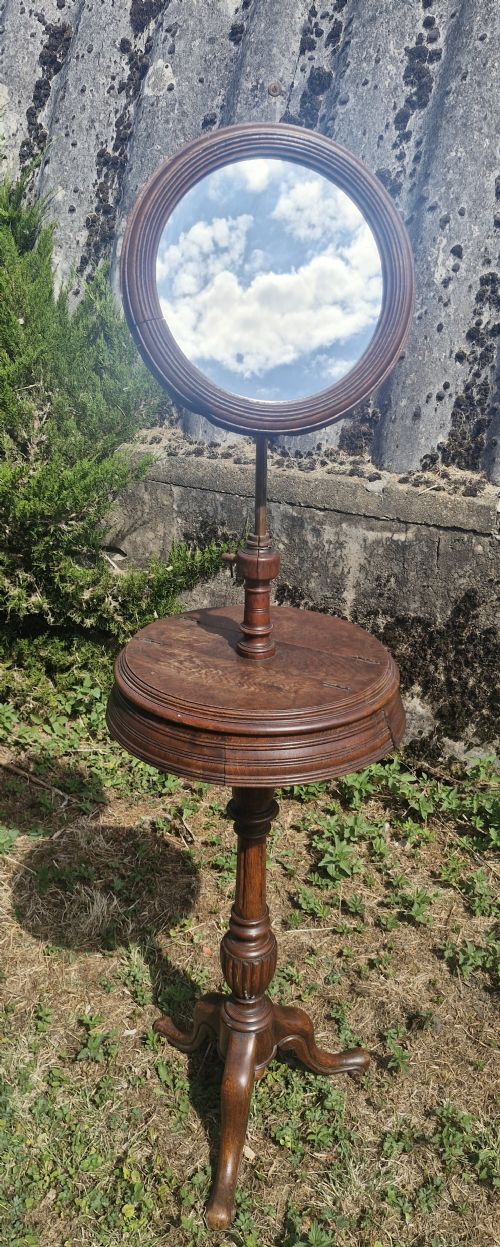
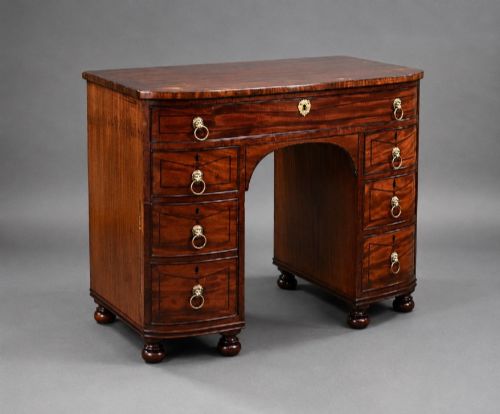
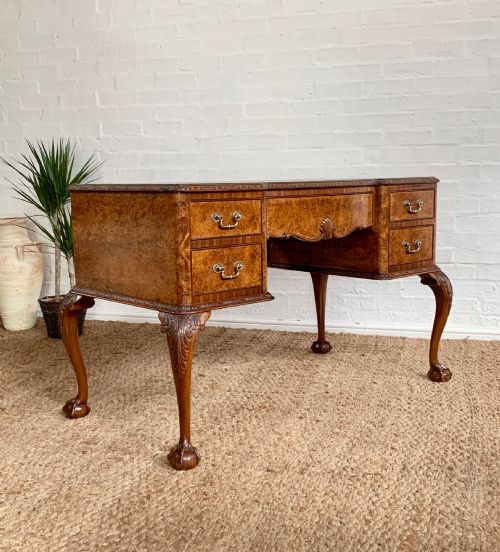
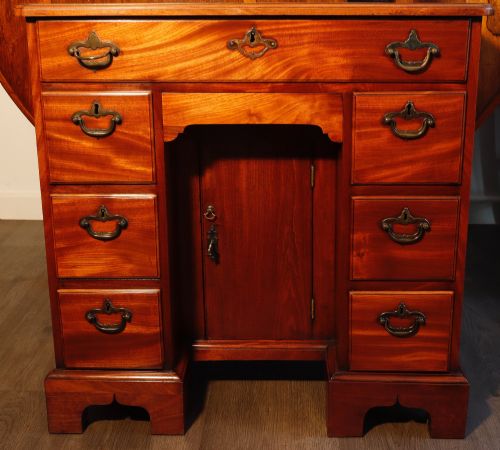
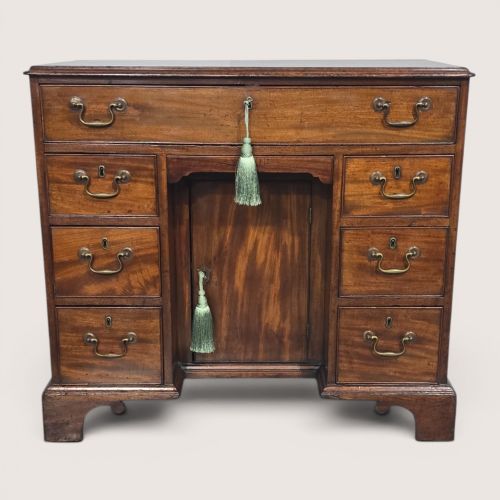
An antique pedestal vanity encompasses dressing tables, kneehole desks, and shaving stands that use flanking sets of drawers or cupboards to support a central writing or grooming surface. Buyers searching for an antique pedestal vanity frequently encounter pieces styled during the Victorian and Art Deco eras, alongside earlier Georgian iterations.
The material palette spans solid hardwoods such as mahogany and oak, alongside decorative veneers including burr walnut and bird's-eye maple. Pieces range from straightforward pine washstands to elaborate freestanding kidney-shaped tables outfitted with adjustable mirrors.
Materials and technique
Cabinetmakers constructed these pieces primarily using solid timbers like mahogany, walnut, and oak for structural integrity, often applying figured veneers such as burr walnut to visible surfaces for visual depth.
Joinery techniques relied on traditional dovetailed drawer construction and mortise-and-tenon frames, while glass was silvered for the accompanying mirrors and brass was cast for handles and pivoting mounts.
Listings feature pedestal vanities constructed from mahogany, walnut, oak, and maple across Georgian, Victorian, and Art Deco periods.
Judging execution
Quality rests on the selection of timber veneers, where symmetrical grain matching across pedestals and drawer fronts distinguishes finer workshops from standard production.
The integration of fitted mirrors, original brass hardware, and secondary woods like oak or pine inside drawer linings dictates the overall standard of the piece.
Heal & Sons·Harry and Lou Epstein
The Antique Pedestal Vanity Glossary
- Pedestal
- A structural support base containing drawers or cupboards that elevates the main table surface. Pedestals provide structural stability while offering concealed storage.
- Burr Walnut
- A prized wood veneer harvested from the wart-like growths on walnut trees. It yields complex, swirling grain patterns highly favoured in cabinetmaking.
- Kneehole
- A recessed central space beneath a desk or dressing table designed to accommodate the user's legs. This arrangement places storage drawers symmetrically on either side.
- Dovetail
- An interlocking joint formed by interlocking wedge-shaped fingers. It secures drawer corners against lateral pull.
- Secretaire
- A cabinet or desk featuring a drop-down writing flap that conceals internal pigeonholes and small drawers. It combines storage with a writing surface.
Antique Pedestal Vanity: Frequently Asked Questions
How do I care for a walnut vanity?
Keep the timber away from direct sunlight and excessive heat sources to prevent the burr walnut veneer from drying and lifting over time.
Apply a traditional beeswax polish sparingly and buff with a soft cloth to maintain the natural lustre without building up heavy residues.
Can I remove the mirror safely?
Most pedestal vanity mirrors attach to the main table via pivoting side arms secured with brass screws or threaded bolts. Unscrewing these fixings allows the mirror assembly to detach without damaging the timber.
Retain all original metal washers and fixings together in a sealed bag to ensure straightforward reattachment later.
Are these pieces suitable for daily use?
These vanities were built from solid hardwoods and sturdy veneers designed to withstand generations of physical interaction. Everyday grooming and writing tasks place no undue stress on the joinery.
Protect top surfaces from moisture by using coasters or mats beneath glass bottles and ceramic basins.
How do I distinguish Art Deco from Victorian?
Victorian vanities rely on heavy carved mahogany, satin birch, or dark walnut, often featuring ornate pediments and serpentine drawer fronts. Proportions are traditional and heavily grounded.
Art Deco examples embrace streamlined symmetry, utilising blonde maples and burr walnut veneers paired with circular or frameless mirrors and minimal ornamentation.