






Antique Patch Box
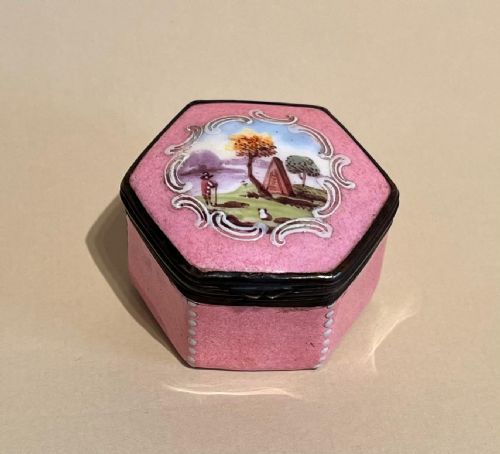
An antique patch box is a small receptacle designed for beauty patches, and collectors prize these diminutive Georgian enamel pieces for their hand-painted lids and gilt mounts.

Antique Patch Box
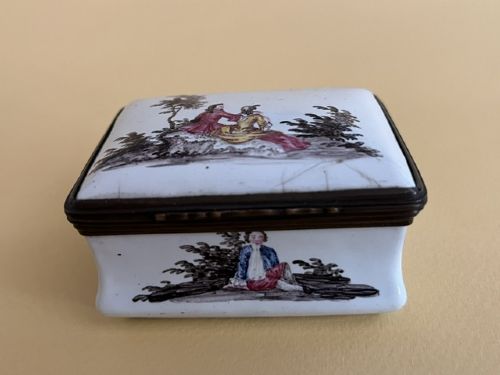
When you search for an antique patch box, you encounter pocket-sized containers made to hold the small silk or velvet patches worn on the face during the eighteenth century. These pieces appear most frequently from eighteenth-century English production centres such as Bilston and South Staffordshire, often taking oval or rectangular forms with hinged lids.
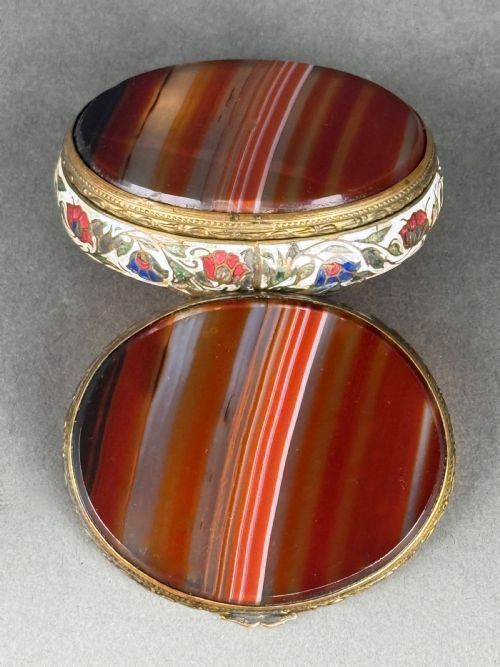
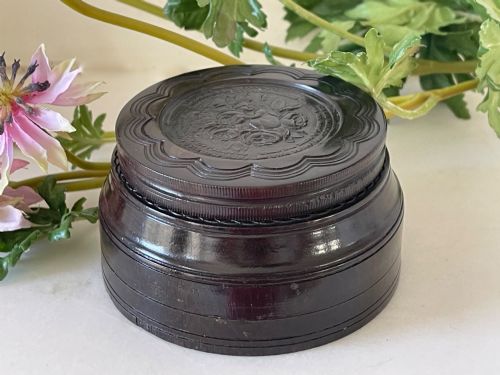
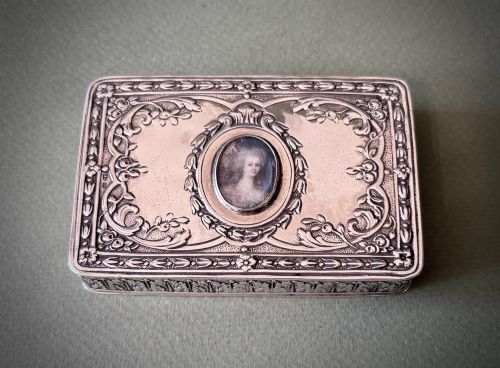
Beyond enamel examples, the selection includes specimens rendered in sterling silver, agate, coquilla nut, and porcelain. Makers shaped these receptacles for personal carriage in pockets or handbags, reflecting the social habits of Georgian society where small trinkets carried significant personal sentiment.
How they were made
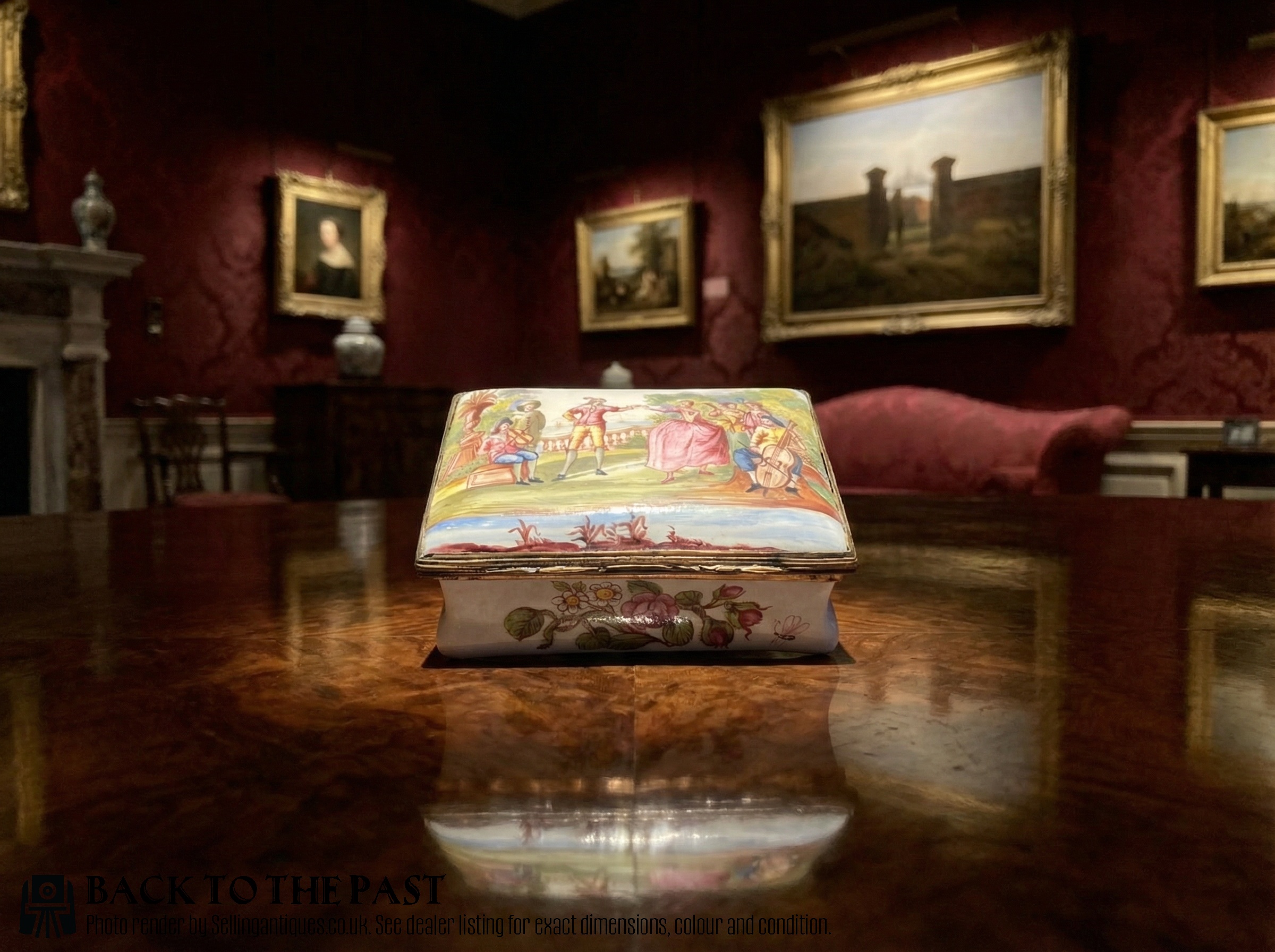
Enamel boxes rely on copper foundations coated with opaque white or coloured glass paste, fired in kilns to achieve a smooth glossy surface. Artisans then applied hand-painted miniature scenes, inscriptions, or floral motifs directly onto the enamel before firing the piece again.
Metal versions utilise sterling silver, gold, or gilt metal, often combined with inset panels of agate, mother of pearl, or shell. Silversmiths and jewellers cast, chased, and engraved these mounts to secure the stone panels and form tight-closing hinges.
Antique Patch Box Retail Price Guide 2026
Typical asking prices for patch box among the pieces listed under this phrase on Sellingantiques today, from the lower quarter to the upper quarter. They describe what is for sale here now, not the wider market.
Listings span from the 17th Century through the Edwardian period, featuring materials such as enamel, copper, silver, and agate.
What varies in quality
Quality rests principally on the crispness and preservation of the hand-painted enamel decoration on the lid. Superior examples display finely detailed portraits, landscapes, or legible inscriptions without blurring or excessive crazing in the glass surface.
The precision of the metal mounts and the snugness of the hinge also dictate the tier of a piece. Well-made specimens retain their original gilding and close securely, while inferior items show misalignment in the copper or silver frames and heavy restoration to the enamel.
Hilliard & Thomason·Edme Samson Of Paris
The Antique Patch Box Glossary
- Bilston enamel
- Enamel work produced in the town of Bilston in Staffordshire during the eighteenth century. These items typically feature copper bodies coated in white enamel with polychrome painted decoration.
- Vinaigrette
- A small ornamental box featuring an internal pierced grille that held a sponge soaked in aromatic vinegar. Victorians and Georgians used these to ward off unpleasant odours in public spaces.
- Cartouche
- An ornamental frame or panel, often shield-shaped, used on box lids to enclose initials, crests, or inscriptions. In many listings, these spaces remain blank for personal engraving.
- Jasper dip
- A fine stoneware developed by Wedgwood, characterised by a white relief applied over a coloured clay body. Blue variants appear frequently among nineteenth-century small boxes.
- Coquilla nut
- The hard, mottled brown seed of an exotic palm tree carved into small boxes and nutmeg graters during the Georgian and Victorian periods. The material takes a high polish and reveals intricate grain patterns.
Antique Patch Box: Frequently Asked Questions
How do you distinguish a patch box from a snuff box?
Patch boxes generally contain an interior mirror fitted inside the lid, allowing the owner to check the placement of facial patches. They also tend to be shallower than snuff boxes.
Snuff boxes focus purely on dry tobacco storage, lacking mirrors and frequently featuring tighter seals to preserve the contents against moisture.
Are eighteenth-century enamel boxes fragile?
The glass paste fused to copper can crack or chip if subjected to sharp impacts or sudden temperature changes. Careful handling prevents damage to the delicate painted surfaces.
Despite their age, surviving examples remain surprisingly durable when kept in appropriate display conditions away from high humidity.
Where were most English enamel boxes made?
Production concentrated heavily in the West Midlands, particularly within Staffordshire and the factories of Bilston and Wednesbury. These regions established specialised workshops employing skilled ceramicists and painters.
Other European centres, such as Limoges in France, also produced enamel containers, but the English output dominates eighteenth-century survival rates.