

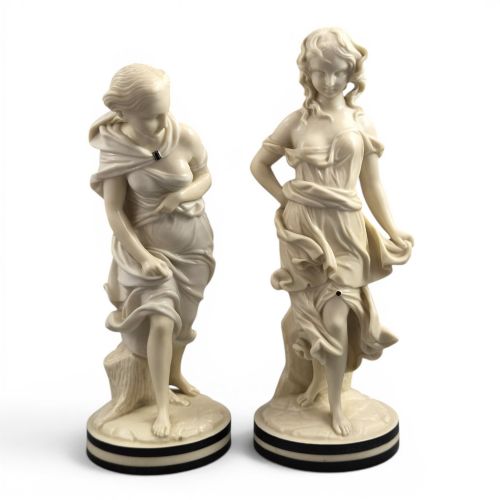


Antique Parian Figure
An antique parian figure brings crisp neoclassical form to the Victorian interior through fine ceramic bodies.
What They Are
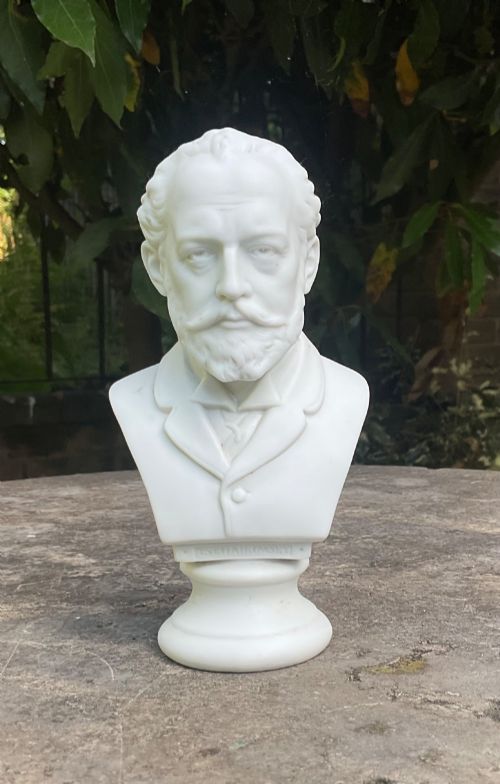
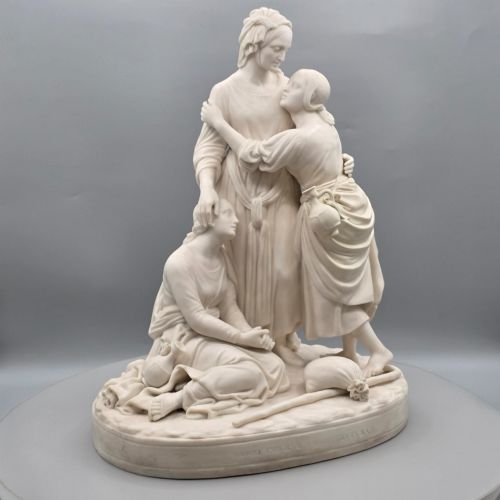
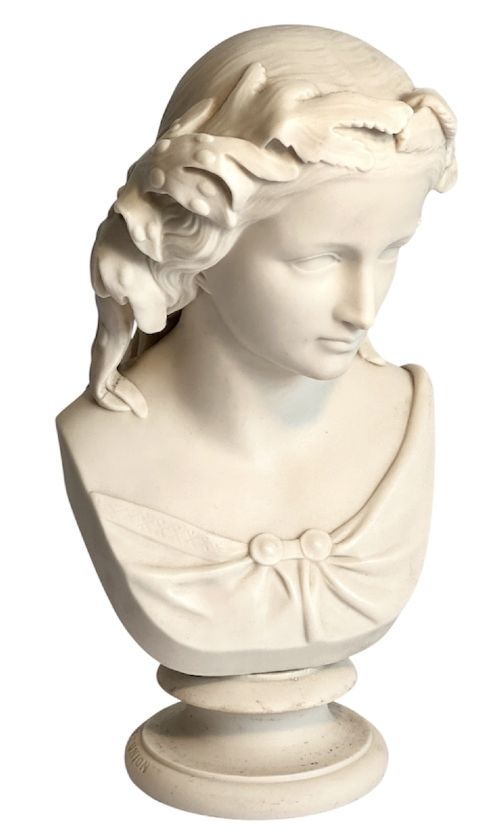
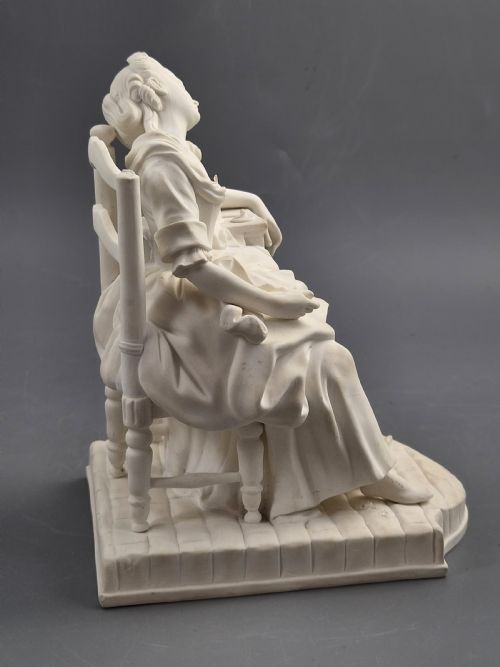
An antique parian figure represents the sculptural pinnacle of Victorian ceramic production, mimicking carved marble without the glaze. These pieces take the form of busts and sculptures, capturing historical subjects and classical themes with striking fidelity.
The version most commonly met on this page is the Victorian bust or sculpture, often dating from the late nineteenth century around eighteen ninety. Such works serve as enduring focal points for mantelpieces and display cabinets, prized for their matte finish.
How They Were Made
These figures are made from parian ware, a specialised type of unglazed porcelain developed in the nineteenth century to imitate white marble. The material requires precise slip-casting in multi-part moulds to capture intricate anatomical details and drapery.
Makers achieve the characteristic smooth texture by firing the porcelain at a lower temperature than standard biscuit ware, leaving the surface porous and marble-like.
Tchaikovsky stands silently in unglazed porcelain, waiting to conduct the room.
What Varies in Quality
Quality rests entirely on the crispness of the modelling and the subtlety of the surface finish. Finer examples retain sharp facial expressions and clear drapery folds without losing definition through worn moulds.
The prestige of the producing pottery also dictates the standing of the piece, with renowned firms achieving a superior translucency and purity in the porcelain body.
Robinson and Leadbeater·Minton
The Antique Parian Figure Glossary
- Parian ware
- A fine unglazed porcelain developed in Victorian Britain to imitate carved white marble. It contains a high proportion of feldspar which melts during firing to give a marble-like texture.
- Bust
- A sculpted representation of a person from the chest up. These pieces focus intensely on facial likeness and character.
- Slip-casting
- A manufacturing technique where liquid clay body is poured into a plaster mould. This allows the creation of complex sculptural shapes.
- Victorian
- The period of the reign of Queen Victoria, spanning the nineteenth century. Pieces from this era often lean towards classical revival styles.
Frequently Asked Questions
What is parian ware?
Parian ware is a type of unglazed porcelain designed specifically to imitate carved white marble. It gained immense popularity during the Victorian era for portrait busts and classical figures.
The material is named after Paros, a Greek island renowned for its fine white marble used in antiquity.
How do I clean an antique figure?
Cleaning requires dry methods because the unglazed surface is porous and absorbs moisture readily. A soft brush removes dust safely without harming the delicate matte finish.
Water and liquid cleaners should be avoided entirely to prevent staining the fine porcelain body.
Are these figures glazed?
These sculptures are left completely unglazed to replicate the exact look and tactile quality of carved marble. Glazing would create a glossy shine that defeats the intended aesthetic.
This lack of glaze gives the material its characteristic soft, stone-like appearance.
When were these pieces made?
The pieces recorded here date from the nineteenth century, specifically the Victorian period. Production of these ceramic sculptures peaked during this era of industrial and artistic innovation.
Dates generally range from the mid to late nineteenth century, reflecting the height of neoclassical revival tastes.