



Antique Original Watercolour
An antique original watercolour brings the hand of the past directly to the wall through pigment suspended on paper.
Antique Original Watercolour
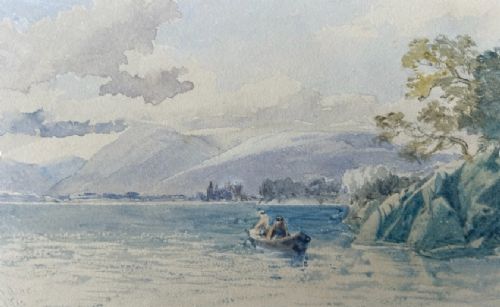
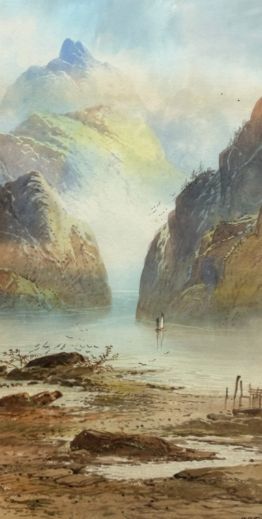
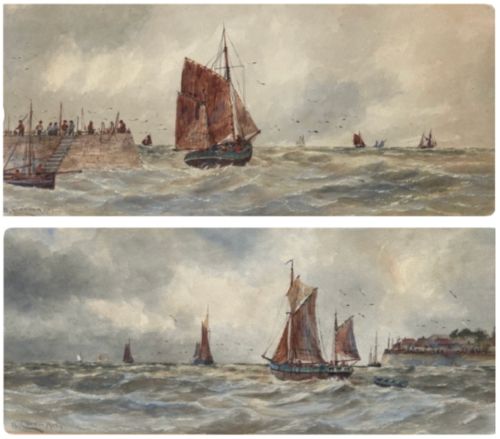
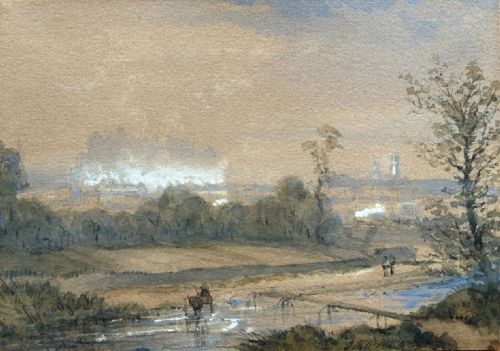
Collectors seeking an antique original watercolour encounter works on paper spanning from the eighteenth century through the mid twentieth century. The selection leans heavily towards nineteenth century and Edwardian British production, capturing landscapes, coastal scenes, and botanical studies.
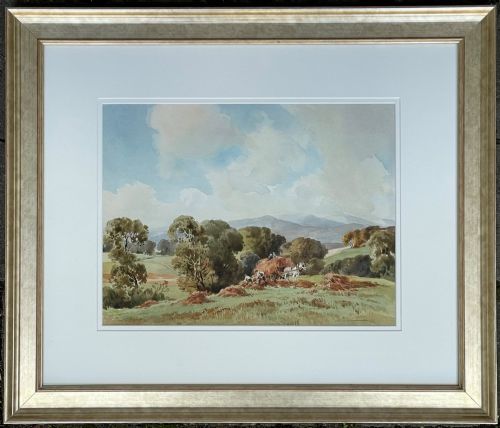
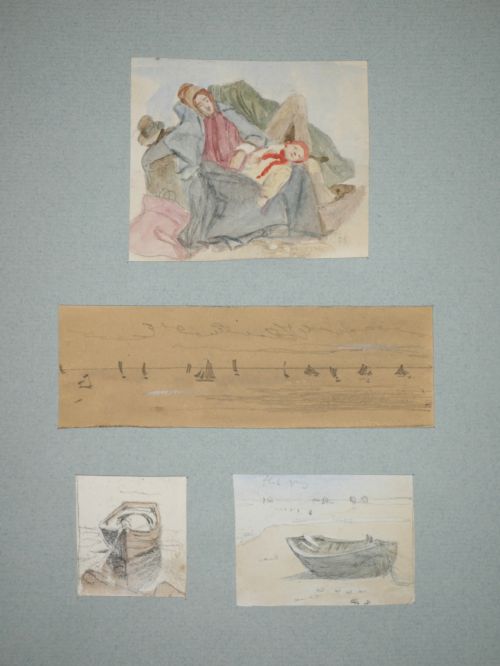
Surviving formats range from intimate botanical studies and sketchbook leaves to exhibition size framed watercolours and maritime views. Common subjects include Scottish and Welsh highlands, northern river valleys, and bustling historic street scenes.
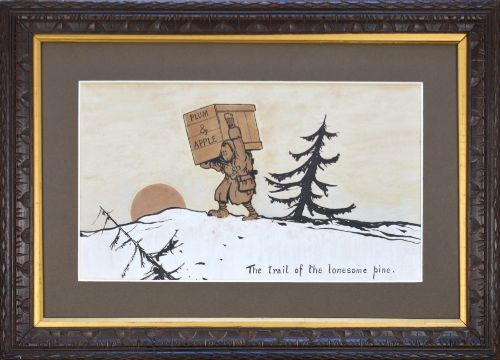
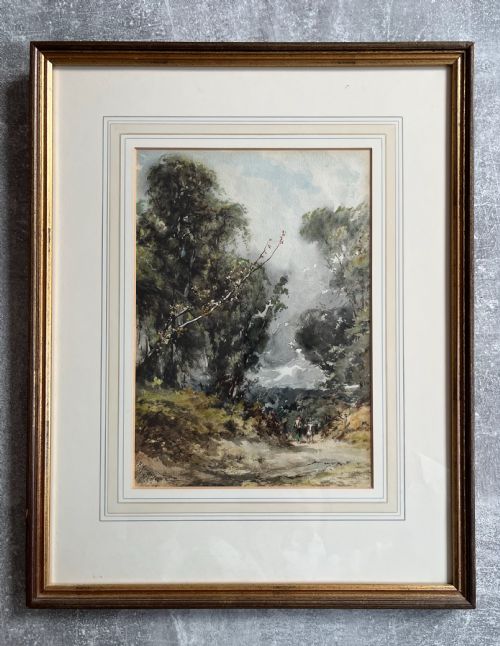
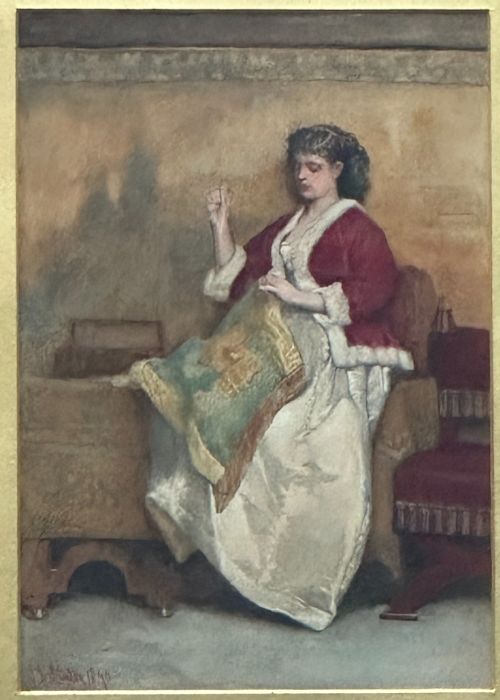
Many works retain their period wood or rosewood frames, often protected beneath glass alongside ink, graphite, and bodycolour accents. These pieces provide a direct window into historical topography and traditional painting methods.
How they were made
Artists applied watercolour pigment onto fibrous paper supports, frequently combining transparent washes with bodycolour, ink, and graphite details to build depth and contrast. Sketchbook studies record rapid plein air observations, while exhibition pieces involve controlled layering in studio settings.
Finished works found protection beneath glass within timber mouldings, ranging from simple period frames to decorative rosewood surrounds tailored to botanical subjects.
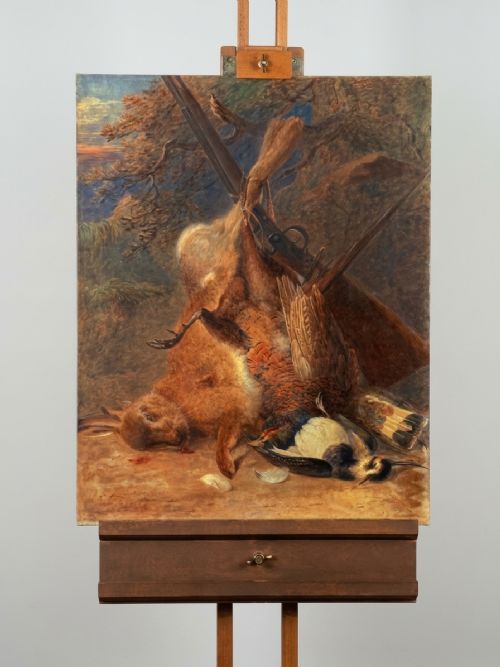
A royal messenger pigeon earned a silver jubilee win recorded in paint.
What varies in quality
Quality rests upon the sureness of the hand, the stability of the paper support, and the preservation of pigment vibrancy against fading from light exposure. Strong compositions display confident brushwork and precise atmospheric perspective rather than hesitant or formulaic marks.
The integrity of the original mounting and frame contributes to the preservation of the work, protecting the fragile paper surface from atmospheric damage and foxing over the decades.
George Sydney Shepherd·George Lorain Stampa·George Fotherly Hargitt·Thomas Miles Richardson Jnr·James Orrock·William Henry Earp·William Cannon·Sir James Dromgole Linton·John R Prentice·Thomas Ellison·Alfred Young Nutt·Henry Stacy Marks·James Smetham·John Hassall·King George V·A Mitchell·A Marie Parsons·John McDougal·EJ Letheren·James E Aitken·Charles Edward Dixon·William Banks Fortescue·Robert A Nottingham·William Joseph Boyes·Henry Silkstone Hopwood
The Antique Original Watercolour Glossary
- Watercolour
- A painting method where paint is made of pigments suspended in a water-based solution. The technique relies on the reflective quality of the white paper shining through translucent washes.
- Bodycolour
- Watercolour mixed with a white pigment to make it opaque. This allowed artists to add highlights and solid passages over transparent washes.
- Grisaille
- A painting executed entirely in shades of grey or neutral greyish-brown. Artists used this monochrome method for preliminary studies or finished tonal compositions.
- Foxing
- Small brownish spots caused by chemical reactions in the paper over time. It appears frequently on older works kept in damp conditions.
- Plein air
- The act of painting outdoors. This approach gained popularity as portable box sets allowed artists to work directly in the landscape.
Antique Original Watercolour: Frequently Asked Questions
How should I hang an antique watercolour?
Keep watercolours away from direct sunlight to prevent the pigments from fading permanently over time. UV-filtering glass and acid-free backing boards offer essential protection against environmental degradation.
Position pieces on interior walls where temperature and humidity remain relatively stable. Avoid hanging them near radiators or damp exterior walls.
What does bodycolour mean in a listing?
Bodycolour refers to watercolour paint mixed with a white pigment to create an opaque finish. Artists used this technique to add glowing highlights and solid details over transparent washes.
This method adds tactile depth and structural weight to specific areas of a composition. It appears frequently in nineteenth-century landscapes and animal studies.
Are these paintings always signed by the artist?
Many surviving watercolours bear signatures, monograms, or studio attributions, though a considerable number remain unsigned. Unsigned works often emerged from professional sketchbooks or amateur portfolios.
Attributions rely on stylistic comparisons, period handwriting, and historical framing clues. An unsigned sheet can possess equal artistic merit to a signed composition.
How do I identify a nineteenth-century sheet?
Nineteenth-century watercolours typically display heavyweight handmade or early machine-made paper watermarked with period dates. The palette often reflects contemporary romantic or naturalistic painting conventions.
Frame construction, backing boards, and handwritten inscriptions on the reverse frequently confirm the period origin. Victorian and Edwardian mounts also provide reliable chronological markers.