


Rural Landscape Wall Art
Rural landscape wall art captures the quiet beauty of fields, farms, and country pathways through historic paintings and watercolours.
Rural Landscape Wall Art
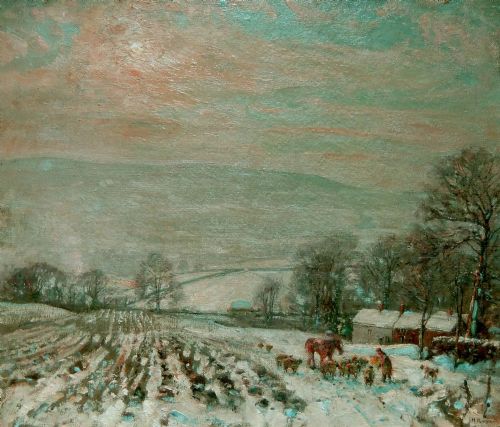
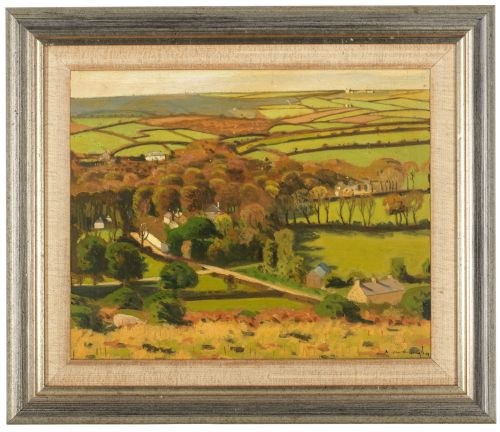
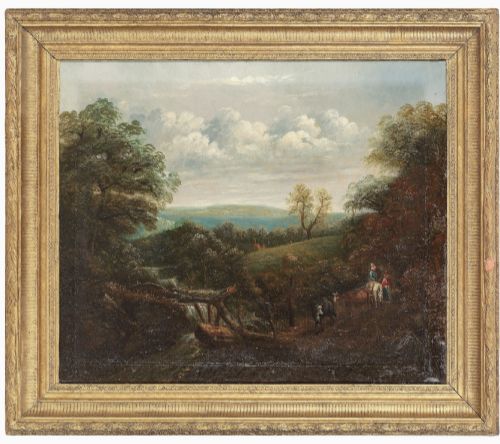
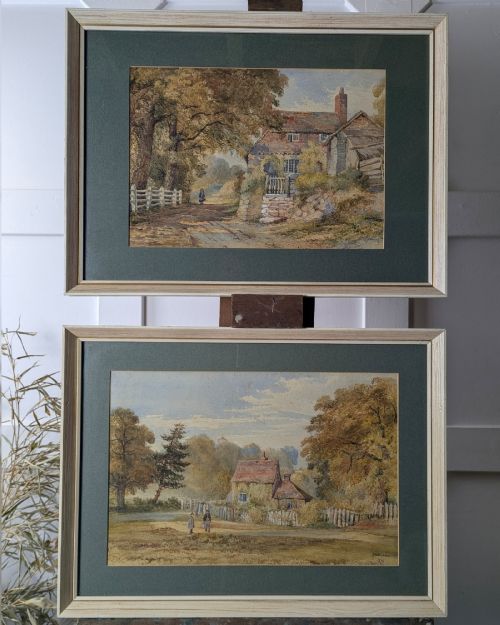
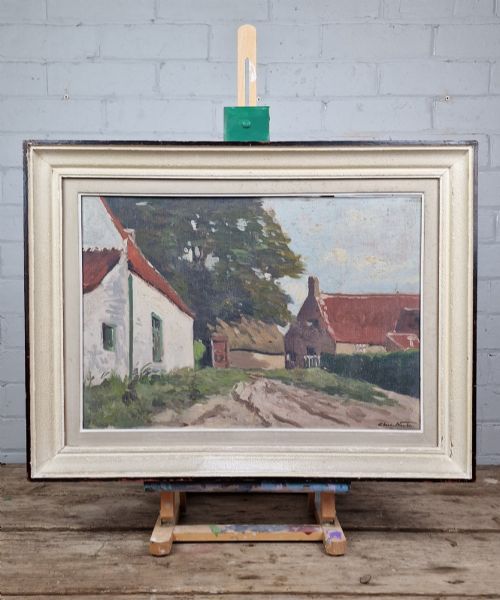
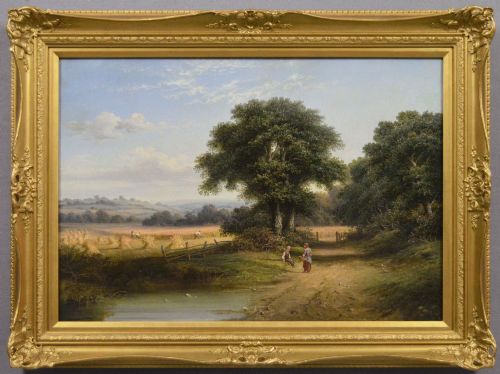
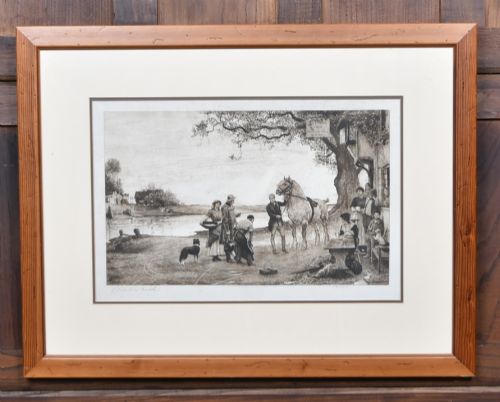
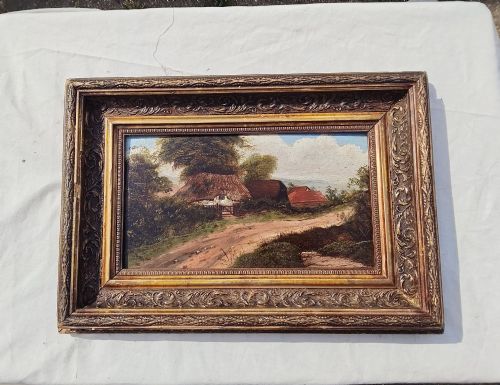
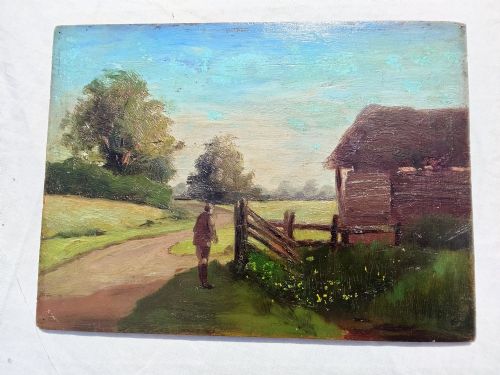
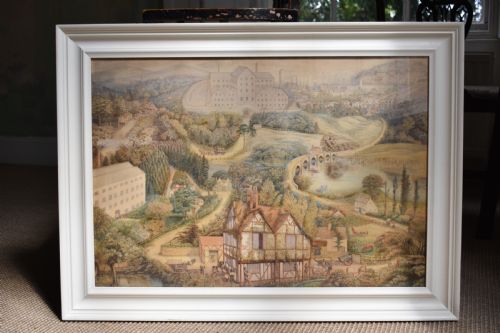
Rural landscape wall art encompasses oil paintings, watercolours, and etchings depicting country scenes, farming life, and pastoral views. These pieces span the nineteenth century through the mid twentieth century, covering Victorian, Edwardian, and impressionist styles.
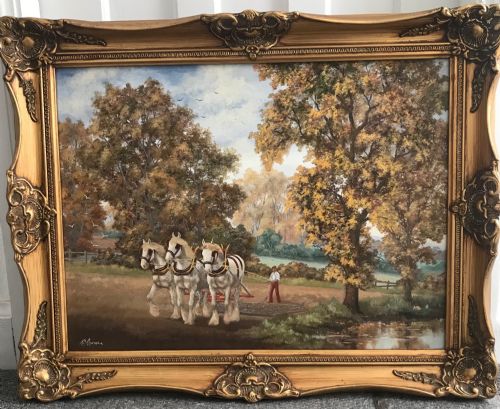
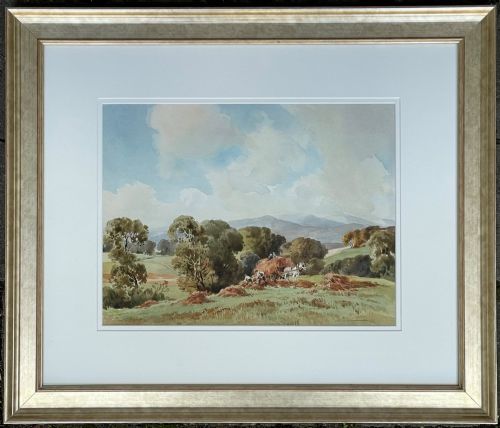
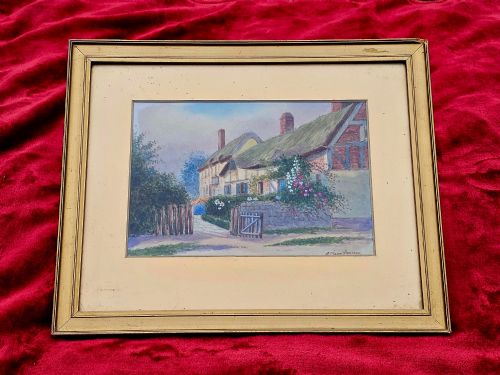
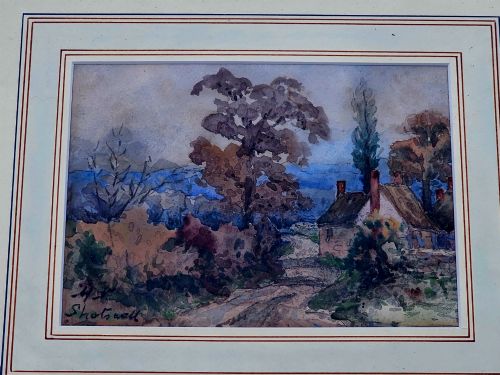
The selections feature framed artwork and fine art panels created by British and European artists. Common motifs involve harvested fields, farmyards, cottages, livestock, and working horses within traditional country settings.
Materials and techniques used
Artists painted primarily with oil on canvas, wood panels, board, and card, utilising rich oil paint to build texture. Watercolours on paper offer a lighter touch, often detailed with ink or gesso framing.
Support materials range from stretched canvas and wooden boards to heavy paper and card. Many works remain preserved in original gilt or wooden frames.
Rural Landscape Wall Art Retail Price Guide 2026
Typical asking prices for rural landscape wall art among the pieces listed under this phrase on Sellingantiques today, from the lower quarter to the upper quarter. They describe what is for sale here now, not the wider market.
Materials span oil on canvas, wood panels, watercolour on paper, and card, originating across the nineteenth and twentieth centuries.
Distinctions in quality
Quality rests in the handling of light, brushwork fluidity, and compositional balance. Masterly works capture atmospheric conditions and natural movement with distinct confidence.
Condition of the painted surface, preservation of the paper or canvas, and the integrity of the original framing contribute significantly to a piece's standing.
W Klombeck·Percy Lancaster·A Marie Parsons·Herbert Royle·Robert Morson Hughes·David Bates·Charles Houben·Walter Heath Williams·Robert W Macbeth·Raymond Booth·Frederick Walker·Ernest Higgins Rigg·John Bond·George Morland·Johannes de Haas·Sydney Yates Johnson·Owen Bowen·Charles Clair·Edgar Woollatt·Raimond Louis Lecourt·Henry Charles Fox·William Henry Mander·Thomas Sidney Cooper·William JB Jenkins
The Rural Landscape Wall Art Glossary
- Oil on Canvas
- Pigment mixed with drying oil applied to woven fabric stretched across a wooden frame. This method allows rich colour blending and textured brushwork.
- Watercolour
- Paint made from water-soluble pigments applied to paper. It yields translucent washes and delicate details.
- Wood Panel
- A rigid wooden support used instead of canvas for painting. These panels provide a smooth, stable surface often found in nineteenth-century works.
- Etching
- A printmaking technique where lines are incised into a metal plate with acid. Ink held in the grooves transfers to paper under pressure.
- Gesso
- A plaster mixture applied to surfaces as a base for painting or framing. It creates a smooth ground for gilding or fine detailing.
Rural Landscape Wall Art: Frequently Asked Questions
What periods do these pieces date from?
The works originate from the nineteenth and twentieth centuries, spanning Victorian, Edwardian, and later modernist movements.
Creators utilised traditional oil and watercolour techniques characteristic of British and European schools during those eras.
How should I hang watercolour paintings?
Watercolours require placement away from direct sunlight to prevent fading of the delicate pigments on paper.
Glazed framing protects the surface from atmospheric moisture and dust accumulation in domestic settings.
What subjects are most common?
Common subjects include farmyards, harvested fields, rivers, cottages, and livestock with working horses.
Artists focused on recording rural life, agricultural routines, and pastoral views across changing seasons.
Are the frames original to the artwork?
Many pieces retain their period frames, such as giltwood designs suited to Victorian and Edwardian aesthetics.
Framing style often matches the creation date of the painting, preserving the historic presentation.