

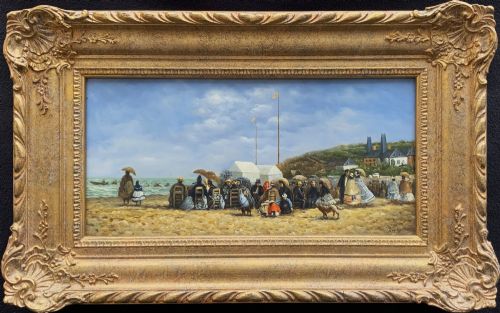

Framed Victorian Painting
These framed victorian painting pieces bring domestic narratives and historic portraiture into your rooms, offering direct contact with nineteenth-century visual culture.
Framed Victorian Painting
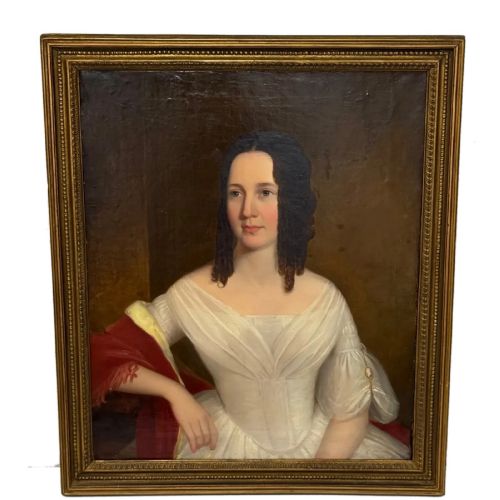
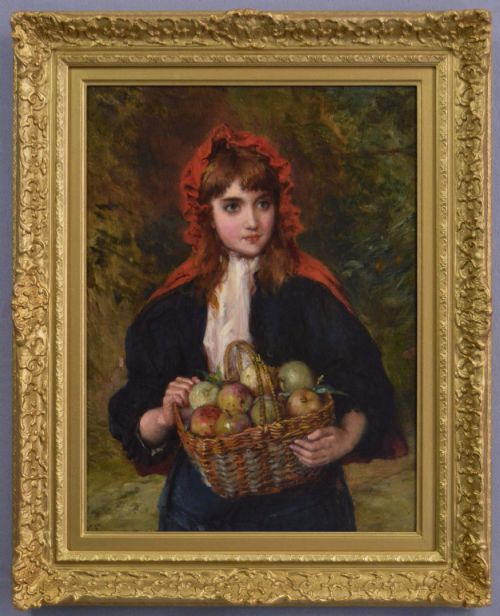
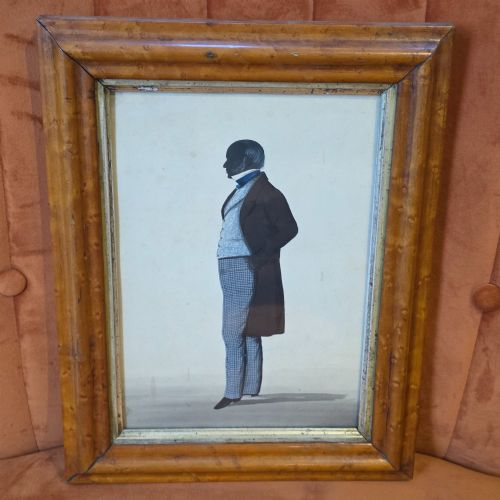
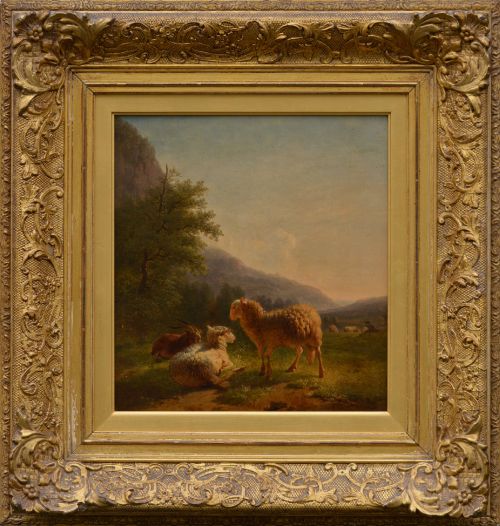
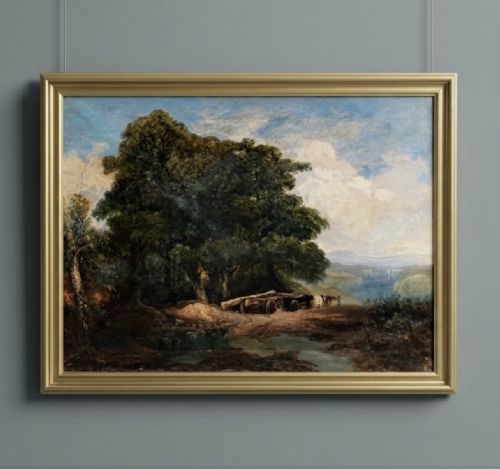
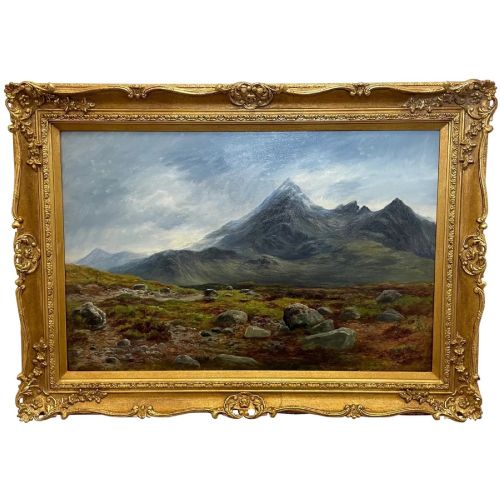
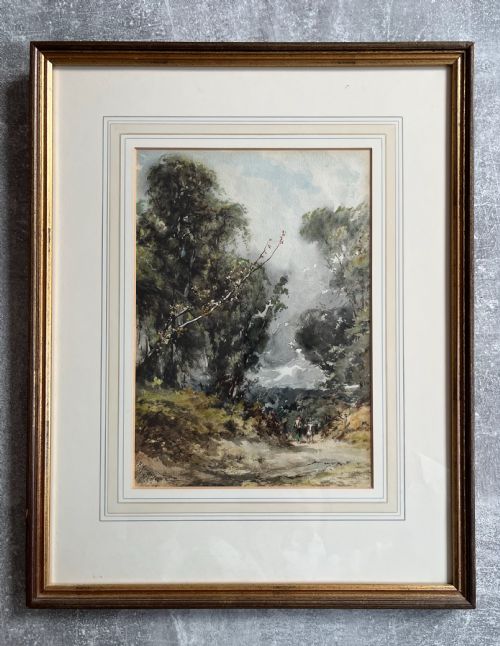
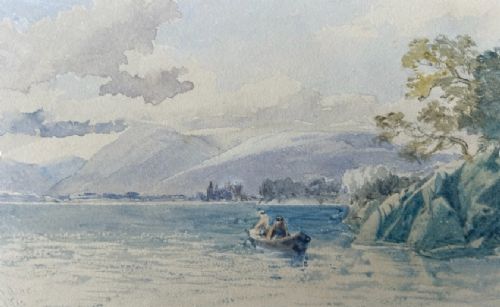
When you search for a framed victorian painting, you encounter original watercolours, oils, and gouache works preserved behind glass or within heavy wooden surrounds. These works capture genre scenes, literary subjects, and individual portraits created across the nineteenth century.
The selections on this page range from intimate watercolour studies of village life and daily domestic moments to detailed portraiture on panel, canvas, and paper. Many pieces arrive housed in their original gilt frames, occasionally featuring deep glazed box mounts with velvet linings.
Works span from mid-century portraiture through to late nineteenth-century genre watercolours and Edwardian compositions. The subjects reflect both elite commissions and broader contemporary interests in narrative realism and landscape.
Materials and Technique
Artists worked primarily in watercolour on paper or oil on canvas, with occasional pieces executed on panel, board, or gouache. Canvases were sometimes laid onto board to ensure stability over time.
Framing utilised wood finished with gold leaf, creating heavy gilded surrounds that complemented the finished artwork. Specialised presentations included deep glazed box mounts lined with velvet to accommodate three-dimensional or delicate portrait elements.
Retail Price Guide 2026
Typical UK retail prices for framed victorian painting, calculated from the Sellingantiques database of over a million retail prices indexed since 2003. This retail price guide relies exclusively on Sellingantiques data; no external sources or auction records are used, so the figures do not describe the wider market.
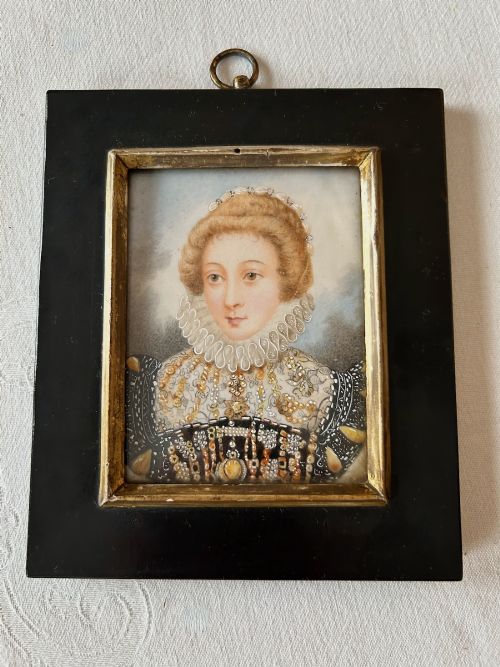
One portrait hides inside a deep box mount lined with velvet, guarding its subject like a tiny theatrical stage.
Gradations of Quality
Quality rests upon the artist's command of medium and composition, distinguishing ambitious narrative watercolours and accomplished oil portraits from standard decorative output. Finer examples display meticulous brushwork, expressive handling of light, and robust psychological depth in figure work.
The integrity and originality of the surrounding frame heavily influence the standing of a piece. Retaining the original gilt leaf wood moulding or specialised velvet-lined box mount preserves the historical completeness of the object.
John McDougal·James Hayllar·George Goodwin Kilburne·Charles Edward Wilson·Robert F Watson·A Collin
The Framed Victorian Painting Glossary
- Gilt Frame
- A wooden picture surround coated in gold leaf or gold paint. This technique added decorative weight and reflected candlelight in nineteenth-century interiors.
- Genre Painting
- Artwork depicting scenes from everyday life and ordinary people. These compositions often tell a domestic story or capture social interactions.
- Watercolour on Paper
- A painting method using water-soluble pigments applied to a paper support. This medium allowed artists to achieve delicate washes and transparent colour effects.
- Gouache
- An opaque water-based paint medium that provides solid colour and sharp highlights. It was frequently combined with watercolour in miniatures and detailed studies.
Frequently Asked Questions
How do I hang a heavy framed oil painting?
Ensure your wall fixings anchor directly into wall studs or utilise heavy-duty wall plugs rated for the weight of the wood and plaster.
Position the wire or cord securely across robust brass D-rings attached to the wooden frame backing to maintain level suspension.
Where should I place these paintings at home?
Select interior walls protected from direct sunlight and away from radiators to prevent the paper, canvas, and gold leaf from degrading.
Position works at eye level in rooms with stable ambient temperatures to preserve both the artwork and its original wooden frame.
What is a genre painting?
A genre painting depicts everyday subjects and narrative moments from ordinary life rather than formal historical or religious themes.
These works provide insight into nineteenth-century domestic habits, clothing, and social settings through detailed figurative storytelling.