

Antique Narrative Art
Antique narrative art brings historical, literary and domestic stories to life on canvas, paper and textile, offering collectors a window into past human experiences.
Antique Narrative Art
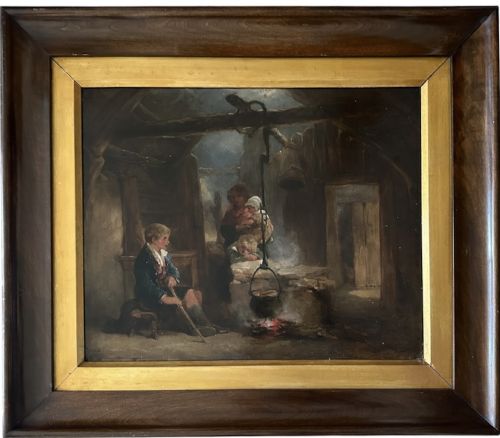
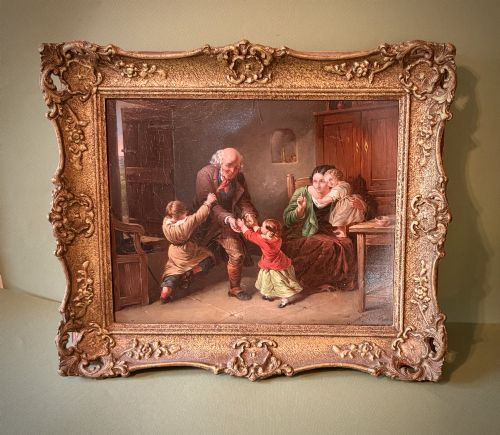
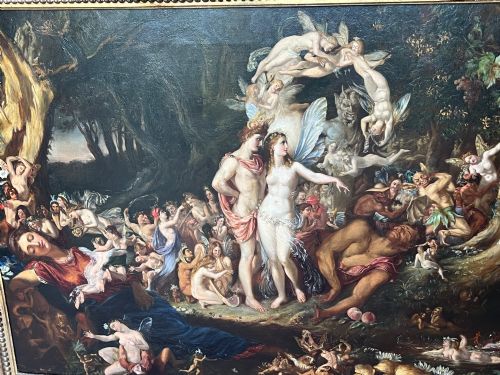
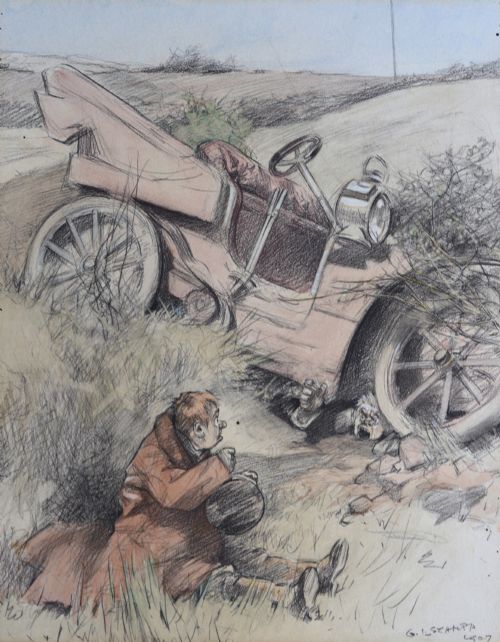
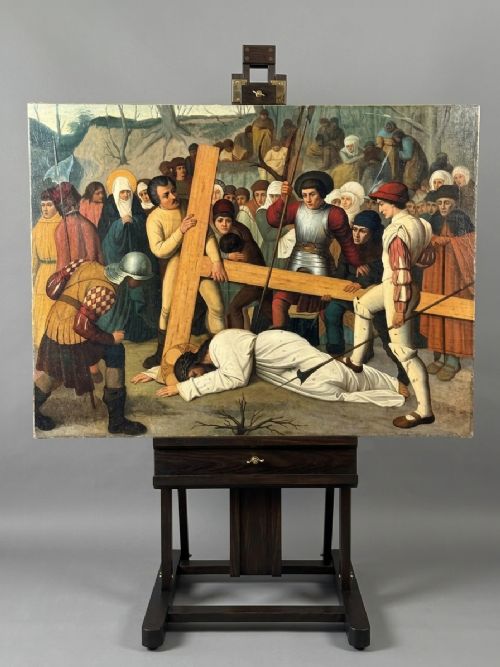
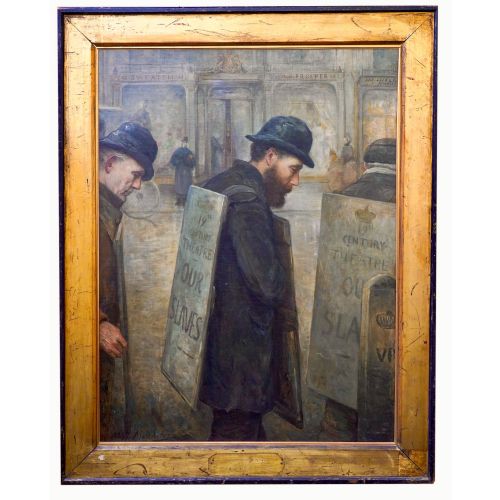
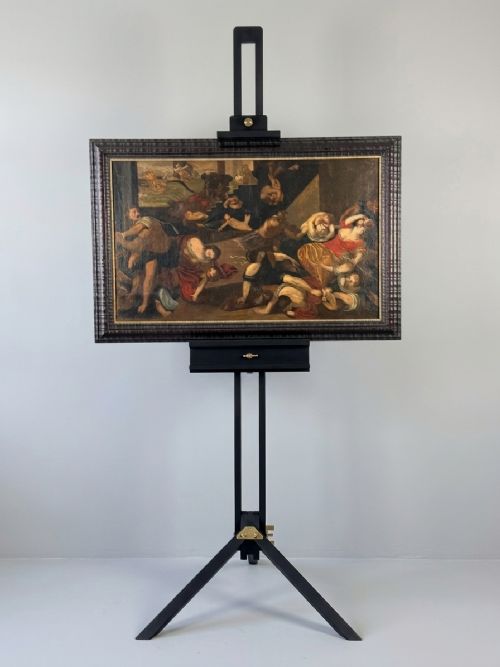
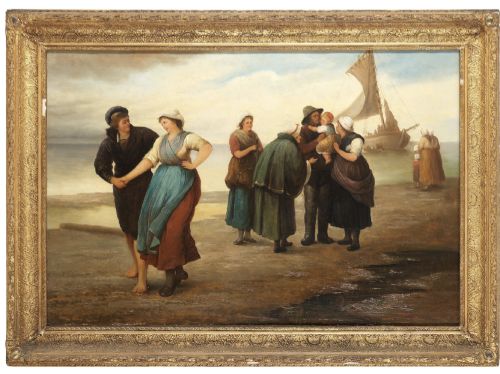
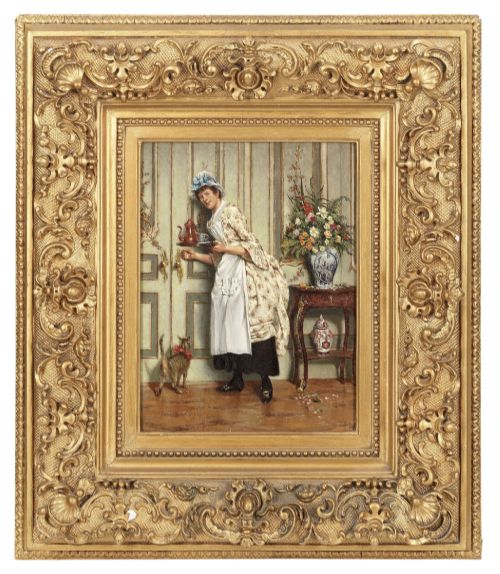
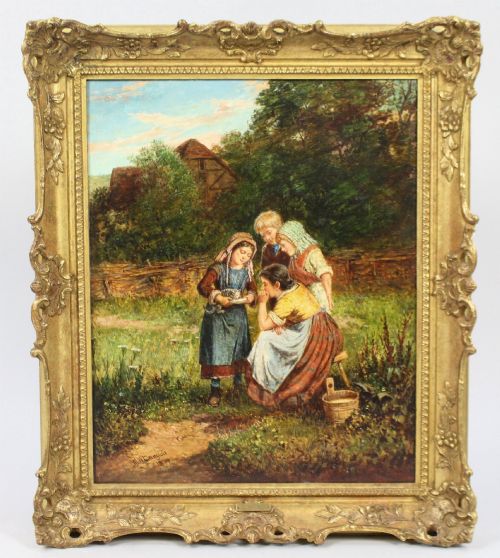
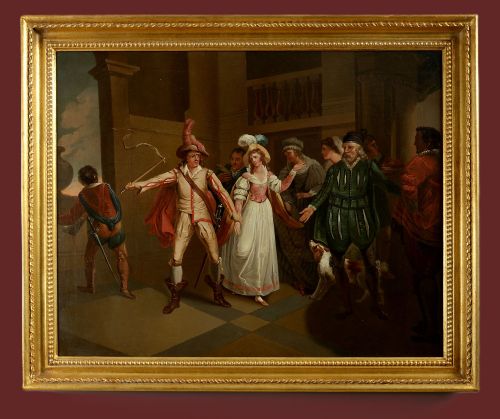
Antique narrative art encompasses paintings, watercolours, prints and textile works that tell a specific story, whether drawn from mythology, literature, religion or everyday domestic life. These pieces serve to communicate a clear plot or moral message through human figures, expressions and detailed settings.
The selections available here span from the eighteenth century through the Victorian and Edwardian eras into the early twentieth century. Buyers will frequently encounter nineteenth-century oil paintings on canvas alongside framed prints and watercolours depicting genre scenes, historical episodes and literary adaptations.
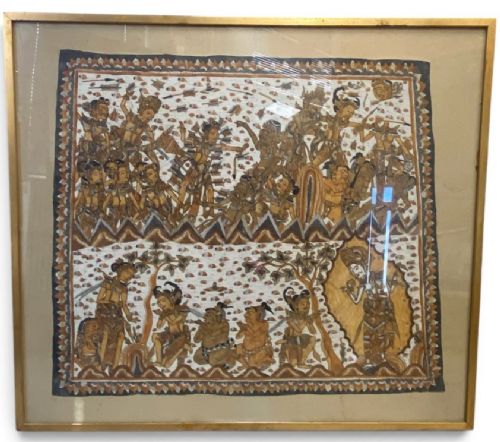
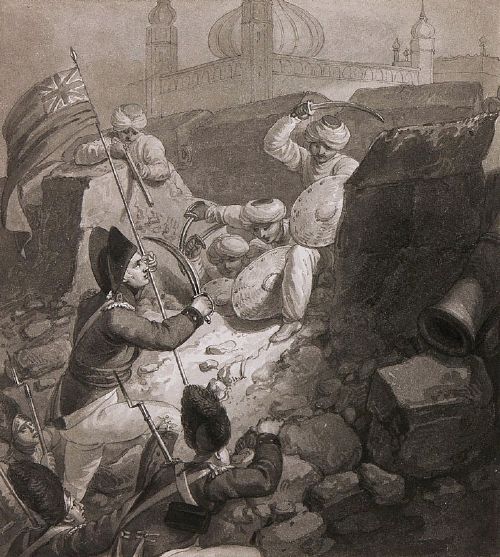
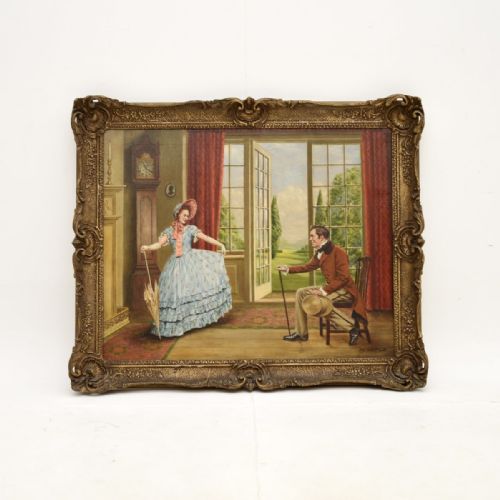
Originating from British, French, Irish and Scottish schools, as well as distinct textile traditions like Balinese Kamasan and Indian Kalamkari, these works reflect diverse cultural approaches to storytelling. Domestic interiors, mythological encounters and historical battles dominate the subject matter across the periods represented.
How they were made
Artists relied primarily on oil paint applied to canvas, wood panel or board to build up rich, layered compositions with depth and narrative detail. Watercolours on paper and pen-and-wash drawings provided lighter mediums for illustrative storytelling.
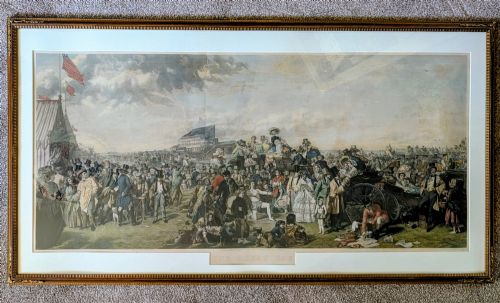
Printmakers utilised engraving and etching techniques, sometimes working after established painters to reproduce complex historical or satirical scenes for wider distribution. Textiles such as cotton and woven fabrics formed the base for traditional painted narrative cloths using natural pigments.
Framing played an integral role in presentation, with period surrounds like giltwood, gesso and Hogarth frames designed to complement the visual drama of the central artwork.
Materials represented include oil on canvas, paper, textiles, giltwood and gesso.
What varies in quality
Execution of the human figure and emotional resonance distinguish more accomplished works from simpler illustrative efforts. Masterful handling of facial expressions, posture and interaction between characters heightens the dramatic tension of the narrative.
The handling of light, shadow and interior detail within oil paintings and watercolours indicates the technical skill of the artist. Cohesive composition and the successful rendering of textures in clothing, architecture and furnishings elevate a piece within its period.
Sir Joseph Noel Paton·Felix Stone Moscheles·Stephen Samuel Lewin·Mark William Langlois·William Marshall Craig·Alfred Lyndon Grace·W D Almond·Howard Helmick·William Hogarth·Joseph H Barnes·Herbert Ashwin Budd·James Hamilton·Charles Hunt·Abraham Cooper·J C Dollman·Delapoer Downing·John A Monteith·James Hayllar·Harry Brooker·Byam Shaw·Thomas Hicks·William Arthur Breakspeare
The Antique Narrative Art Glossary
- Genre painting
- Art that depicts aspects of everyday life by portraying ordinary people occupied in common activities. These scenes often carry social commentary or gentle humour.
- Etching
- A printmaking process where lines are incised into a metal plate with acid before ink is applied and transferred to paper. This technique allows for fine, expressive detail in narrative prints.
- Gesso
- A plaster-like material applied to wood or canvas as a base for paint or moulded into decorative relief on antique frames. It provides a smooth surface for gilding and ornamentation.
- Kalamkari
- A traditional type of hand-painted or block-printed textile originating in India, often depicting epic Hindu stories. These works combine storytelling narrative with intricate textile craftsmanship.
- Provenance
- The documented history of ownership of an artwork, helping to establish its authenticity and origin. Knowing the lineage adds context to the piece's historical journey.
Antique Narrative Art: Frequently Asked Questions
What defines antique narrative art?
It refers to visual artworks that tell a distinct story, drawing from literature, history, religion or everyday social scenes rather than acting as pure portraits or landscapes.
These pieces use human figures and setting to communicate a specific narrative moment for the viewer to interpret.
How were these artworks displayed historically?
Such pieces were typically framed in period surrounds like giltwood or dark wood and hung prominently in domestic interiors to provoke conversation and reflection.
Larger oils and engravings often anchored the reception rooms of country houses and town residences alike.
How do I care for a narrative oil painting?
Keep paintings away from direct sunlight and dramatic fluctuations in temperature and humidity to protect the canvas and oil paint.
Dust the surface and frame gently with a soft, dry brush without applying liquid cleaners or pressure.
How can I tell a Victorian painting from an earlier work?
Victorian narrative works often lean towards intense moral storytelling, domestic realism or heightened emotional drama compared to the classical restraint of earlier periods.
Examining the materials, stretcher frames and any signatures or dates on the reverse helps confirm the era.