
Victorian Figurative Art
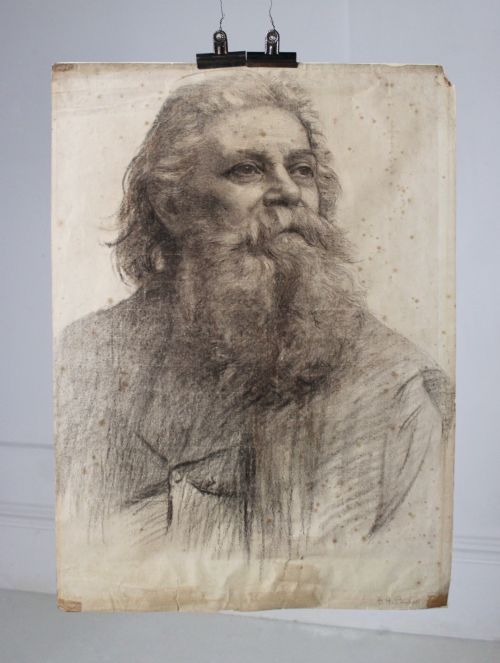
Victorian figurative art captures human stories through detailed portrayals of everyday life, intimate interiors and classical subjects.
Victorian Figurative Art
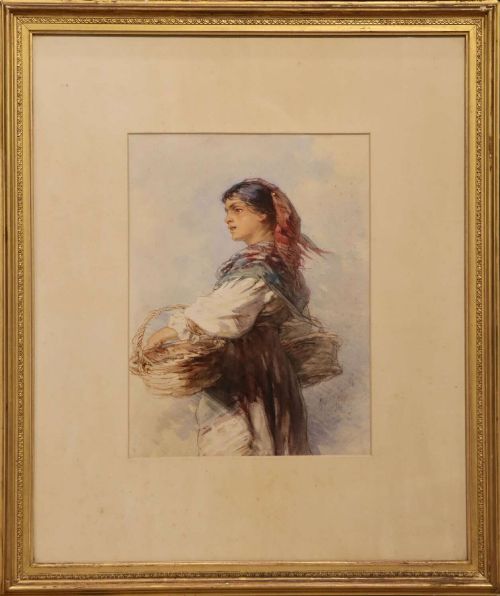
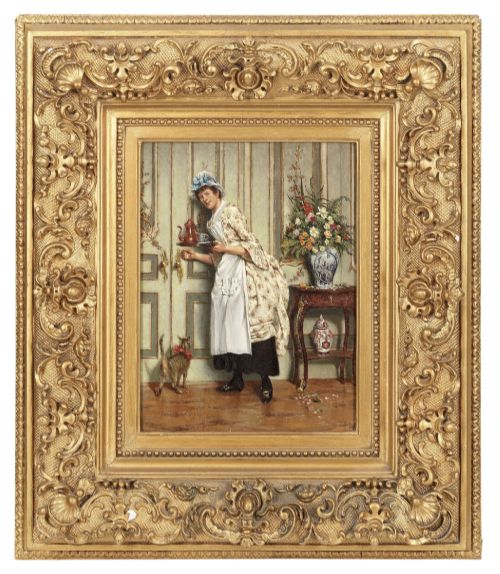
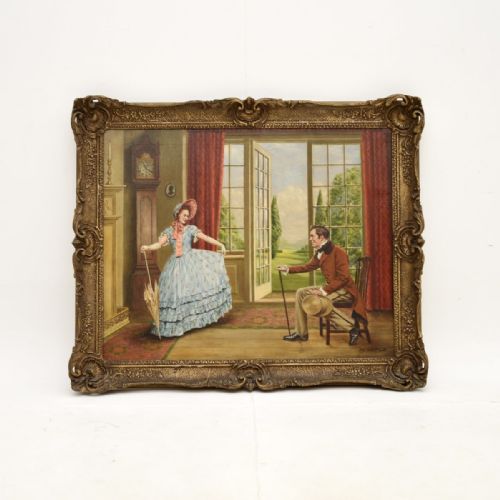
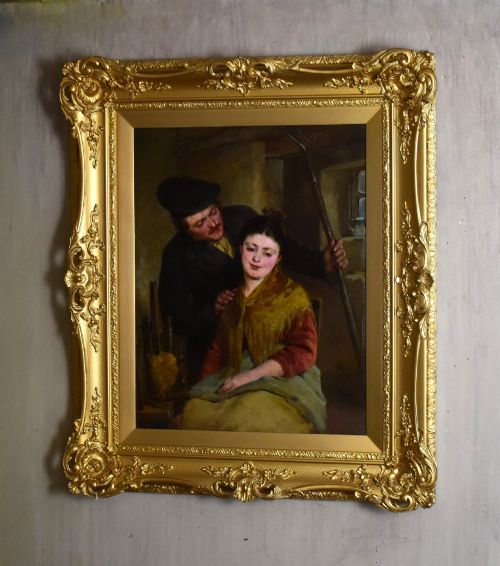
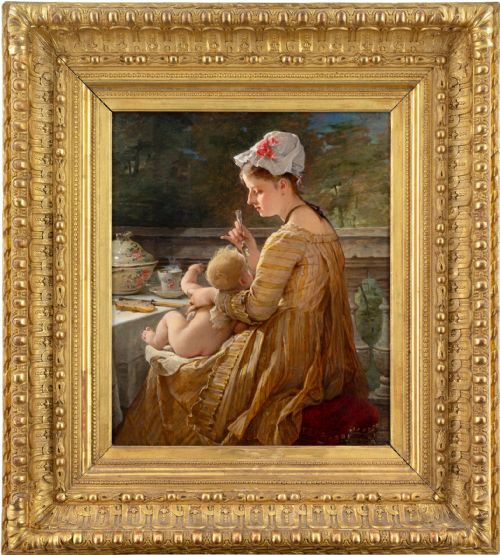
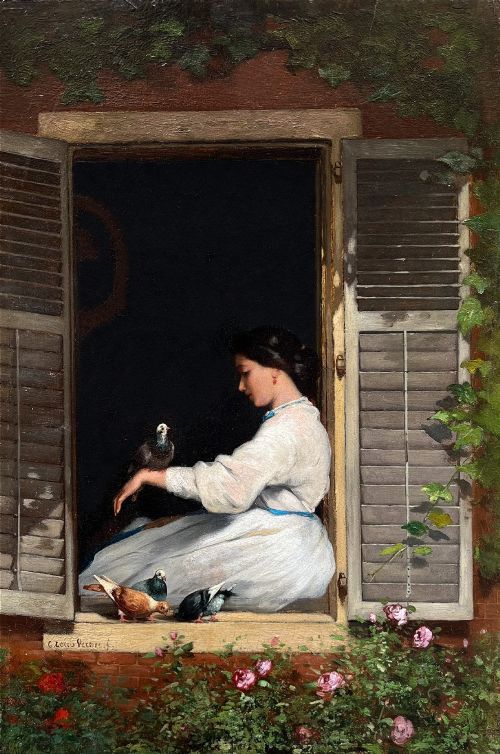
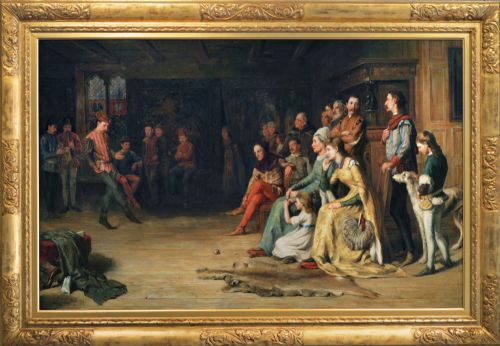
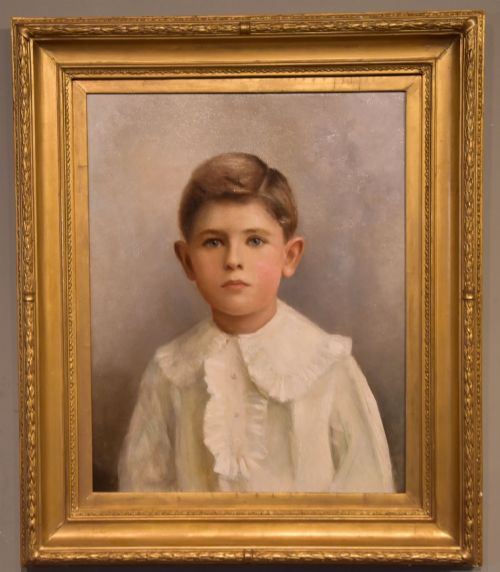
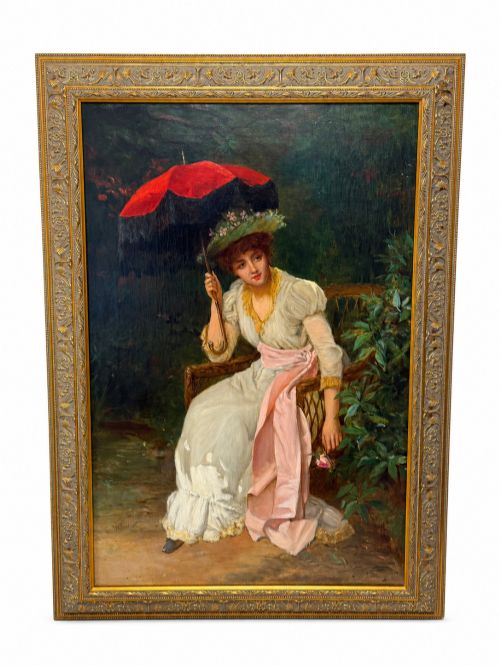
Victorian figurative art focuses primarily on human subjects, ranging from domestic scenes in country houses and rural cottages to portraits and narrative compositions.
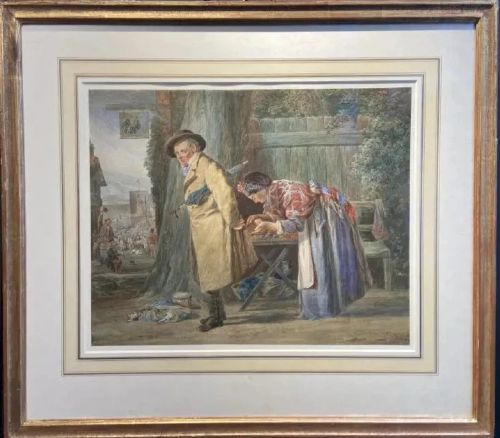
Buyers searching for victorian figurative art frequently encounter works executed in oil on canvas, alongside watercolours and panel paintings.
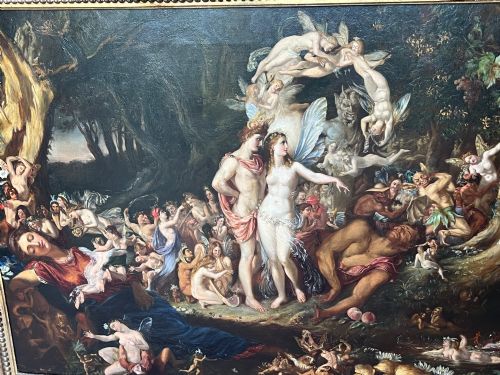
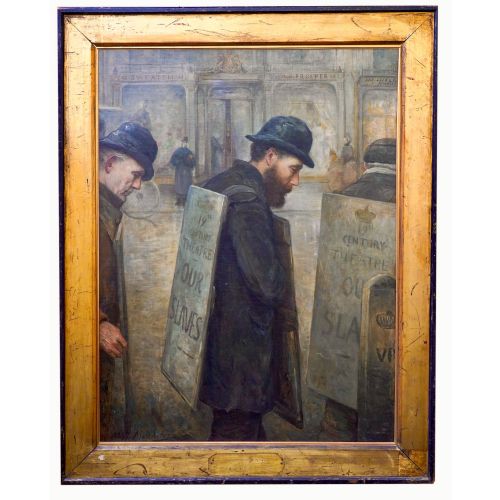
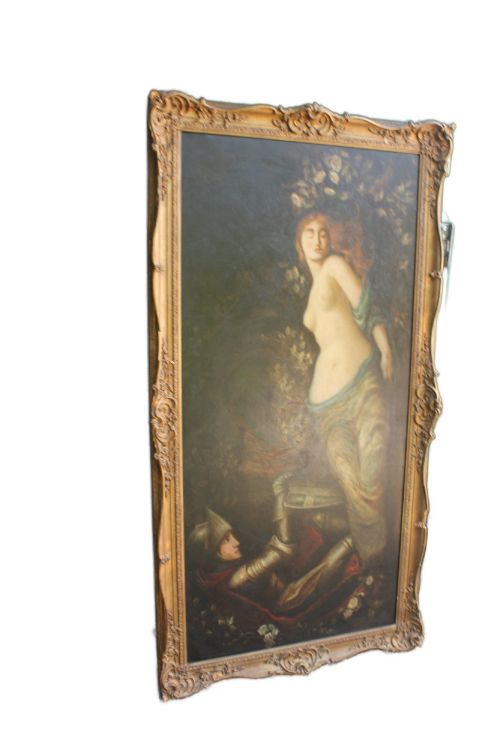
The selections span nineteenth-century academic styles, Pre-Raphaelite pieces and genre realism depicting children, labourers and domestic pursuits.
Materials and methods
Artists typically applied oil paint onto stretched canvas, prepared wood panels or zinc panels to achieve depth and lasting colour in their figures.
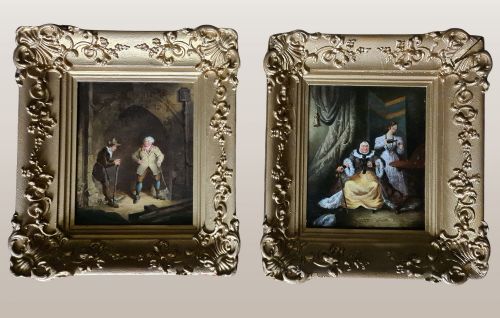
Many works incorporate ornate giltwood and gesso frames that complement the detailed brushwork of the nineteenth-century canvas compositions.
Chimney sweepers and nutcrackers occasionally share the stage with refined ladies and romantic literary heroes.
Distinguishing quality
Quality rests in the precision of facial expressions, the handling of drapery and the atmospheric lighting within interior or landscape settings.
Superior execution shows in the nuanced rendering of hands and textures, elevating simple domestic narratives into compelling historical records.
Guido Bach·Sir Joseph Noel Paton·Felix Stone Moscheles·Stephen Samuel Lewin·Alfred Lyndon Grace·Howard Helmick·Adelaïde Salles-Wagner·August Moreau·Joseph H Barnes·Louis Charles Verwee·James Hamilton·Henry Windsor Fry·William Oliver·Renato Moretti·Thomas Kent Pelham·James Hayllar·Charles Edward Wilson·Harry Brooker·Byam Shaw·Alexander Rosell·Philip Richard Morris·William Arthur Breakspeare·Charles Haigh Wood·Haynes King·James Kyd
The Victorian Figurative Art Glossary
- Genre painting
- Depiction of aspects of everyday life by portraying ordinary people engaged in common activities. These scenes often carry subtle moral or social narratives.
- Pre-Raphaelite
- A style associated with attention to detail, intense colours and complex literary or mythological themes. This movement rejected conventional academic rules.
- Giltwood
- Wood carved and then covered with a thin layer of gold leaf. It is commonly found on traditional nineteenth-century picture frames.
- Gesso
- A plaster-like mixture applied to canvas or wood panels to prepare a smooth surface for painting. It provides a stable foundation for oil pigments.
- Academic art
- A style of painting and sculpture produced under the influence of European academies of art. It follows strict classical standards of composition and finish.
Victorian Figurative Art: Frequently Asked Questions
What subjects appear in victorian figurative art?
These works feature people in various settings, from cottage interiors and pastoral landscapes to literary and historical scenes.
Artists documented domestic routines, children playing, labourers at work and formal portraits of individuals.
How do I identify a genre painting?
Genre paintings portray everyday scenes and ordinary people rather than grand historical events or formal portraits.
Look for narrative details such as domestic chores, market preparations or family gatherings within a room.
What is the Pre-Raphaelite style?
The Pre-Raphaelite style emphasises luminous colours, intricate detail and subjects drawn from poetry, legend or nature.
Works in this manner often present intense emotional expressions and symbolic elements within a realistic setting.
How should I care for an oil painting?
Keep paintings away from direct sunlight and dramatic shifts in temperature and humidity to protect the canvas and paint layers.
Dust the surface and the frame gently with a soft, dry brush without applying pressure to the pigment.