


Antique Shakespeare Portrait
An antique shakespeare portrait captures the literary icon in media from parian porcelain to oil paint, offering tangible history for your collection.
Antique Shakespeare Portrait
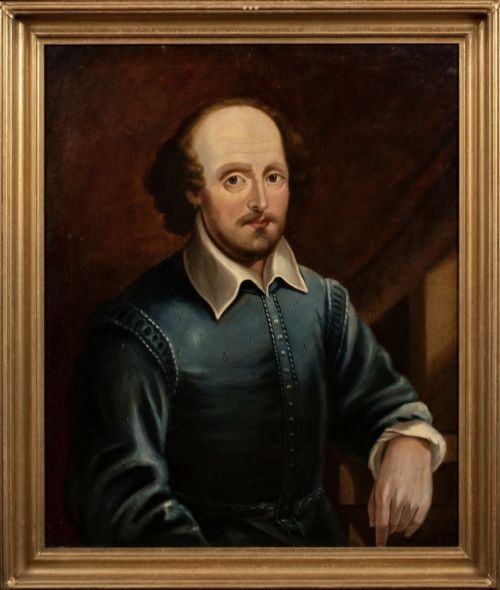
When you search for an antique shakespeare portrait, you encounter a remarkable variety of objects spanning several centuries of tribute and craftsmanship. These pieces range from substantial nineteenth-century oil paintings and cast metal plaques to intimate Georgian fob seal rings and snuff boxes.
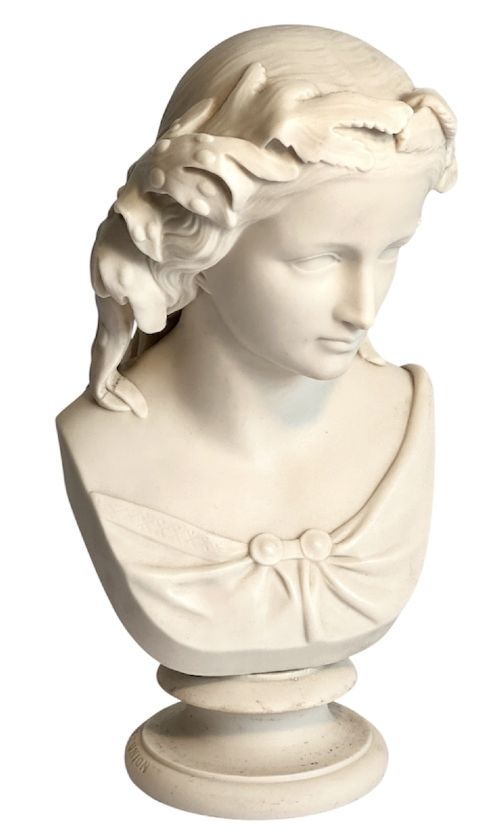
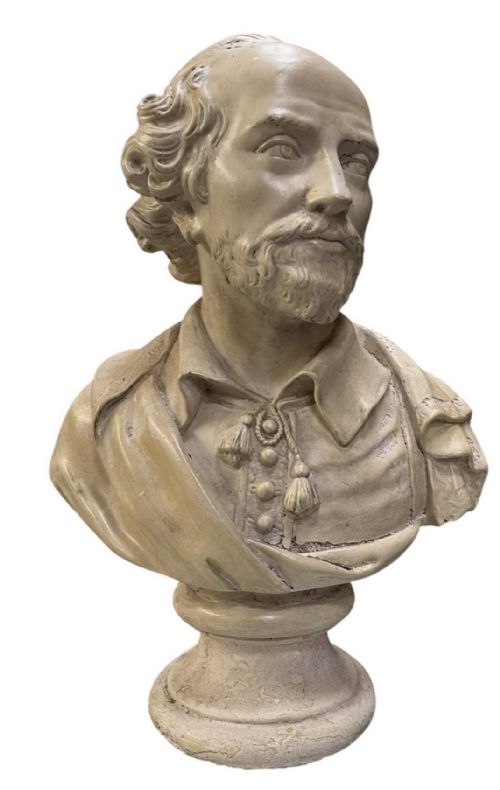
The nineteenth century dominates the offerings, producing numerous commemorative busts in parian porcelain, plaster, and Staffordshire pottery alongside decorative bookends and stained glass panels. Each format reflects the enduring nineteenth-century enthusiasm for the playwright, whether through grand artistic rendering or small personal items.
How they were made
Makers utilised traditional sculpting and casting techniques to produce three-dimensional tributes, working with materials such as cast iron, plaster, and parian porcelain. Busts frequently incorporated structural additions like black marble plinths, while larger wall plaques utilised heavy metal casting.
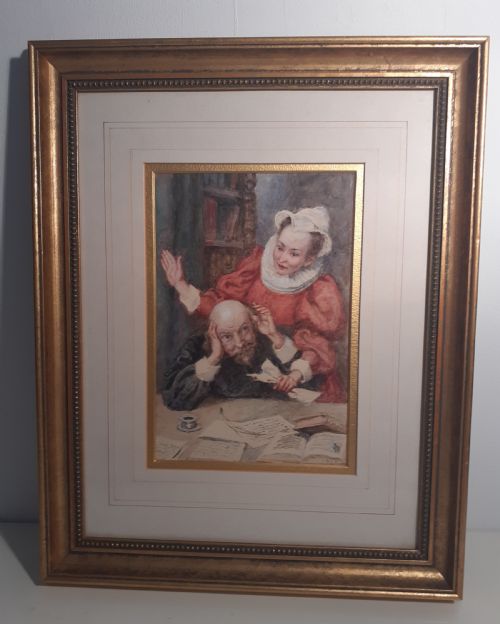
Flat works employed oil on canvas or watercolour on paper, capturing detailed portraiture framed by period aesthetics. Miniature items like the rock crystal fob seal demonstrate intricate intaglio carving, combining fine jewellery craftsmanship with portraiture.
Handel occasionally shares top billing with the playwright on a commemorative snuff box.
What varies in quality
The choice of medium and secondary materials also dictates the standing of a piece, with artist-signed oil paintings and signed plaster busts by known sculptors occupying the upper echelon. Finer items integrate superior mounting, such as heavy gilt framing or bespoke marble bases, enhancing their sculptural presence.
Thomas Spinks·Raffaelo Monti·Copeland
The Antique Shakespeare Portrait Glossary
- Parian Porcelain
- A fine biscuit porcelain developed in the nineteenth century to imitate marble, frequently utilised for classical busts and literary figures. It offers a smooth, matte finish that accentuates delicate sculptural detail.
- Intaglio
- A gem or stone carved with a design depressed below the surface, allowing it to produce a relief impression when pressed into wax. Rock crystal serves as a durable medium for this detailed miniature work.
- Fob Seal
- A small personal seal attached to a pocket watch ribbon or chain, often featuring a carved stone or metal base. They were utilised for stamping wax seals on correspondence.
- Snuff Box
- A small container designed to hold powdered tobacco, typically fitted with a hinged lid. Commemorative examples often featured portraits of notable cultural figures on the cover.
- Staffordshire Pottery
- Earthenware produced in the Staffordshire potteries of England, known for popular figures and chimney ornaments. These slip-cast or moulded pieces formed affordable domestic ornaments.
Antique Shakespeare Portrait: Frequently Asked Questions
What periods do these portraits come from?
The available evidence spans the Georgian era, the Victorian period, and the Art Deco style, with the nineteenth century heavily represented.
Items range from eighteenth-century Staffordshire pottery through to early twentieth-century metal bookends and intaglio rings.
What materials were used for these pieces?
Makers employed a diverse array of materials including oil on canvas, watercolour, cast metal, plaster, and parian porcelain.
More specialised items incorporate rock crystal, gilt elements, stained glass, and black marble plinths.
Are these items strictly paintings?
No, paintings represent only one facet of the available tributes, alongside watercolours and stained glass panels.
Three-dimensional forms are common, including portrait busts, heavy cast iron wall plaques, fob seals, snuff boxes, and bookends.
How can I identify a nineteenth-century piece?
Nineteenth-century items often reflect the era's intense revival of interest in the playwright through commemorative parian ware, plaster, and Staffordshire pottery.
Specific dates and signatures, such as those by Raffaelo Monti or Thomas Spinks, provide direct historical markers.