

Signed Edwardian Artwork
Signed edwardian artwork brings together authenticated period paintings, etchings, and drawings carrying the direct mark of their maker.
Signed Edwardian Artwork
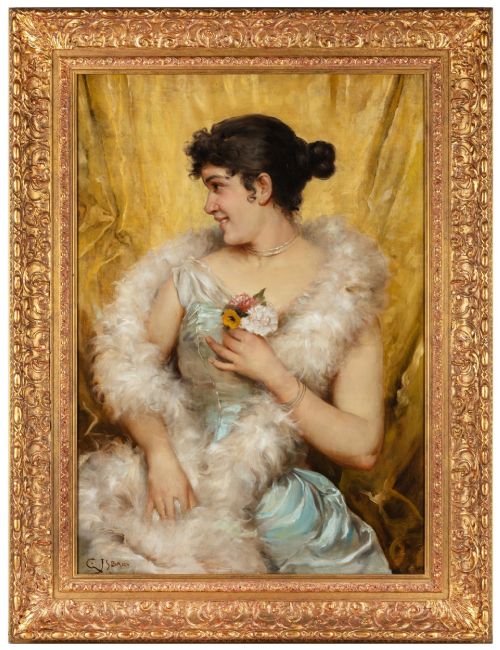
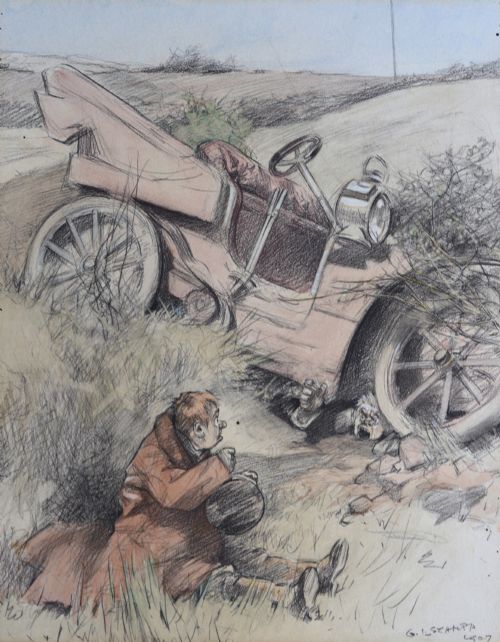
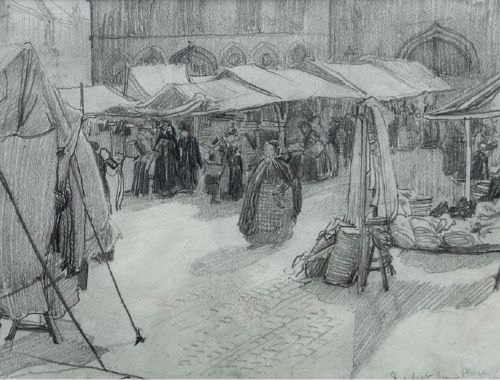
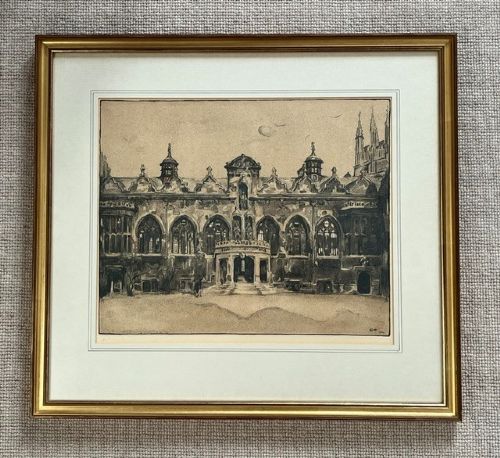
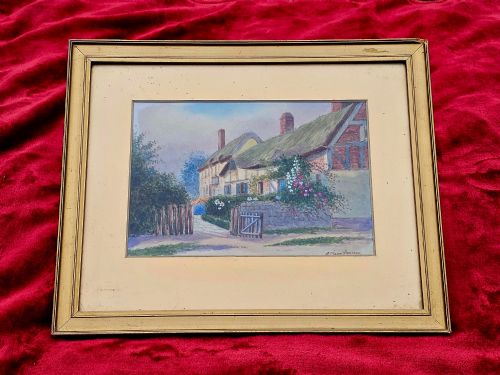
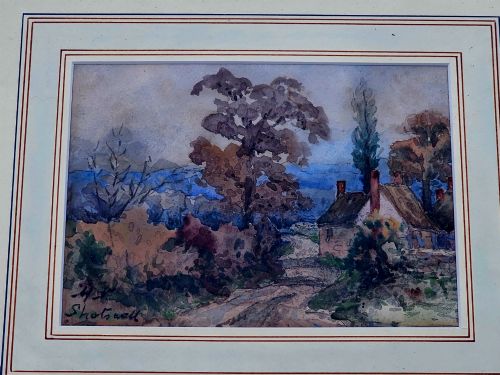
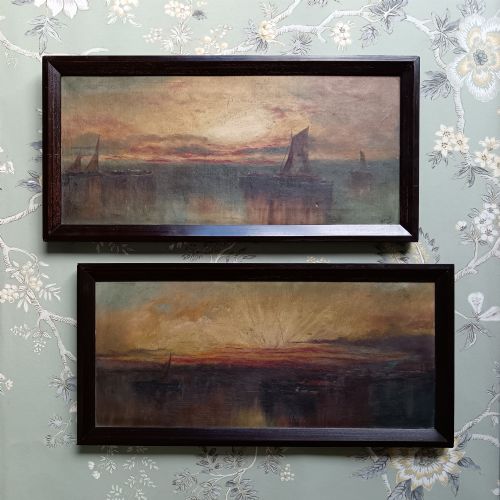
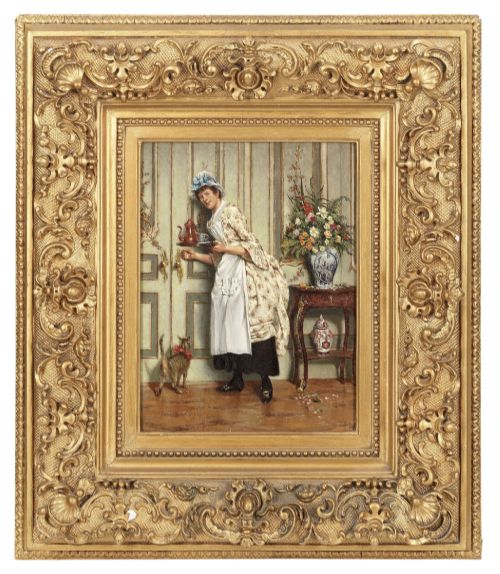
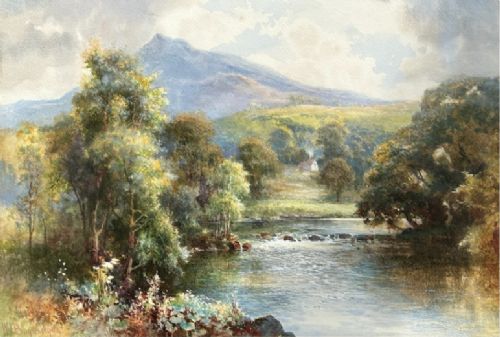
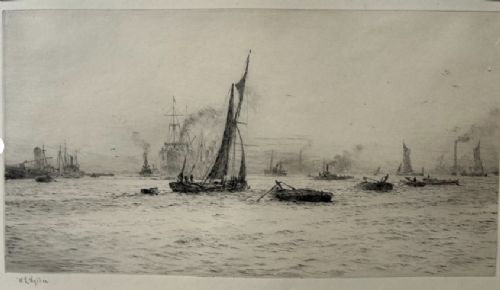
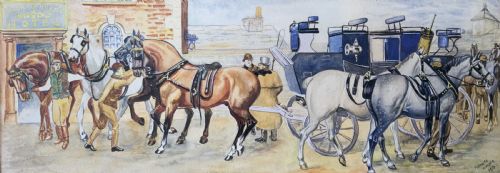
When you search for signed edwardian artwork, you examine original pieces carrying the autograph of painters and printmakers active around the turn of the twentieth century. The selection on this page centres heavily on watercolours and oil paintings on canvas or wood panel, alongside pencil drawings and limited edition etchings.
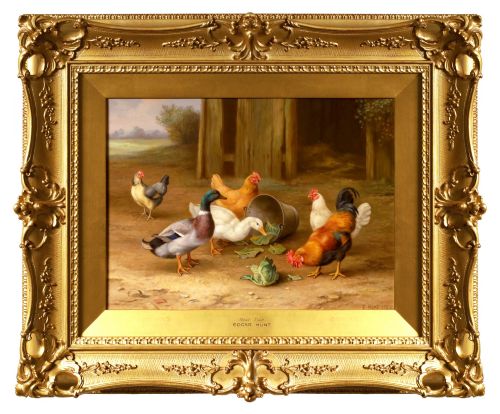
Most examples originate from the early decades of the nineteen hundreds, spanning the Edwardian era proper alongside adjacent Victorian and early twentieth-century periods. Subjects range widely from British landscapes and coastal scenes to maritime views, portraits, and domestic animal studies.
Materials and methods
Artists of this period worked primarily with watercolour on paper or oil on canvas and wood panel, applying pigment with confident brushwork characteristic of British impressionism and traditional genre painting. Etchings and mezzotint engravings were printed on paper or vellum, often annotated in pencil by the hand of the maker.
Framing frequently involved traditional wood mouldings and gold leaf finishes designed to complement the palette of the painting or the fine lines of the print.
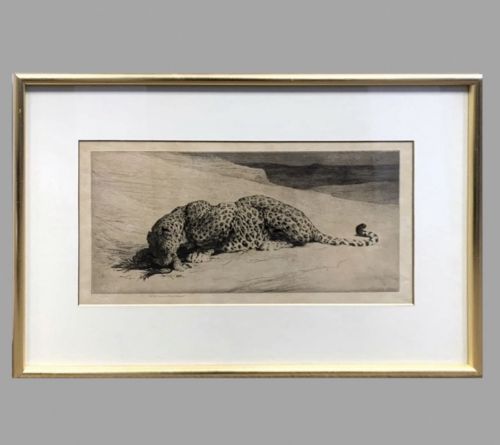
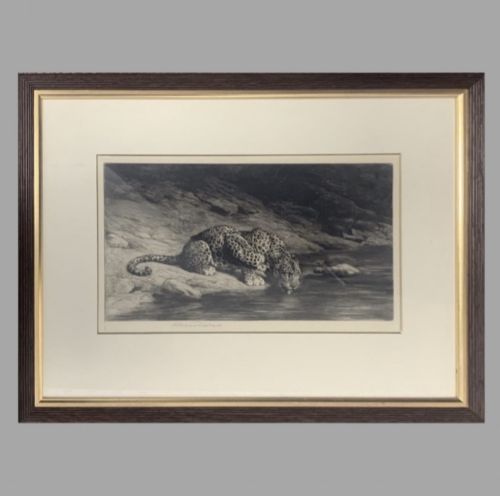
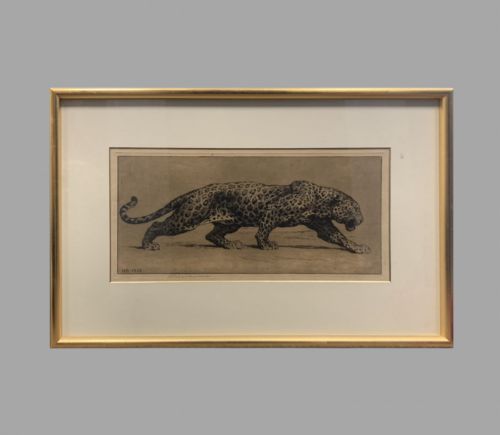
Leopards and jungle fowl share print space with serene river landscapes and gentle portraits.
Distinctions in quality
The distinction between standard examples and superior pieces rests upon the strength of the composition and the clarity of the maker's signature or artist proof notation. Works by recognised academicians and established exhibitors demonstrate a surer handling of light, particularly in landscape and marine subjects.
The preservation of the original surface, whether unblemished oil on canvas or well-preserved watercolour protected beneath glass, determines the overall integrity of the piece.
George Lorain Stampa·Sir William Nicholson·Stephen Samuel Lewin·William Joseph Boyes·Herbert Dicksee·William Lionel Wyllie·Edgar Hunt·Robert George Talbot Kelly·John Emms·Sir David Murray·Philip Henry Rideout
The Signed Edwardian Artwork Glossary
- Artist proof
- A trial impression print pulled off the plate for the creator to inspect before the main edition is printed. These bear the signature of the maker.
- Etching
- A printmaking technique where lines are bitten into a metal plate with acid before being inked and transferred to paper or vellum. This method produces fine, sharp detail.
- Mezzotint
- A tonal engraving method on copper where the plate is roughened to hold ink, allowing for rich darks and smooth gradations of light. It was frequently used for portraits.
- Vellum
- A fine parchment material prepared from calfskin, used in this period as a superior support for delicate etchings and special edition prints.
- Genre painting
- The depiction of subjects from everyday life, including domestic interiors, rural scenes, and animal studies, which formed a major part of early twentieth-century output.
Signed Edwardian Artwork: Frequently Asked Questions
What defines signed edwardian artwork?
These pieces comprise original paintings, drawings, and print editions created between the late nineteenth century and the onset of the First World War. Each item bears the physical signature or pencil inscription of the artist.
Subjects encompass traditional British landscapes, maritime scenes, portraits, and sporting studies executed in oil, watercolour, or etching.
How do I identify an artist proof?
Artist proofs typically display a signature in pencil beneath the printed image, often accompanied by notations distinguishing them from standard commercial editions. Creators kept these impressions to check the quality of the plate during the printing process.
They are valued for their direct association with the maker and often exhibit sharper impression details.
Are watercolours from this period fragile?
Works on paper require protection from direct sunlight to prevent the fading of delicate pigments used in Edwardian watercolours. Framing behind glass with appropriate mounts ensures the paper remains safe from atmospheric moisture and dust.
Keeping them away from damp environments preserves both the paper support and the accompanying ink signatures.
How should I hang oil paintings on wood panel?
Oil paintings on wood panels benefit from stable indoor wall environments where temperature and humidity fluctuations remain minimal. This prevents the wooden support from warping or stressing the dried oil paint layer.
Ensure the hanging wire and wall fixings adequately support the combined weight of the panel and its original frame.