





Antique Oriental Display Plate
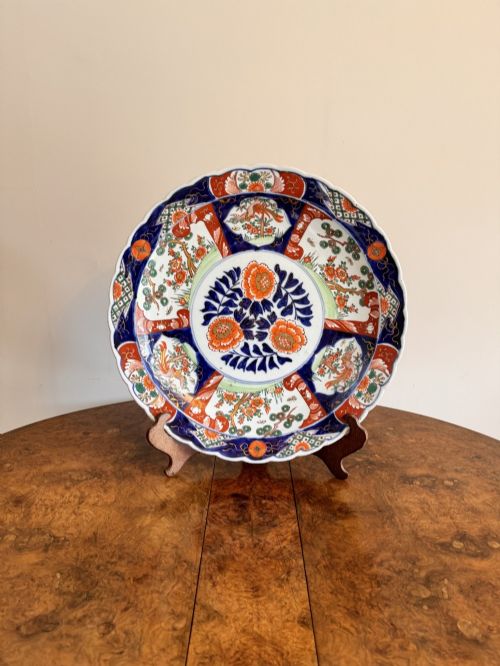
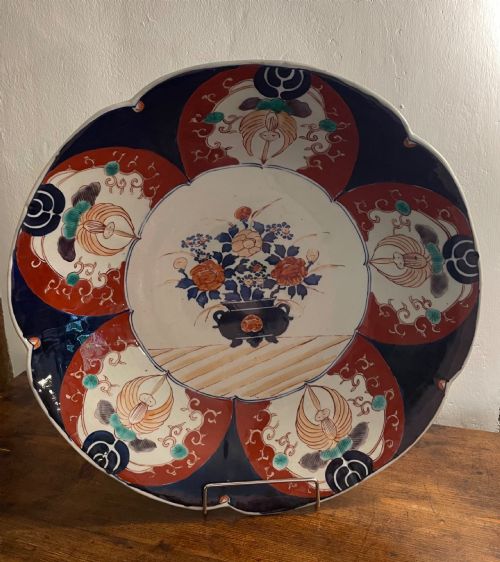
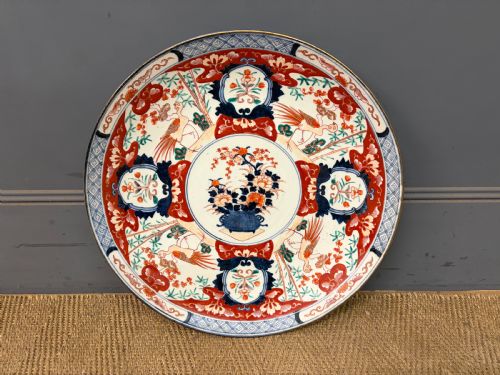
An antique oriental display plate brings hand-painted colour and intricate design from the nineteenth and early twentieth centuries directly to the wall or cabinet.
Antique Oriental Display Plate
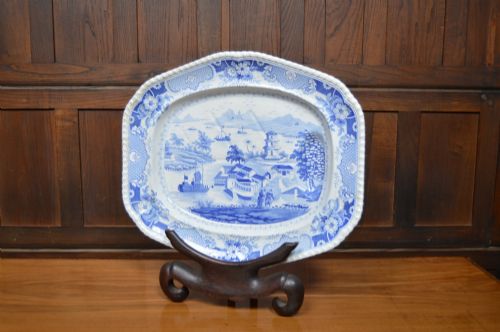
When you search for an antique oriental display plate, you encounter decorative plates, chargers, and dishes originating from Japanese and Chinese traditions. The selection spans the Meiji period, Qing dynasty, and Victorian eras, bringing together distinct regional aesthetics.
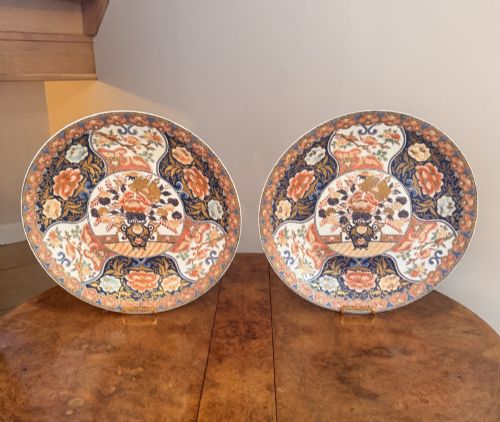
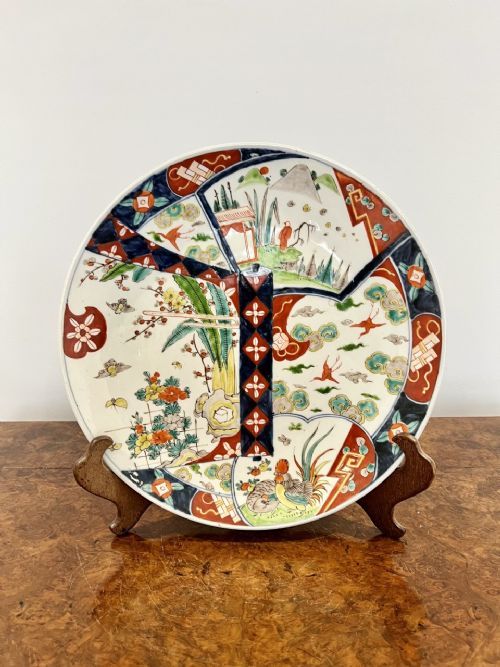
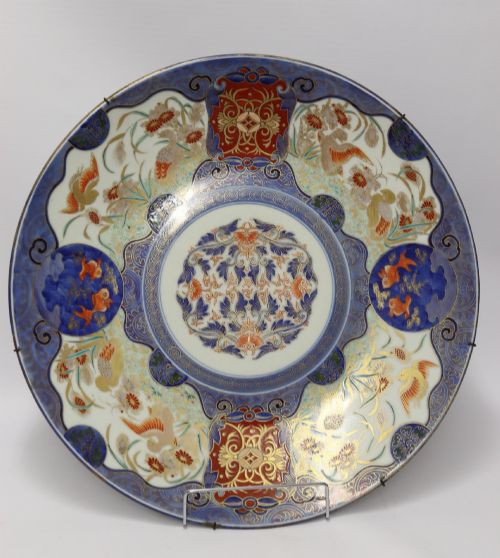
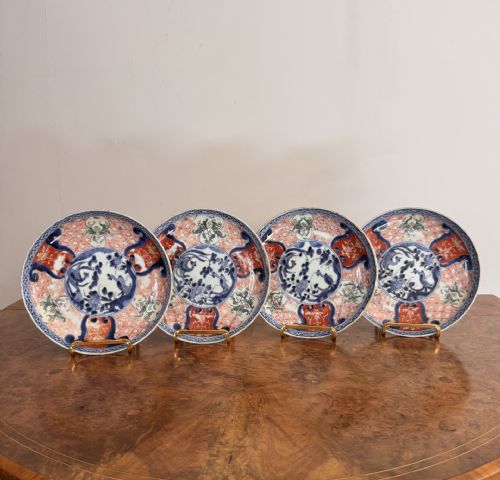
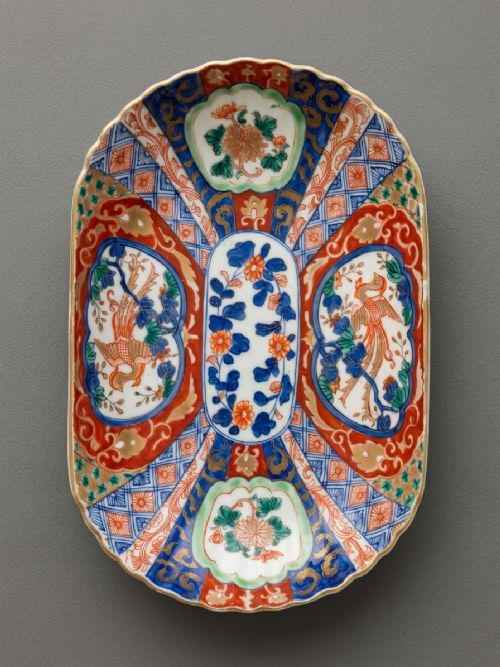
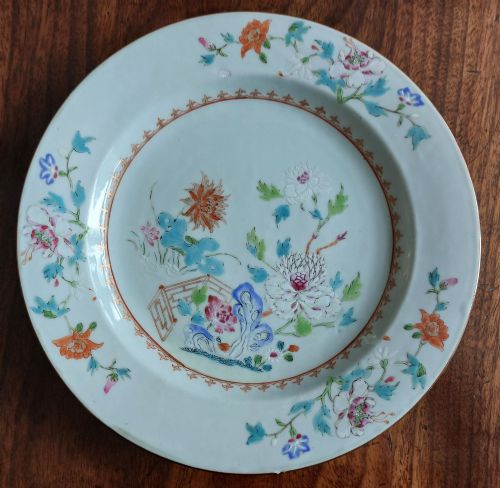
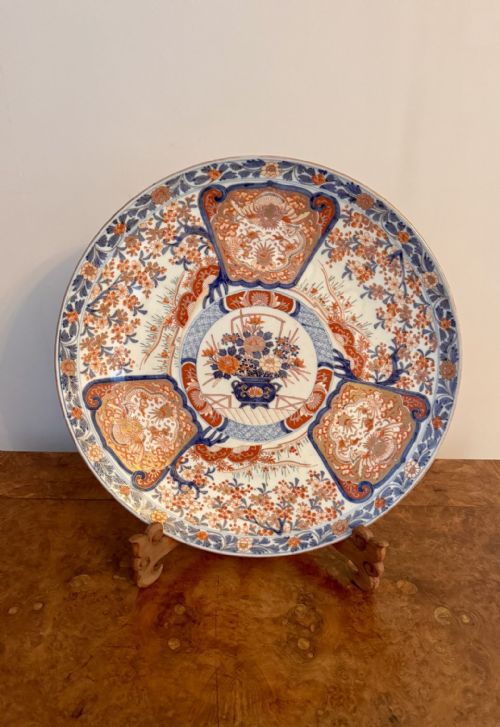
Japanese Imari ware and intricate cloisonné chargers dominate the selection, alongside Chinese blue and white porcelain and Canton Famille Verte dishes. These pieces include large chargers and smaller scalloped or square-shaped plates intended primarily for display rather than domestic service.
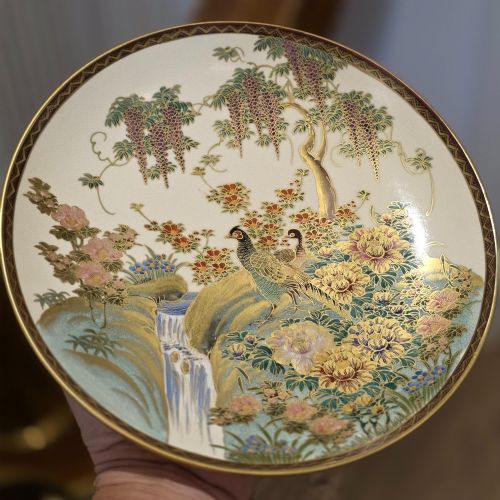
The assortment reaches from the mid-nineteenth century through to around nineteen-ten, capturing traditional motifs like dragons, exotic birds, and floral arrangements. Collectors find both single decorative plates and matched pairs showing varied geometric and natural forms.
How they were made
Potters and artisans utilised porcelain and earthenware as the primary foundation for these decorative plates, applying cobalt underglaze, enamel, and gold leaf for detailed surface decoration. Many pieces combine deep blue pigments with iron red and gilt highlights.
Cloisonné chargers employ copper or brass bodies with soldered wire cells filled with vitreous enamel, depicting subjects such as koi, owls, and chrysanthemums. Kiln firing fixed the colours and glazes, creating durable surfaces designed to catch the light.
Antique Oriental Display Plate Retail Price Guide 2026
Typical asking prices for oriental display plate among the pieces listed under this phrase on Sellingantiques today, from the lower quarter to the upper quarter. They describe what is for sale here now, not the wider market.
Listings feature porcelain, earthenware, copper, and brass as the main structural materials across the nineteenth and early twentieth centuries.
What varies in quality
The finesse of the hand-painted brushwork dictates visual success, separating brisk commercial output from deliberate studio creations. Masterpiece pieces demonstrate precise control over complex floral, avian, and figurative subjects.
Complexity of shape and depth of enamel work also differentiate the examples, from standard round dishes to hexagonal and square forms requiring advanced moulding skills.
Koshida
The Antique Oriental Display Plate Glossary
- Imari
- A style of Japanese porcelain featuring a palette of underglaze blue, iron red, and gold. The tradition originated in Arita and gained immense popularity across Europe during the nineteenth century.
- Cloisonne
- A decorative metalwork technique where fine wires form raised cells on a copper or brass body, which are then filled with coloured enamel before firing.
- Charger
- A large ornamental plate traditionally used for ceremonial display rather than dining. These pieces measure significantly larger than standard dinner plates.
- Famille Verte
- A Chinese porcelain palette dominated by green enamel hues, developed during the Qing dynasty and applied to dishes and serving platters.
- Meiji Period
- The era in Japanese history spanning from eighteen sixty-eight to nineteen twelve, noted for high-relief decoration and technical mastery in ceramics and metalwork.
Antique Oriental Display Plate: Frequently Asked Questions
How were antique oriental display plates used?
These pieces served primarily as decorative items for display in cabinets or mounted on walls, rather than for regular dining use. Their intricate designs and delicate enamel or gilt surfaces made them focal points in Victorian and Meiji interiors.
Larger chargers were often placed on sideboards or tables to showcase wealth and taste, while smaller plates formed matched pairs or sets for balanced room decoration.
What is the difference between Imari and cloisonné?
Imari pieces consist of porcelain decorated with cobalt underglaze, iron red, and gold leaf, fired in a kiln to fuse the pigments. They rely entirely on brushwork and ceramic glazing.
Cloisonné items use a metal body of copper or brass with soldered wire outlines that contain coloured enamel pastes. This technique creates a tangible, raised texture across the surface of the plate.
How do I identify a Meiji period plate?
Meiji period plates, produced between eighteen sixty-eight and nineteen twelve, often feature dense natural motifs like chrysanthemums, phoenixes, and Mount Fuji. The workmanship displays high technical precision in both porcelain painting and enamel work.
Many of these Japanese pieces also incorporate specific signature marks on the reverse or show the distinctive heavier copper bases found in cloisonné chargers from that era.
Can these plates be hung on walls?
Display plates of this era were frequently manufactured with mounting in mind, though period hanging methods vary. Modern wire hangers must be applied with care to avoid putting pressure on fragile edges.
It is advisable to check the rim depth and weight of chargers before mounting, ensuring the wall fixing securely supports porcelain or heavy metal enamel pieces.