

Antique Oriental Box
An antique oriental box brings craftsmanship and history to a room, offering practical storage for small treasures or standing alone as a sculptural focal point.
Antique Oriental Box
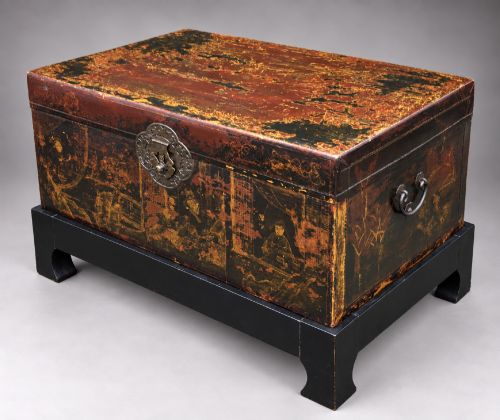
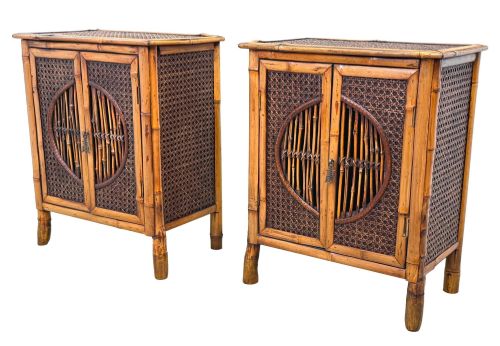
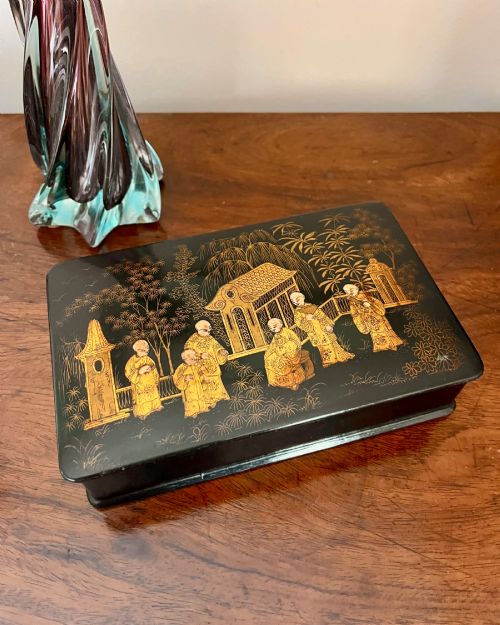
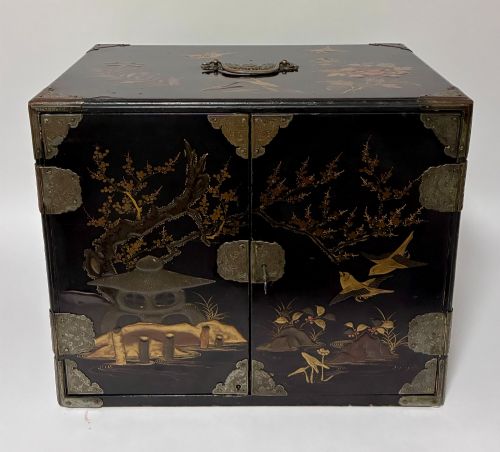
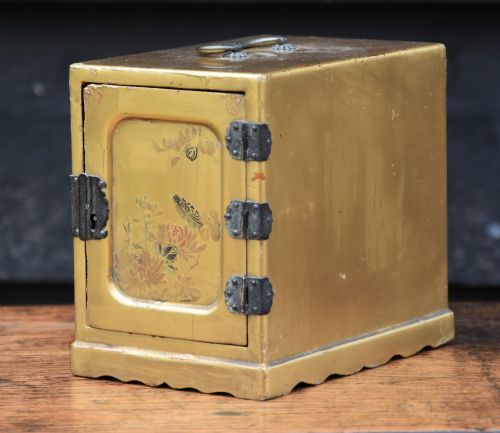
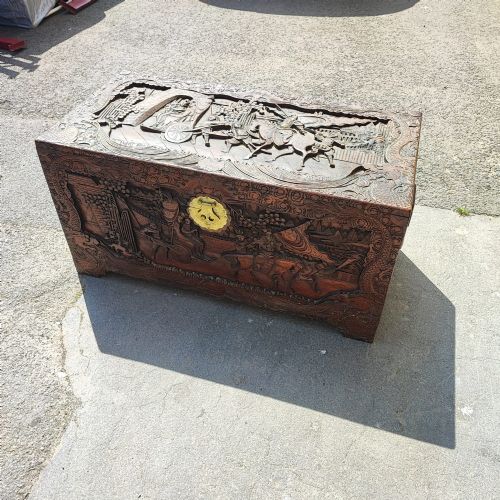
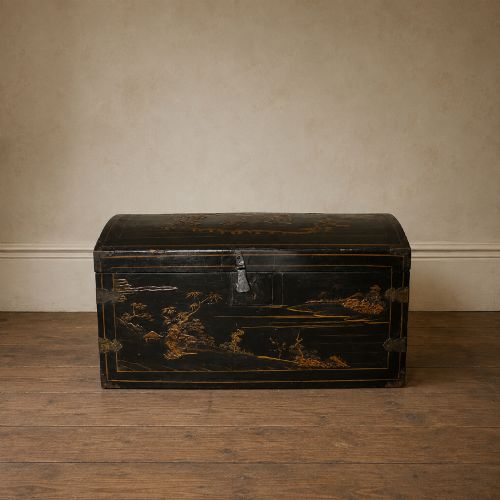
When you search for an antique oriental box, you encounter a diverse array of vessels shaped by distinct regional traditions spanning the eighteenth, nineteenth, and early twentieth centuries. These objects range from compact tea caddies, writing boxes, and jewellery cases to substantial camphor wood trunks and lacquered table cabinets.
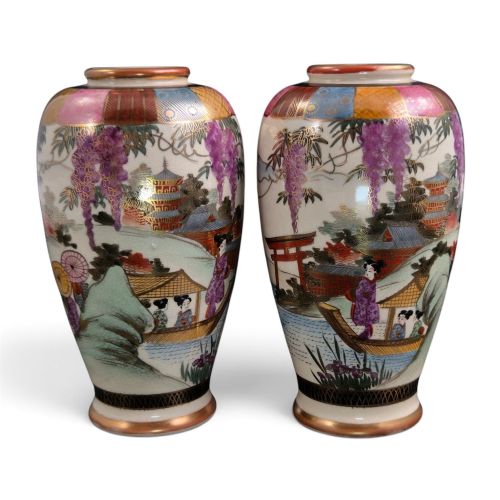
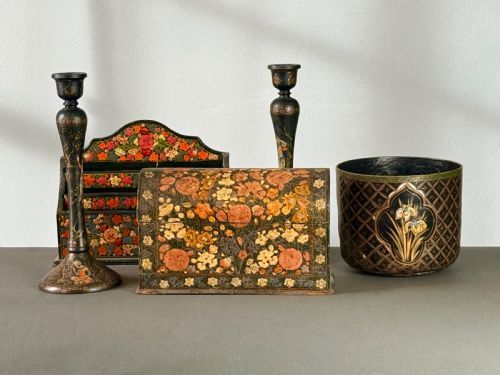
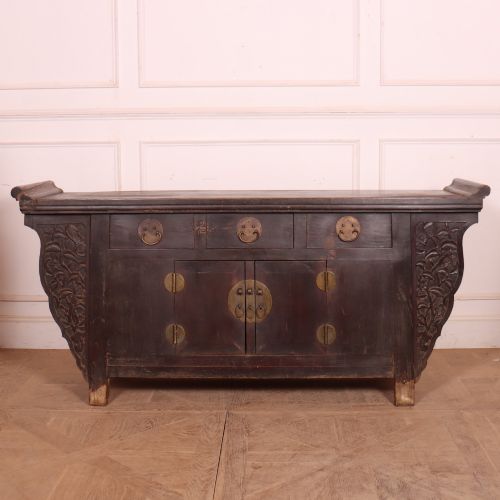
The pieces on this page frequently originate from Chinese export workshops, Japanese Meiji period studios, and various trading hubs across the East and Near East. Lacquered surfaces, carved camphor wood, and delicate metal accents dominate the forms, reflecting both utilitarian storage and decorative arts.
How they were made
Wood serves as the foundational material for the vast majority of these pieces, with fragrant camphor wood and dense hardwoods utilised for durability and insect resistance. Craftsmen often lined these interiors carefully or constructed sturdy frames designed to withstand long maritime journeys.
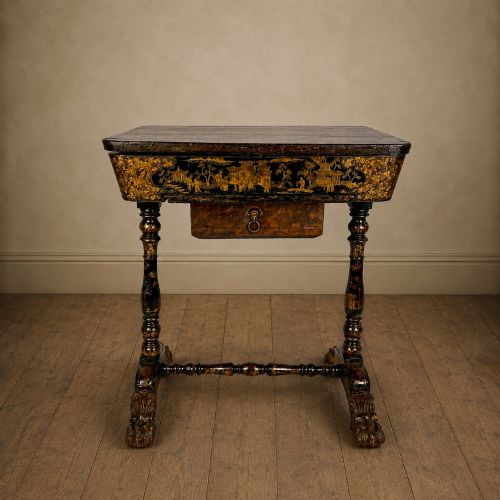
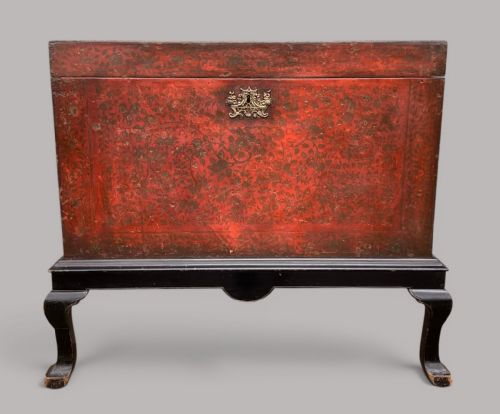
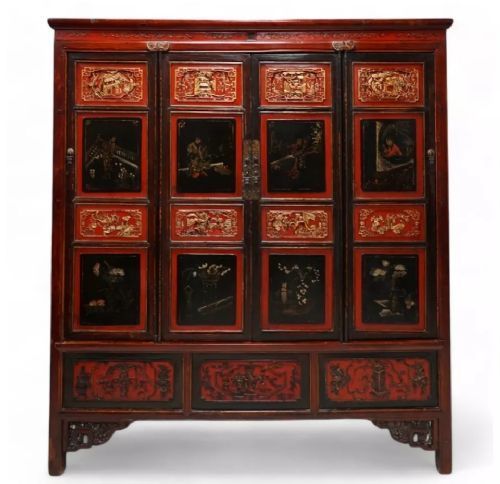
Surface decoration relies heavily on traditional techniques such as hand-applied lacquer, gold leaf, gilt embellishment, and enamel work. Metal components, including brass hardware and silver mountings, provide structural reinforcement while adding decorative contrast to the timber and lacquer.
Listings feature eighteenth-century Beijing enamel alongside nineteenth-century Japanese Meiji period lacquerwork and twentieth-century camphor wood trunks.
What varies in quality
The refinement of the surface decoration determines much of the distinction between standard and superior pieces. Meticulous hand-painting, deep relief carving in lacquer or wood, and intact original finishes elevate the visual impact considerably.
Structural integrity and the retention of original hardware play an equally vital role in establishing the standard of an item. Pieces that retain their working locks, hinges, and internal trays without major timber shrinkage or lacquer loss demonstrate superior preservation.
Toshozan·Wang Hing And Co
The Antique Oriental Box Glossary
- Lacquer
- A durable varnish applied in multiple layers to wooden substrates, often decorated with gold or coloured pigments in traditional Asian artistry.
- Camphor Wood
- A strongly scented, pale timber valued historically for its insect-repellent properties, commonly used for shipping trunks and blanket chests.
- Inro
- A traditional Japanese multi-tiered case suspended from a sash, utilised for carrying small personal items like medicines or seals.
- Cinnabar
- A bright scarlet mineral pigment carved in thick layers over a core material to create deeply textured decorative reliefs on boxes and vessels.
- Chinese Export
- Goods manufactured in China specifically for Western markets, blending traditional Eastern techniques with European tastes and functional forms.
Antique Oriental Box: Frequently Asked Questions
What were antique oriental boxes used for?
These vessels served numerous daily functions depending on their specific size and internal layout. Smaller items held tea, writing implements, tobacco, or personal ornaments, while larger trunks protected garments and documents.
Many pieces travelled along international trade routes, acting both as secure containers during maritime transit and as decorative furnishings within period homes.
How do I care for a lacquered box?
Lacquered surfaces require gentle treatment to preserve the delicate layers of varnish and metallic leaf. Keep them away from direct sunlight, extreme temperature fluctuations, and high humidity, which can cause the timber substrate to expand.
Dust the surface lightly with a dry, soft cloth and avoid chemical polishes, abrasive cleaners, or excess moisture.
How can I date an oriental wooden chest?
Dating relies upon examining the construction methods, timber species, hardware styles, and decorative motifs present on the piece. Hand-cut dovetails, forged iron or brass fittings, and specific regional art styles help narrow down the period.
Comparative analysis with documented examples from the nineteenth or early twentieth centuries provides a reliable chronological anchor.
Are camphor wood chests safe for modern storage?
Camphor wood chests remain practical for storing textiles and blankets due to their natural aromatic qualities and pest-resistant properties. The distinct fragrance helps deter moths and other insects without requiring chemical treatments.
Ensure the internal surfaces are clean and dry before placing delicate fabrics inside to prevent any transfer of residual oils or age-related odours.