




Gilded Lacquer Cabinet
A gilded lacquer cabinet brings intricate gold detailing and rich coloured finishes together, offering both striking visual depth and practical storage for any interior.
Gilded Lacquer Cabinet
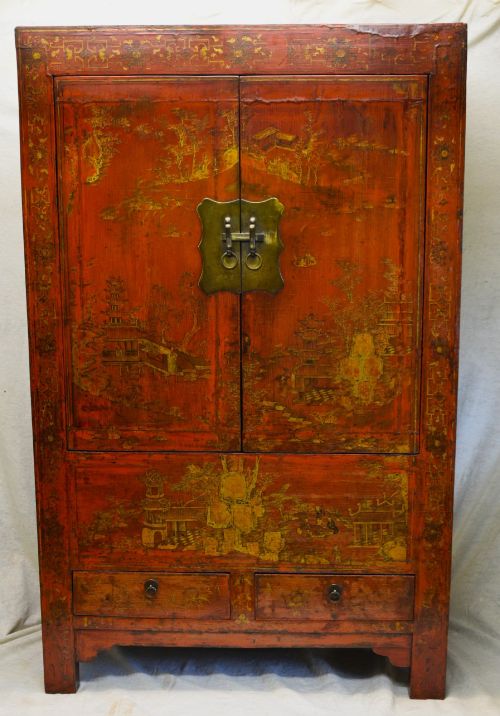
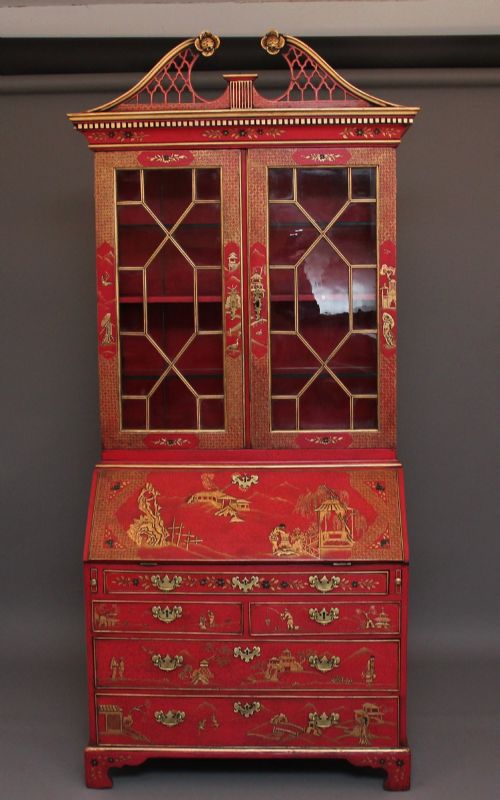
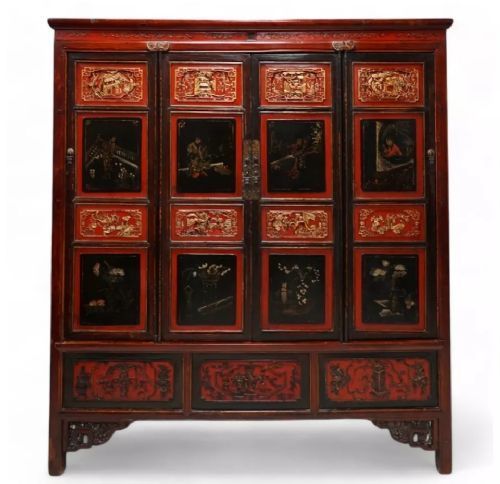
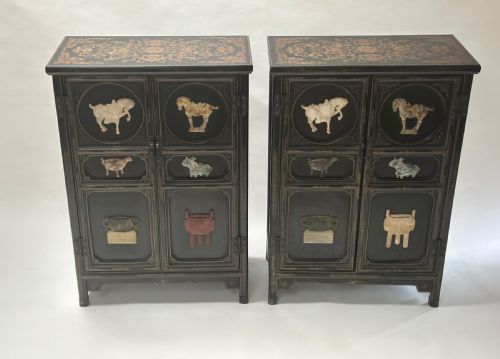
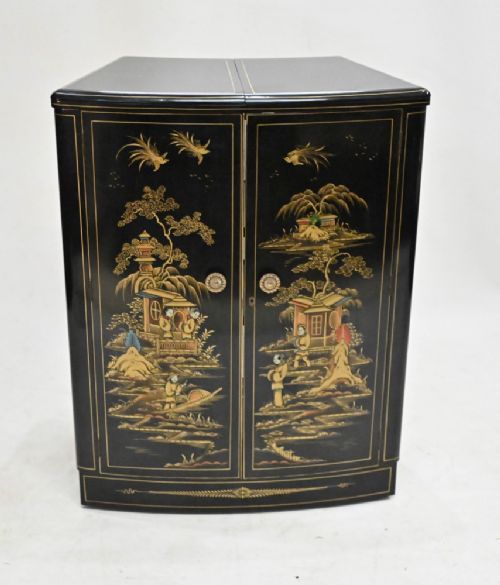
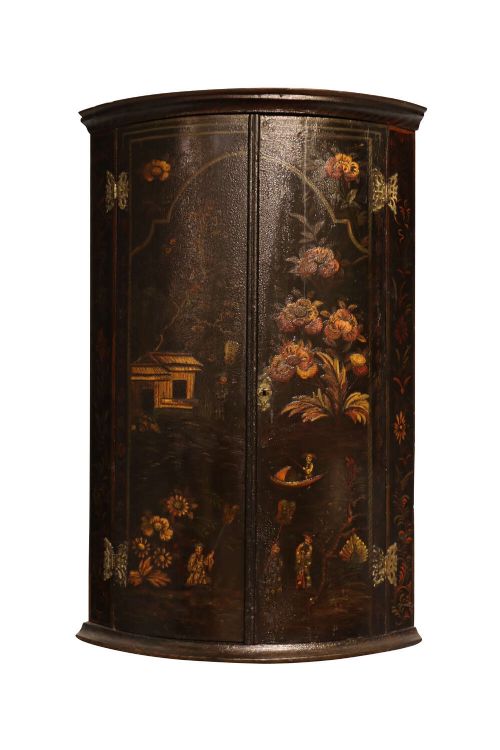
A gilded lacquer cabinet combines deep oriental or European lacquering with fine gold leaf work, forming a distinctive storage piece designed to catch the eye. Buyers searching for a gilded lacquer cabinet encounter diverse forms ranging from large wedding armoires and corner cupboards to table-top boxes and standing display units.
The selection spans multiple centuries, with numerous examples originating from the nineteenth and eighteenth centuries alongside later Edwardian and Art Deco interpretations. Chinese export items, Japanese Meiji period pieces, and British Chinoiserie adaptions dominate the available stock, offering distinct regional interpretations of lacquerwork.
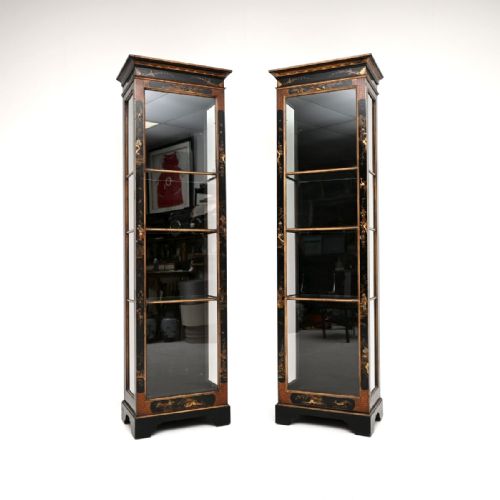
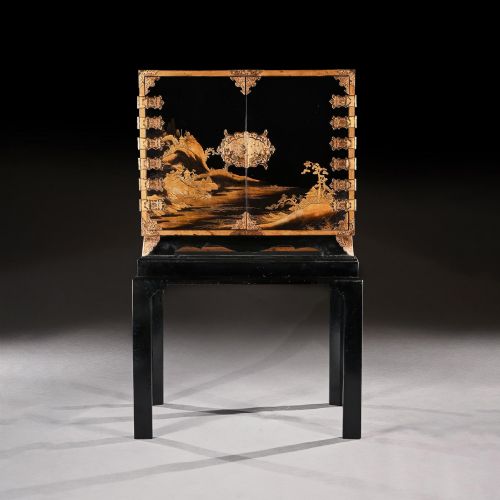
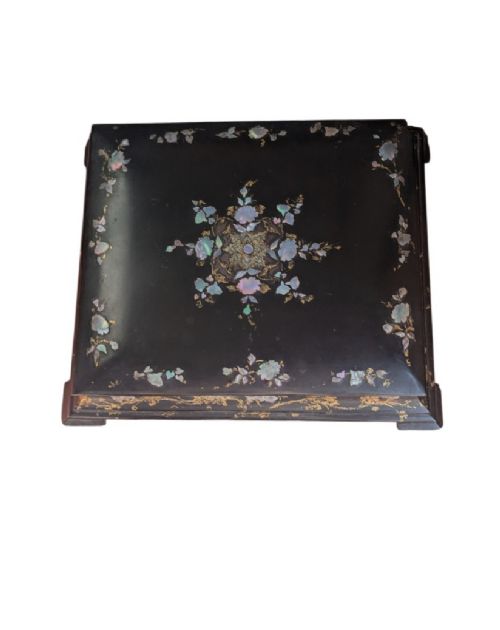
Forms vary from towering cabinets on stands and bureau bookcases down to compact jewellery boxes and stationery cabinets. Many feature two doors opening to reveal internal shelving or drawers, while others utilise glass panels for the display of collected objects.
Materials and construction methods
Construction relies upon a core of wood, elm, or papier-mâché, built up with successive layers of lacquer to create a smooth, hard-wearing surface before any decoration begins. Artisans then apply gold leaf, gilt, or detailed pen-work to render intricate scenes of figures, landscapes, and flora.
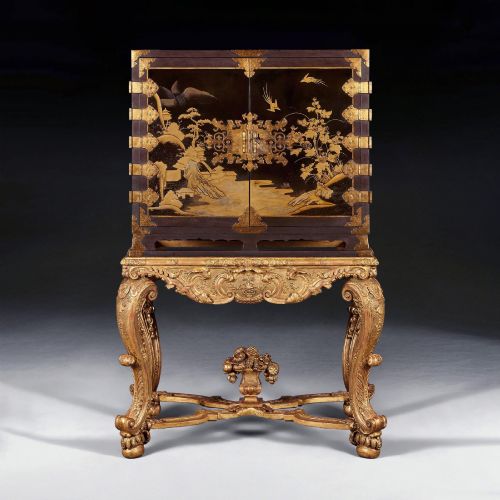
Many cabinets incorporate brass hardware, glass panels, and occasionally inlaid elements to complement the lacquered ground. Stands fashioned from giltwood or carved wood frequently elevate the main cabinet body, particularly in seventeenth and eighteenth-century examples.
Listings feature pieces spanning the seventeenth century through the Art Deco era of the 1930s.
Distinguishing quality in lacquerwork
The refinement of the surface preparation and the depth of the lacquer layers determine the foundational quality of any piece. Superior examples exhibit tightly controlled finishing where the underlying wood remains completely stable and the lacquer shows minimal cracking.
Artisanal skill in the application of gold leaf and the precision of the hand-painted Chinoiserie or Meiji period motifs dictate the visual merit. Finer pieces demonstrate careful composition and crisp detailing in the gilded decoration rather than heavy, hurried brushwork.
The Gilded Lacquer Cabinet Glossary
- Chinoiserie
- European artistic style reflecting Chinese and East Asian motifs, prevalent in furniture decoration during the eighteenth and early twentieth centuries. This aesthetic relies heavily on lacquered surfaces and gilded figures.
- Japanned
- European imitation of East Asian lacquerwork, created by applying layers of varnish and metallic dust. This technique became popular in British furniture making from the late seventeenth century onwards.
- Meiji Period
- Era in Japanese history lasting from 1868 to 1912, known for highly detailed craftsmanship in decorative arts. Cabinets from this period often feature intricate lacquer and metallic finishes.
- Shodana
- Traditional Japanese tiered display cabinet designed for the arrangement of small art objects. These pieces typically incorporate asymmetrical shelving and fine lacquering.
- Giltwood
- Wood that has been treated with a thin layer of gold leaf or powder for decorative effect. It frequently appears on the stands supporting seventeenth and eighteenth-century cabinets.
Gilded Lacquer Cabinet: Frequently Asked Questions
What is a gilded lacquer cabinet?
A gilded lacquer cabinet is a storage piece finished with resinous lacquer and highlighted with gold leaf or metallic paint. These items range from large floor-standing marriage armoires to small tabletop boxes.
They serve as both functional furniture and decorative focal points, showcasing traditional Asian techniques or European Chinoiserie interpretations across various historical periods.
How were these cabinets used historically?
Historically, these cabinets stored valuable textiles, documents, tea ceremony items, or personal adornments. Larger wedding cabinets held household linens and garments for newly married couples.
Tabletop boxes and stationery cabinets kept ink, paper, and letters organised in private studies or writing rooms during the eighteenth and nineteenth centuries.
How do I date a lacquer cabinet?
Dating relies on examining the construction methods, hardware types, wood species, and the stylistic traits of the painted decoration. Seventeenth and eighteenth-century pieces often feature distinct stand designs and heavier timber carcases.
Later Victorian and Edwardian Chinoiserie revivals display different material handling and machine-cut components compared to hand-joined earlier examples.
How do I care for lacquer furniture?
Lacquered surfaces require gentle maintenance away from direct sunlight and extreme humidity fluctuations. Dusting should be performed with a soft, dry cloth without chemical polishes.
Maintaining stable room temperatures prevents the wooden substrate from expanding and protects the delicate lacquer and gold leaf layers from cracking.