


Antique Oak Coffer Panel
An antique oak coffer panel holds centuries of joinery and domestic history, offering tactile storage for modern interiors.
Antique Oak Coffer Panel
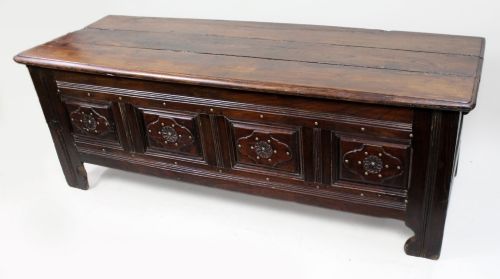
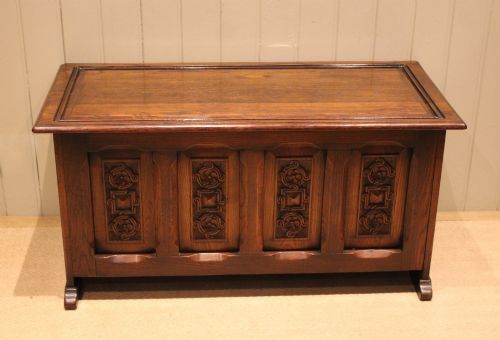
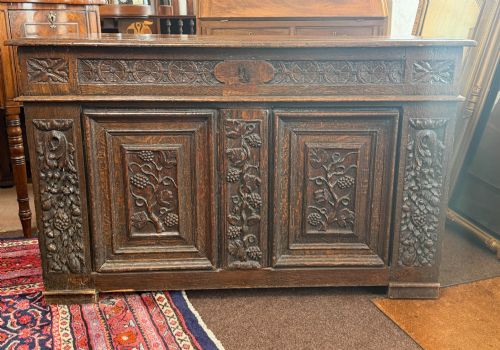
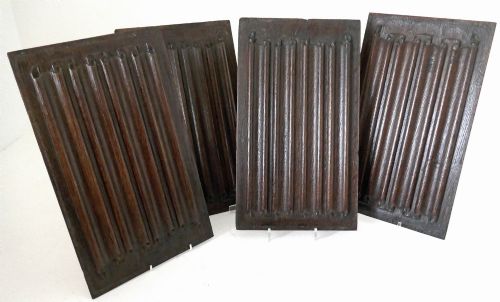
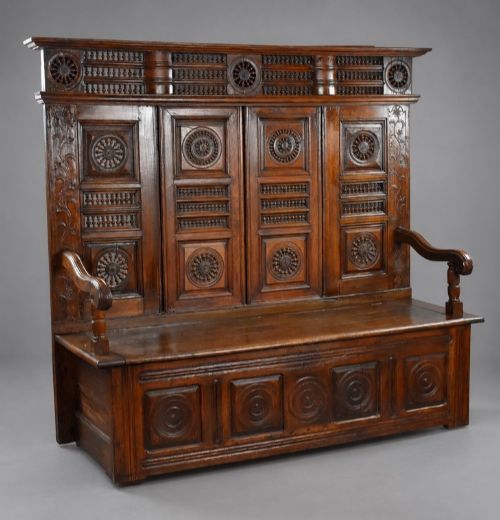
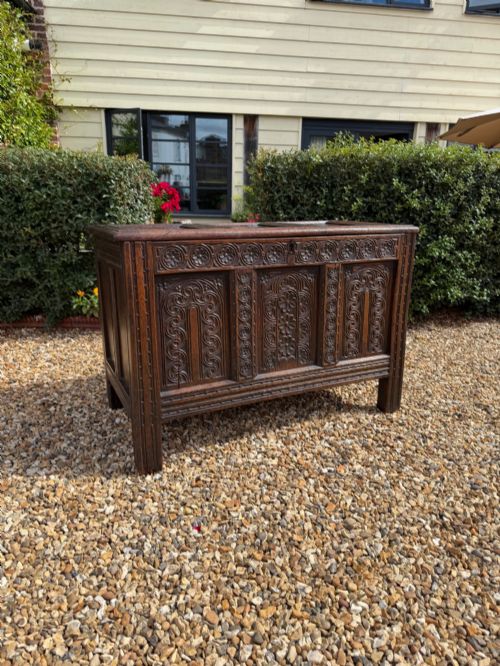
When buyers search for an antique oak coffer panel, they encounter architectural fragments salvaged from larger storage chests or individual components preserved from sixteenth and seventeenth-century furniture. These elements display carved linenfold motifs, geometric patterns, or relief work rooted in Jacobean and vernacular traditions. Most examples originate from English and continental workshops spanning the sixteenth to the eighteenth centuries.
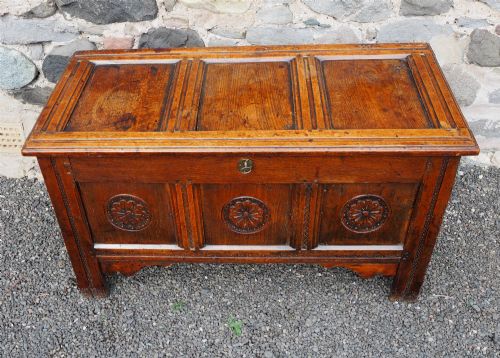
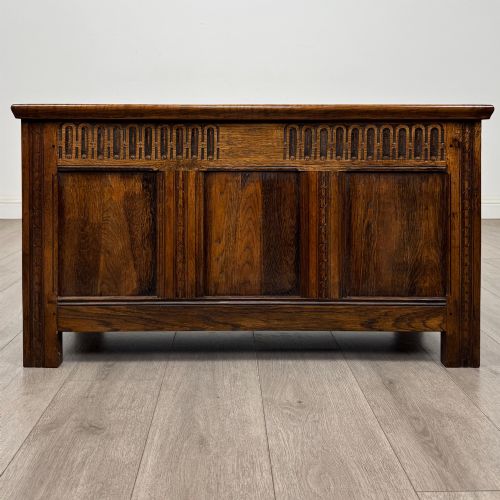
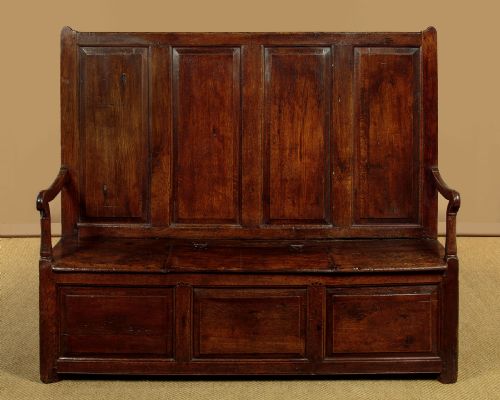
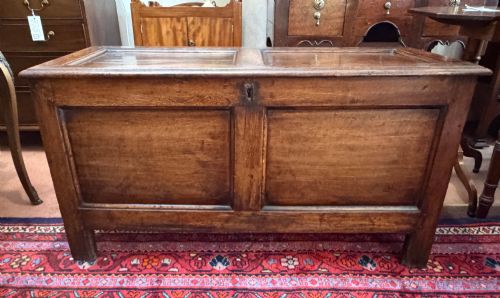
The pieces on this page range from standalone panels intended for framing or wall hanging to structural sections removed from joined coffers, mule chests, and box settles. Seventeenth-century panels frequently exhibit pegged framing marks and hand-split timber textures. Later eighteenth-century versions often show simpler panel configurations or regional variations such as Welsh vernacular designs.
Materials and construction methods
Craftsmen built these items primarily using quarter-sawn English or European oak, valued for its durability and distinct medullary ray patterns. Secondary timbers like ash and pine occasionally appear in internal framing or backing components. Carpenters shaped the wood using hand axes, pit saws, and chisels before assembling the framework with traditional mortise and tenon joints secured by wooden pegs.
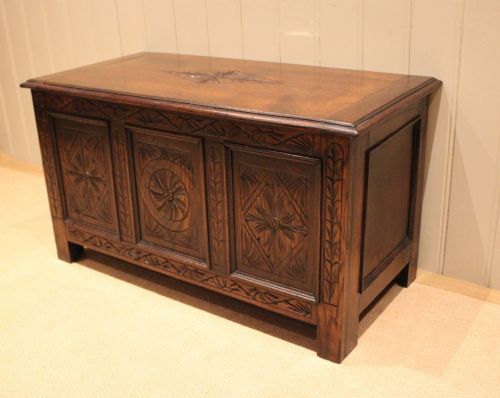
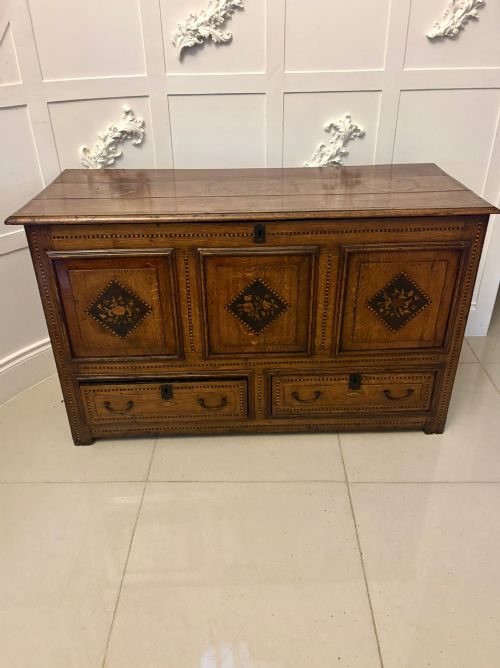
Surface ornamentation relied on depth rather than applied finishes, utilising gouges, chisels, and scratch stocks to carve high-relief patterns directly into the solid timber. Selected pieces incorporate marquetry inlay or contrasting wood elements to enhance the visual texture of the grain. Natural wax applications historically protected the wood while allowing the dark patination to develop over generations of use.
Listings feature oak panels and coffers spanning the sixteenth to the twentieth centuries, including Jacobean and Georgian styles.
Factors influencing distinction
The degree of crispness in the hand-carved relief work separates standard utilitarian examples from superior workshop output. Deeply undercut foliage, precise geometric panels, and well-defined linenfold folds indicate skilled carpentry rather than hurried production. The structural integrity of the surrounding frame and the presence of original peg construction further elevate the standing of a piece.
Surface maturity dictates visual appeal, with rich, undisturbed patination and original wax build-up marking superior preservation. Evidence of early tool marks, such as pit-saw ridges on the reverse, confirms authentic period manufacture. Conversely, excessive modern intervention or unsympathetic timber replacement diminishes the historical character of the object.
The Antique Oak Coffer Panel Glossary
- Coffer
- A heavy wooden chest traditionally used for storing valuables, documents, or textiles. These sturdy boxes frequently served as benches or tables in early homes.
- Linenfold
- A style of relief carving that mimics folded fabric or vertical parchment sheets. This decorative motif appears frequently on sixteenth-century panels.
- Joined
- A method of furniture construction relying on tightly fitted mortise and tenon joints secured by wooden dowels rather than metal nails. This technique defines seventeenth-century cabinet making.
- Mule chest
- A storage chest featuring one or more drawers built into the base beneath the main compartment. These hybrid forms emerged during the late seventeenth and eighteenth centuries.
- Patina
- The surface sheen and colour acquired by wood through decades of handling, ageing, and wax polishing. This quality reflects the handling history of the object.
- Vernacular
- Furniture styles tied to regional traditions and local materials rather than court or high-fashion metropolitan design. Welsh and provincial English pieces illustrate this approach.
Antique Oak Coffer Panel: Frequently Asked Questions
What was an oak coffer used for?
Historically, households utilised these heavy chests to store precious items, legal documents, winter blankets, and dry foodstuffs. Because domestic space was limited, families often used the sturdy top lid as a bench or a surface for folding clothes.
Over time, these chests migrated from the great hall to private chambers as domestic architecture evolved. Their robust construction made them secure enough to transport belongings during travel.
How do I date an antique oak panel?
Dating relies on examining the construction marks, tool usage, and stylistic motifs present in the timber. Sixteenth-century panels often show distinct linenfold carving, while seventeenth-century versions frequently employ geometric mouldings and pegged joined framing.
Physical indicators such as hand-split grain patterns and the absence of modern machine saw marks help confirm the manufacturing era. Regional variations in carving depth also offer clues to the specific decade and origin workshop.
Can I hang a coffer panel on the wall?
Many collectors display individual panels as wall art to appreciate the historical carving and aged timber patination up close. Securing the panel requires appropriate mounting brackets that support the weight without damaging the original wood structure.
Placement should avoid direct sunlight and fluctuating radiator heat to prevent the dry oak from splitting. Environmental stability preserves both the carved surface and the historic wax finish.
What is the difference between a coffer and a chest?
While the terms are often used interchangeably, a coffer strictly refers to a joined storage box featuring panelled construction and pegged frames. Simpler antique chests might utilise boarded construction rather than the sophisticated frame-and-panel technique.
Coffers generally represent higher status and more skilled carpentry due to the labor-intensive joinery required. This structural difference helps distinguish regional vernacular pieces from standard utilitarian boxes.