
Antique Oak Clock Case
When you search for an antique oak clock case, you are looking at substantial timber housings built to protect and display precision timepieces.
Antique Oak Clock Case
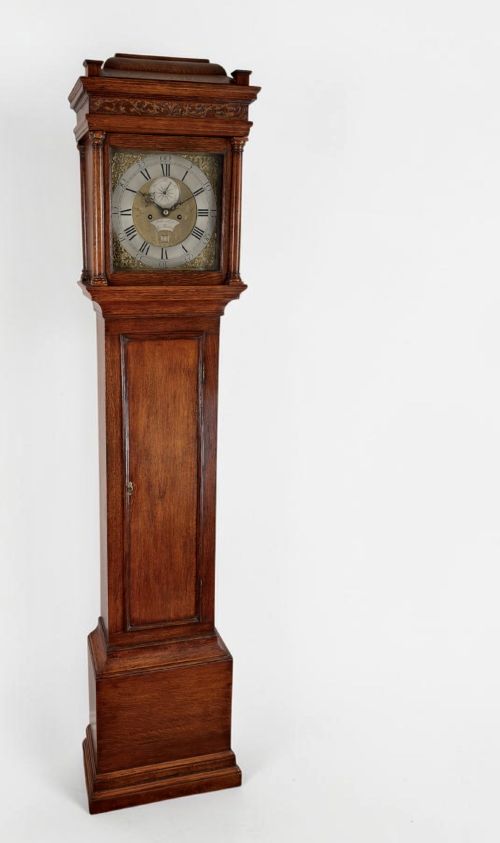
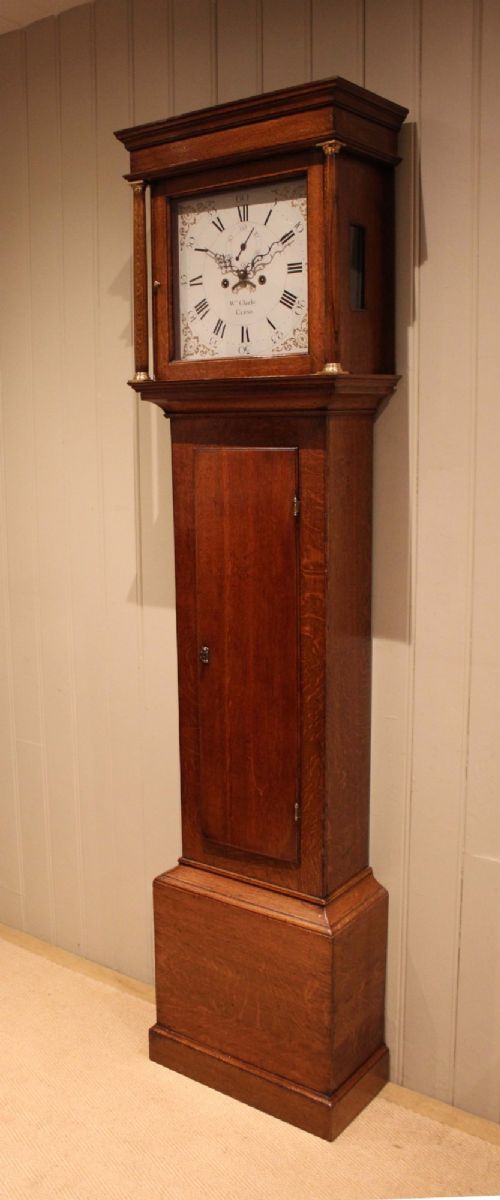
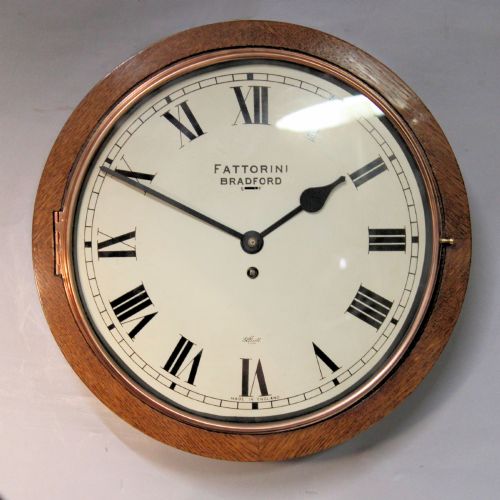
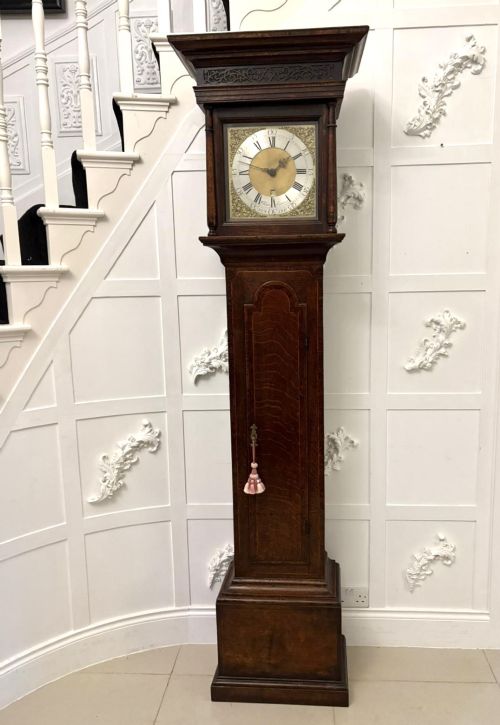
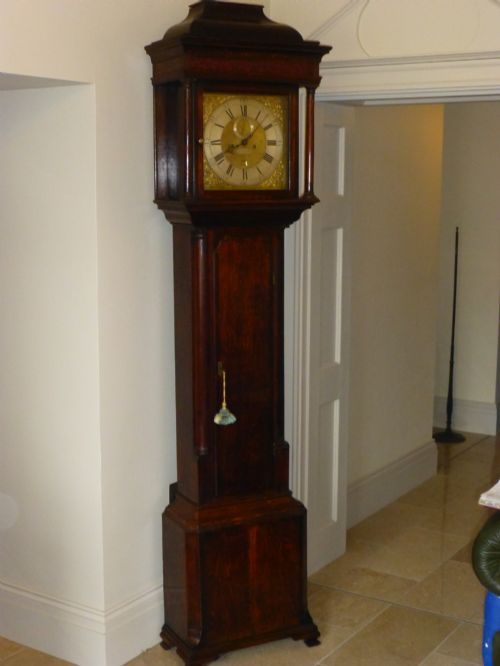
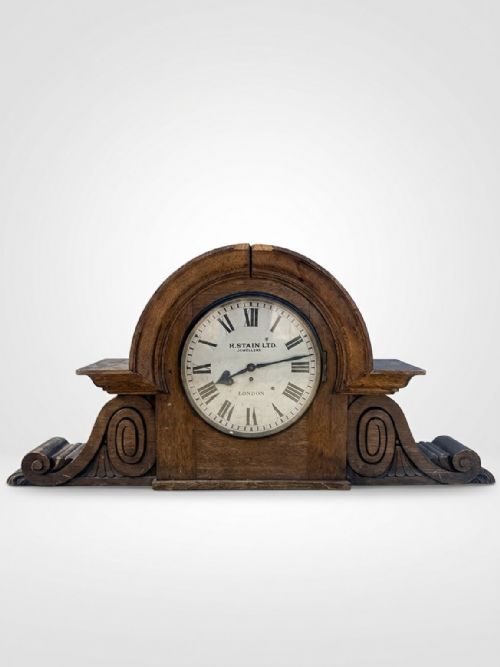
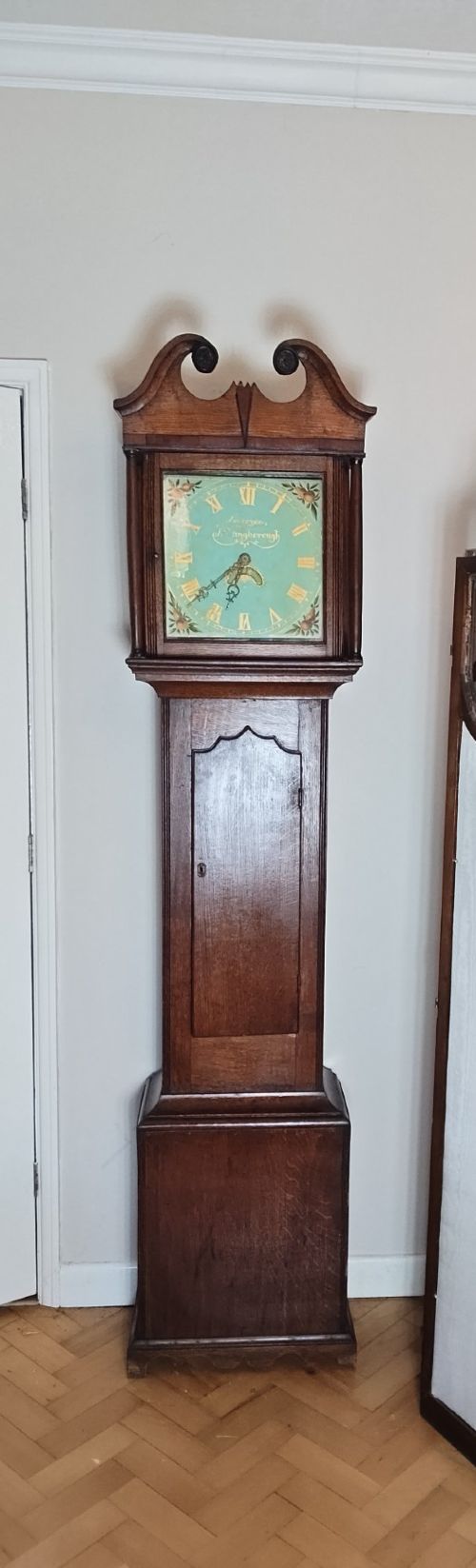
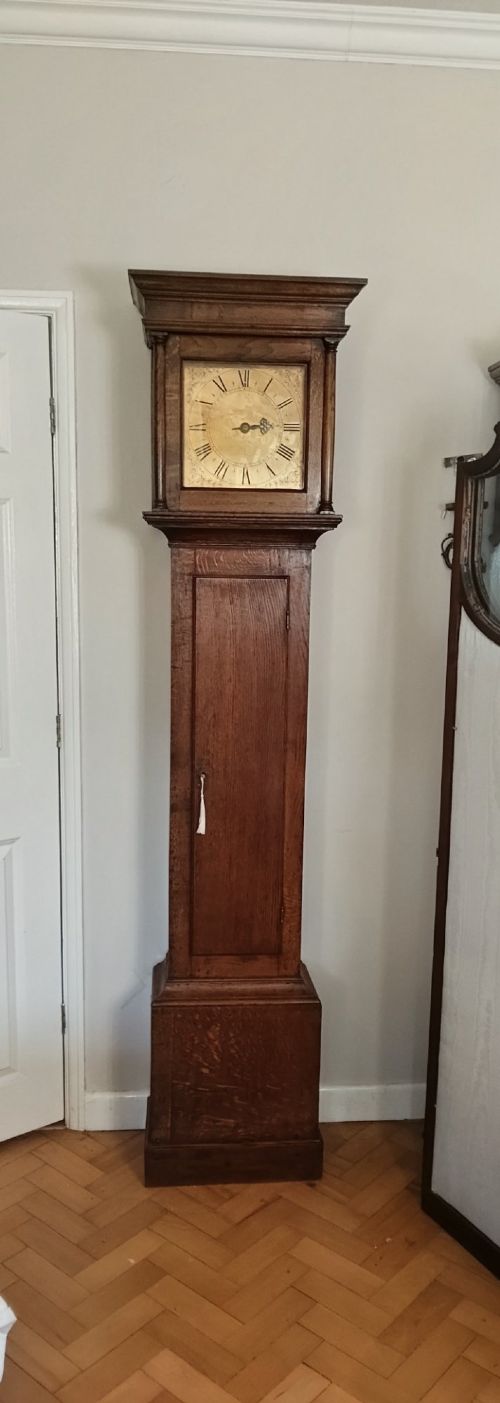
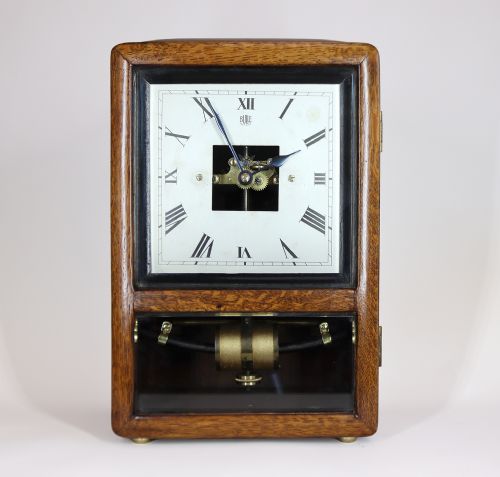
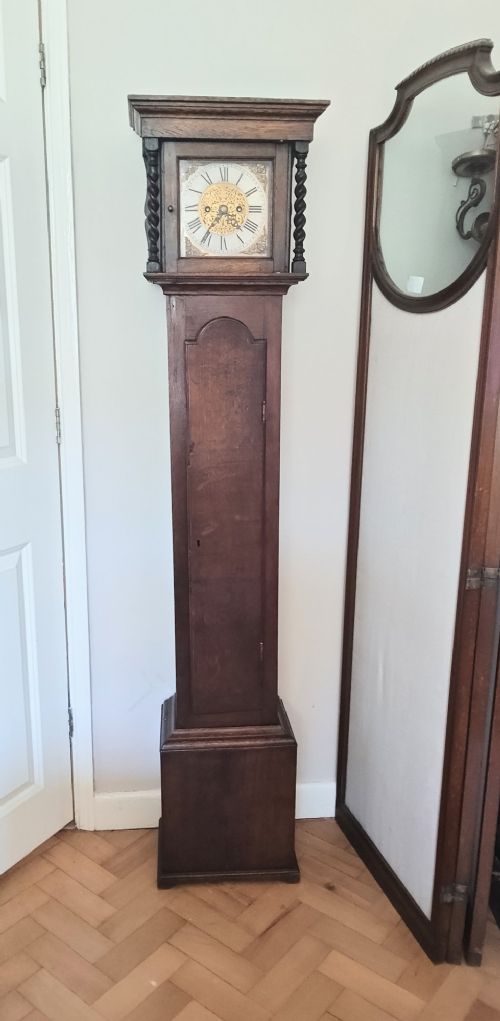
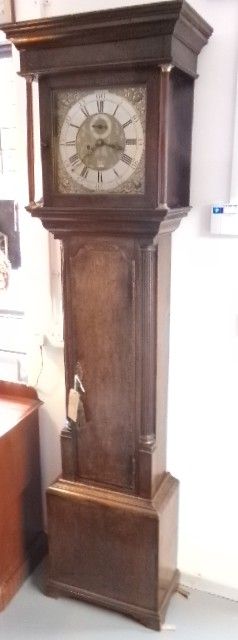
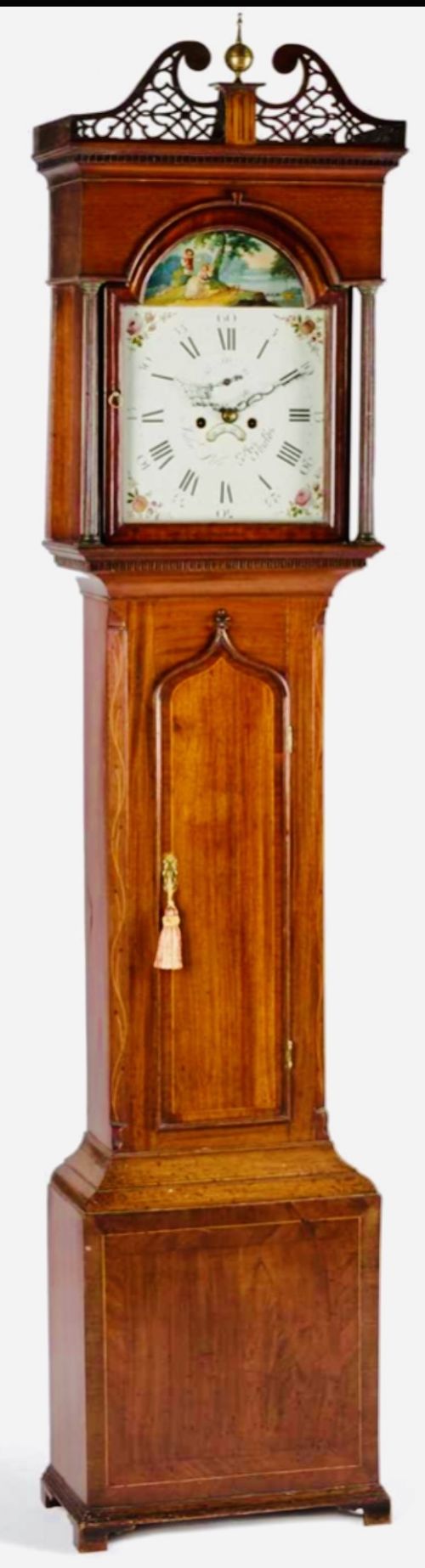
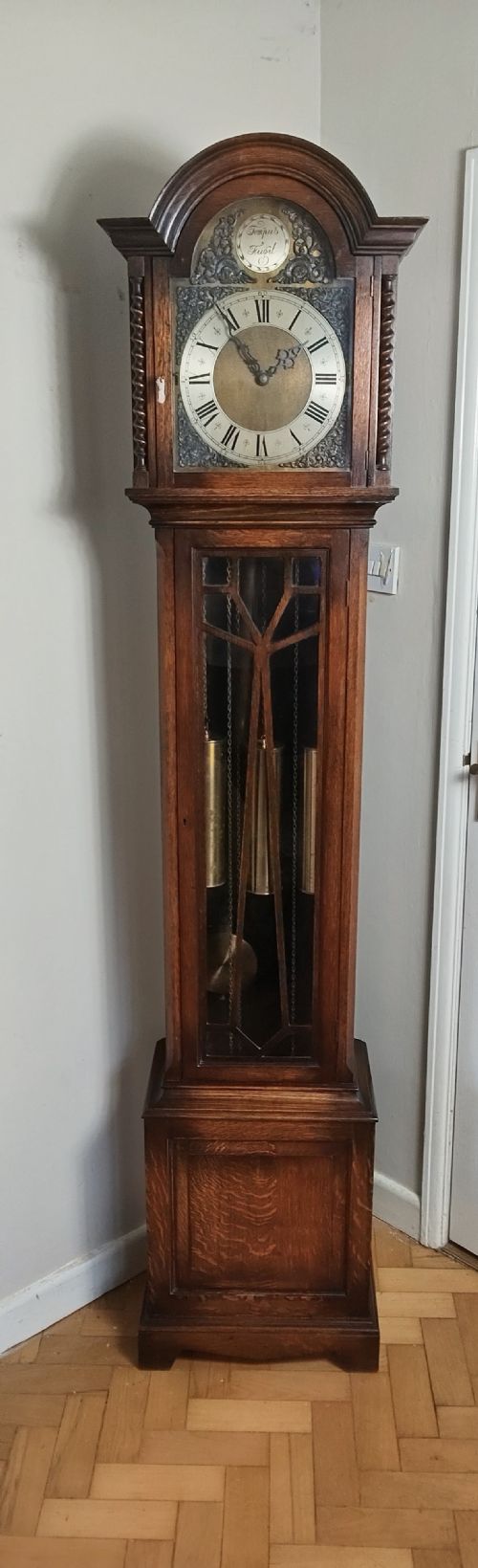
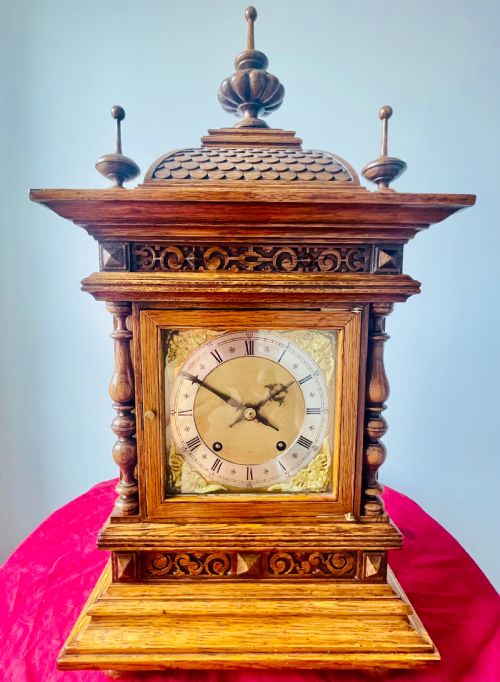
An antique oak clock case encompasses tall floor-standing longcase bodies, wall-mounted dials, and smaller mantel or bracket enclosures. The majority of pieces encountered on this page belong to the longcase tradition, spanning the Georgian period and the eighteenth century.
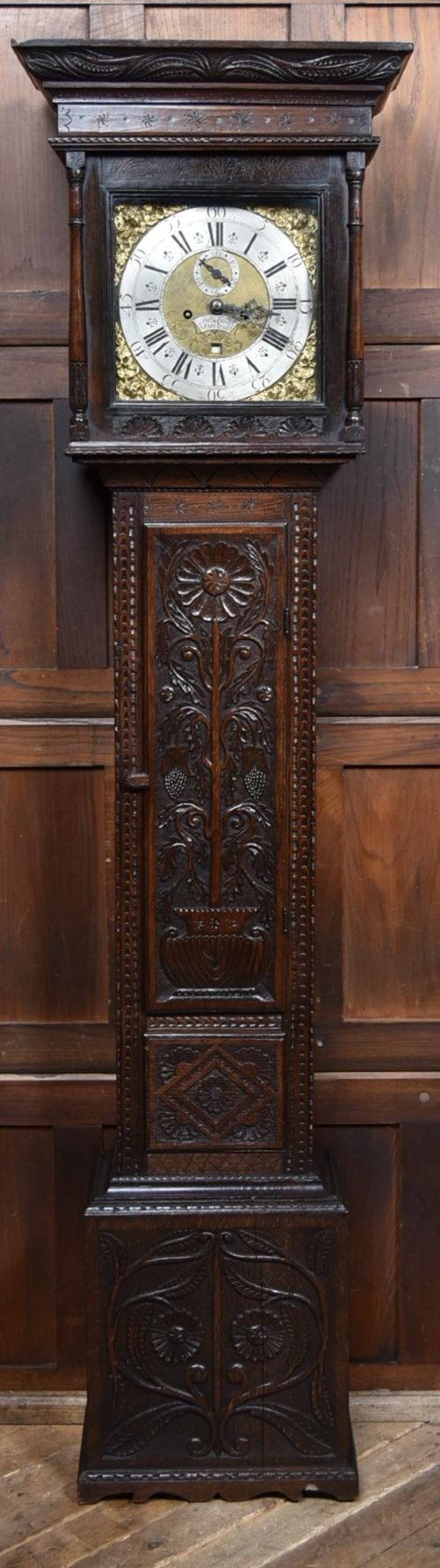
Makers constructed these timber housings to shelter intricate weight-driven or spring-driven movements while serving as prominent domestic furniture. Surviving examples range from simple country longcase trunks to elaborate models incorporating mahogany crossbanding and brass dial faces.
How they were made
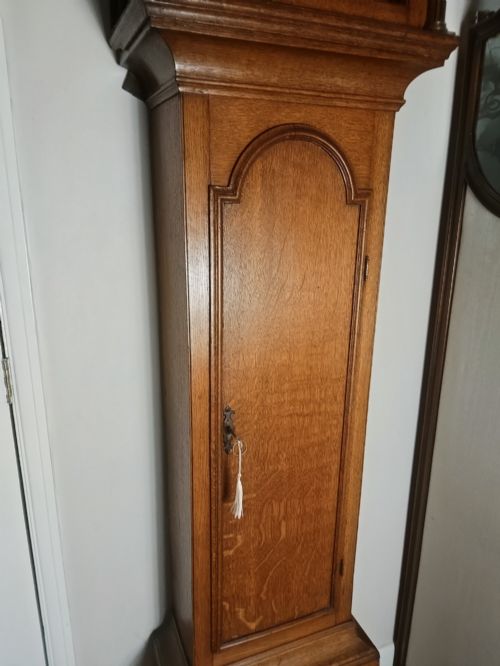
Cabinetmakers constructed these clock housings primarily using solid oak timbers, frequently augmented with walnut, mahogany, and burr oak veneers for decorative contrast. They joined panels using traditional framing methods to accommodate the natural expansion and contraction of timber over centuries.
Glazier craftsmen fitted glass panels into hinged access doors to protect delicate brass and metal dials, while iron and steel components sustained internal weights and levers. Dial faces combined engraved brass plates with applied spandrels, subsidiary seconds rings, and moonphase mechanisms.
Some timepieces feature mechanical moonphase displays to track the lunar cycle right from the hallway.
What varies in quality
The standard of a timber clock housing depends upon the selection of grain, the precision of secondary wood banding, and the crispness of carved details. Superior examples exhibit finely figured oak or burr oak panels, well-proportioned hood mouldings, and integrated brass dial work signed by skilled regional clockmakers.
Differences also emerge in the structural integrity of the longcase trunk, the retention of original brass hardware, and the harmony between the movement and its wooden enclosure. Pieces retaining signed brass faces from documented provincial makers command greater interest than plain utility versions.
Lee of Great Marlow·Jn° Smith·Richard Corless·George Hallifax·Thomas Webbe·Edward White·David Craig·Benjamin Reeves·John Simpson·Henry Frost·Jacob Lovelace·John Kent
The Antique Oak Clock Case Glossary
- Longcase clock
- A tall pendulum clock enclosed in a wooden case consisting of a hood, trunk, and base. These floor-standing pieces are frequently termed grandfather clocks.
- Crossbanding
- A decorative technique where veneer strips are applied across the grain of the primary wood. This method creates a contrasting border around door panels and trunk edges.
- Moonphase
- A mechanism displaying the lunar cycle on a rotating dial face. It tracks the phases of the moon through a painted aperture.
- Bracket clock
- A portable spring-driven clock designed to sit on a bracket or furniture surface. They often feature elaborate brass carrying handles and chiming trains.
- Spandrel
- An ornamental corner piece fitted to the dial of a clock. These brass castings became increasingly decorative through the eighteenth century.
Antique Oak Clock Case: Frequently Asked Questions
What is an antique oak clock case?
An antique oak clock case is a timber housing designed to contain and protect the movement, dial, and pendulum of a vintage timekeeping device. These protective enclosures range from tall floor-standing longcase bodies to compact wall and bracket units.
Built primarily in oak during the Georgian and Victorian eras, these housings combined functional joinery with decorative cabinetwork. They shielded sensitive internal metal components from dust while serving as prominent decorative furnishings in domestic spaces.
How do I date an antique oak clock case?
Dating these timber enclosures involves examining the architectural style, the construction methods of the trunk, and the design of the dial hood. Georgian and eighteenth-century examples often feature distinct proportions, flat-topped or arched hoods, and pegged framing joints.
Later Victorian and Edwardian pieces incorporate different moulding profiles and timber treatments, such as mahogany banding or machine-cut veneers. Comparing the characteristics of the wooden housing with known regional cabinetmaking styles helps narrow down the period.
How should I care for an antique oak clock case?
Maintaining a timber clock housing requires placing it away from direct sunlight, heating vents, and damp environments to prevent wood warping. Applying a traditional wax polish periodically helps nourish the oak grain without building up heavy chemical residues.
Ensuring the longcase trunk stands level on a stable floor prevents structural stress on the mitred joints and door hinges over time.