


Antique Naval Wall Art
These pieces of antique naval wall art capture centuries of maritime conflict and seafaring life through oils, watercolours, and traditional woolwork embroideries.
Antique Naval Wall Art
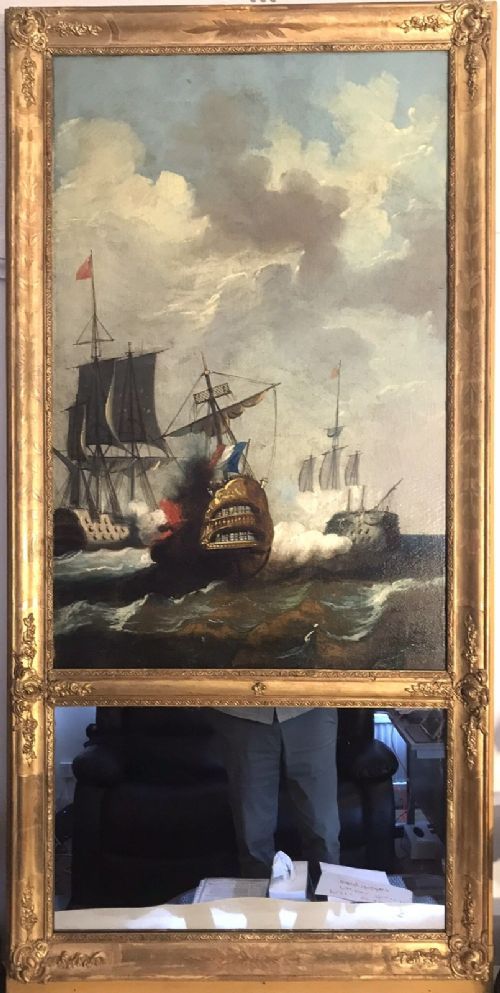
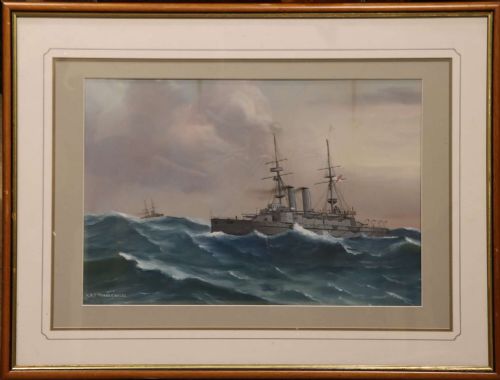
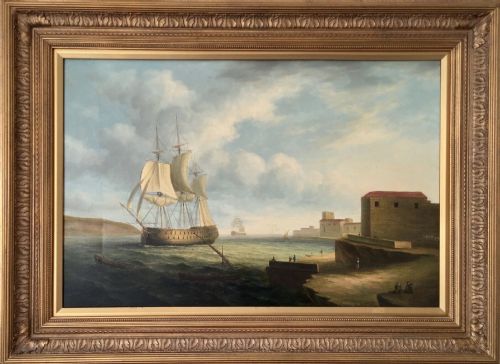
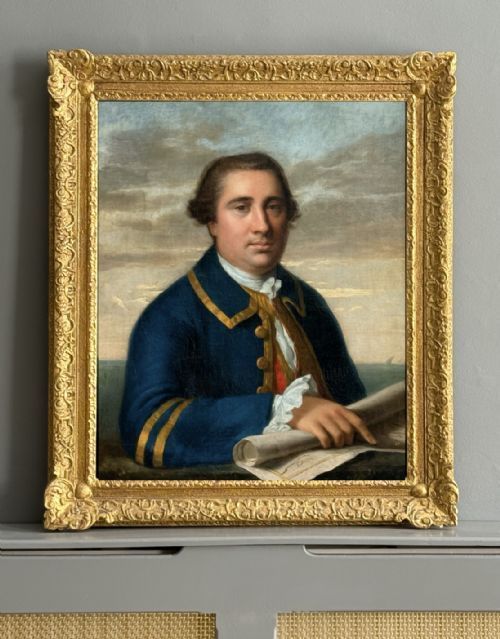
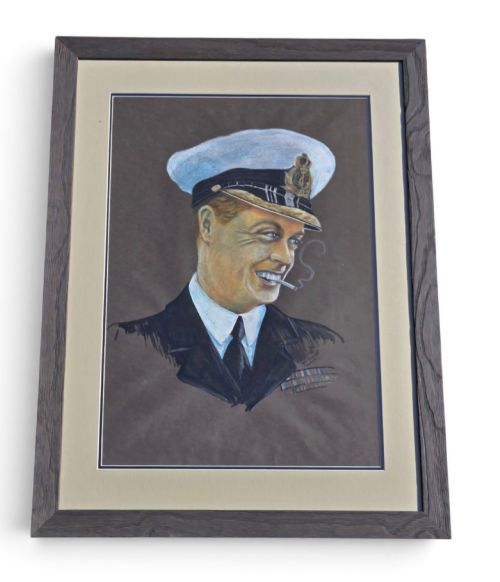
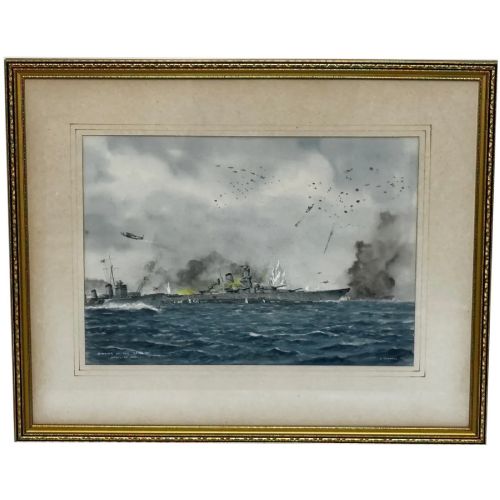
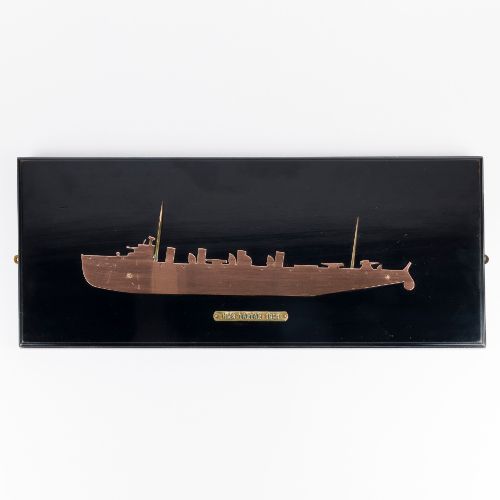
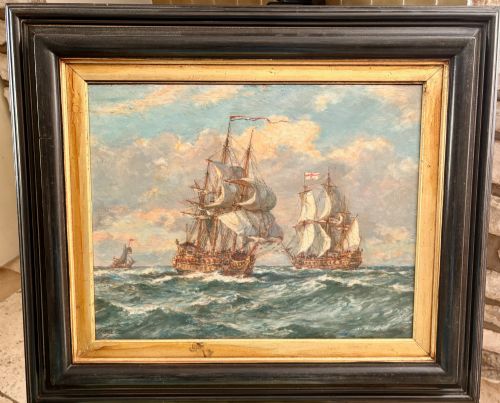
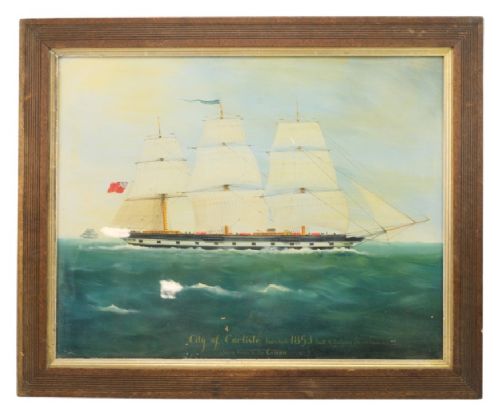
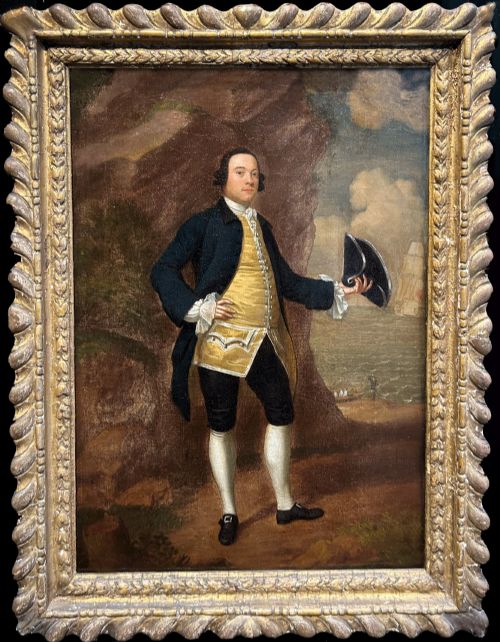
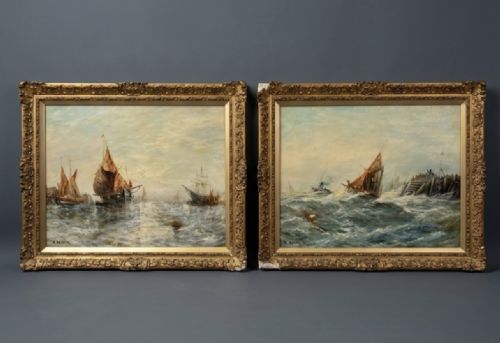
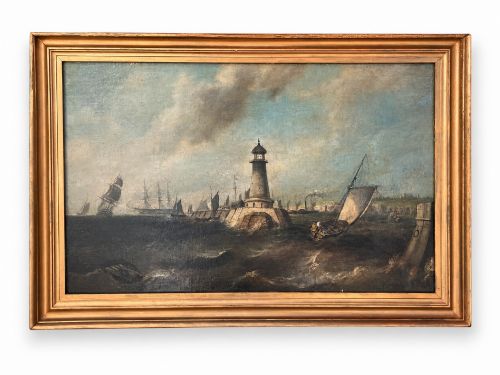
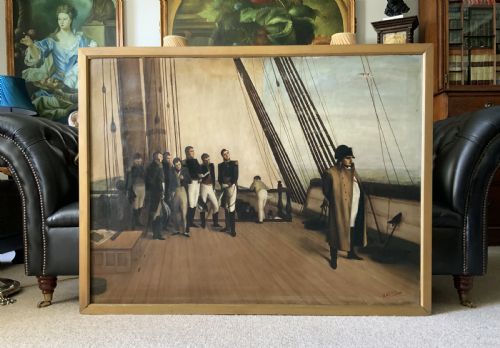
When you search for antique naval wall art, you encounter a specialised selection of maritime paintings, engravings, and textile works that record warships, historic engagements, and naval portraits from the eighteenth century to the early twentieth century. The selection leans heavily towards framed oil paintings and watercolours depicting named vessels like the HMS Prince of Wales alongside dramatic sea battles and harbour scenes.
How they were made
The physical construction of these works relies upon traditional artist materials such as oil paint on canvas or panel, watercolour and gouache on paper, and polychrome threads on canvas grounds for textile pieces. Canvases are frequently housed within period wooden frames, including giltwood mouldings that complement the maritime subject matter.
Techniques range from finely detailed academic oil portraits and marine engagements executed by professional artists to naive stitching in woolies and crisp linework found in naval engravings.
A French ironclad tribute preserves the heartfelt sentiment of a sailor remembering his shipmates.
What varies in quality
Quality in these maritime works is defined by the precision of the vessel rigging, the atmospheric rendering of water and sky, and the historical documentation associated with the named ship or event. Works by listed marine artists or those retaining contemporary inscriptions provide stronger provenance than anonymous depictions.
The preservation of the original medium, whether maintaining the vibrant pigments of an oil painting or the intact textile fibres of a woolie without heavy fading, dictates the overall standing of the piece.
James Hardy·Eugène-Louis Gillot·William McAlpine·LEMUEL FRANCIS ABBOTT·Herskind·Bernard Gribble·Francis Hayman·Nicholas Condy·Charles William Adderton·Samuel Owen·Ebeneezer Colls·Richard Brydges Beechey·Charles Dixon·Frank Wood
The Antique Naval Wall Art Glossary
- Woolie
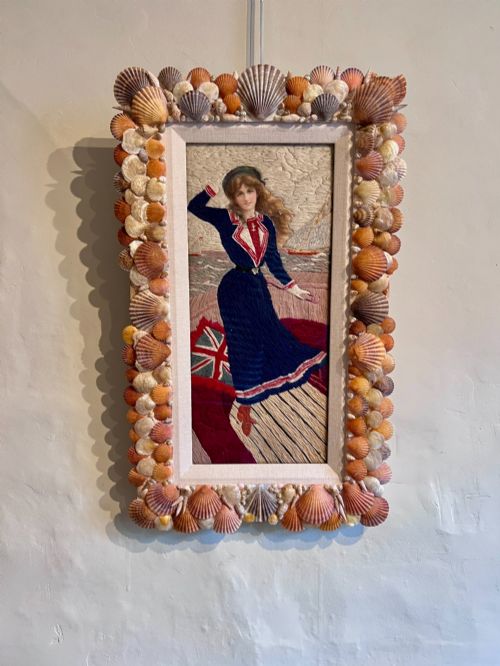
- A Victorian sailor's embroidery made using wool yarn on a canvas backing to depict a specific ship. These textile works often incorporate padded elements to create a three-dimensional effect.
- Gouache
- An opaque water-based paint that dries to a matte finish, frequently used in maritime watercolours for rich blues and stark white foam details.
- Trumeau
- A decorative architectural wall mirror incorporating an oil painting panel above the glass plate. These French frames often house seascapes.
- Man-of-war
- A powerful armed sailing warship used by the Royal Navy during the eighteenth and nineteenth centuries. Such vessels form the central subject of many battle scenes.
- Engraving
- A printmaking technique where an image is incised into a metal plate to transfer detailed lines onto paper. Naval series often document docks or fleet reviews through this method.
Antique Naval Wall Art: Frequently Asked Questions
What is a woolie?
A woolie is a traditional maritime embroidery created by nineteenth-century sailors using wool yarn on canvas. These works typically portray named warships under full sail.
They serve as a charming category of folk art within marine collections, prized for their sentimental connection to life at sea.
How do I date a marine painting?
Dating relies on examining the riggings and types of the depicted vessels, along with the artist signature and framing materials. Uniform details and specific naval engagements also anchor the piece to a precise decade.
Stylistic shifts from eighteenth-century classical compositions to Victorian romanticism provide further chronological clues.
Who were the notable marine artists?
The genre includes works by specialised painters such as Samuel Owen, Richard Brydges Beechey, and Charles Dixon who recorded naval vessels and historic actions. Many pieces also originate from anonymous or regional British and European school artists.
Their outputs range from accurate official records to dramatic interpretations of sea battles.
How should I hang maritime art?
These framed canvases and watercolours require placement away from direct sunlight to protect delicate watercolours and oil pigments from fading. Pairing them with traditional wooden frames enhances their period character.
Ensure wall fixings are secure, particularly for heavier oil paintings and giltwood frames.