

Antique Metal Wall Plaque
These antique metal wall plaques range from heavy cast iron railway signs to intricate Japanese cloisonne chargers, offering robust industrial character and fine decorative metalwork for the home.
Antique Metal Wall Plaque
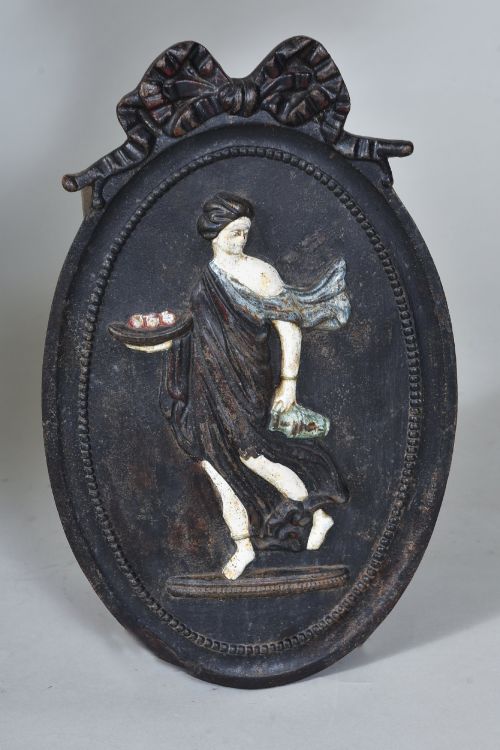
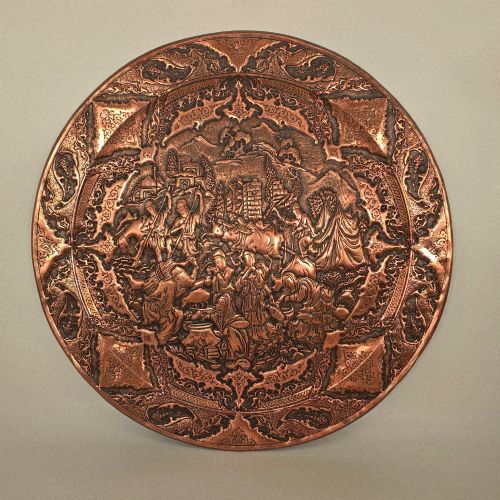
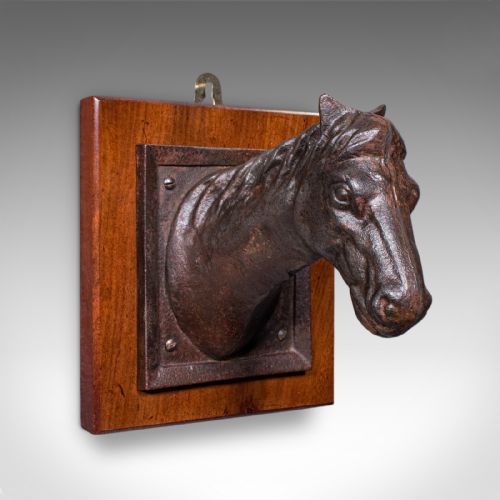
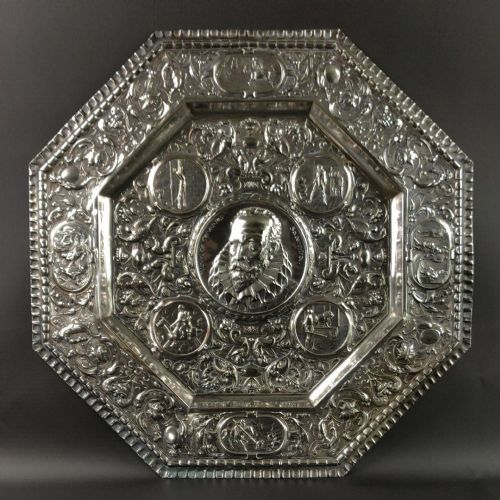
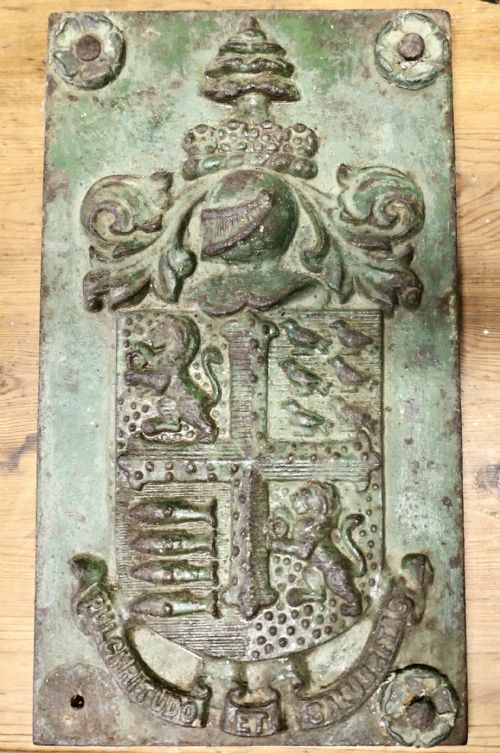
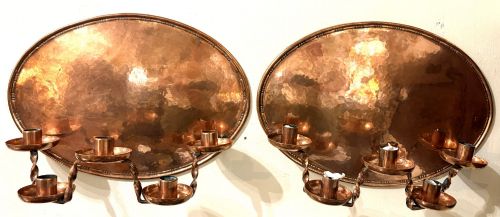
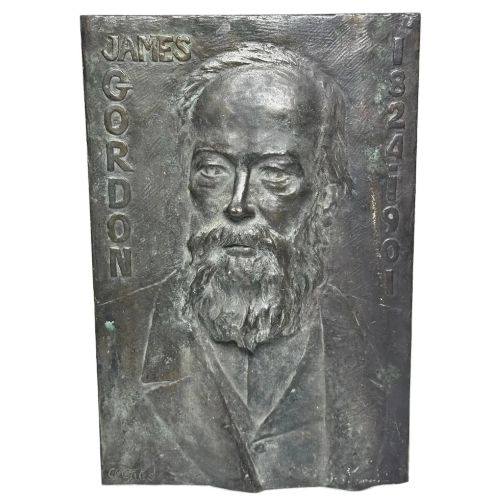
An antique metal wall plaque is a broad category encompassing cast iron railway signs, bronze portrait reliefs, copper chargers, and enameled advertising pieces. When searching this phrase, a buyer encounters everything from utilitarian cast iron notices to highly decorative Japanese copper and brass plates designed for display.
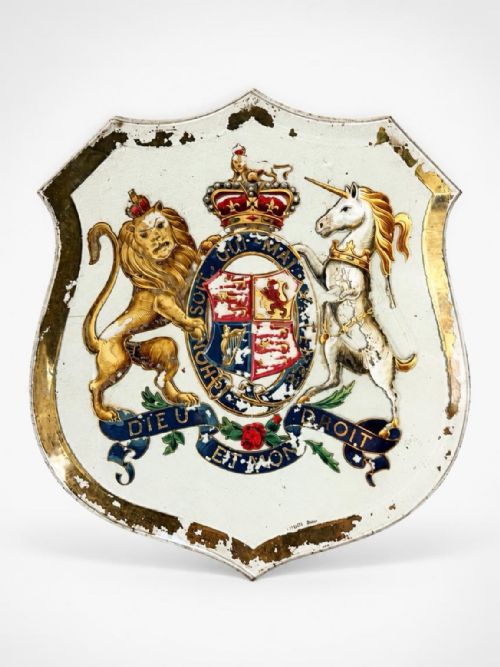
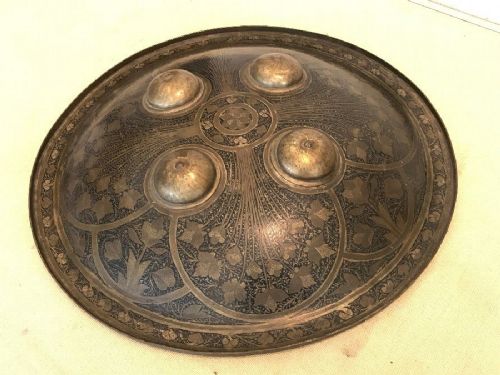
The pieces originating from the nineteenth and early twentieth centuries reflect diverse origins, including Victorian Britain, Meiji period Japan, and Indo-Persian workshops. Wall signs and armorial plaques sit alongside portrait plaques and decorative chargers in this diverse selection.
How they were made
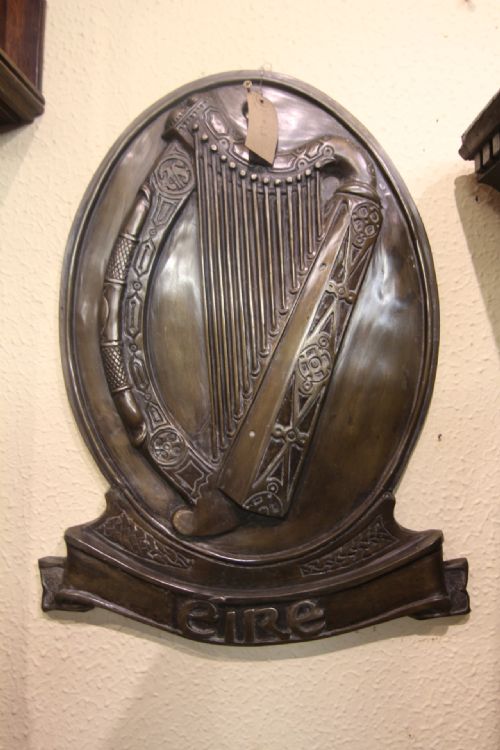
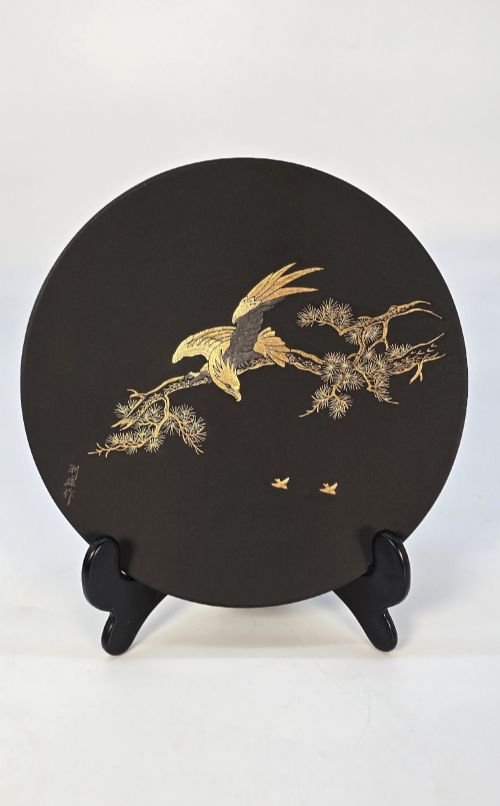
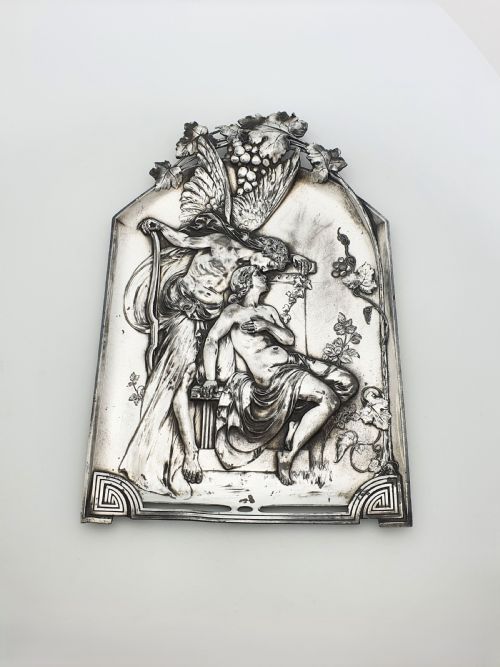
Makers utilised casting, repousse, and engraving techniques across copper, brass, bronze, and cast iron. Many pieces combine metals, such as patinated iron inlaid with gold and silver or copper plates worked in high relief.
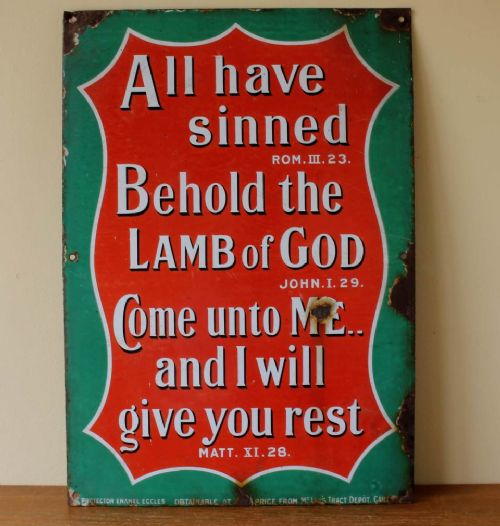
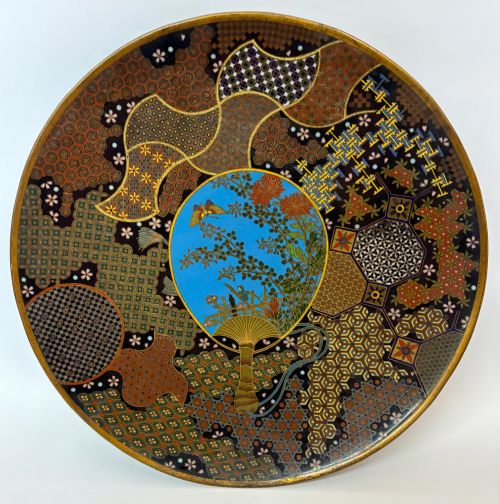
Enamel and paint frequently add colour to iron and copper surfaces, particularly on railway signs, public notices, and advertising plaques from the Edwardian and later periods. Cloisonne examples employ fine wirework soldered to metal bases to hold detailed glass enamels.
Antique Metal Wall Plaque Retail Price Guide 2026
Typical asking prices for metal wall plaque among the pieces listed under this phrase on Sellingantiques today, from the lower quarter to the upper quarter. They describe what is for sale here now, not the wider market.
Listings feature items spanning the 19th century through to the 1930s, incorporating materials such as copper, brass, bronze, enamel, and cast iron.
What varies in quality
The depth and precision of the hand-chasing or repousse work distinguish standard decorative plates from masterwork chargers. Crisp casting lines on iron armorial plaques and railway signs also separate sharp early strikes from softer later copies.
The complexity of the enamel work and the integration of mixed metals dictate the distinction between simple utilitarian items and high-status artistic pieces. Signed works by known bronze sculptors or Japanese studios display superior artistic execution compared to anonymous output.
Alice Gates·Eugene Canneel·Smith Beck And Beck·H Meeson
The Antique Metal Wall Plaque Glossary
- Repousse
- A metalworking technique where the artisan hammers the material from the reverse side to form a raised design on the front. This method creates depth and texture on copper and brass chargers.
- Cloisonne
- An enamelling process utilising thin metal wires soldered to a base to create compartments filled with coloured glass paste. Japanese artisans mastered this technique to depict birds, florals, and dragons.
- Cairoware
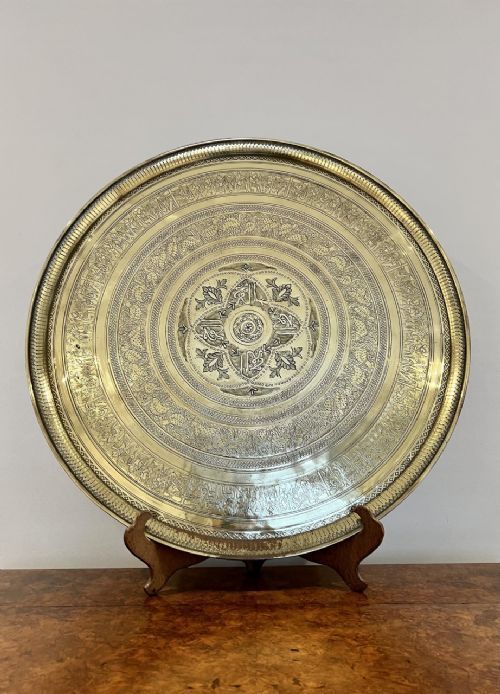
- Metalwork produced in Cairo during the late nineteenth century, characterised by heavy brass or copper trays and chargers inlaid with silver and copper calligraphy or geometric patterns.
- Toleware
- Enamelled and painted metalware, usually sheet iron, popular during the nineteenth century. Painted panels often depict classical or narrative scenes.
- Armorial plaque
- A cast metal piece displaying a coat of arms, civic crest, or heraldic insignia. These were commonly mounted on railway property, municipal buildings, or architectural facades.
Antique Metal Wall Plaque: Frequently Asked Questions
How do I hang a heavy cast iron plaque?
Heavy cast iron and bronze plaques require direct anchoring into wall studs or proper masonry fixings to support the substantial weight safely. Using standard picture wire is discouraged for solid iron items.
Ensure the mounting bracket engages securely with the integrated hanging loops or mounting holes provided on the back of the piece.
Were these decorative plaques originally meant for outdoor use?
Many cast iron railway signs, street signs, and public notices were manufactured explicitly for exterior exposure on buildings and infrastructure. Other items like copper chargers and bronze portraits were strictly interior decorative objects.
Checking the material and finish helps determine if a piece can withstand exterior weather conditions without corrosion.
How do I clean antique copper and brass safely?
Gentle dusting with a soft, dry cloth is usually sufficient to maintain the surface stability of antique metalwork. Aggressive metal polishes should be avoided because they strip away desirable patinas built up over a century.
Professional advice is recommended if a piece requires more than simple surface cleaning to address active oxidation.
How can I tell a Victorian sign from a later reproduction?
Victorian and Edwardian cast iron and painted signs exhibit genuine casting irregularities, authentic mounting wear, and stable underlying oxidation. Examining the edges and the reverse side reveals the tooling marks characteristic of nineteenth-century production.
Modern reproductions often lack the weight, depth of relief, and material density found in pieces dating from the 1800s and early 1900s.