


Antique Bronze Medallion
These antique bronze medallions celebrate industry, art and achievement through heavy cast metal.
What antique bronze medallions are
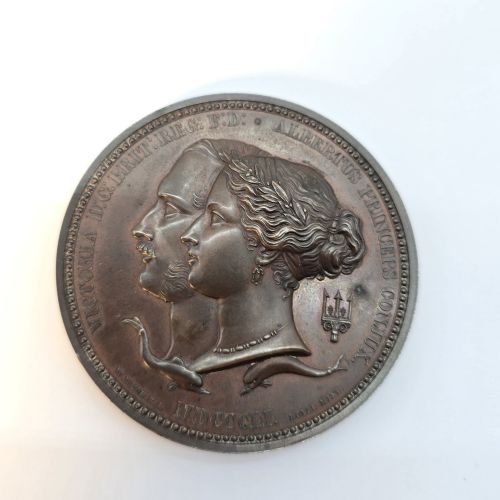
An antique bronze medallion captures specific nineteenth-century achievements through commemorative medals, exhibition medals and wall plaques. Buyers examining these pieces encounter weighty objects issued for major events like the Great Exhibition and the London International Exhibition.
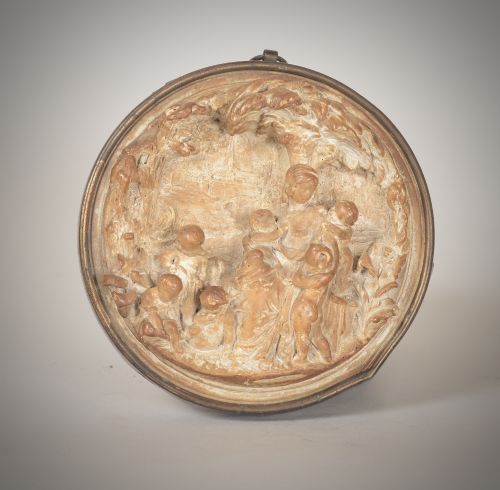
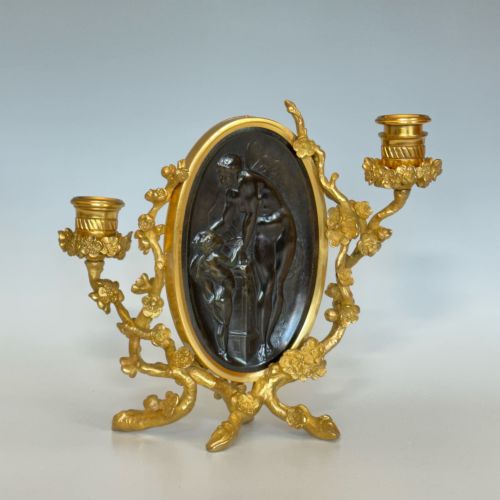
The selections span the nineteenth century, including specific dates such as eighteen-sixty and eighteen-fifty-one. Formats range from cased prize medals originally awarded to makers to decorative wall plaques depicting domestic scenes.
Victorian examples dominate the selection, often featuring named recipients, institutions or commercial enterprises. These items function as portable monuments to international trade, manufacturing progress and personal distinction.
How they were made
Production relies heavily upon casting techniques using bronze and patinated bronze, alongside alternative cast metal compositions. These methods allow for crisp lettering, high-relief portraits and intricate architectural imagery on both faces of the piece.
Presentation and display components incorporate tactile textiles such as velvet and satin, frequently fitted within protective cases designed to preserve the metal surface. The combination of cast metal and soft lining reflects the high status afforded to these exhibition awards.
Retail Price Guide 2026
Typical UK retail prices for bronze medallion, calculated from the Sellingantiques database of over a million retail prices indexed since 2003. This retail price guide relies exclusively on Sellingantiques data; no external sources or auction records are used, so the figures do not describe the wider market.
Listings feature Victorian pieces spanning the nineteenth century, including specific dates from eighteen-thirty to eighteen-sixty-two.
What varies in quality
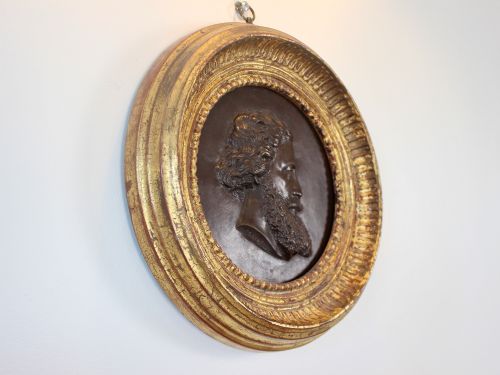
Distinction across these pieces rests upon the crispness of the strike, the depth of the relief work and the preservation of the original patination. Superior examples maintain sharp details on hair, drapery and lettering without smoothing from excessive handling.
Provenance and historical association elevate certain pieces significantly above standard production. Medals named to specific jurors, prominent manufacturing firms or accompanied by their original fitted cases demonstrate greater historical interest than unnamed counterparts.
George Shaw·Smith Beck and Beck·Waterlow and Sons·Carl Ranch·De Grave Short and Fanner·J Ottley
The Antique Bronze Medallion Glossary
- Medallion
- A large commemorative medal, often produced to mark a significant public event or exhibition rather than worn as personal jewellery. These larger formats allow for more detailed sculptural reliefs.
- Patinated bronze
- Bronze treated with chemical solutions to produce a specific surface colour or aged finish. This treatment protects the underlying metal while enhancing the visual depth of the relief.
- Prize medal
- An award presented to exhibitors, manufacturers or jurors at major international exhibitions. They record the commercial and industrial achievements of Victorian enterprises.
- Relief
- Sculptural technique where the figures and lettering project from the flat background. High relief creates strong shadows and a more three-dimensional appearance.
- Wall plaque
- A decorative metal panel designed to be hung rather than stored loose in a cabinet. These pieces often feature domestic or allegorical figurative subjects.
Frequently Asked Questions
What events do these medals commemorate?
These pieces primarily commemorate major nineteenth-century industrial exhibitions, including the eighteen-fifty-one Great Exhibition and the eighteen-sixty-two London International Exhibition. They celebrate manufacturing, science and international trade.
Individual awards also note specific commercial makers, chronometer makers and bank printers who contributed to Victorian enterprise.
How were exhibition medals originally presented?
Exhibition medals were frequently presented to winning manufacturers, inventors, and jurors involved in international trade fairs. Many survive within their original fitted cases lined with velvet and satin.
The inclusion of named recipients connects the portable metal object directly to a specific nineteenth-century firm or individual.
Are all these items medals to wear?
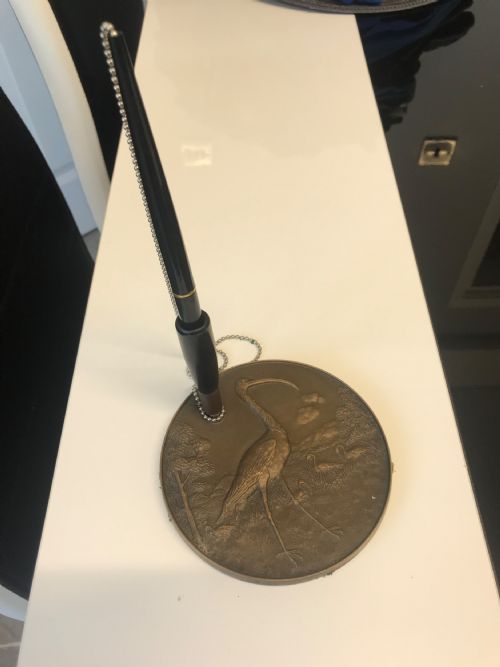
Not all pieces function as personal awards to be worn on a ribbon. Many are substantial medallions or bronze plaques intended for desk display or wall mounting.
The selection includes domestic relief plaques depicting figures alongside official exhibition awards.
What materials are used in these pieces?
Objects in this category are fashioned primarily from bronze and patinated bronze, utilising traditional metal casting techniques. Some examples involve alternative cast metal compositions.
Presentation formats incorporate tactile textile elements such as velvet and satin within fitted storage cases.