




Antique Bronze Wall Relief
An antique bronze wall relief brings sculptural depth and historic character directly onto a room's vertical surfaces.
Antique Bronze Wall Relief
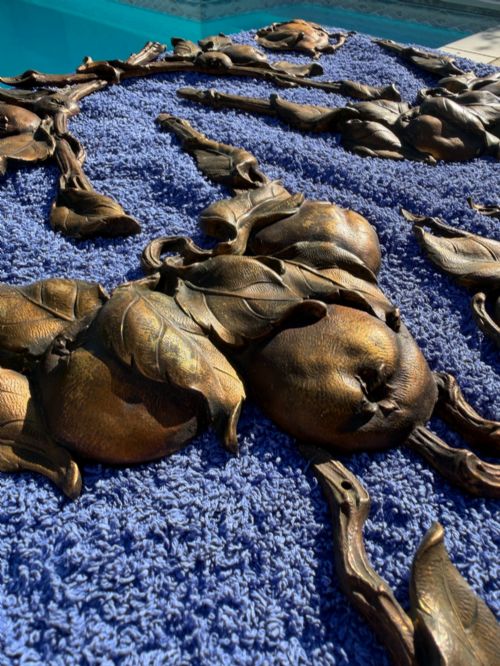
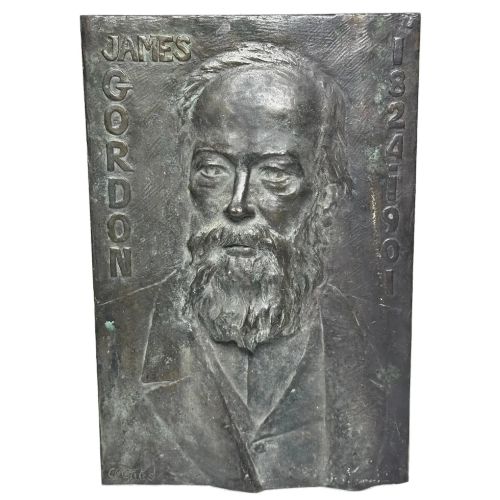
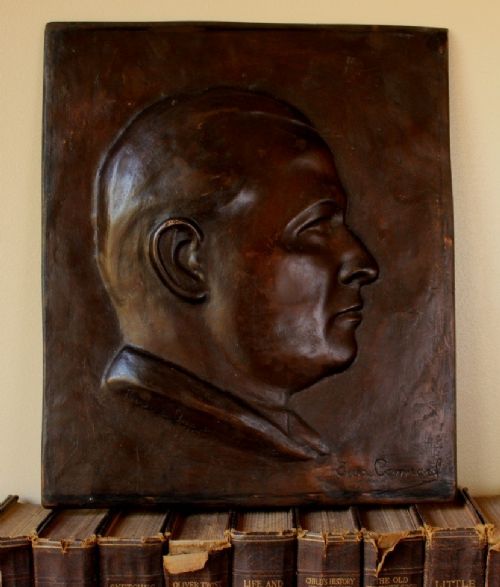
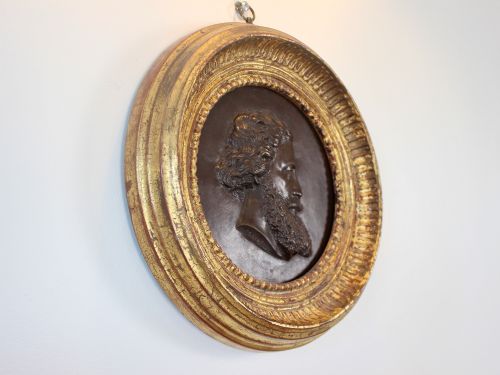
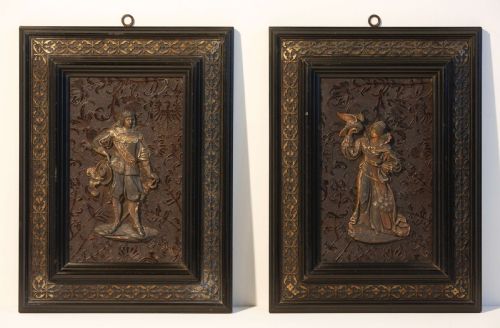
When you search for an antique bronze wall relief, you encounter cast metal plaques, roundels, and sculptural panels intended for interior display. The version you are most likely to meet on this page dates from the nineteenth century, reflecting periods such as the Victorian, Edwardian, and Art Nouveau eras. These items range from small portrait medallions and heraldic crests to grand tour souvenirs and classical figure compositions.
Makers and artists produced these works across Britain, France, Austria, and beyond, utilising metals and other sculptural media to capture likenesses, mythological scenes, and commemorative events. Alongside solid cast metal examples, the selection includes related relief formats in copper, brass, terracotta, plaster, and cast iron mounted in wood frames. Each piece offers a distinct physical presence, shaped by the decorative conventions of its specific decade.
Materials and Technique
Foundries and artists primarily employed casting techniques to shape molten metal into high and low relief panels. Bronze served as the principal medium, often complemented by copper, brass, and gilt finishes that highlighted fine surface details.
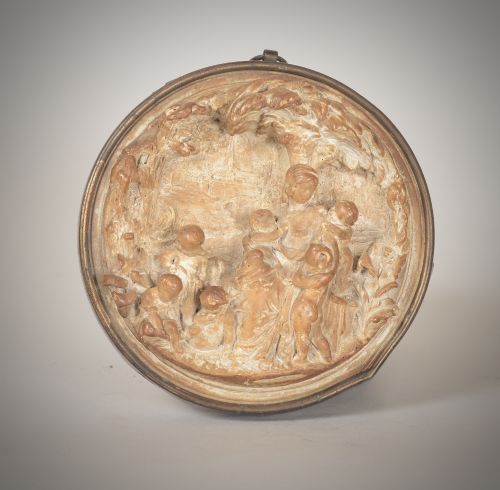
Alternative materials such as terracotta, plaster, and white metal also appear, sometimes treated with patination or bronzed coatings to simulate heavier metal. Wooden frames, giltwood mouldings, and turned mahogany surrounds frequently complete the presentation of these wall-mounted works.
Materials span traditional cast bronze alongside copper, terracotta, plaster, and white metal.
Factors of Quality
The sophistication of the patination and the integrity of any associated frame or mounting also distinguish finer objects. Pieces bearing clear signatures from known artists or established foundries command greater attention for their documented craftsmanship.
Poix Blin·Alice Gates·Eugene Canneel·MAINFROY·Ernst Wahliss·Smith, Beck and Beck·Gustav Grohe·Coalbrookdale·J Lavergne·Gian Federigo Bonzagna
The Antique Bronze Wall Relief Glossary
- Relief
- A sculptural technique where figures and motifs project from a flat background. High relief projects significantly, while low relief remains relatively flat.
- Roundel
- A circular panel or plaque used for decorative wall display. These often feature portrait profiles or symmetrical heraldic designs.
- Patina
- The surface coloration and sheen developed over time through age and chemical treatment. Artists also applied chemical patination deliberately during manufacture to accentuate shadows and highlights.
- Grand Tour
- A cultural journey undertaken by nineteenth-century travellers who collected portable art and antiquities as mementos. Many classical plaques and platters derive from this tradition.
- Applique
- An ornamental element designed to be attached to a larger surface, such as a wall or a piece of furniture. These frequently depict classical motifs or figures.
Antique Bronze Wall Relief: Frequently Asked Questions
Can I clean the surface of an antique bronze plaque?
Gentle dusting with a soft, dry cloth is usually sufficient to maintain the surface without disturbing the historic patina.
Avoid chemical polishes, abrasive cloths, or water, as these can strip away the original finish and damage the metal.
What is the difference between a plaque and a medallion?
Plaques generally refer to rectangular, square, or irregularly shaped panels designed for wall mounting.
Medallions are typically smaller and circular, often modelled closely on commemorative coins or award medals.
How can I tell a nineteenth-century piece from a later copy?
Examine the back of the object for casting marks, oxidation patterns, and the wear associated with age.
Twentieth-century reproductions often feature softer detail, modern fixing methods, and lack the characteristic surface grain of older foundry work.