





Patinated Bronze Plaque
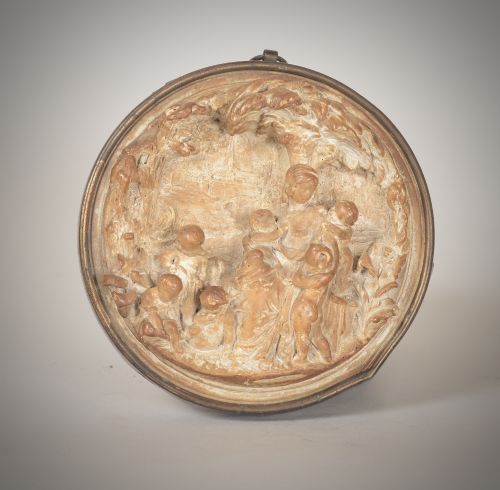
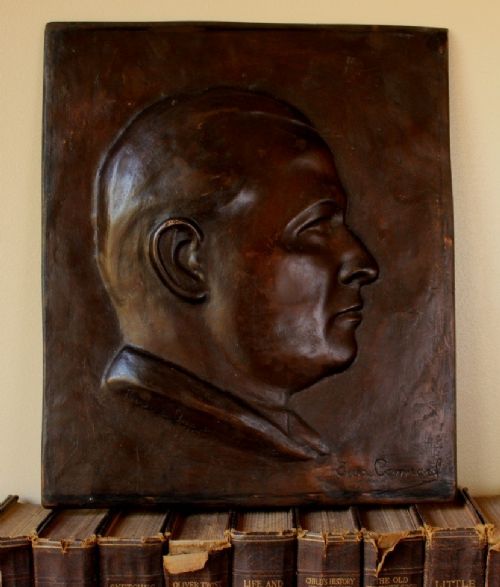
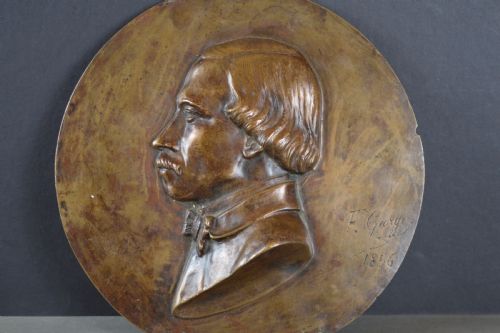
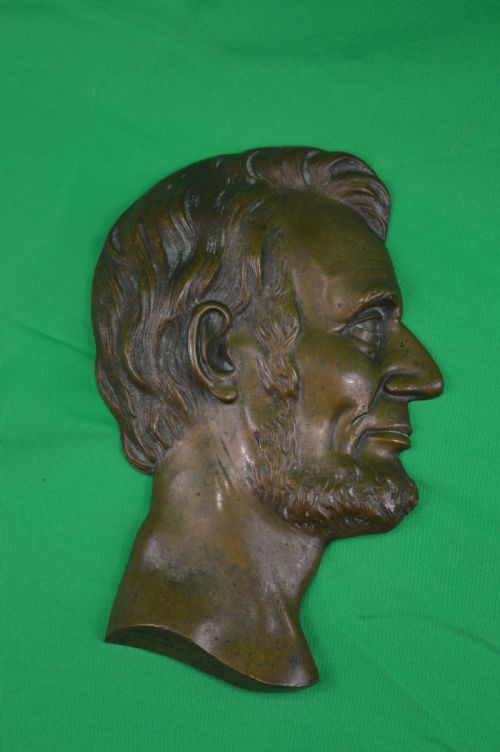
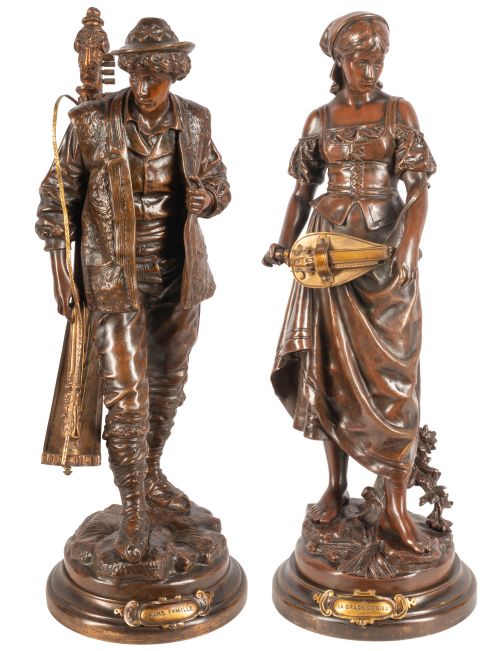
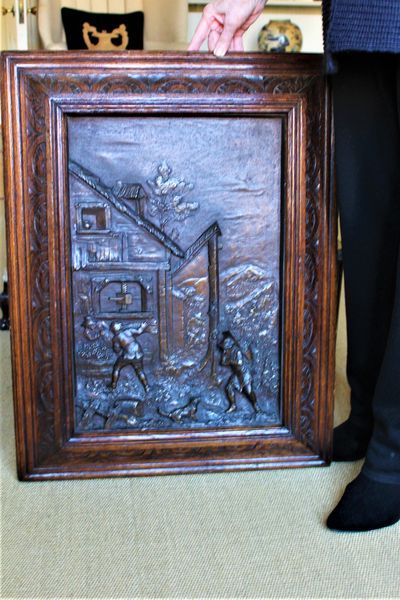
These patinated bronze plaque pieces are cast metal reliefs that bring classical and portrait subjects into interior wall displays.
Patinated Bronze Plaque
When you search for a patinated bronze plaque, you find cast metal wall ornaments spanning several centuries and aesthetic movements. The selection on this page includes wall plaques, exhibition medals, door hardware, and fireplace friezes.
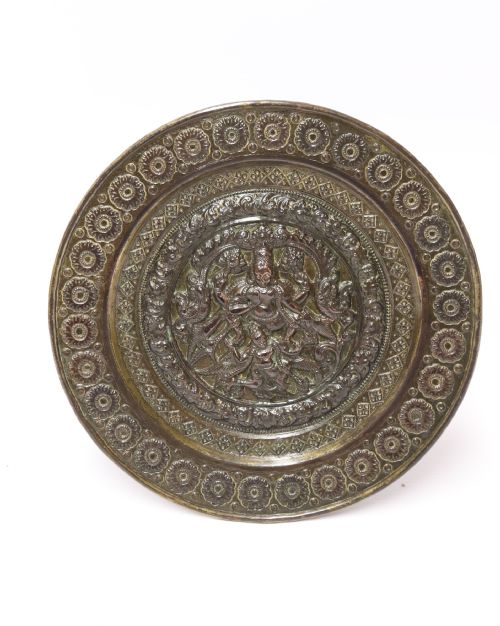
The objects draw on diverse cultural traditions, ranging from Victorian portraiture and Neoclassical subjects to traditional Chinese motifs and Indian Raj period designs. You encounter both small portrait reliefs and larger sculptural plates intended for prominent wall display.
Nineteenth century examples dominate the selection, often reflecting Grand Tour tastes or commemorative subjects. Makers and artists utilise traditional casting methods to render profiles, figures, and symbolic compositions in metal.
How they were made
The pieces on this page rely primarily on bronze casting, alongside related media such as brass, gilt bronze, and bronzed plaster. Artisans poured molten metal into moulds to achieve detailed relief surfaces depicting human profiles, animals, and classical scenes.
Makers applied chemical treatments to the metal surfaces to create distinct surface finishes and patinations, ranging from dark aged tones to bright highlights. Certain items combine cast metal elements with wooden mounts or stone supports to form complete wall pieces.
Even fierce bronze Foo dogs need a sturdy door plate to lean against after a long day of guarding.
What varies in quality
The distinction between standard production items and finer works often rests on the precision of the cast and the presence of a signature from a known sculptor or medalist. Pieces originating from specific historical exhibitions or signed by named artists command greater attention from collectors.
Eugene Canneel·Smith Beck and Beck·J Lavergne
The Patinated Bronze Plaque Glossary
- Patinated bronze
- Bronze that has been treated with chemical solutions to produce a coloured surface film or aged appearance. This finish protects the underlying metal while defining the sculptural contours.
- Relief
- Sculptural work where the figures project from a flat background surface. High relief forms stand out significantly, whereas low relief items maintain a flatter profile.
- Grand Tour
- The cultural journey of Europe undertaken by wealthy young men in the eighteenth and nineteenth centuries. Souvenirs from these travels included classical bronze plaques and plaster reliefs.
- Neoclassical
- A style of art and architecture inspired by the classical art and culture of ancient Greece and Rome. It appears frequently in nineteenth century decorative metalwork.
- Exhibition medal
- A commemorative award minted for international trade fairs and industrial exhibitions. These metal pieces often record specific exhibition dates and manufacturer names.
Patinated Bronze Plaque: Frequently Asked Questions
How do I hang a heavy bronze plaque?
Most heavy metal plaques require secure wall fixings such as screws and wall plugs matched to the weight of the piece. Ensure the hanging wire or integrated mounting brackets are robust enough to support solid bronze safely.
Position the plaque at eye level on a structurally sound wall, avoiding plasterboard unless proper cavity anchors are utilised to bear the load.
How should I clean a patinated bronze surface?
Dust the surface gently with a soft, dry cloth to remove accumulated particles without disturbing the underlying metal finish. Avoid harsh chemical cleaners, abrasive cloths, or polishes that can strip away the aged patination.
Professional conservation advice is recommended if the metal requires deeper cleaning or stabilisation due to environmental exposure.
What is the difference between a bronze plaque and a medal?
Bronze plaques are primarily designed as decorative wall art or architectural elements intended for visual display. They vary widely in shape, size, and subject matter.
Medals are generally smaller, portable commemorative objects minted to record specific events, exhibitions, or achievements, often featuring inscriptions on both sides.
How do I date an antique bronze relief?
Dating relies on stylistic clues, historical context, and any signatures, inscriptions, or exhibition dates cast into the metal. Neoclassical and Victorian motifs point to nineteenth century production.
Examine the back of the piece for casting methods, tool marks, and mounting hardware that correspond to specific manufacturing periods.