
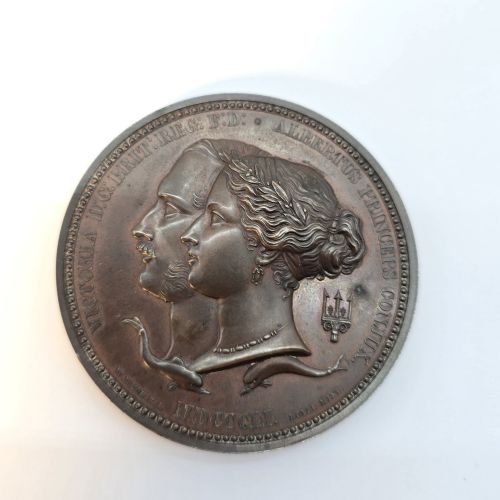
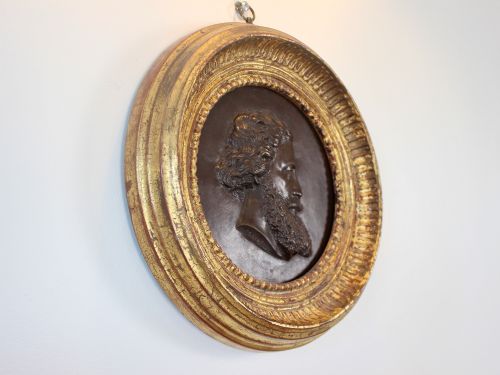


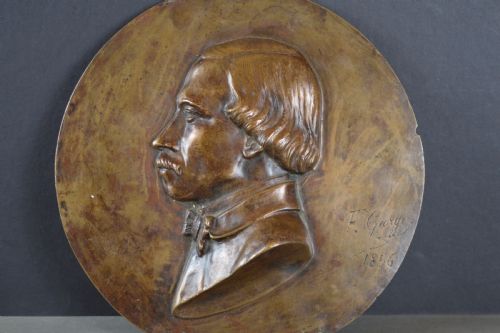


Victorian Bronze Medallion
A victorian bronze medallion is a cast or struck metal piece capturing a specific exhibition, portrait, or historical event.
Victorian Bronze Medallion
When you search for a victorian bronze medallion, you encounter commemorative items, exhibition awards, and portrait reliefs produced during the nineteenth century. These objects record industrial fairs, royal jubilees, and individual likenesses in solid metal.
The pieces on this page span from official exhibition awards to portrait plaques of literary figures and historical personages. They appear as round medals or wall panels intended for display.
Most examples originate from the Victorian era and the broader nineteenth century, reflecting the period's taste for international exhibitions and memorialising notable figures.
Materials and production methods
Makers utilised bronze, patinated bronze, and copper to cast or strike these items, often achieving distinct surface tones through patination. Certain pieces incorporate gilt bronze or are mounted within wood and giltwood frames.
Listings feature 19th Century and Victorian periods, utilising materials such as bronze, copper, and patinated bronze in wall plaques and medals.
Assessing quality in bronze work
Quality rests in the crispness of the cast and the depth of the relief work, particularly around hair, drapery, and lettering. Softer details indicate a worn mould or a secondary strike.
The presence of an engraved recipient name or a known maker adds distinct historical context to an exhibition medal or portrait plaque.
George Shaw·Mainfroy·Gustav Grohe·J Lavergne
The Victorian Bronze Medallion Glossary
- Bronze
- An alloy consisting primarily of copper, traditionally combined with tin, used for durability and fine detail casting in medals and plaques.
- Patinated bronze
- Bronze treated chemically or naturally to produce a specific surface colour, ranging from deep brown to near black.
- Exhibition medal
- A commemorative award minted to mark international industrial fairs and exhibitions held during the nineteenth century.
- Portrait plaque
- A flat metal panel featuring the raised likeness of an individual in profile or three-quarter view.
- Relief
- Sculptural work where the figures project from a flat background, categorised by depth as high or low relief.
Victorian Bronze Medallion: Frequently Asked Questions
What is a victorian bronze medallion?
A victorian bronze medallion is a cast or struck metal object commemorating an exhibition, historical event, or notable person from the nineteenth century.
These pieces function as portable medals or wall-mounted plaques, often recording specific awards and industrial achievements.
How were exhibition medals used?
Exhibition medals were awarded to manufacturers, inventors, and jurors participating in major nineteenth-century international fairs.
Recipients displayed these medals to demonstrate industrial excellence and official recognition during the Victorian period.
How do I date a bronze medallion?
Dating relies on inscribed years, named historical events, exhibition dates, and stylistic markers associated with nineteenth-century portraiture.
Many pieces carry specific dates relating to international exhibitions or memorial subjects.
How should I display bronze plaques?
Bronze plaques and medals are suitable for wall hanging or placement within specialised display cabinets.
Keep them away from direct moisture and handle them by the edges to protect the original patination.