



Antique Commemorative Medal
These antique commemorative medal pieces mark exhibitions, services, and memorials in bronze, silver, and gold.
Antique Commemorative Medal
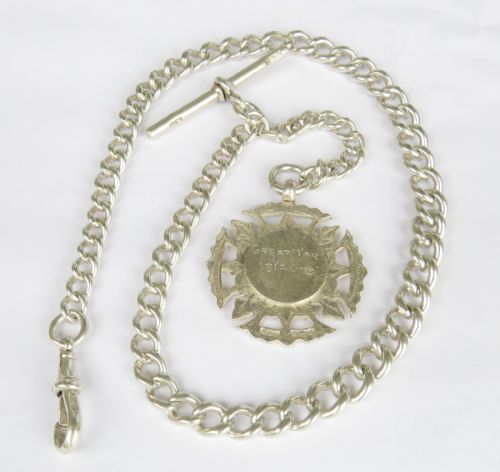
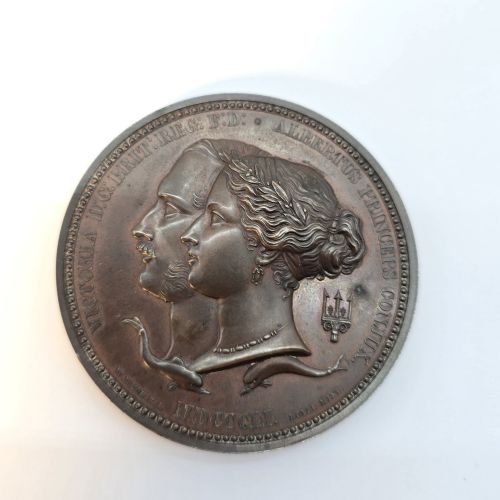
An antique commemorative medal records international exhibitions, royal events, and personal services across the nineteenth and early twentieth centuries. These pieces take the form of pocket watch chains, pendants, and cased exhibition medals issued to jurors, makers, and manufacturers.
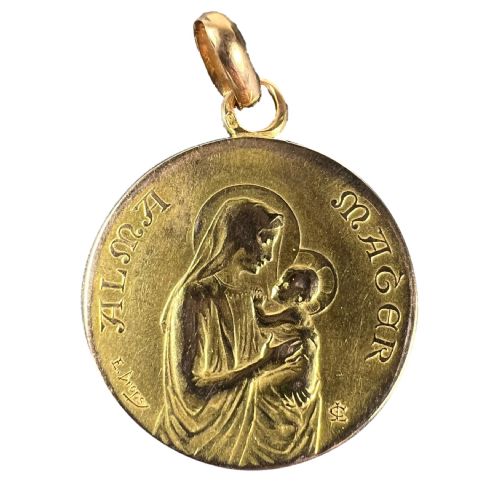
The selections encountered here span the Victorian era, the French Second Empire, and the Edwardian or First World War periods. Buyers find silver, bronze, patinated bronze, and eighteen-carat yellow gold strikes, often accompanied by original velvet, silk, or satin ribbons.
Makers and recipients include institutions such as the Bank of England printers alongside named individuals and international manufacturers. Each medal serves as a tangible historical record of nineteenth-century industry, arts, and commemorative culture.
How they were made
Metals such as bronze, silver, sterling silver, vermeil, and eighteen-carat yellow gold form the physical body of these pieces. Struck and cast techniques deliver crisp relief lettering and detailed portraiture on the obverse and reverse faces.
Textiles play a structural role in presentation and wear, utilising original silk, satin, and velvet ribbons or fitted boxes. Patinated bronze finishes alter the surface colour deliberately to highlight high-relief details against recessed dark areas.
What varies in quality
The crispness of the metallic strike and the preservation of high-relief detail distinguish finer examples from worn pieces. Original case-work and surviving contemporary ribbons contribute substantially to the integrity of the object.
Historical association elevates certain issues, particularly when medals name specific historical firms, international exhibition jurors, or include documented presentation boxes.
Smith Beck And Beck·Waterlow And Sons·De Grave Short And Fanner·Frederic Boucheron
The Antique Commemorative Medal Glossary
- Patinated bronze
- Bronze treated with chemical solutions to produce a specific surface colour or dark finish. This technique enhances the visual contrast of sculpted details.
- Vermeil
- Sterling silver coated with a thick layer of gold. It combines the weight of silver with the rich appearance of solid gold.
- Pocket watch albert chain
- A heavy chain attached to a pocket watch, often adorned with commemorative fobs and medals. They were widely worn across the nineteenth century.
- Exhibition medal
- A prize or commemorative medallion awarded to manufacturers, inventors, and jurors at major international fairs. They record industrial and artistic achievements of the period.
Antique Commemorative Medal: Frequently Asked Questions
What events do these medals commemorate?
These medals commemorate major international industrial exhibitions, military services, and cultural memorials from the nineteenth and early twentieth centuries.
Specific examples celebrate events like the Great Exhibition of 1851 and the London International Exhibition of 1862, alongside specific maker awards and religious subjects.
How were these medals originally worn or displayed?
Exhibition medals and service awards were often mounted on original silk, satin, or velvet ribbons for formal display or pinning to garments.
Smaller medals and fobs were attached to sterling silver pocket watch albert chains, allowing owners to wear their awards daily.
What metals are commonly found in these pieces?
Common metals include bronze, patinated bronze, sterling silver, and solid eighteen-carat yellow gold.
Some French pieces utilise vermeil, which is silver-gilt, adding a warm gold layer over a silver base.
How can I identify the period of a medal?
Periods are identified through stylistic cues, stamped dates, and historical associations with named international exhibitions or Victorian manufacturing firms.
Materials and accompanying original presentation boxes or ribbons also help anchor the piece to eras such as the French Second Empire or the Edwardian period.