






Cast Bronze Wall Art
Cast bronze wall art brings solid weight and deep metallic tones to an interior, offering everything from portraits to lighting.
Cast Bronze Wall Art
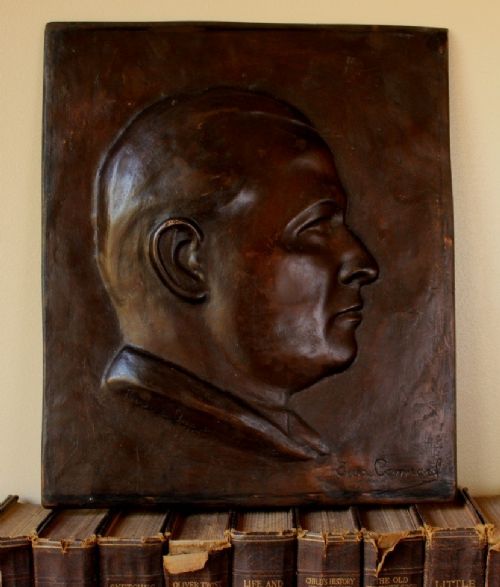
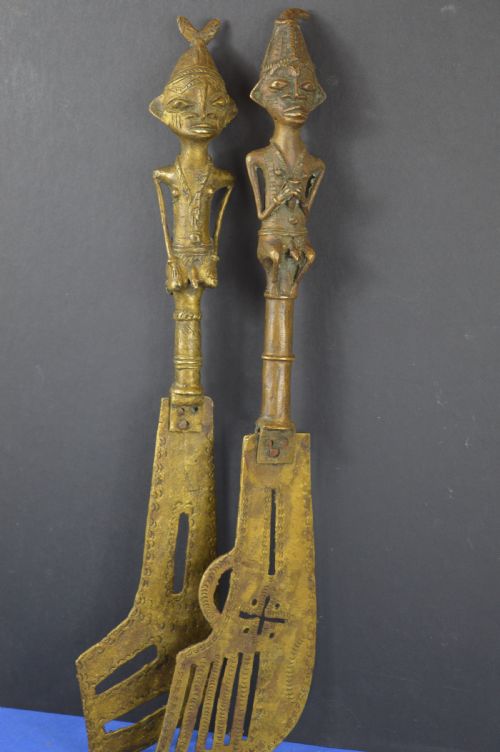
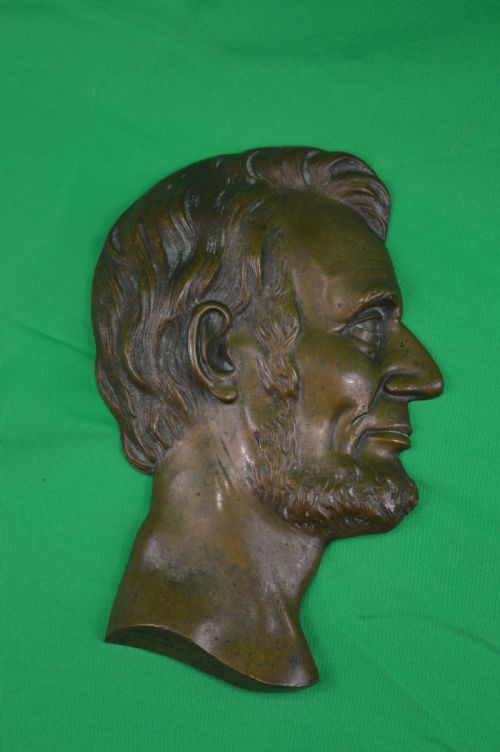
Cast bronze wall art comprises a diverse range of heavy metallic pieces designed for display on vertical surfaces, including wall plaques, relief plaques, sconces, and sculptural hooks. When searching for cast bronze wall art, buyers encounter items varying widely in origin, from French portrait plaques to West African tribal staffs and British foundry work.
The selection on this page spans several distinct eras, incorporating Victorian and 19th-century portrait pieces alongside Art Nouveau, Art Deco, and later twentieth-century designs. Wall lights and sconces frequently combine the heavy metal framework with contrasting glass elements, while standalone plaques focus on sculptural relief portraits and figural scenes.
Materials and construction methods
The primary material across these pieces is cast bronze, often complemented by patinated metal, brass, cast iron, lead, and amber frosted glass in lighting fixtures. Foundries utilised traditional casting techniques to capture fine details in human portraits, cherubs, and decorative motifs.
Secondary materials play a structural or aesthetic role, such as turned mahogany frames housing roundels, or glass shades paired with metal arms in boudoir wall lights. Surface finishes vary from dark patination to polished highlights that accentuate the depth of the relief casting.
Napoleon and Marie-Louise continue their perpetual stare from turned mahogany frames, keeping watch over whichever room claims them next.
Qualities that set pieces apart
The presence of a known signature, a recognised foundry mark such as Coalbrookdale, or documented historical subjects elevates a piece. Additionally, the integrity of associated components, such as original glass shades or matching pairs, distinguishes superior examples from standard items.
Eugene Canneel·Liberty·Coalbrookdale
The Cast Bronze Wall Art Glossary
- Patinated metal
- Metal treated with chemicals or heat to alter its surface colour and tone. This finish protects the underlying material while adding depth and character to the relief.
- Relief plaque
- A flat decorative panel where the sculpted design projects from the background. These pieces are cast to be hung directly on a wall.
- Wall sconce
- A lighting fixture fixed to a wall that uses brackets to support lamps or candles. Examples often combine cast metal arms with glass components.
- Roundel
- A circular panel or artwork, frequently used for portrait medallions. They often appear mounted within turned wooden frames.
Cast Bronze Wall Art: Frequently Asked Questions
Are these pieces suitable for bathrooms?
Bronze and brass naturally resist corrosion better than iron, but damp environments can still affect patinated surfaces and electrical components in wired sconces. Pieces incorporating glass or wood frames need particular care around moisture.
Ensure that any wall lights intended for humid spaces meet appropriate electrical safety standards for damp locations.
How should I clean bronze wall art?
Dust bronze surfaces gently with a dry, soft cloth to prevent the accumulation of grime in the recessed details of relief plaques. Avoid using harsh chemical cleaners or abrasive polishes that can strip away the original historical patina.
If the piece includes glass shades, remove them carefully for washing with mild soapy water before reinstalling.
How do I identify a 19th-century casting?
Nineteenth-century pieces often display heavier casting gauges, deeper hand-finished patination, and specific stylistic indicators like Victorian or Empire motifs. Foundry marks or artist signatures stamped into the metal can also point toward a specific period.
Compare the mounting points and fixing screws with historical examples, as older pieces frequently utilise hand-cut screws or traditional slot configurations.