




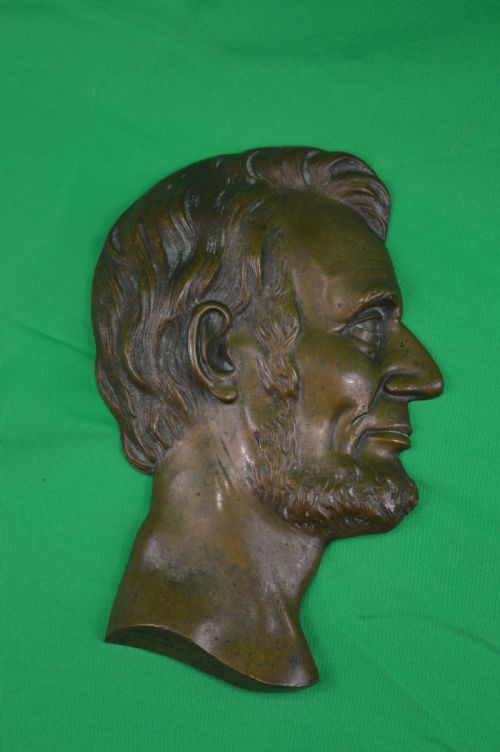

Victorian Cast Metal Plaque
These robust pieces of victorian cast metal plaque capture the industrial might and decorative flair of the nineteenth century through enduring metalwork.
Victorian Cast Metal Plaque
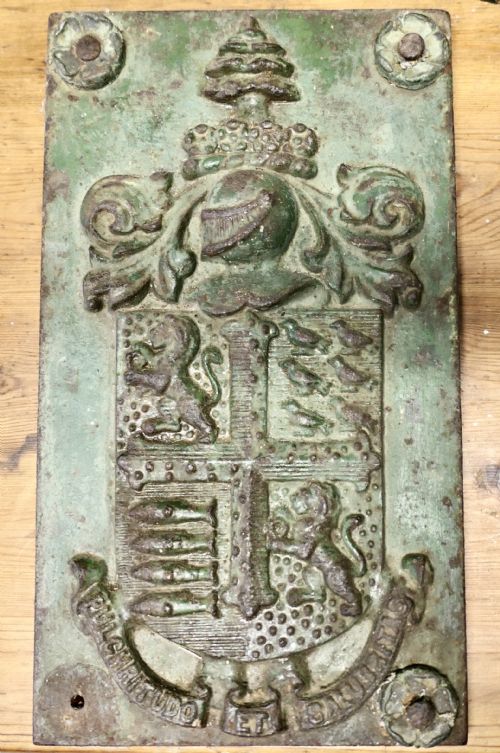
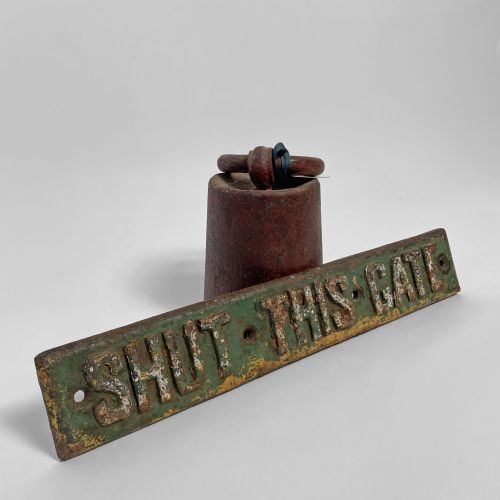
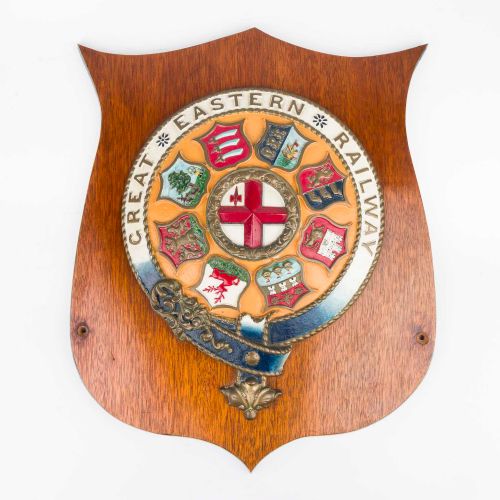
A victorian cast metal plaque encompasses heavy iron armorials, railway signs, and detailed portrait platters spanning the nineteenth century. These objects serve varied purposes, transitioning from architectural salvage and street signage to interior decorative wall art.
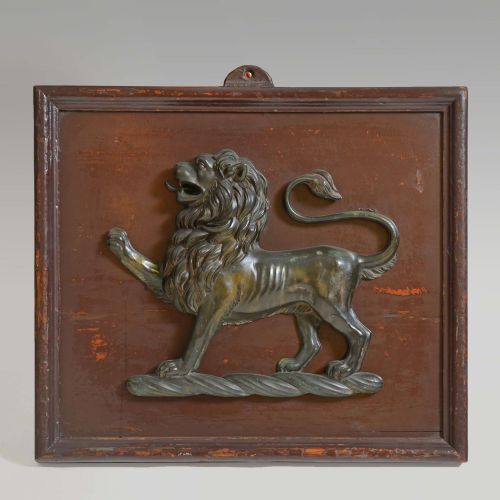
The most frequent examples found in this selection include cast iron armorial crests, railway notices, and bronze portrait plaques. Buyers will encounter both utilitarian street signs and refined classical platters originating from the Victorian era.
Forms range from monumental portrait pairs depicting historical figures to intricate brass wall pockets and trade signs. Each piece reflects the diverse casting techniques utilised by workshops during the period.
Assessing Quality
The complexity of the subject matter, such as multi-figure heraldic crests or detailed neoclassical platters, dictates the level of craftsmanship. Original surface treatments, including aged paint and natural bronze patination, enhance the integrity of the piece.
One hanging trade sign is boldly modelled as a pocket watch, ensuring nobody ever misses the time while passing by.
Milners of Liverpool·Coalbrookdale·J. & H. Keyworth and Co
The Victorian Cast Metal Plaque Glossary
- Armorial
- Relating to heraldry or a coat of arms. These designs appear frequently on cast iron crests and railway plaques.
- Patination
- The natural ageing or applied coloration on the surface of bronze and metal. This finish develops over decades of exposure.
- Relief
- Sculptural technique where figures or lettering project from a flat background. Portrait plaques and crests rely entirely on this method.
- Foundry
- A factory that produces metal castings. British foundries of the nineteenth century produced both utilitarian ironwork and fine art bronzes.
Victorian Cast Metal Plaque: Frequently Asked Questions
What were cast iron signs used for?
Cast iron signs served practical functions such as regulating railway gates and marking public streets. Railway companies and local authorities utilised them for clear public communication.
Over time, these utilitarian objects transitioned into collectible pieces of architectural salvage valued for their robust industrial character.
How do I hang a heavy metal plaque?
Heavy iron and bronze plaques require secure wall anchors capable of supporting substantial weight. Fixing points should align with existing structural brackets or reinforced hanging loops on the object.
Consulting a professional installer ensures the masonry or stud wall bears the load safely without damaging the antique metalwork.
Are bronze and iron plaques cleaned differently?
Bronze surfaces benefit from light dusting and occasional microcrystalline wax application to preserve the patinated finish. Harsh chemical cleaners strip the historic surface layer.
Cast iron requires protection from moisture to prevent rust, often managed through careful dry cleaning and targeted protective oils.
How can I tell a Victorian plaque from a later copy?
Nineteenth-century casting methods leave specific surface textures, tool marks, and sand-mould irregularities unique to period foundries. Weight, material density, and the composition of the metal provide further clues.
Examining the depth of relief and the natural wear on mounting points helps distinguish genuine period pieces from modern reproductions.