



Decorative Bronze Wall Plaque
A decorative bronze wall plaque brings depth and historical character to a room, offering sculptural presence through enduring metalwork.
Decorative Bronze Wall Plaque
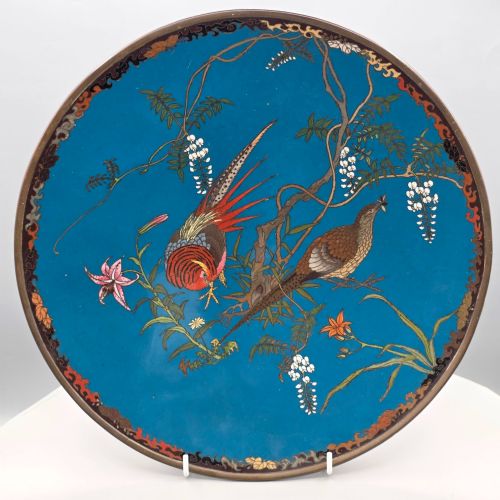
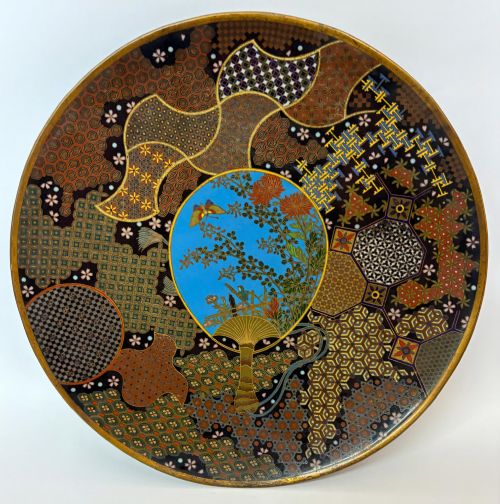
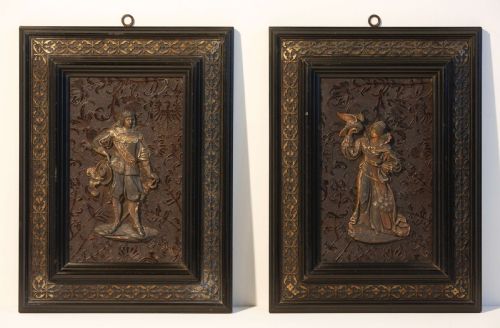
A decorative bronze wall plaque encompasses cast or hammered metal pieces designed for interior display, spanning Victorian, nineteenth-century, and early twentieth-century periods. These items range from classical platters and heraldic shields to intricate Japanese chargers and relief panels.
Originating from diverse workshops across Britain, France, Austria, and Japan, these pieces reflect varied cultural aesthetics of the nineteenth and early twentieth centuries. Each item serves primarily as a visual focal point for wall mounting.
Materials and construction
Makers utilised casting, hammering, and cloisonné enamelling techniques to shape bronze, copper, brass, and white metal into enduring decorative forms. Surface decoration often incorporates applied gilding, mixed metals, and enamel work to build rich textural contrast.
Substrates like ebonised wood or terracotta occasionally frame the metalwork, particularly in continental European relief plaques and wall masks. Artisans finished these surfaces through chasing, patination, and detailed hand-relief moulding.
The listings combine European Neoclassical, Art Nouveau, and Arts and Crafts designs with Japanese Meiji period cloisonné work.
Assessing quality and execution
Quality rests upon the crispness of the casting or the precision of the hand-beaten relief work, distinguishing master-grade output from routine foundry production. Finer pieces demonstrate superior control in patination and complex surface detailing, such as multi-coloured cloisonné enamels or intricate mixed-metal inlays.
The reputation of the workshop, evidence of artist signatures, and the overall coherence of the design within its specific stylistic movement heavily influence the standing of an individual piece.
Ernst Wahliss·Faulkner Bronze Company·Coalbrookdale
The Decorative Bronze Wall Plaque Glossary
- Cloisonne
- A decorative metalwork technique where thin wire partitions are soldered to a base and filled with enamel paste before firing.
- Grand Tour
- A nineteenth-century cultural journey undertaken by wealthy Europeans, acquiring classical souvenirs like bronze platters and classical reliefs.
- Meiji Period
- The era in Japanese history from 1868 to 1912 noted for exceptional mastery in metalwork, bronze casting, and intricate cloisonné.
- Neoclassical
- A style drawing inspiration from the classical art and culture of ancient Greece and Rome, prevalent during the nineteenth century.
- Relief
- Sculptural technique where figures or designs project from a flat background surface rather than standing entirely free.
Decorative Bronze Wall Plaque: Frequently Asked Questions
How do I hang a heavy bronze plaque?
Ensure the wall fixing engages directly with structural timber or masonry rather than relying solely on plasterboard. Use sturdy picture wire or integrated rear brackets that match the weight of the metal.
Check that the mounting hardware is rated for heavy objects to prevent accidental slippage over time.
What periods are common for these plaques?
The pieces seen here date predominantly from the nineteenth century, including Victorian productions and Japanese Meiji period examples. You will also find items stretching into the early twentieth century.
Stylistic markers like Neoclassical motifs or Arts and Crafts copperwork help indicate the specific era of manufacture.
How should I clean a bronze wall plaque?
Dust the surface gently with a soft, dry cloth to remove accumulated particles without disturbing the underlying patina. Avoid chemical cleaners or abrasive polishes that strip away age-related coloration.
Professional conservation advice is recommended if deeper cleaning becomes necessary due to corrosion.
Are these pieces signed by the maker?
Certain items carry artist signatures or foundry marks, particularly Japanese cloisonné chargers and specific European bronze castings. These inscriptions often appear on the reverse or along the lower edge of the design.
Unsigned pieces remain common and are typically attributed through stylistic analysis and material comparison.