


Antique Maritime Picture
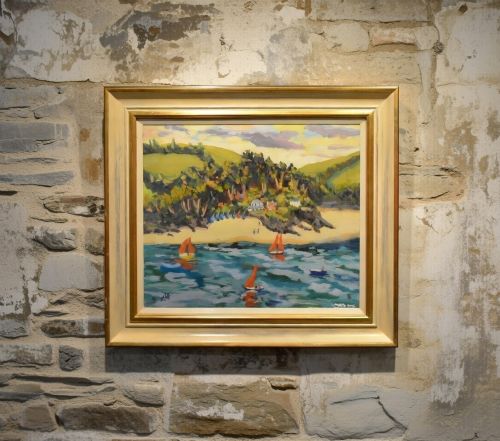
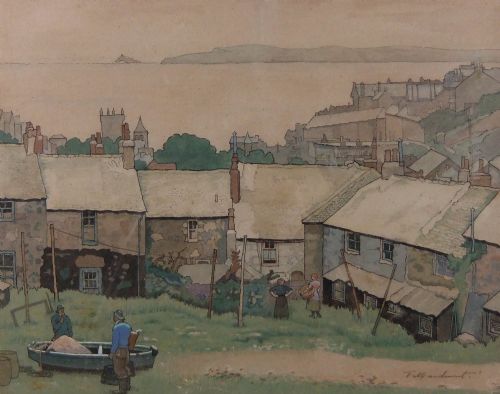
An antique maritime picture captures the enduring pull of the sea through period watercolours, oils, and detailed woolwork.
Antique Maritime Picture
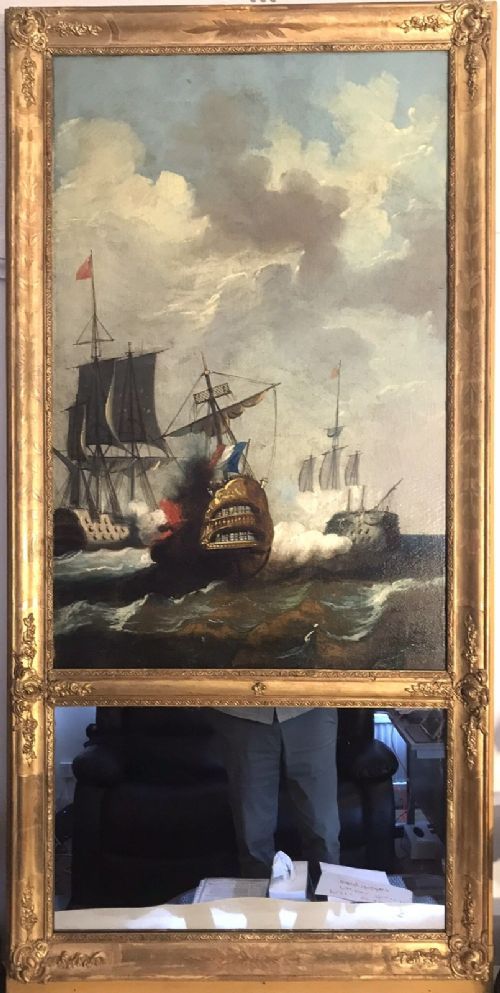
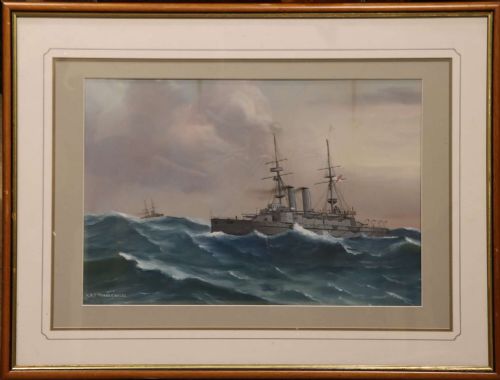
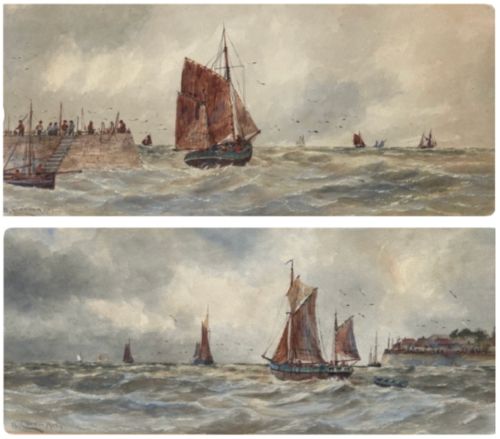
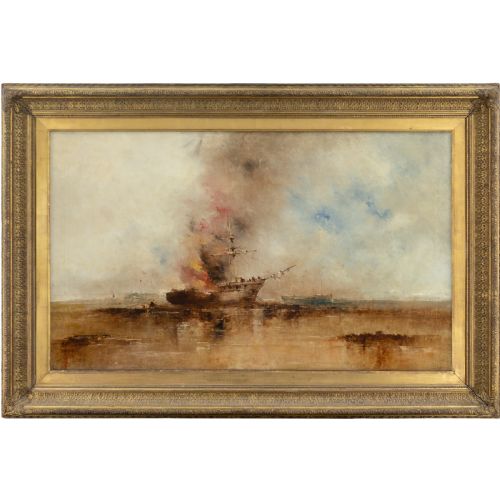
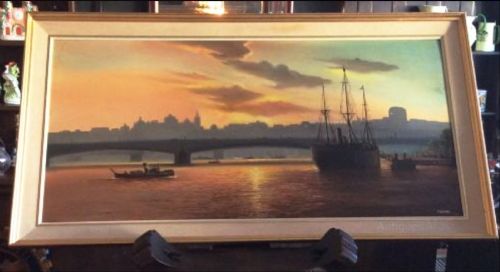
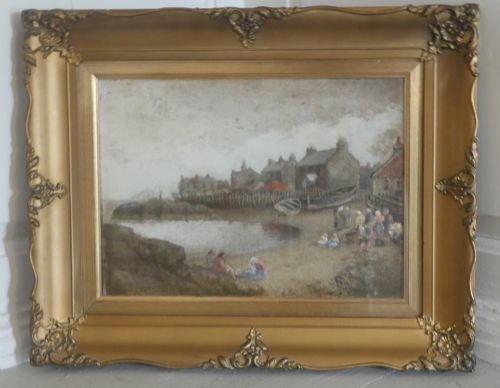
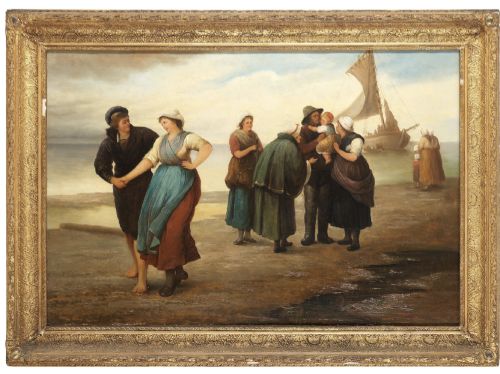
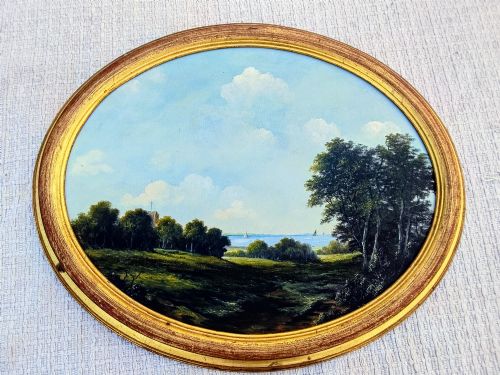
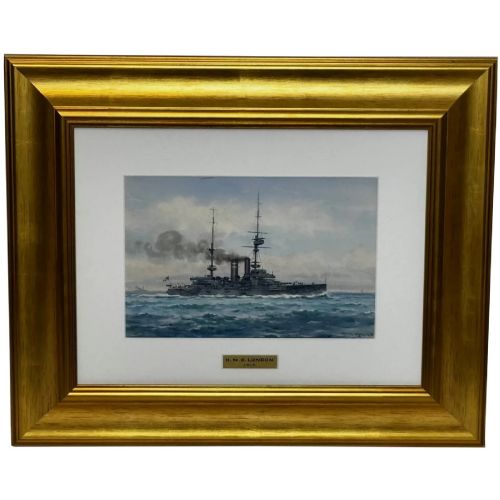
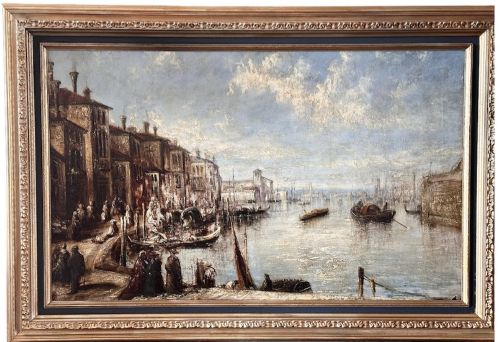
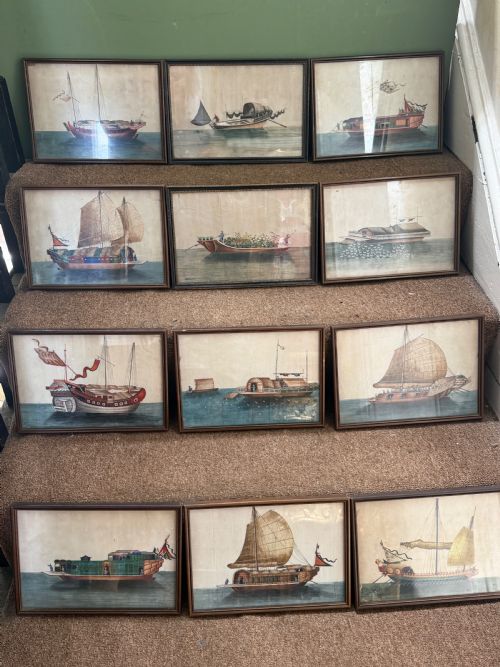
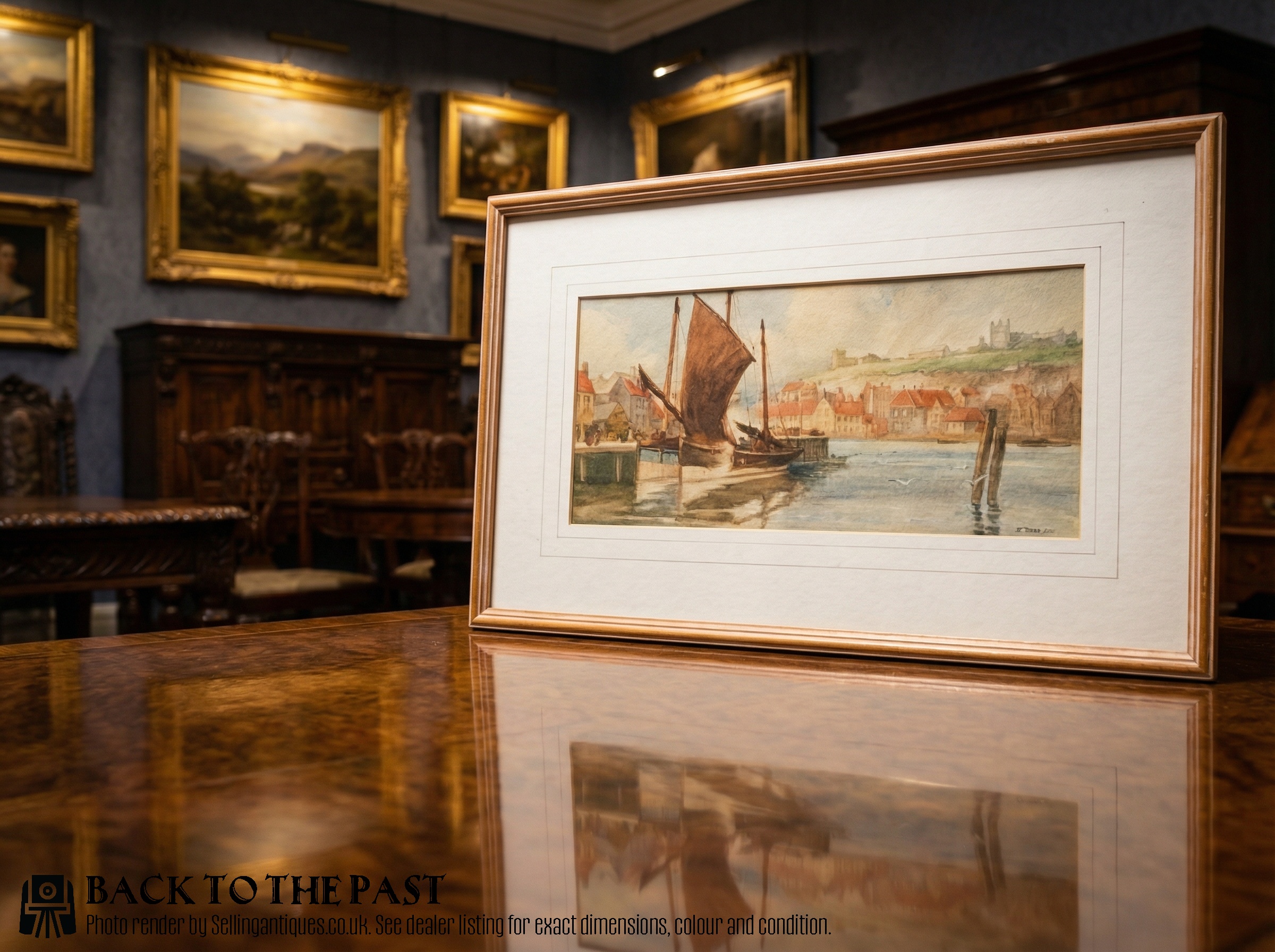
An antique maritime picture encompasses framed watercolours, oil paintings on canvas or board, gouache works, and woolwork pieces documenting coastal views, naval vessels, and bustling harbours. When exploring these works, buyers encounter varied interpretations of the sea ranging from dramatic storm scenes and busy dockyards to serene coastal landscapes.
The selections span the nineteenth century through the Edwardian era and into the mid-twentieth century, reflecting changing artistic approaches to shipping and marine life. Works frequently feature specific vessels, historic ports, and coastal communities across Britain, France, and beyond.
Most pieces arrive framed, often in period wood or gilt wood frames that complement the maritime subject matter. Buyers often select these works to bring historical character and a strong sense of place into domestic interiors.
How They Were Made
Artists utilised traditional pigment on paper or oil on canvas, employing fine brushes to render intricate rigging, choppy water, and atmospheric skies. Watercolours were built up in transparent washes, whilst oil paintings allowed for thicker impasto textures to capture the weight of heavy seas.
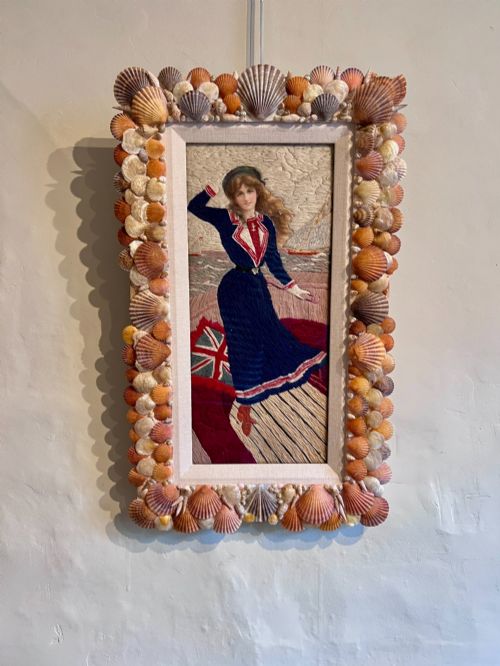
Alternative mediums include gouache on paper and detailed textile constructions such as woolwork pictures, commonly known as woolies. These diverse techniques were protected by glass and housed within wooden or gilt wood frames designed to preserve the delicate surfaces.
The listings feature works spanning the nineteenth century, the Edwardian period, and the mid-twentieth century.
What Varies in Quality
The distinction between standard works and finer examples lies in the artist's command of perspective, light, and maritime detail. Superior pieces demonstrate precise understanding of nautical architecture, rigging, and coastal topography, whereas lesser works rely on formulaic compositions.
Condition and originality also determine the standing of a piece, particularly the stability of the canvas or paper and the preservation of the original pigments. Original framing in period wood or gilt surrounds further enhances the integrity of the surviving artwork.
William Cannon·William McAlpine·Edward Mills·Frank Watson Wood·Francis Moltino·Thomas Maidment·John Wilson Carmichael·John Macvicar Anderson·Joseph Farquharson·George Stanfield Walters·William Frederick Settle·Alfred George Morgan·Charles William Wyllie·Charles Napier Hemy·Vincenzo D’Esposito·William Lee Hankey·Gustave De Bréanski·Fred Waugh
The Antique Maritime Picture Glossary
- Gouache
- An opaque watercolour paint that dries to a matte finish, frequently utilised for sharp details on maritime pictures.
- Seascape
- A work of art depicting the sea, coastal views, ships, or marine activities.
- Gilt Wood
- Wood treated with a thin layer of gold leaf or gold paint, commonly used for period picture frames.
- Impasto
- A technique where paint is laid onto a canvas in very thick layers, standing out from the surface to give texture to waves or clouds.
Antique Maritime Picture: Frequently Asked Questions
What subjects do maritime pictures show?
These works depict a wide variety of nautical scenes, including bustling harbour docks, historic sailing ships at sea, and quiet coastal landscapes. Many pieces record specific vessels, naval engagements, or working fishing boats.
Artists also captured dramatic coastal weather, from heavy seas and stormy conditions to calm river estuaries and tranquil seaside villages.
How do I identify a woolwork picture?
A woolwork picture, often called a woolie, is constructed entirely from coloured wool threads stitched onto a backing canvas. They were frequently made by sailors during long voyages to depict their ships and comrades.
These textile works often feature raised stitching for the ship hulls and sails, giving them a distinct three-dimensional texture compared to flat painted artworks.
Are these paintings original period pieces?
The listings consist of original period works created across the nineteenth and twentieth centuries. Each piece reflects the materials and artistic styles of its specific decade of creation.
Signatures, dates, and framing often provide direct evidence of the era in which the artist produced the work.
How should I frame and display a watercolour?
Watercolours on paper require protection from direct sunlight to prevent fading of the delicate pigments. Framing behind glass with acid-free mounts ensures the paper remains secure and well-preserved.
Displaying them in dry rooms away from excessive humidity protects both the paper support and the surrounding period frame.