



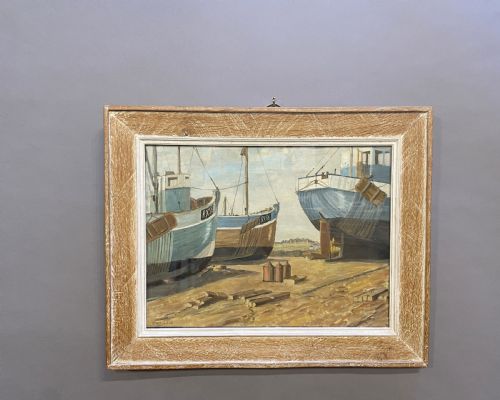


Vintage Fishing Boat Art
Vintage fishing boat art captures maritime heritage through coastal scenes and working vessels depicted across traditional paintings and watercolours.
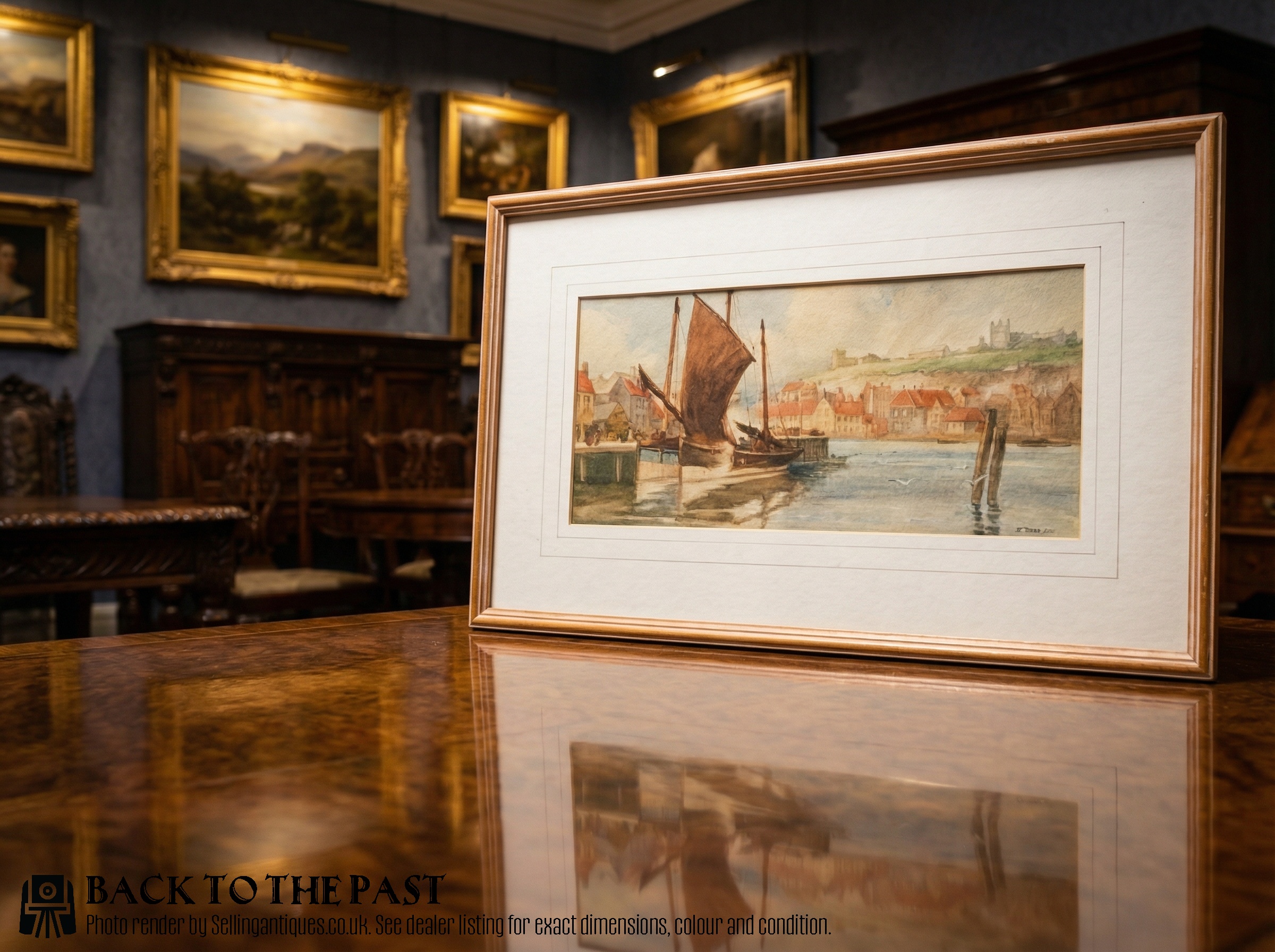
Vintage Fishing Boat Art
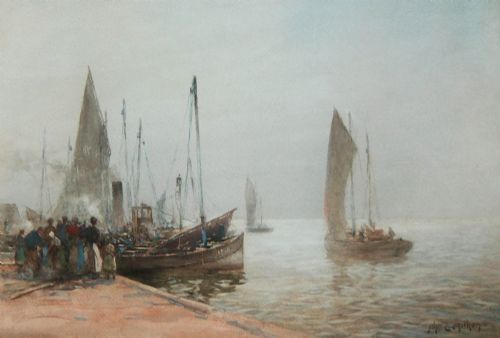
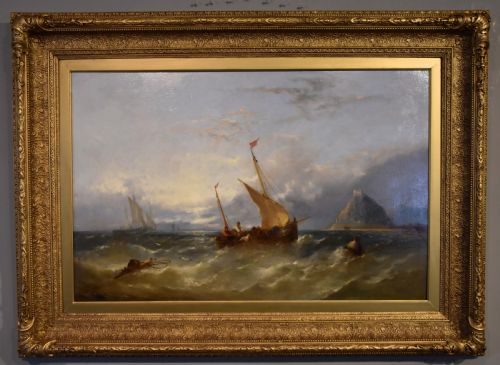
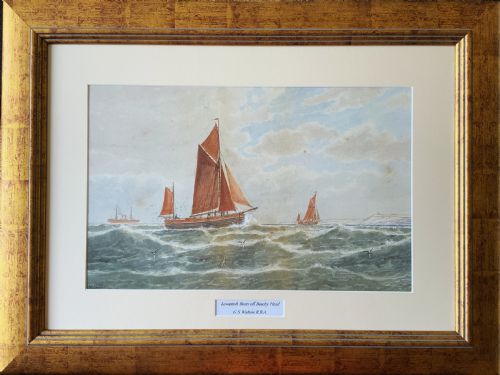
When you search for vintage fishing boat art, you encounter maritime scenes documenting coastal harbours, stormy seas, and working vessels from past centuries. The selections available here heavily feature British coastal locations such as Cornwall, Yorkshire, and Scottish ports.
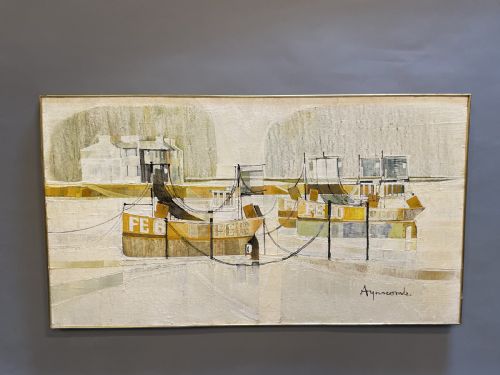
Most pieces date from the nineteenth century through the mid-twentieth century, spanning Victorian, Edwardian, and mid-century modern aesthetic movements. These works range from detailed coastal watercolours to large oil paintings on canvas and board.
Subjects frequently record specific ports like St Ives, Whitby, and Mousehole, capturing the daily routines of fishermen alongside coastal architecture and village moorings.
How They Were Made
Artists utilised traditional mediums including oil paint on canvas, board, and card, alongside watercolour and pastel on paper. These pigments were applied to capture the atmospheric conditions of the sea, from calm harbours to choppy coastal waters.
Support materials varied according to the period and scale of the work, with heavier canvases used for larger maritime compositions and prepared boards favoured for smaller plein air studies.
Listings span paper, wood, canvas, and board, supporting watercolours, pastels, and oil paintings from the nineteenth and twentieth centuries.
What Varies In Quality
Quality rests upon the artist's ability to render light, movement, and proportion within marine environments, distinguishing skilled observation from formulaic studio production. Handling of water, sky, and vessel architecture reveals the depth of the painter's maritime experience.
Condition of the medium and the integrity of the original support further determine distinction, particularly with oils retaining stable surfaces and watercolours avoiding excessive fading from light exposure.
George Stanfield Walters·Thomas Bush Hardy·Charles Napier Hemy·William Lee Hankey·Gustave de Breanski
The Vintage Fishing Boat Art Glossary
- Marine painting
- Artwork depicting ships, coastal views, and maritime subjects. This genre forms the core of historic coastal imagery.
- Plein air
- Painting executed outdoors to capture natural light and atmospheric effects directly. This method was widely practiced by late nineteenth and early twentieth century coastal artists.
- Impressionism
- An art style characterised by relatively small, thin, yet visible brush strokes and open composition. It prioritises accurate depiction of light in its changing qualities.
- Watercolour
- Paint consisting of colour suspended in a water-soluble binder, traditionally applied to paper. It achieves translucent washes ideal for depicting sea and sky.
Vintage Fishing Boat Art: Frequently Asked Questions
How do I date vintage fishing boat art?
Dating relies on stylistic clues, framing methods, and artist signatures recorded alongside the piece. Costume details and vessel designs often provide further chronological context.
Examining the reverse of the canvas or paper can also reveal artist inscriptions, old gallery labels, or framing stamps that narrow down the period.
Where should I hang these marine paintings?
Coastal art suits rooms with natural light, complementing both traditional and contemporary interiors. Keeping them away from direct sunlight preserves the pigments.
Consider pairing smaller watercolours in groupings or placing a large oil painting as a focal point above a mantelpiece or sideboard.
What is the difference between oil and watercolour here?
Oil paintings utilise thick, layered pigments on canvas or board to achieve rich textures and deep tones. Watercolours offer lighter, transparent qualities on paper.
Both mediums were extensively used to depict maritime scenes, though oils were generally chosen for larger, more durable compositions.
Are these works signed by the artists?
Many examples bear the original signature or monogram of the painter, often placed in the lower corner of the composition. Some pieces also feature handwritten titles on the reverse.
Unsigned works frequently attribute to specific regional schools based on technique, subject matter, and materials typical of the era.