
Antique Maple Furniture
Antique maple furniture offers pale timber figuring and crisp lines across forms from Regency desks to Art Deco beds.

Antique Maple Furniture
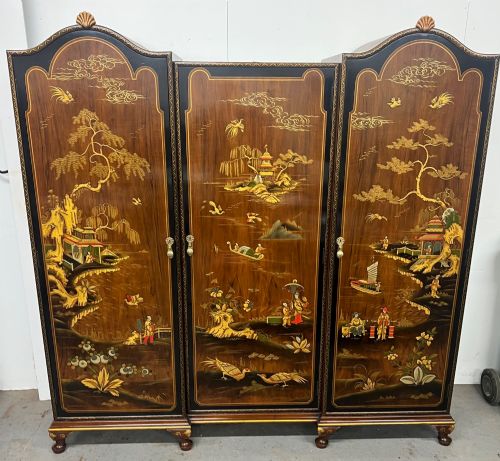
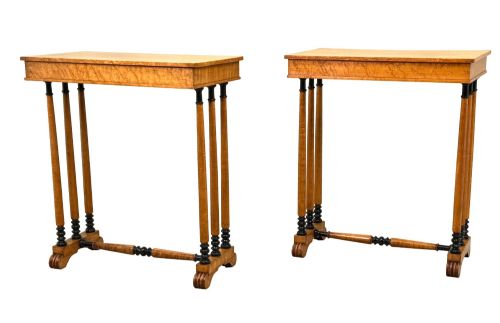
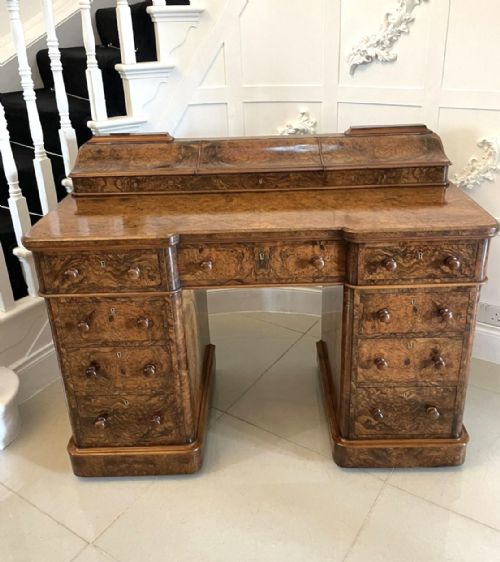
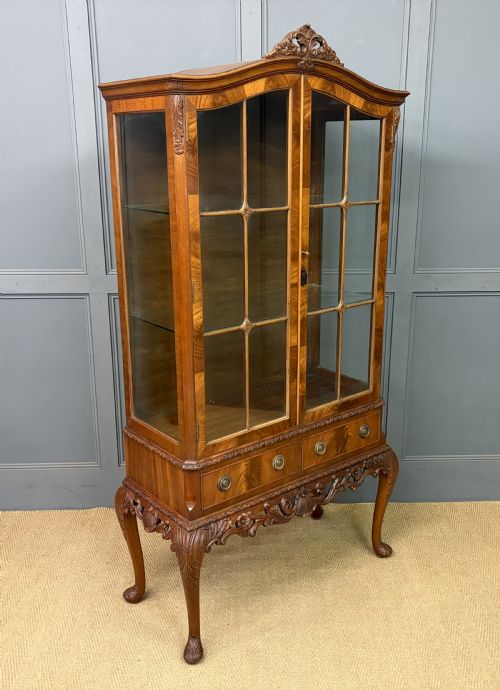
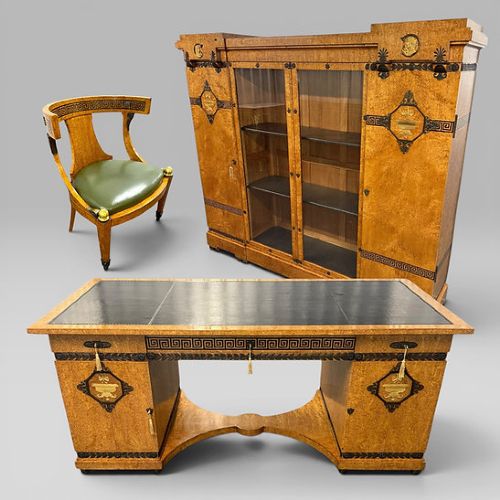
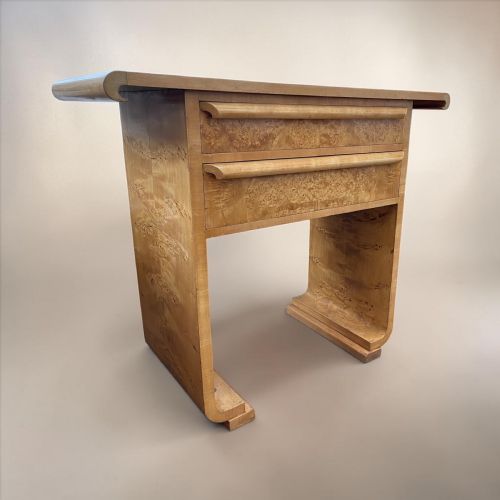
Antique maple furniture spans useful domestic forms including chests of drawers, wardrobes, dressing tables, and writing desks produced across the nineteenth and early twentieth centuries. Pieces frequently showcase specific variations such as birdseye maple or burr maple, alongside associated woods like mahogany, satinwood, and walnut.
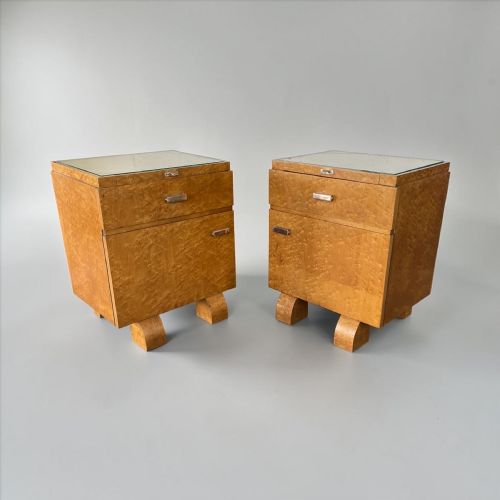
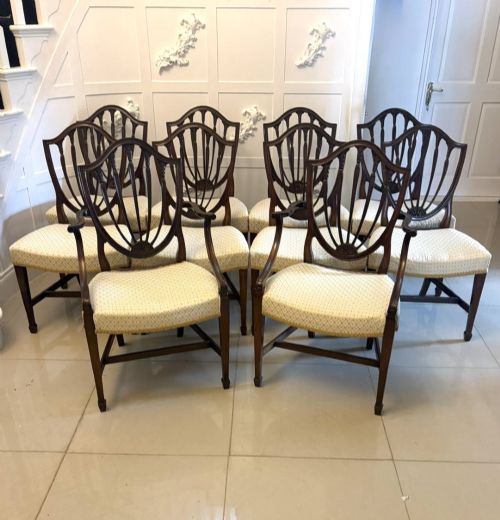
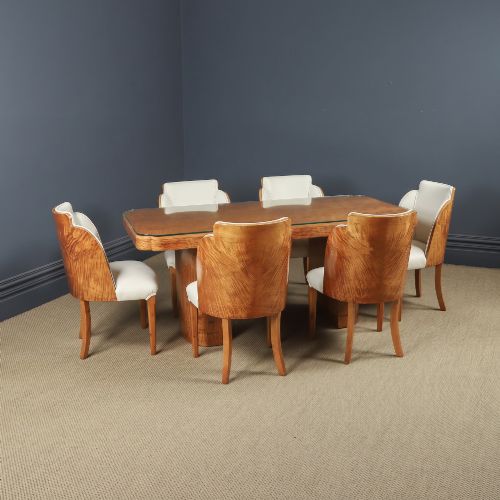
Buyers encounter items originating from several distinct eras, stretching from the Regency period through Victorian and Edwardian decades into Art Deco designs of the 1930s. Forms range from compact bedside cabinets and occasional tables to large compactum wardrobes and complete dining suites.
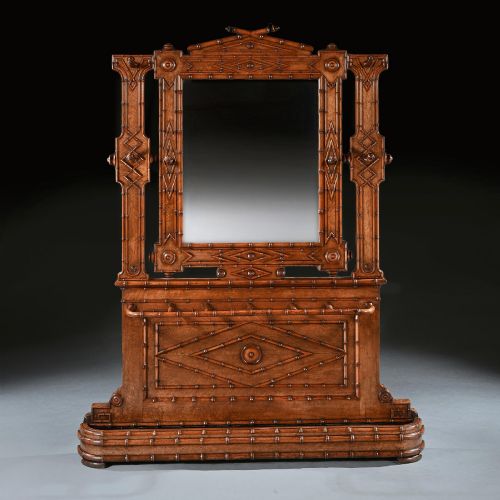
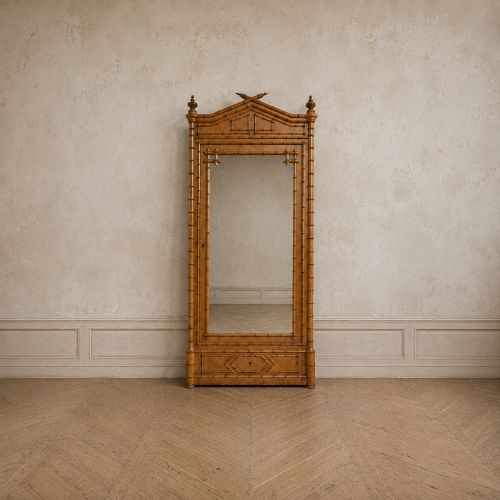
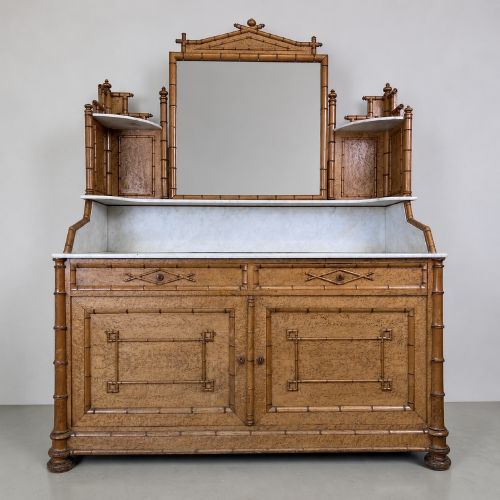
French pieces often incorporate faux bamboo framing and mirrored armoires, while English workshops contribute washstands, side tables, and revolving bookcases. This diverse selection reflects shifting tastes in domestic interior decoration over two centuries.
Materials and construction methods
Cabinet makers utilised solid maple and applied veneers of birdseye maple and burr maple over secondary timbers to highlight the decorative grain patterns of the wood. Brass fittings, leather writing surfaces, and marble tops frequently accompany the timber carcases in desks, tables, and cabinets.
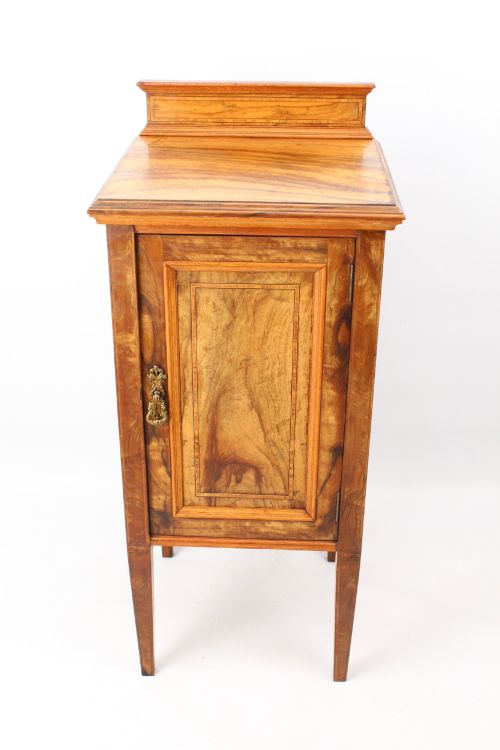
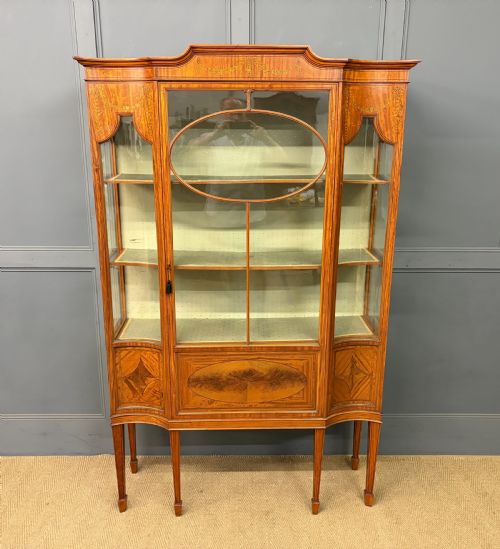
Specialised decorative techniques such as Japonisme faux bamboo turning appear on nineteenth-century pieces, alongside satinwood and rosewood crossbanding or marquetry inlay found on Edwardian and Victorian items. Structural frames rely on traditional joinery methods suited to each specific period style.
Antique Maple Furniture Retail Price Guide 2026
Typical asking prices for maple furniture among the pieces listed under this phrase on Sellingantiques today, from the lower quarter to the upper quarter. They describe what is for sale here now, not the wider market.
Listings feature items spanning the Regency period, Victorian era, Edwardian years, and 1930s Art Deco designs.
Distinctions in quality
Quality in antique maple furniture rests upon the selection and matching of timber veneers, where symmetrical grain patterns and rich figuring across large surfaces elevate a piece. The crispness of carved details, the integration of brass hardware, and the subtlety of inlaid contrasting woods distinguish superior examples.
Construction integrity determines longevity, seen in the smooth operation of drawer linings, the stability of joints in tables and chairs, and the preservation of original marble or leather inserts. Pieces bearing maker documentation or attributed to notable firms maintain a distinct standing through their refined proportions and execution.
Maple and Co·Mercier Freres·Fortnum and Mason·Hille·Harry and Lou Epstein·Thomas Hache
The Antique Maple Furniture Glossary
- Birdseye maple
- A figure in maple wood where small, circular markings resemble tiny bird eyes, caused by growing conditions that disrupt the smooth grain.
- Faux bamboo
- A decorative finish where wood is carved and painted to imitate natural bamboo stalks, popular during the French Aesthetic Movement.
- Compactum
- A large fitted wardrobe or multi-compartment storage cabinet designed to hold various garments efficiently within a single footprint.
- Secretaire bookcase
- A tall cabinet featuring an upper glazed bookcase section and a lower drawer that drops down to reveal a fitted writing desk interior.
- Burr maple
- Wood harvested from a tree growth or burl, yielding a highly swirled, irregular grain pattern prized for decorative veneering.
Antique Maple Furniture: Frequently Asked Questions
What periods are antique maple pieces from?
The pieces span the Regency era, the nineteenth century including Victorian and Edwardian periods, and extend into 1930s Art Deco designs.
Craftsmen adapted the pale wood across these shifting stylistic movements, from early nineteenth-century occasional tables to blonde moderne bedroom suites.
Did cabinet makers combine maple with other woods?
Makers frequently paired maple with contrasting timbers such as mahogany, walnut, satinwood, and rosewood for banding, inlay, and structural carcases.
This combination highlighted the pale, speckled quality of the maple by framing it within darker woods.
What types of furniture were made in maple?
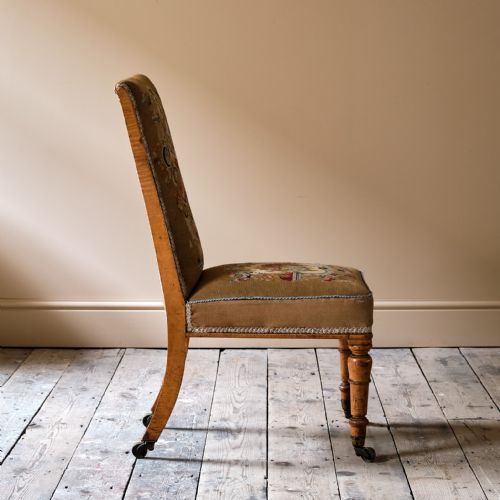
Makers produced a wide range of domestic furniture in the timber, including chests of drawers, wardrobes, writing desks, and dining tables.
Seating, bedside cabinets, and washstands also appear across the various nineteenth and twentieth-century design periods.