



Antique Lead Lined Cellarette
An antique lead lined cellarette is a classic dining room piece designed to chill wine, built from rich timber to hold bottles and ice securely.
Antique Lead Lined Cellarette
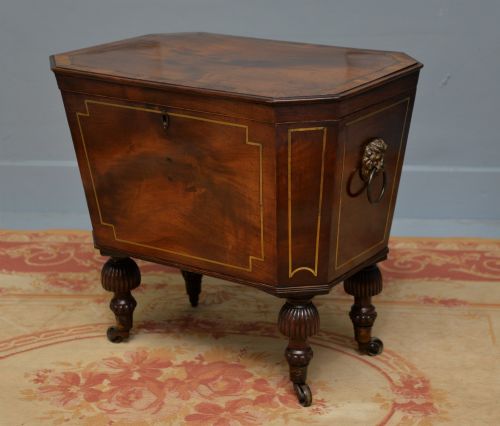
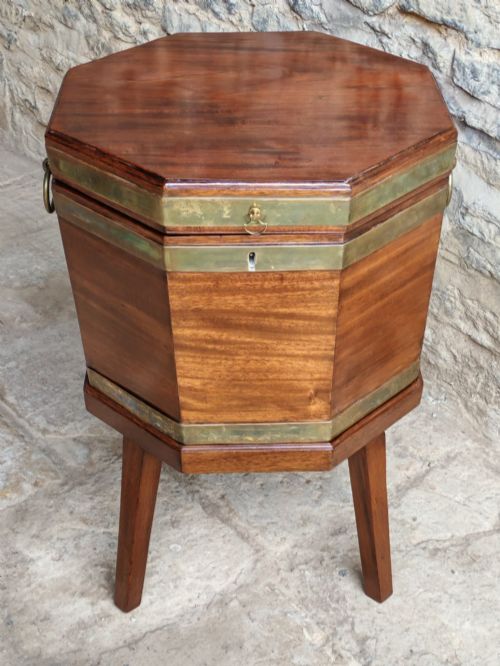
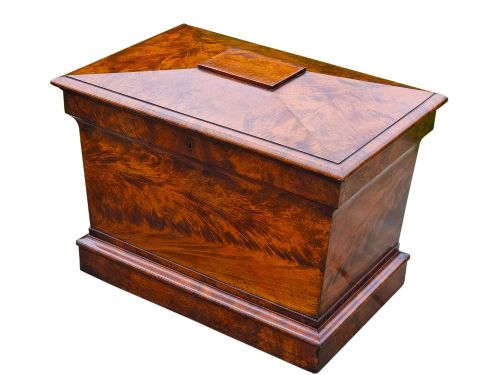
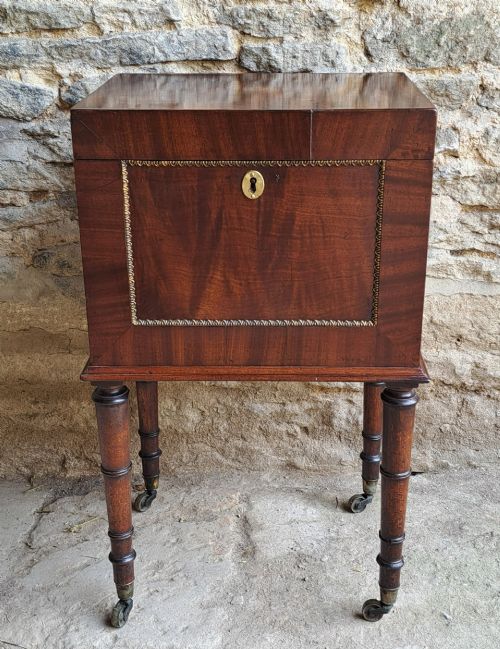
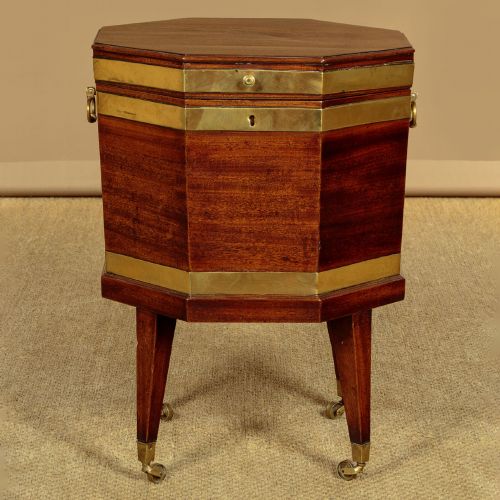
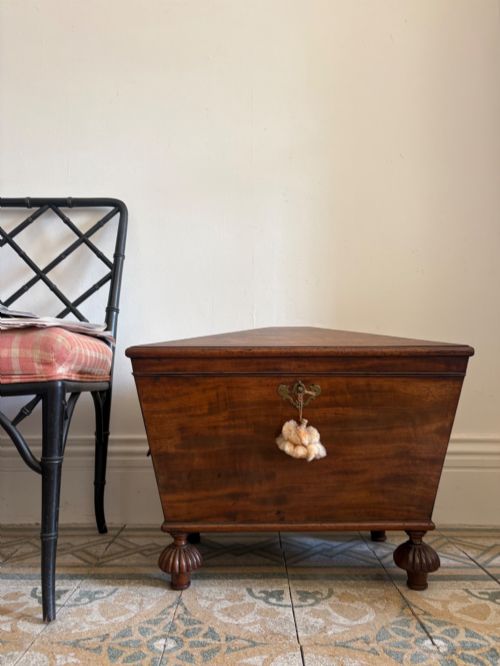
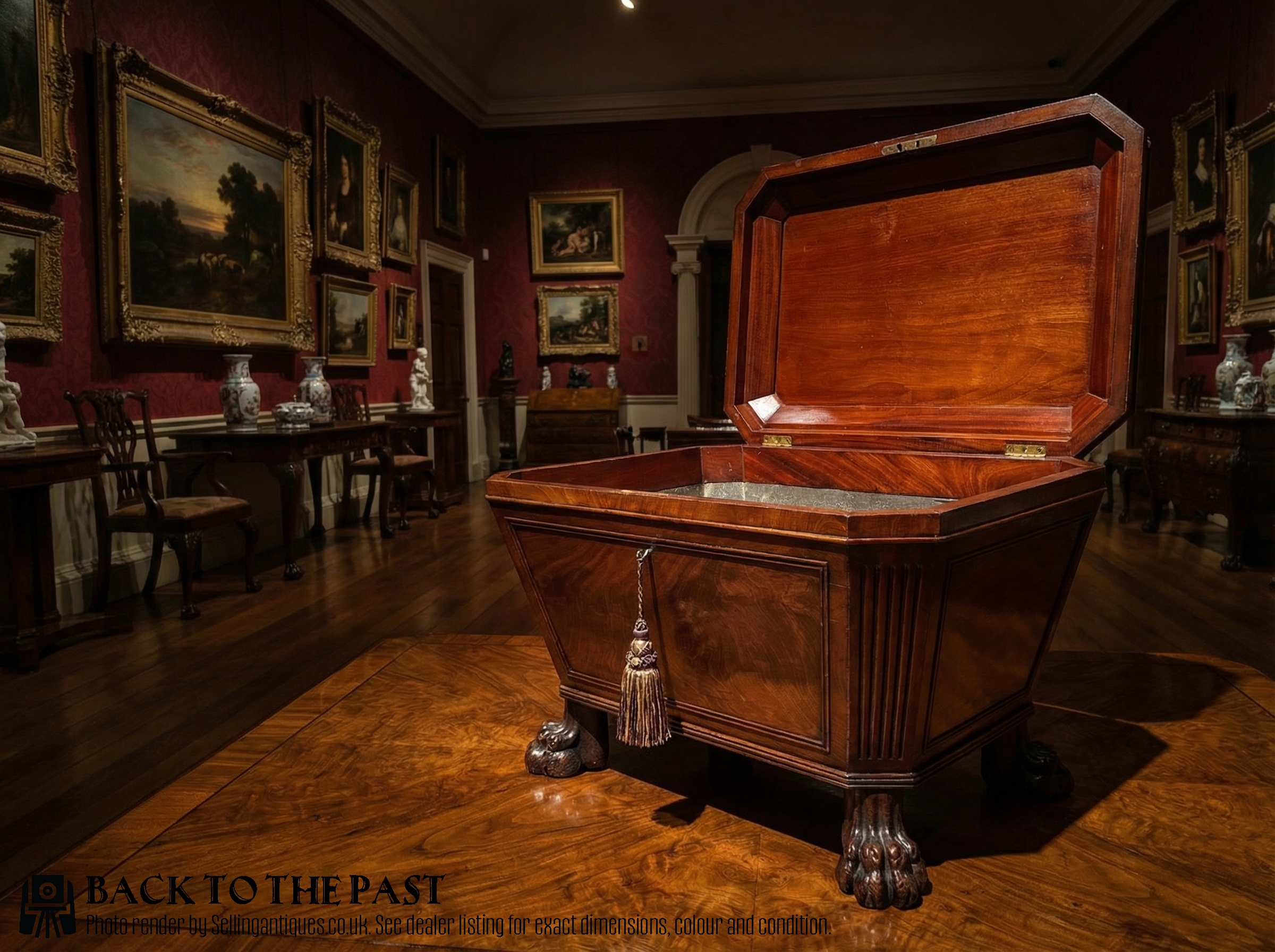
When you search for an antique lead lined cellarette, you encounter sturdy storage chests designed for holding wine bottles and ice during grand meals. Most examples on this page date from the Georgian and Regency periods, taking forms such as octagonal boxes, sarcophagus shapes, and wine coolers.
Materials and construction
Cabinet makers constructed these pieces primarily from solid mahogany, sometimes ornamenting the surfaces with satinwood, rosewood, and boxwood inlay or marquetry. Brass banding frequently reinforces the exterior, providing both structural strength and decorative contrast against the dark timber.
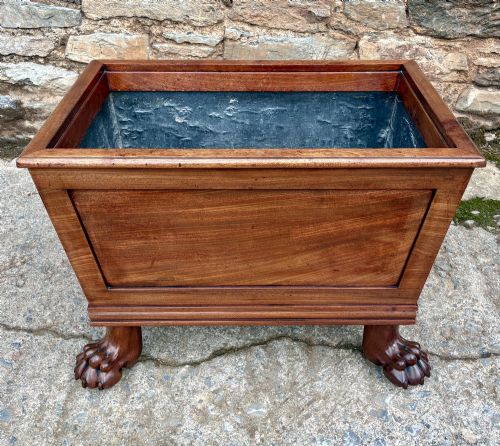
Liners of lead or zinc are soldered together inside the wooden carcass to hold melting ice and liquid securely. Many incorporate turned feet, paw feet, or ring handles cast in brass to facilitate movement around the dining room.
Antique Lead Lined Cellarette Retail Price Guide 2026
Typical asking prices for lead lined cellarette among the pieces listed under this phrase on Sellingantiques today, from the lower quarter to the upper quarter. They describe what is for sale here now, not the wider market.
Materials across the selection range from plain mahogany with brass banding to Dutch satinwood and rosewood marquetry inlaid planters.
Judging the work
The distinction between standard and superior pieces rests on the choice of timber and the crispness of the joinery and carving. Finer versions display well-figured mahogany grain, precise boxwood stringing, and heavy brass fittings that fit flush to the wood.
The integrity of the interior metal liner also affects the character of the piece, as original lead linings demonstrate period authenticity. Proportion and foot design further separate simple storage boxes from sculptural sarcophagus forms attributed to skilled workshops.
Thomas Hope
The Antique Lead Lined Cellarette Glossary
- Cellarette
- A lockable container used in the dining room for storing bottles of wine before they were served at the table. They frequently include internal partitions.
- Sarcophagus
- A monumental chest shape with a domed lid and flared sides, popular during the Regency period for large wine coolers. This form mimics ancient stone burial chests.
- Marquetry
- The art of applying decorative veneer pieces in various timbers to form geometric patterns or pictures on a surface. Satinwood and rosewood are typical choices for this work.
- Stringing
- Thin lines of contrasting wood inlay used to outline panels, drawers, or table tops. Boxwood is frequently used for this purpose on mahogany furniture.
- Jardiniere
- An ornamental stand or container used for holding plants and flowers indoors. In dining room contexts, these sometimes share forms with open wine coolers.
Antique Lead Lined Cellarette: Frequently Asked Questions
What is a cellarette used for?
These containers held wine bottles and ice close to the dining table during long meals. Servants would draw bottles from the chest as needed.
The metal lining prevented melting ice water from leaking onto the dining room floor and ruining the surrounding timber.
Where do you put a cellarette?
They traditionally stand on the floor beneath a sideboard or in the corner of a dining room. Their compact footprint makes them practical for room corners.
Today, people also use them as side tables or plant holders in living spaces while retaining their original storage function.
How do I spot a Regency cellarette?
Regency examples often feature sarcophagus shapes with domed lids, paw feet, and heavy classical detailing. They tend to look architectural and substantial.
Earlier Georgian pieces frequently take octagonal forms with brass hoops, while Edwardian versions show lighter inlaid decoration.
Are all liners made of lead?
While the traditional term specifies lead, many interiors use zinc or general metal liners to hold water. These linings served the same practical cooling purpose.
Original metalwork shows appropriate oxidation and wear that helps confirm the age of the container.