




Antique Kutani Ware
Antique kutani ware brings vibrant Japanese porcelain into a room, defined by rich enamel and gold detail.

Antique Kutani Ware
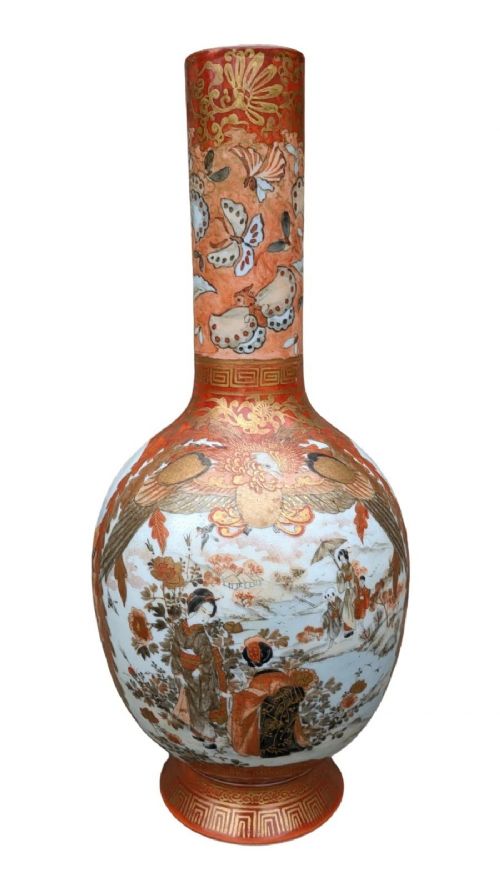
Antique kutani ware consists of Japanese porcelain objects produced largely during the nineteenth century and the Meiji period, alongside some Edwardian and Taisho examples. Buyers find a diverse array of forms, ranging from cylindrical vases and ginger jars to intricate figurines of deities such as Kannon and Jurojin.
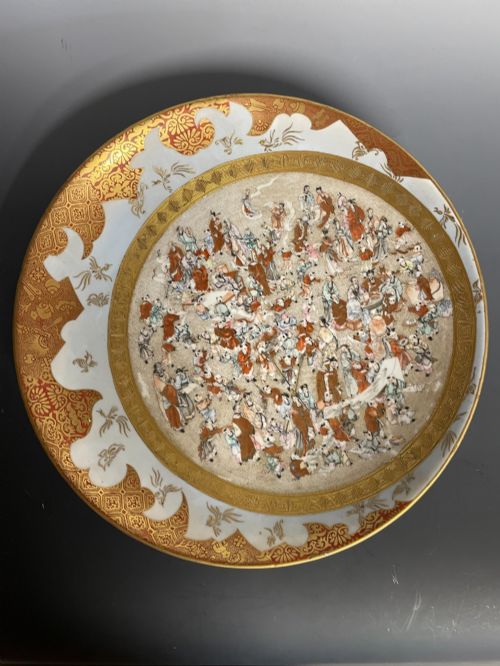
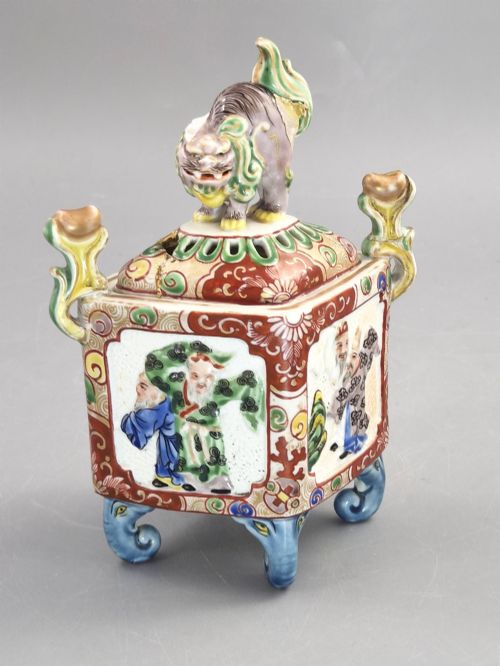
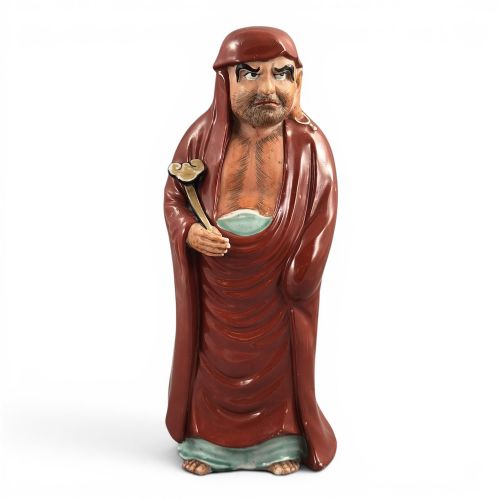
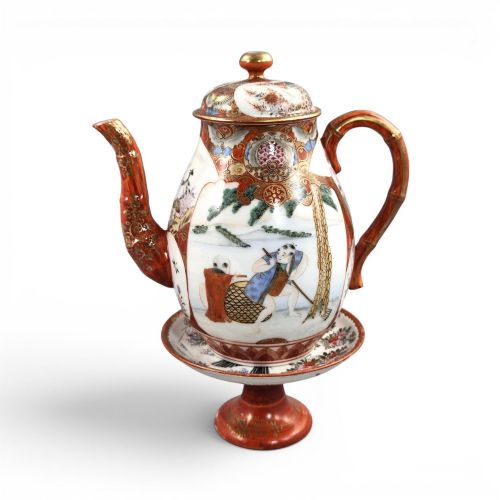
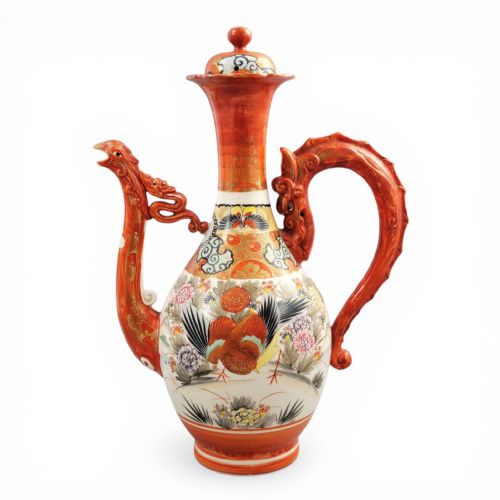
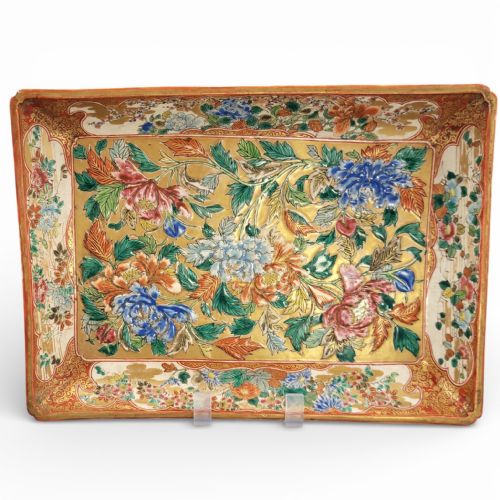
The selections on this page feature decorative dishes, incense burners, teapots, and ewers, reflecting the diverse output of Japanese export and domestic workshops. Figures of Buddhist lions, Daruma, and treasure ships also appear among the porcelain items.
Most pieces date from the Meiji period, encompassing styles like Shoza style and the textured relief of Moriage. Collectors encounter both single display items and matched pairs intended for symmetry in interior decoration.
How antique kutani ware was made
Makers shaped porcelain clay into vessels and figures, applying initial glazes before adding detailed decoration. Artisans utilised overglaze enamels in distinct palettes, building up rich pictorial surfaces.
Gold leaf, gilding, and gold gilt provide the metallic highlights characteristic of many pieces. Moriage technique introduces raised clay dots and lines beneath the enamel and gold to create tactile texture.
Certain forms incorporate carved wood elements, such as dedicated stands paired with porcelain vases or incense burners.
Antique Kutani Ware Retail Price Guide 2026
Typical asking prices for kutani ware among the pieces listed under this phrase on Sellingantiques today, from the lower quarter to the upper quarter. They describe what is for sale here now, not the wider market.
Listings feature 19th-century and Edwardian porcelain, enamel, and gold leaf objects from Japanese Meiji and Taisho periods.
What varies in quality
The precision and density of the hand-painted enamel work set apart superior examples. Artisans who maintained tight control over their brushwork achieved remarkably detailed figurative scenes and floral motifs.
The application of gold leaf and the execution of raised moriage decoration dictate visual richness. Finer pieces demonstrate careful placement of metallic accents that complement rather than overwhelm the underlying porcelain form.
Overall sculptural presence and the integrity of complex forms, such as figures with detailed facial expressions or structural elements like lion handles and karashishi finials, define the upper tier of production.
Kinrin Workshop·Shozo
The Antique Kutani Ware Glossary
- Moriage
- A decorative technique where slip is applied in raised dots or lines to create a textured, three-dimensional surface beneath glazes and enamel.
- Koro
- A traditional Japanese incense burner, often featuring pierced covers and decorative supports such as elephant head feet.
- Okimono
- A decorative figurine or sculpture intended for display in a Japanese home or alcove rather than ritual use.
- Shoza style
- A decorative approach associated with Kutani ware featuring dense, colourful enamel work combined with extensive gilding.
- Karashishi
- A mythical guardian lion or dog, frequently depicted as a sculptural finial or handle on incense burners and vessels.
Antique Kutani Ware: Frequently Asked Questions
What is antique kutani ware?
Antique kutani ware refers to Japanese porcelain decorated with detailed overglaze enamels and gold, produced primarily during the 19th century and the Meiji period.
The category includes functional vessels like teapots and ginger jars, decorative plates, and sculptural figures of deities and animals.
How do I date antique kutani?
Dating relies on stylistic markers, historical periods such as the Meiji era, and specific decorative techniques like Moriage or Shoza style.
Many pieces span the late 19th to early 20th century, reflecting the peak of Japanese ceramic export production.
How were these pieces used?
Many items served decorative purposes in homes, while specific forms like incense burners, or koro, fulfilled traditional ritual functions.
Figurines often represented figures of longevity, mercy, or protection for interior display.
How should I clean kutani porcelain?
Delicate enamel and gold leaf require gentle dusting with a soft, dry cloth to preserve the surface.
Avoid immersion in water or chemical cleaning agents, particularly on pieces with raised moriage or attached wooden elements.