


Antique Japanese Tray
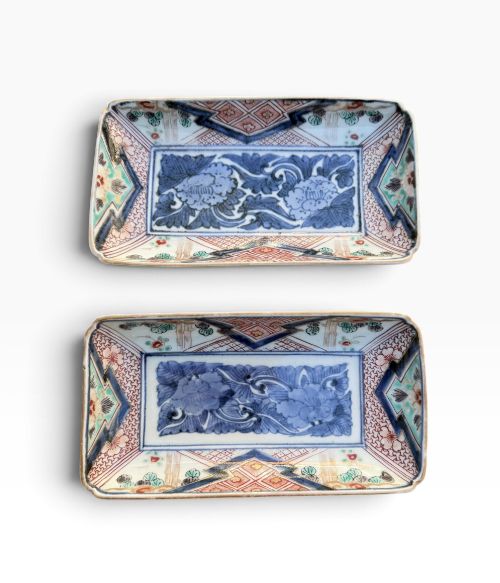
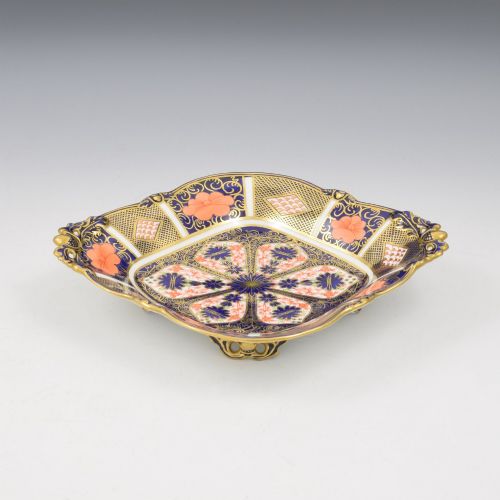
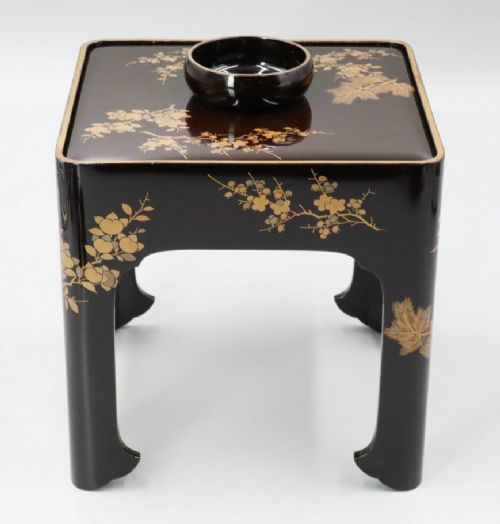
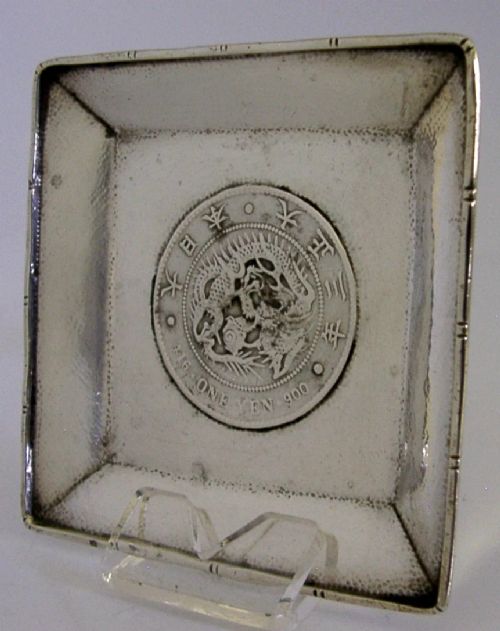
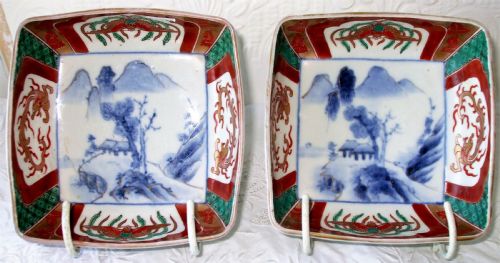
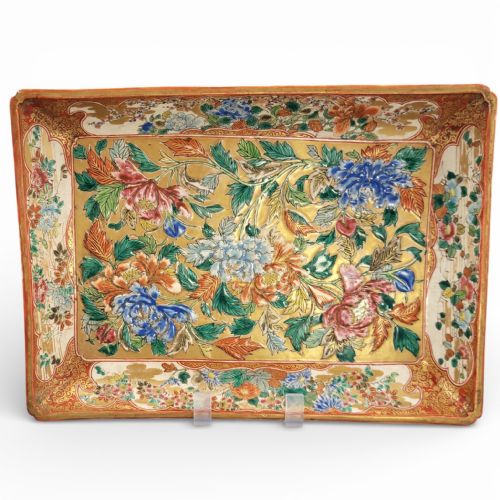
These antique japanese tray pieces span intricate cloisonne enamel, carved lacquer and Imari porcelain from the Meiji period and beyond.
Antique Japanese Tray
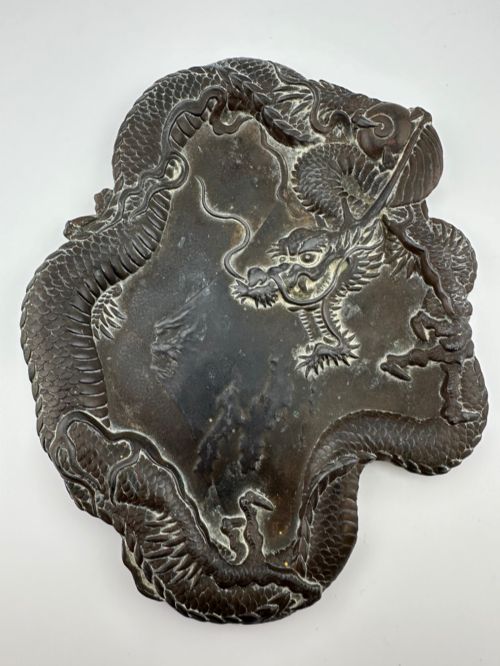
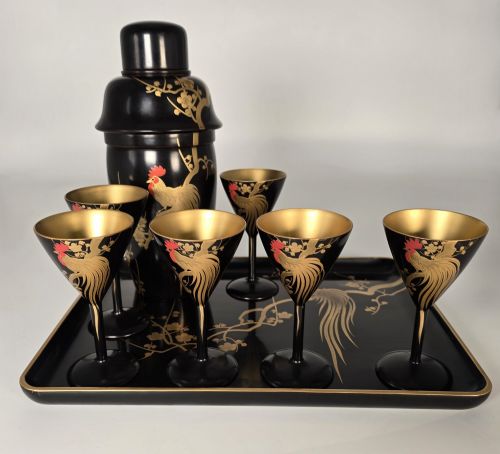
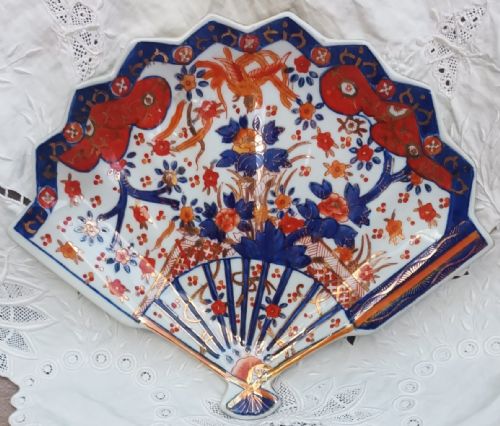
When you search for an antique japanese tray, you encounter a diverse range of objects spanning decorative dishes, lacquerware, and tea ceremony pieces. The selection includes everything from square cloisonne enamel trays depicting koi or dragons to fan-shaped Imari plates and lacquered sake sets.
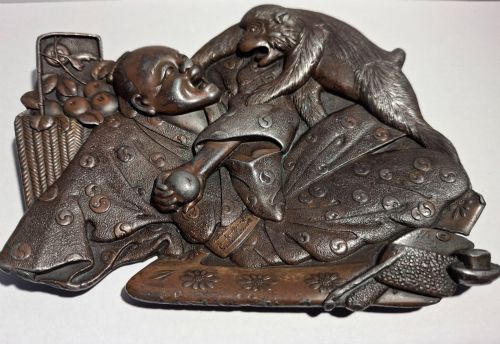
The pieces on this page originate predominantly from the nineteenth and early twentieth centuries, covering the Meiji and Taisho periods alongside Victorian interpretations. Forms vary from traditional rectangular serving trays and deep platters to delicate shell shapes and ceremonial stands.
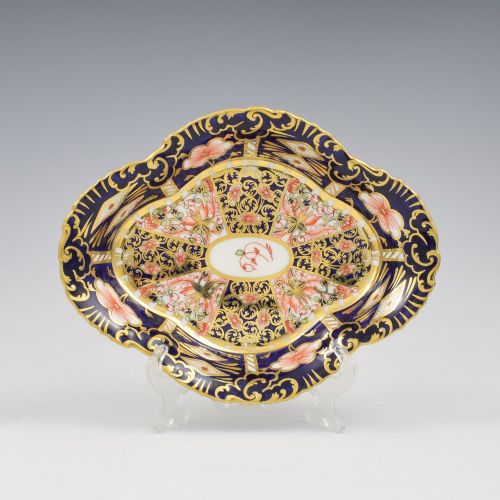
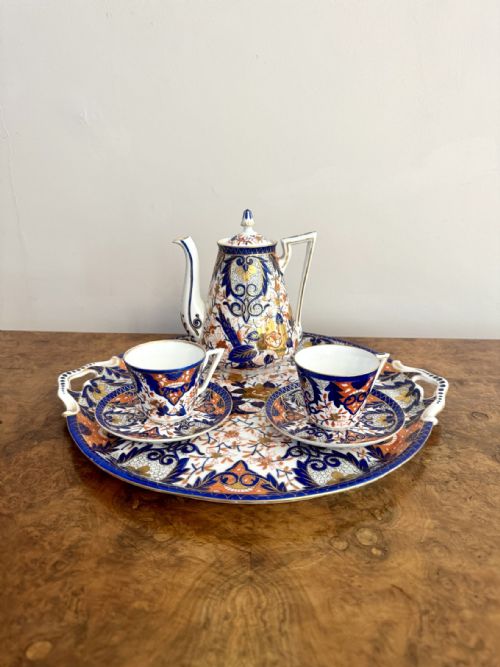
Buyers frequently find items designed for specific uses such as sake sets, sencha tea ceremonies, and cocktail service. Alongside native Japanese craftsmanship, the listings also encompass British and European adaptations executed in the Imari style.
How they were made
Maker utilisation of materials spans traditional lacquer and wood alongside copper foundations for cloisonne enamel work. Gold leaf, brass, and mixed-metal inlay frequently accent the surfaces, while porcelain pieces utilise hand-painted iron red, blue, and black pigments.
Techniques recorded in the evidence involve moulding in shallow relief, hand-painting, and precise wirework for enamel partitioning. Lacquerware pieces demonstrate layered application on wood and papier-mache bases, often combined with carved details.
Materials across these listings span porcelain, copper, wood, lacquer, brass, gold leaf, and enamel.
What varies in quality
The distinction between standard production and masterwork execution lies in the complexity of the surface decoration and the precision of the metalwork or enamel cells. Pieces attributed to specific decorative traditions such as Komai style mixed-metal inlay or Shoza style Kutani palettes exhibit elevated levels of detail.
Condition and completeness alter the standing of a set, particularly when dealing with multi-piece sake or tea ceremony groupings that retain their original stands or matching cups. The crispness of carved relief work and the preservation of delicate gold leaf or enamel integrity dictate the tier of the piece.
The Antique Japanese Tray Glossary
- Imari
- A style of Japanese porcelain featuring a distinct palette of underglaze blue, iron red, and gold, which heavily influenced European potteries. This aesthetic appears across various plate and tray forms.
- Cloisonne Enamel
- A technique where metal wires are soldered onto a copper base to form compartments filled with enamel paste and fired. Trays utilising this method often depict pictorial motifs such as koi, birds, or dragons.
- Meiji Period
- The era in Japanese history spanning from 1868 to 1912, noted for opening trade with the West and producing highly detailed decorative arts. Many pieces on this page date from this specific timeframe.
- Lacquerware
- Objects formed from a wood or papier-mache base coated with processed tree sap resin to create a durable, glossy surface. These items often feature hand-painted or carved decorative scenes.
- Sencha
- A Japanese tea ceremony involving green tea, associated with specialised carved wooden or lacquered trays. Sets for this ritual reflect traditional domestic practices.
- Taisho Period
- The historical period succeeding the Meiji era, lasting from 1912 to 1926. Items from this time maintain traditional motifs while incorporating early twentieth-century design shifts.
Antique Japanese Tray: Frequently Asked Questions
What are these trays made from?
The materials recorded in these listings include traditional wood and lacquer, copper used for cloisonne enamel, and porcelain decorated with gold leaf.
Additional pieces incorporate brass, bronze, and mixed-metal elements, reflecting the diverse manufacturing methods employed across the nineteenth and early twentieth centuries.
How do I identify a Meiji period piece?
Meiji period items typically date between 1868 and 1912, often showcasing intricate craftsmanship such as cloisonne enamel or fine lacquerwork.
Stylistic markers include naturalistic motifs like koi, dragons, and irises, alongside specialised techniques like Komai style metal inlay.
Were these trays used daily?
Many items served specific ceremonial or decorative functions, such as sake consumption, tea ceremonies, or display.
Sets involving multiple cups and stands indicate domestic hosting use, while flat dishes and platters functioned primarily for presentation.
What is the difference between Imari and Japanese Imari?
Japanese Imari refers to porcelain manufactured in Japan following traditional blue, red, and gold decorative schemes.
European interpretations, such as Victorian Imari, emulate these distinct colour palettes and patterns on domestic porcelain bodies.
How should I care for lacquerware trays?
Lacquer requires gentle handling to preserve the glossy resin surface and prevent drying or cracking.
Keep these pieces away from direct sunlight and excessive moisture, cleaning them only with a soft, dry cloth.