
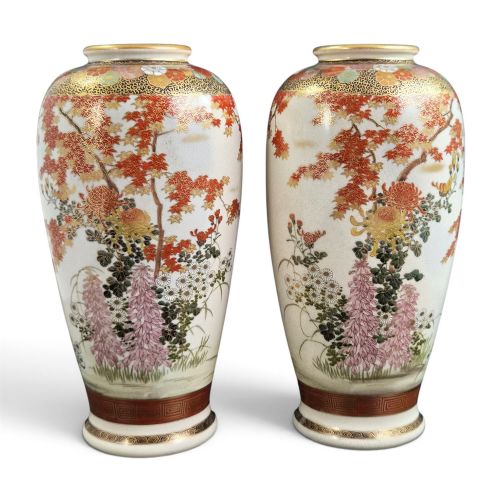

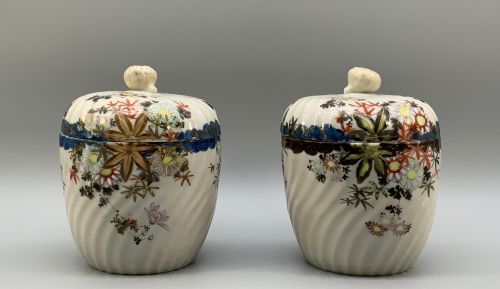
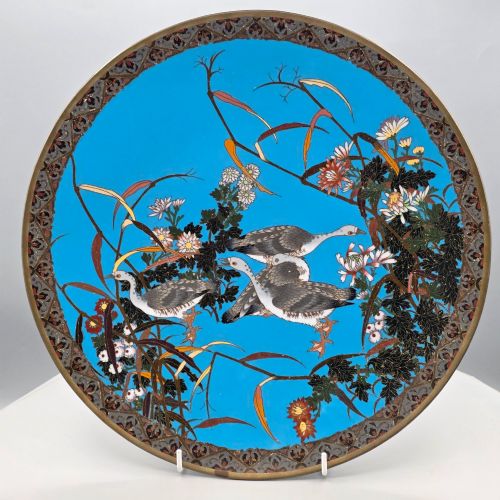
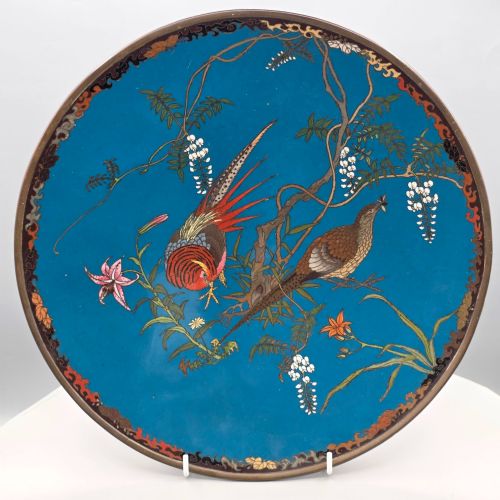

Antique Japanese Enamel
Antique japanese enamel pieces bring vibrant colour and intricate metalwork into a room, offering centuries of master craftsmanship.
What antique japanese enamel pieces are
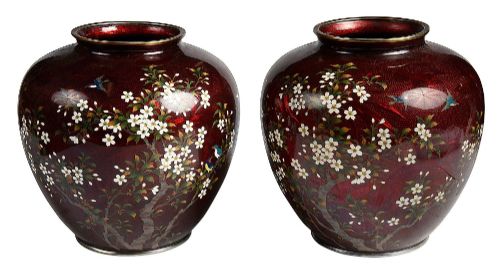
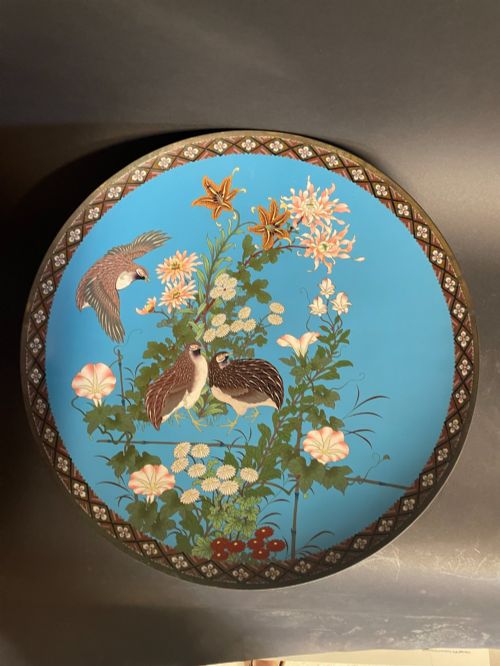
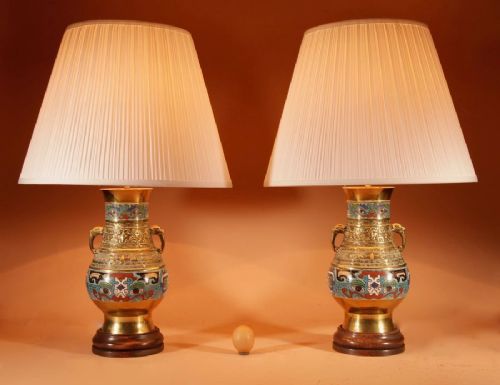
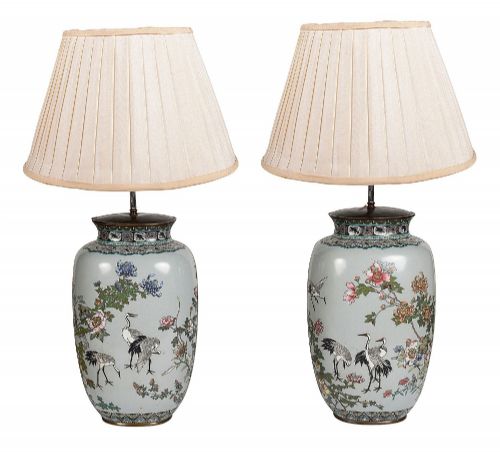
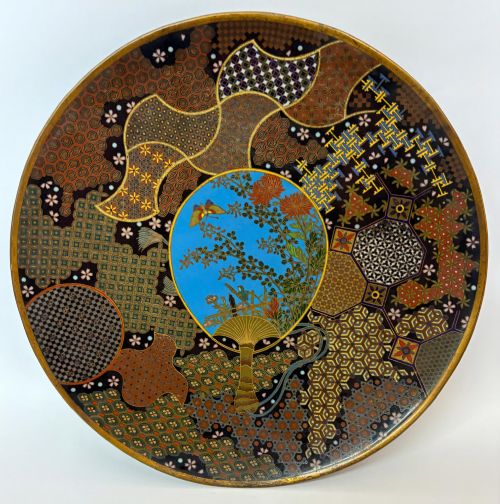
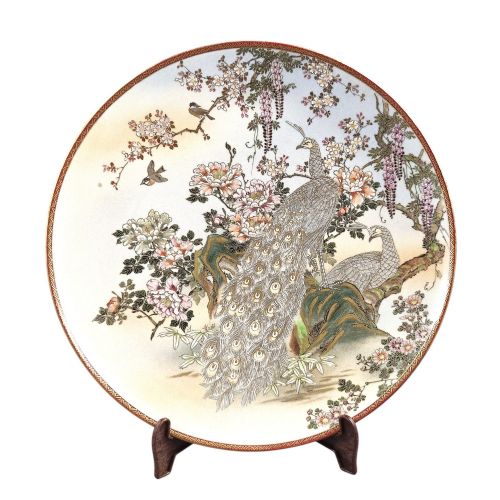
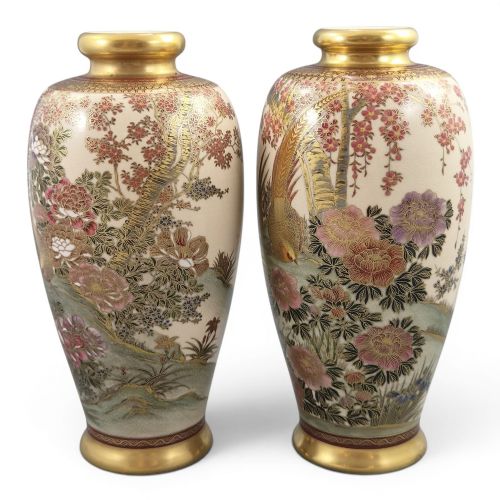
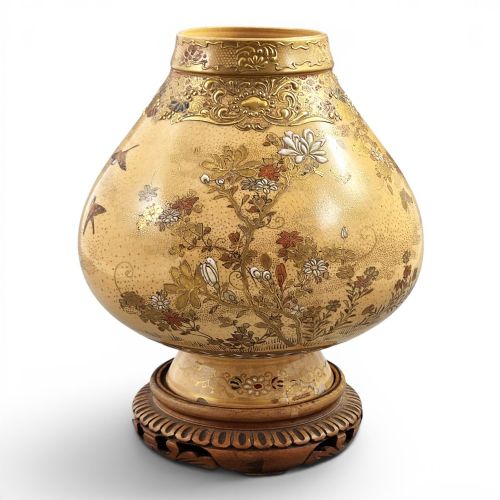
When you search for antique japanese enamel, you find a striking variety of decorative objects ranging from chargers and vessels to smaller items such as sword guards. These pieces display meticulous patterns and cultural motifs, shaped by traditional techniques.
The pieces you are most likely to meet on this page span the Edo and Meiji periods, taking forms like jars, plates, and large temple water dispensers. They capture the decorative arts of Japan during eras of profound artistic refinement.
How they were made
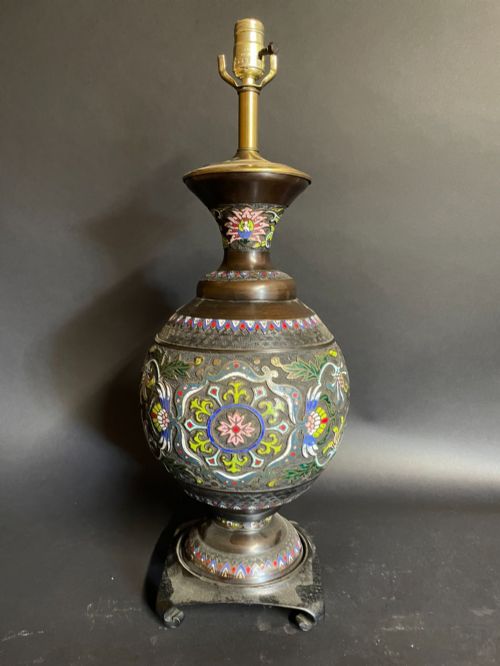
Artisans built these objects using copper, brass, and bronze as a foundation, applying vitreous enamel into compartments formed by delicate wire or carved recesses. Copper alloy and gilt bronze frequently serve as the structural base for vessels and plates.
Techniques range from cloisonné and champlevé to ginbari and plique-à-jour, each requiring precise firing and polishing. Fine brass wire outlines the intricate designs before the coloured enamel pastes are fused to the metal surface.
Retail Price Guide 2026
Typical UK retail prices for japanese enamel, calculated from the Sellingantiques database of over a million retail prices indexed since 2003. This retail price guide relies exclusively on Sellingantiques data; no external sources or auction records are used, so the figures do not describe the wider market.
What varies in quality
The division between standard work and the top of the range lies in the precision of the wirework and the depth of the enamel colour. Superior examples show absolute regularity in the cellular partitions and a flawless, smooth finish across the entire surface.
Mastery is also evident in the complexity of the subject matter, such as detailed dragons or auspicious symbols rendered with subtle tonal gradations. Lesser pieces often exhibit simpler motifs and less rigorous attention to the final polish of the metal and glass.
The Antique Japanese Enamel Glossary
- Cloisonne enamel
- A technique where flat metal wire is soldered to a metal base to create compartments for enamel paste. These wire boundaries define the intricate patterns seen on chargers and jars.
- Champleve enamel
- A method where troughs or cells are carved or cast directly into a bronze or metal base to hold the enamel. This creates a bolder, more integrated surface than applied wire methods.
- Ginbari
- A foiled enamel technique where a textured or patterned silver foil is applied beneath a translucent enamel layer. This produces a shimmering, three-dimensional depth within the coloured finish.
- Plique a jour
- A transparent enamelling method executed without a backing metal, resembling miniature stained glass. Light passes directly through the coloured enamel cells.
- Tsuba
- A traditional Japanese sword guard positioned between the handgrip and the blade. These metal guards often feature elaborate decorative enamel work.
Frequently Asked Questions
What are antique japanese enamel vessels made from?
These decorative objects utilise metal bases such as copper, brass, bronze, and gilt bronze. Vitreous enamel is then fused onto these foundations using specialised wiring or carving techniques.
Additional materials include silver and copper alloy, depending on the specific form and the period of creation.
How do I identify Meiji period pieces?
Meiji period works often display exceptional technical refinement, reflecting the rapid opening of Japanese craft to international markets after eighteen sixty-eight. Look for intricate cloisonné patterns and motifs featuring dragons or folklore.
These items frequently bear distinct stylistic hallmarks associated with late nineteenth and early twentieth century production.
Where were these enamel items displayed?
Larger vessels and temple water dispensers served as commanding focal points in traditional interiors. Decorative chargers and plates were often exhibited on stands or mounted for display.
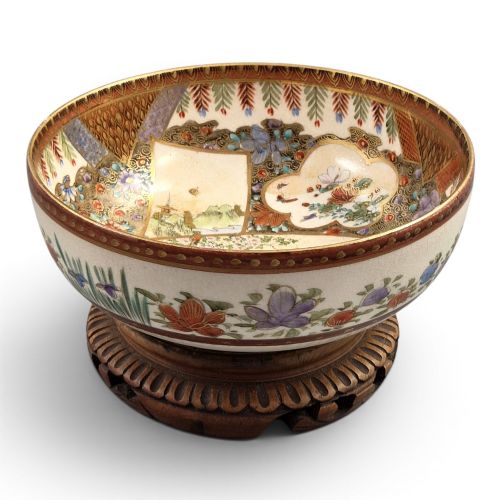
Smaller items like cream jugs, bowls, and jars integrated into domestic settings as functional art pieces.
How should I care for antique enamel?
Maintain these surfaces by dusting gently with a soft, dry cloth to prevent any accumulation of grit. Avoid using abrasive cleaning agents or harsh chemical polishes that can damage the delicate metal and glass.
Keep pieces away from direct, prolonged sunlight and extreme humidity changes to protect the integrity of the enamel.