
Antique Italian Lighting
Antique italian lighting brings unmistakable warmth and artisan character into a room through centuries of skilled metalwork, carved wood, and crystal.
What antique italian lighting is
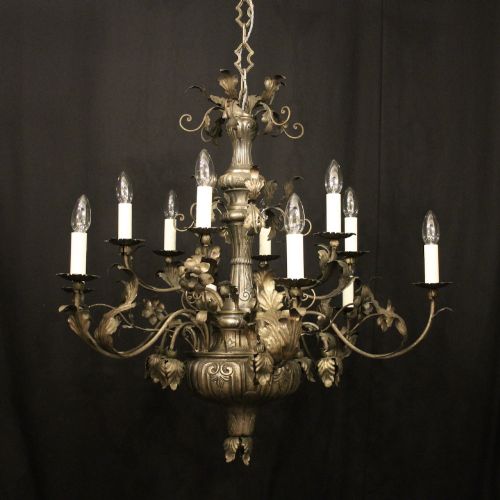
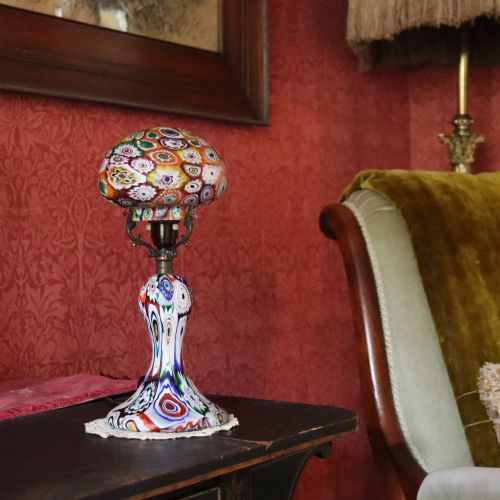
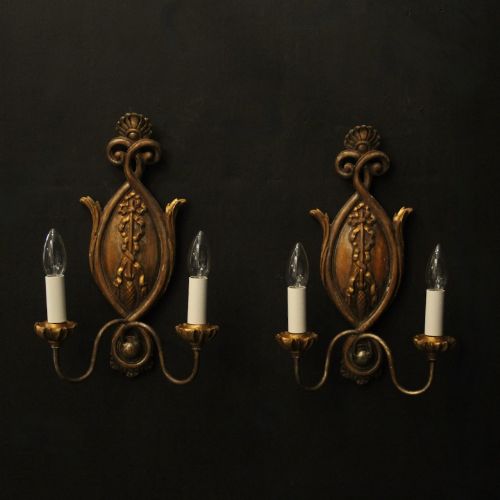
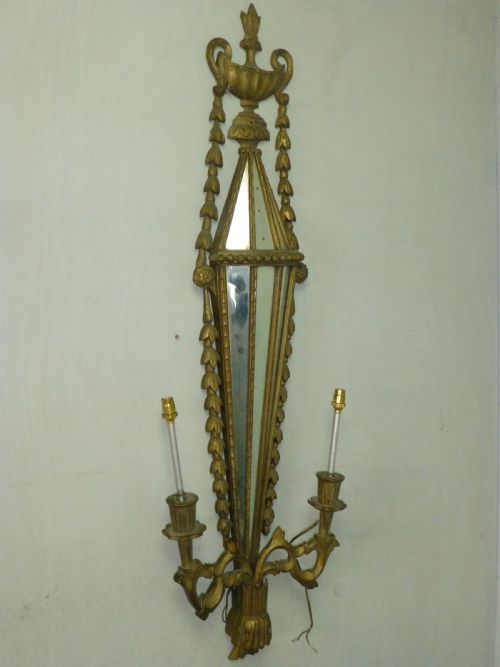
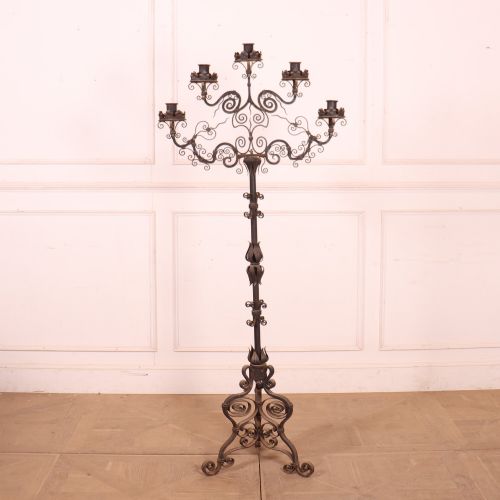
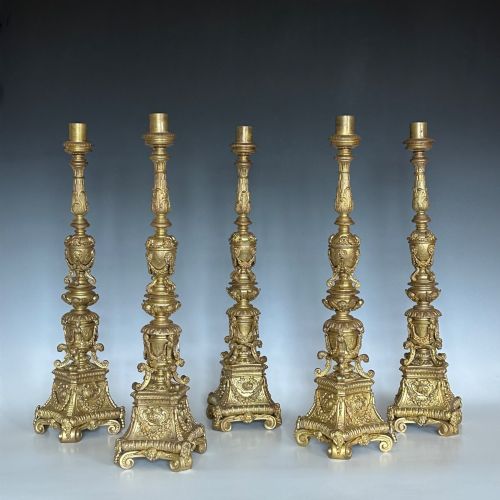
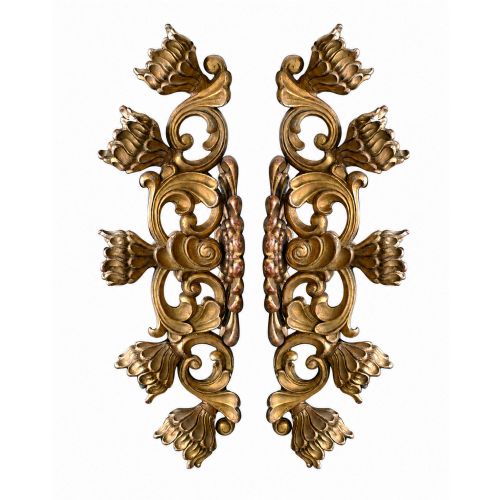
Antique italian lighting encompasses grand chandeliers and wall sconces spanning the eighteenth century through the nineteen-thirties. Pieces range from exuberant carved giltwood structures to multi-armed wrought iron and brass fixtures.
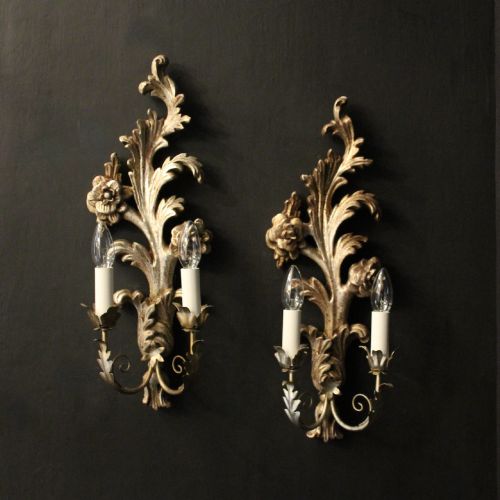
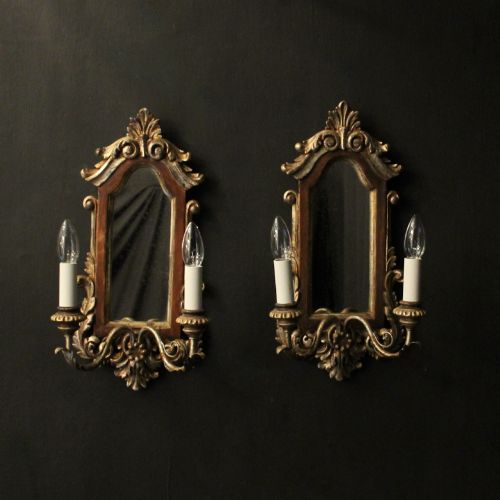
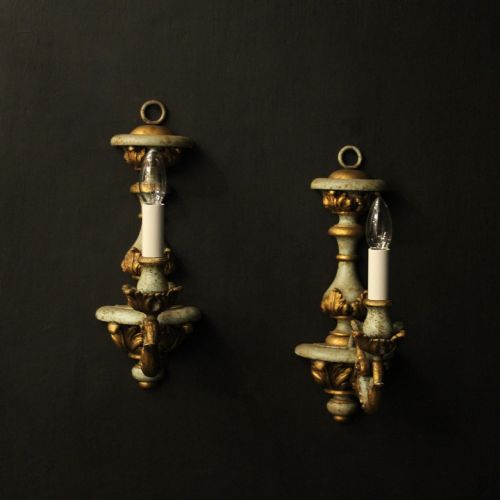
The most common examples encountered here are large chandeliers featuring multiple lights, alongside paired wall sconces designed for symmetrical placement. These items reflect distinct regional aesthetic traditions including Florentine, Baroque, and Rococo styles.
Origins stretch from centuries-old artisan workshops up through the early twentieth century. Each object demonstrates the enduring appeal of traditional Italian craftsmanship within domestic interiors.
How they were made
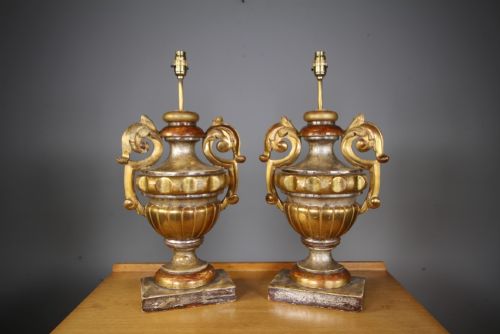
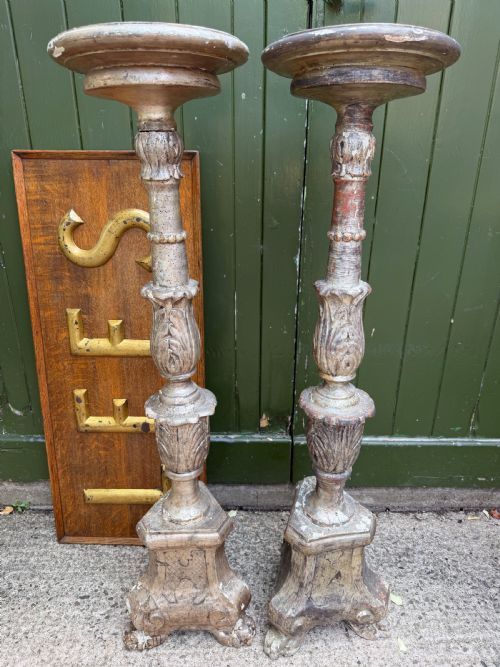
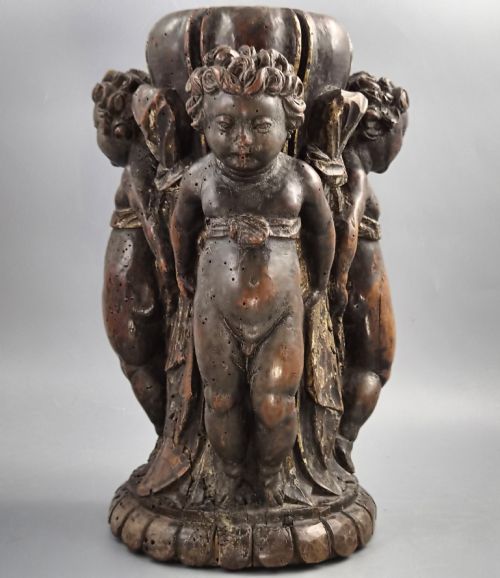
Construction relies upon traditional material combinations such as carved wood finished with gesso, gold leaf, and silver gilding. Artisans shaped structural elements using wrought iron and brass alongside delicate glass and crystal components.
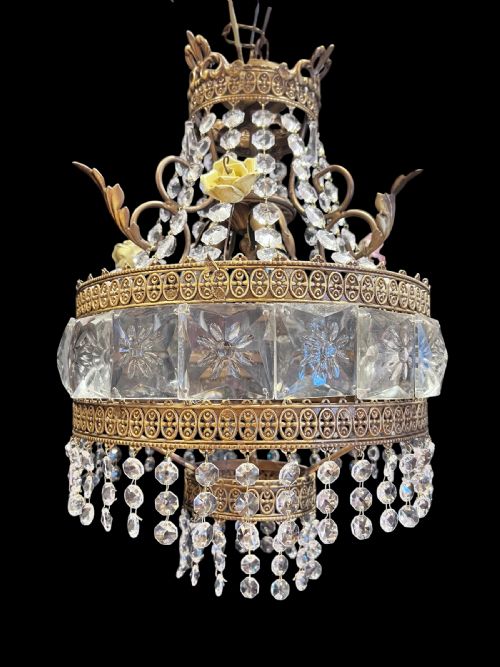
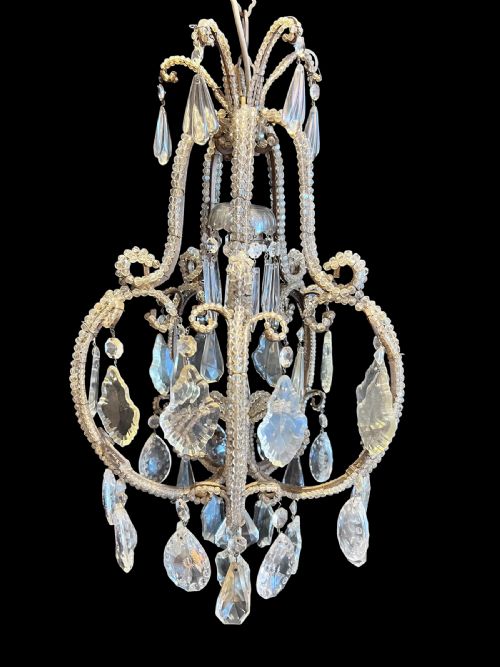
Polychrome decoration appears frequently, applied by hand to wooden frames and arms. Metalwork involves both heavy casting and hand-beaded crystal arrangements that reflect and refract illumination.
Retail Price Guide 2026
Typical UK retail prices for italian lighting, calculated from the Sellingantiques database of over a million retail prices indexed since 2003. This retail price guide relies exclusively on Sellingantiques data; no external sources or auction records are used, so the figures do not describe the wider market.
Eighteen separate lights mean eighteen distinct chances to marvel at hand-beaded crystal.
What varies in quality
Quality rests in the depth of hand-carving on wooden frames and the precision of the original gilding. Finer pieces display intricate polychrome detailing and well-balanced multi-tiered arrangements rather than plain construction.
The integration of materials dictates the overall calibre, seen in the clarity of crystal beads and the substantial weight of brass or iron armatures. Master work shows deliberate proportion across numerous light configurations.
The Antique Italian Lighting Glossary
- Gesso
- A plaster-based mixture applied to carved wood to create a smooth surface for gilding or painting. It provides the foundation for intricate relief details.
- Giltwood
- Timber coated with a thin layer of gold leaf. This technique creates a luminous surface finish characteristic of grand decorative pieces.
- Polychrome
- The practice of decorating surfaces in multiple colours. Artisans used this method to add vibrant life to carved wooden fixtures.
- Sconce
- A wall-mounted lighting fixture designed to hold multiple candles or bulbs. Paired examples are typically placed symmetrically in formal rooms.
- Chandelier
- A branched decorative ceiling-mounted light fixture holding multiple illumination points. These suspended objects often incorporate glass, crystal, or metal drops.
Frequently Asked Questions
Where should I hang a chandelier?
Chandeliers suit high-ceilinged reception rooms, dining areas, and grand hallways where their suspended scale can be fully appreciated.
Ensure adequate clearance beneath the lowest point for foot traffic and furniture placement.
Can these lights take modern bulbs?
Most antique fixtures can be adapted by a professional electrician to accept contemporary wiring and standard bulbs.
Low-wattage or warm LED options help preserve the historic ambience while providing adequate illumination.
How do I identify Italian styles?
Italian Florentine pieces often feature ornate carved wood, floral motifs, and rich gilding or polychrome finishes.
Baroque and Rococo examples showcase dramatic curves, asymmetry, and sculptural elements derived from classical European design traditions.