

Antique Crystal Pendant Light
These antique crystal pendant light fixtures bring brilliant illumination and refined historic character to a room.
What these pieces are
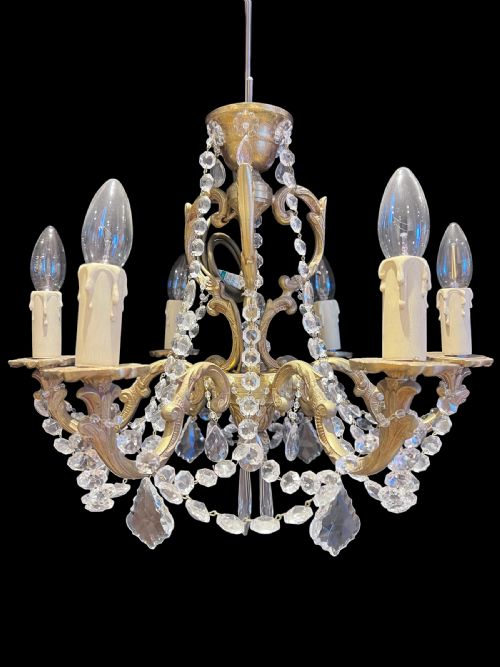
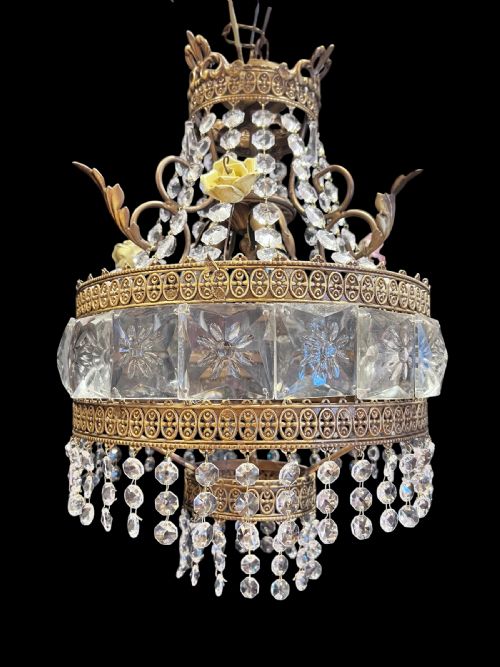
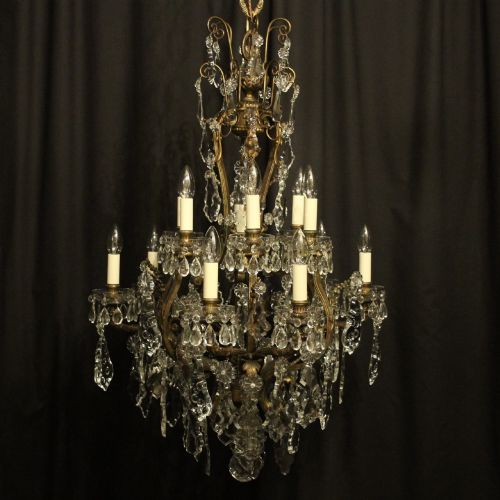
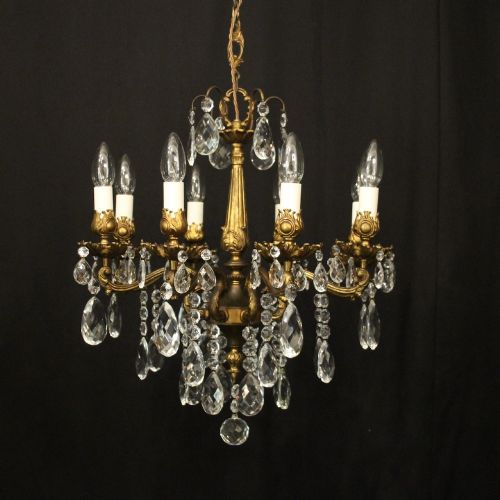
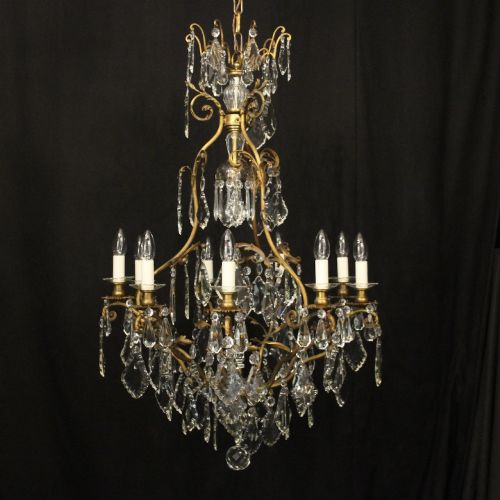
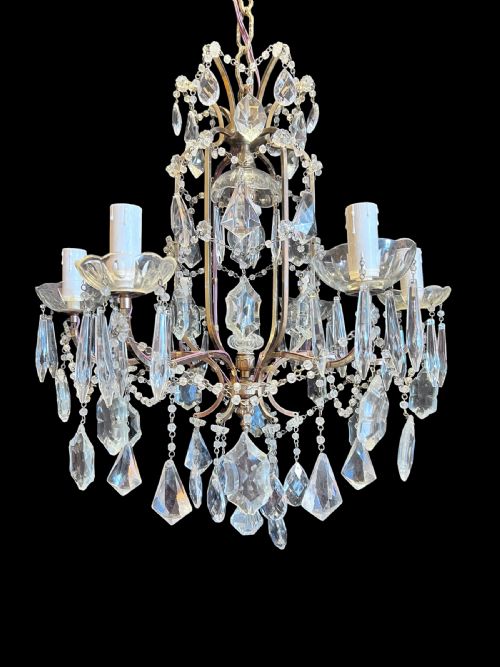
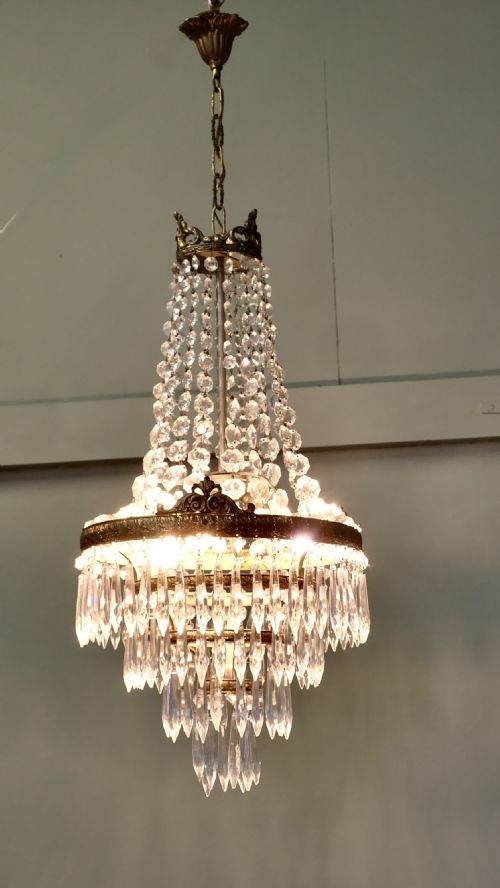
When you search for an antique crystal pendant light, you are looking at ceiling-hung fixtures designed to scatter light through glass and metal frameworks. The selections span ceiling lights and chandeliers originating from the nineteenth and early twentieth centuries.
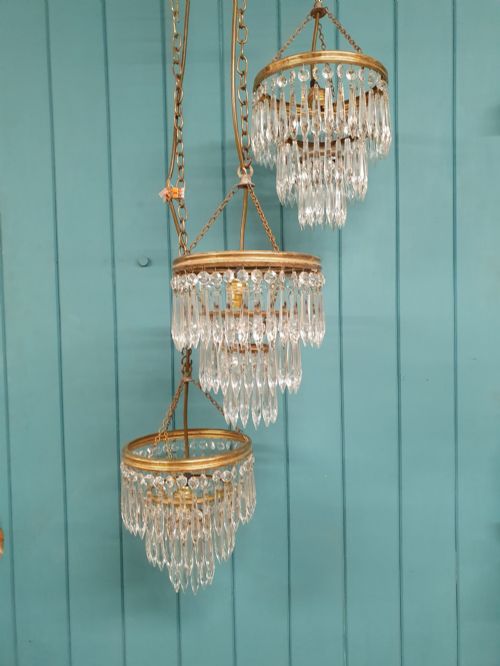
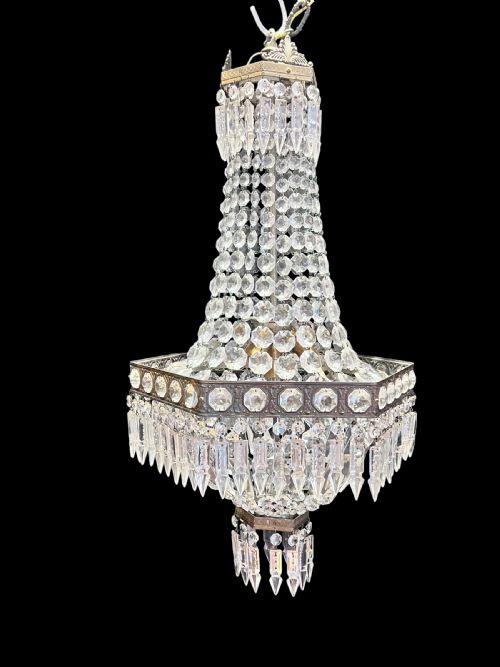
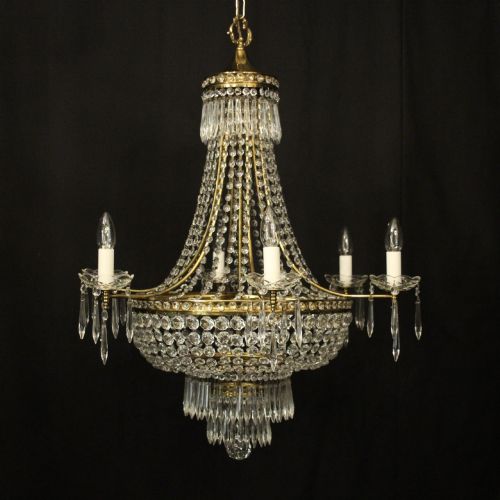
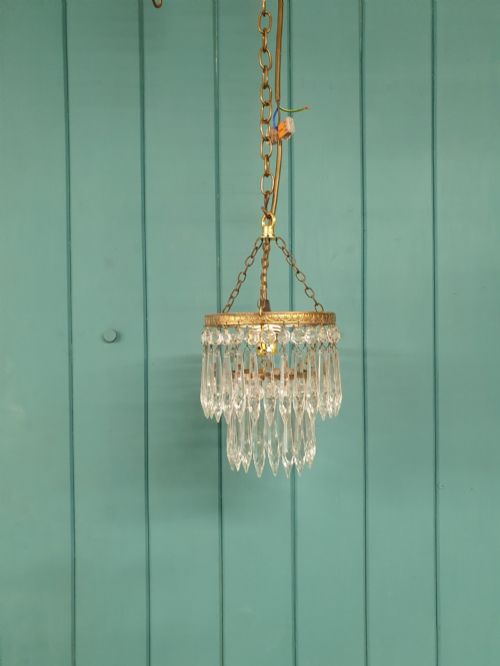
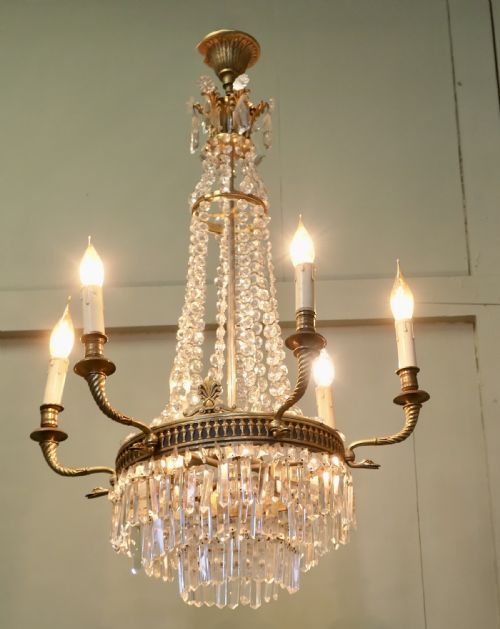
The versions you are most likely to meet on this page include French Empire tent styles, Edwardian hanging pendants, and Arts and Crafts bowl chandeliers. They utilise glass, crystal, cut glass, and lead crystal alongside brass, gilded bronze, and silver-gilded bronze.
These fixtures display diverse regional characteristics, ranging from Italian Florentine gilt designs to English cut glass pieces. Each object reflects the decorative tastes of periods such as the Victorian, Edwardian, and French Neoclassical eras.
How they were made
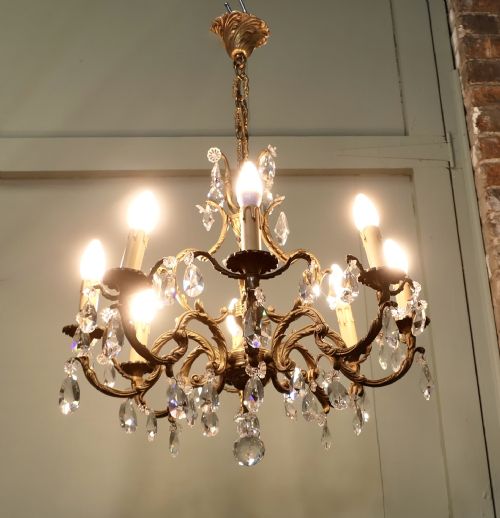
The construction of these fixtures combines cast or gilt metal frames with suspended glass elements. Metals like brass, gilt metal, and gilded bronze form the structural skeletons that support numerous cut glass and crystal pendants.
Makers utilised specialised cutting techniques to shape lead crystal and glass components, maximising their ability to refract illumination. Metalwork components were often cast, chased, and gilded or silver-gilded to complement the sparkling glass.
Retail Price Guide 2026
Typical UK retail prices for crystal pendant light, calculated from the Sellingantiques database of over a million retail prices indexed since 2003. This retail price guide relies exclusively on Sellingantiques data; no external sources or auction records are used, so the figures do not describe the wider market.
Expect a small army of dangling glass beads to turn your ceiling into a stationary thunderstorm of trapped sunlight.
What varies in quality
Quality in these fixtures is distinguished by the clarity of the crystal and the intricacy of the metal framework. Finer examples display superior cut glass refraction and substantial cast bronze or brass rather than lighter gilt metal.
The design ambition separates standard production from exceptional works, visible in multi-tiered tent and waterfall configurations or complex beaded gilt structures. The integration between the metal armature and the glass drops determines the overall coherence of the piece.
The Antique Crystal Pendant Light Glossary
- Crystal
- A high-clarity form of glass containing lead oxide, used for its superior refractive properties in hanging fixtures. It catches and disperses light with sharp prismatic colour.
- Gilded Bronze
- Bronze metal treated with a thin layer of gold or gold leaf applied to the surface. This technique provides a durable, luxurious finish that resists tarnish.
- Tent and Waterfall
- A chandelier configuration featuring an upper tent of strung crystals dropping down to a wider tier of hanging glass. This layered arrangement creates a dramatic cascade of illumination.
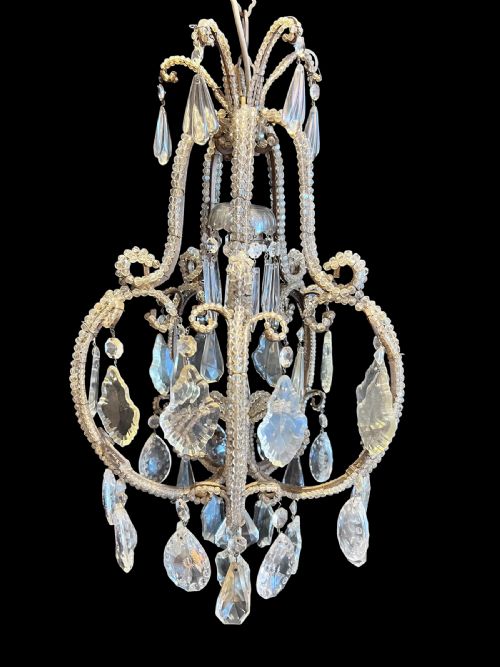
- Bag Chandelier
- A compact light fixture enclosed in a flattened bag or basket shape formed of small glass beads. It hangs close to the ceiling while maintaining a high density of sparkle.
- Lead Crystal
- Glass manufactured with added lead oxide to increase weight, brilliance, and softness for cutting. It allows artisans to cut deeper facets that enhance light reflection.
Frequently Asked Questions
How do I hang a heavy antique chandelier?
These heavy metal and glass fixtures require secure attachment to ceiling joists using rated structural hooks. Professional installation ensures the weight of the bronze and crystal is safely supported.
Electrical wiring must also be evaluated and adapted to modern safety standards during the hanging process. An experienced electrician will protect the historic frame while securing the connection.
What rooms suit an Edwardian pendant light?
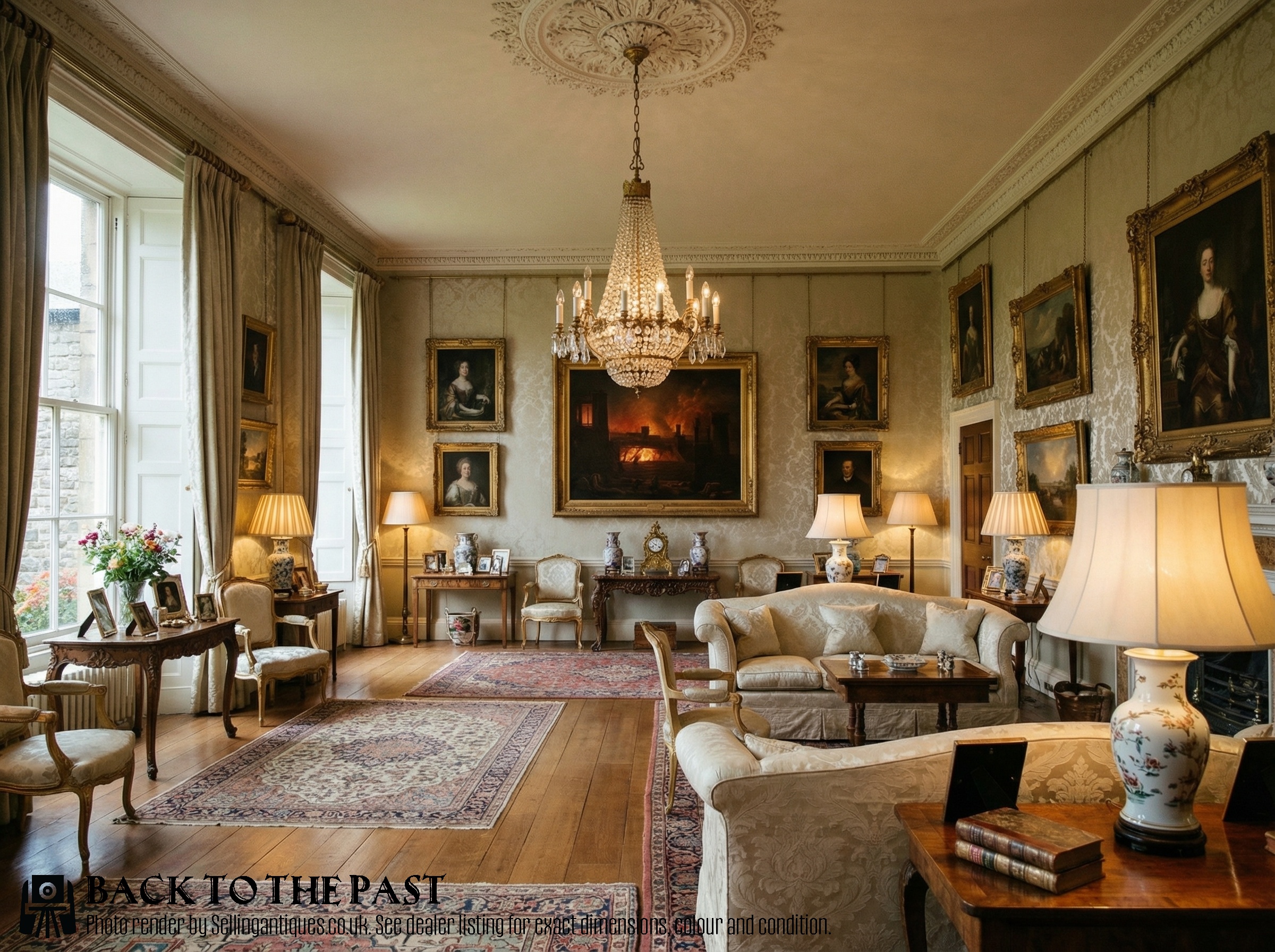
Edwardian hanging lights fit well in hallways, bedrooms, or smaller reception spaces where ceiling height is moderate. Their proportion provides focused downward illumination without overwhelming the room.
Pairing these fixtures with period architecture enhances the historic character of the interior. The cut glass elements complement both traditional and transitional decor schemes.
How do I clean antique crystal fixtures?
Cleaning involves wiping individual glass drops with a mild solution of warm water and appropriate cleaner while they remain on the frame. Avoid harsh chemicals that might damage gilded bronze or silver-gilded surfaces.
For thorough cleaning, delicate pendants can be individually unhooked, washed, and dried before reattachment. Regular dusting maintains the reflective quality of the glass without risking the metalwork.
How can I tell a French Empire style light?
French Empire style fixtures typically feature tent configurations, classical proportions, and rich gilded bronze mounts. The design vocabulary draws on neoclassical motifs popularized during the early nineteenth century.
The presence of structured crystal cascades combined with heavy cast metal frames points directly to this aesthetic. These elements distinguish Empire designs from simpler Edwardian or Arts and Crafts pieces.