

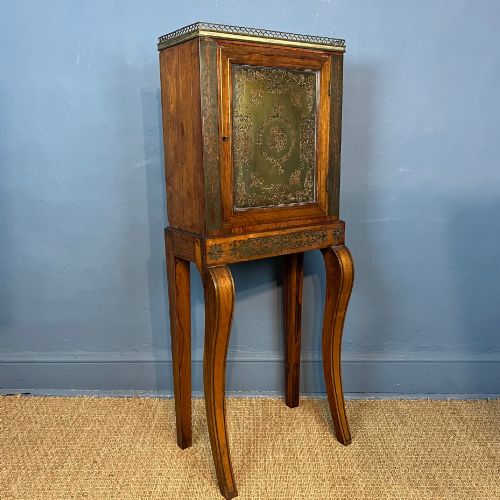
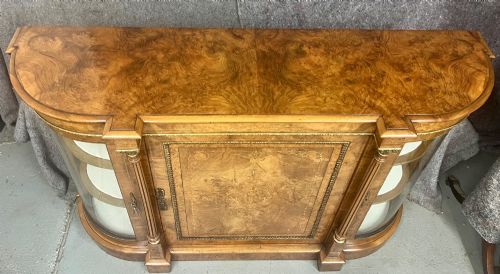
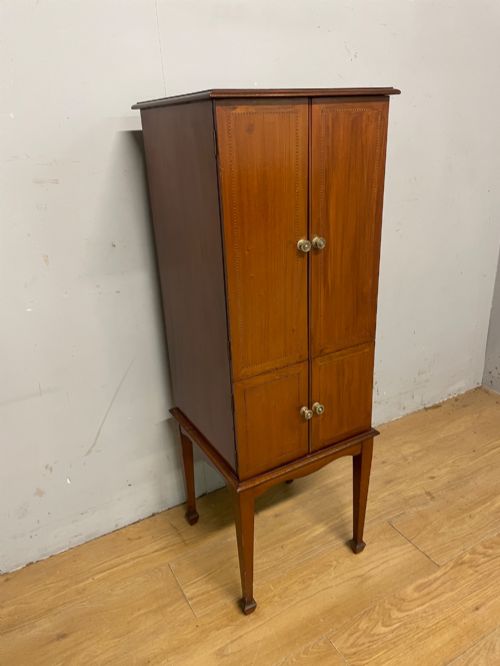
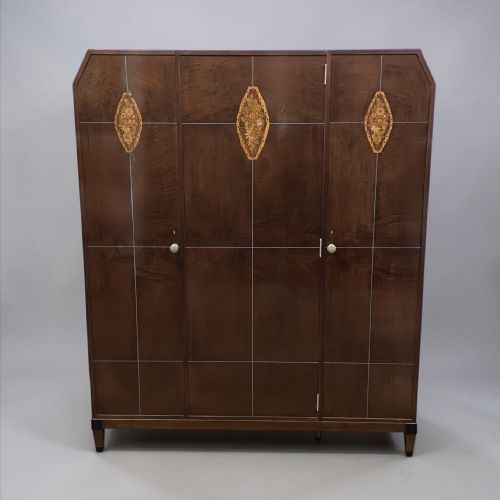
Antique Inlaid Cabinet
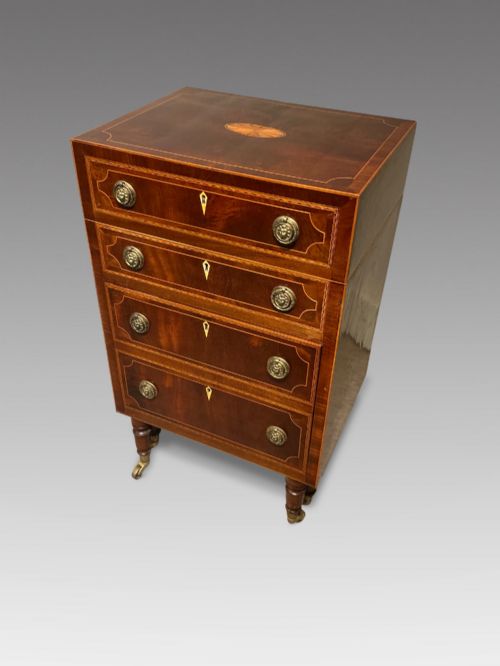
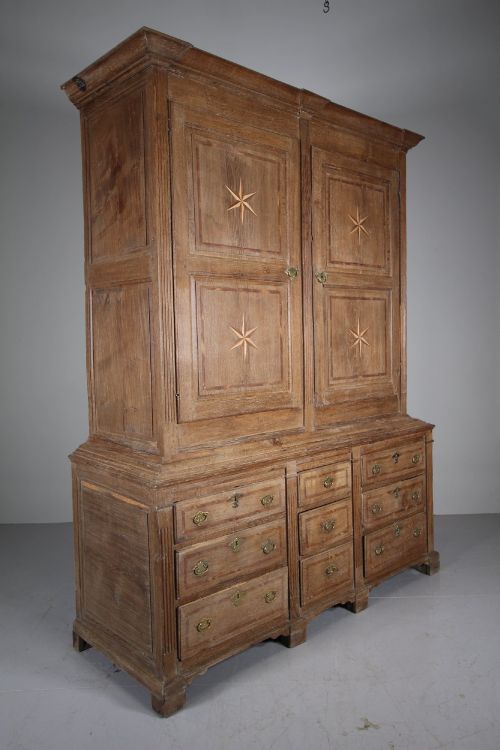
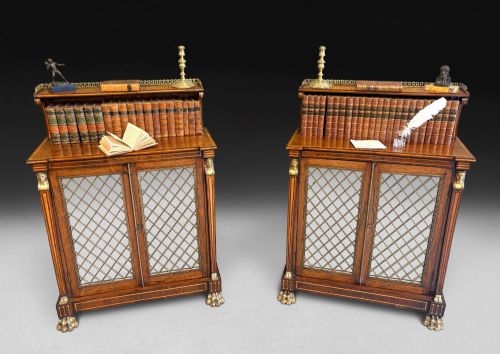
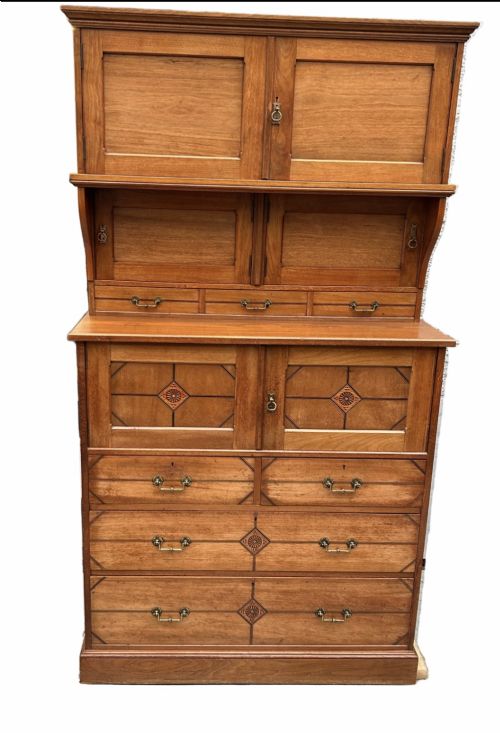
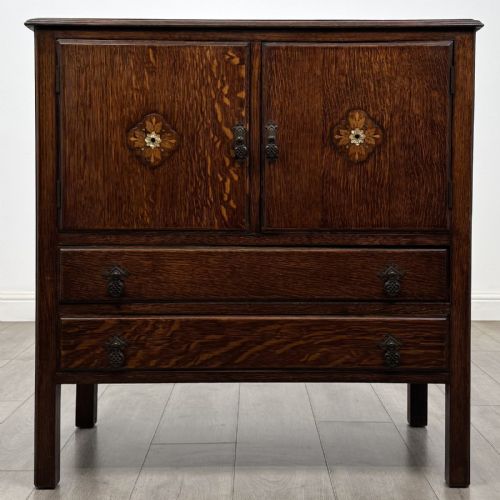
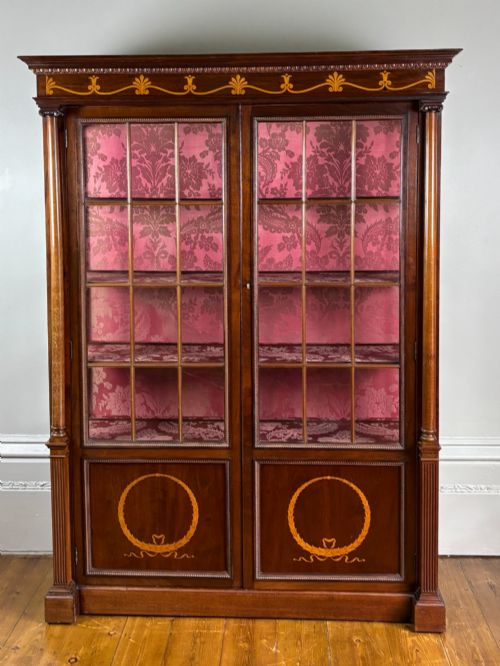
When you search for an antique inlaid cabinet, you are looking at centuries of cabinet-making talent defined by careful contrasting woods.
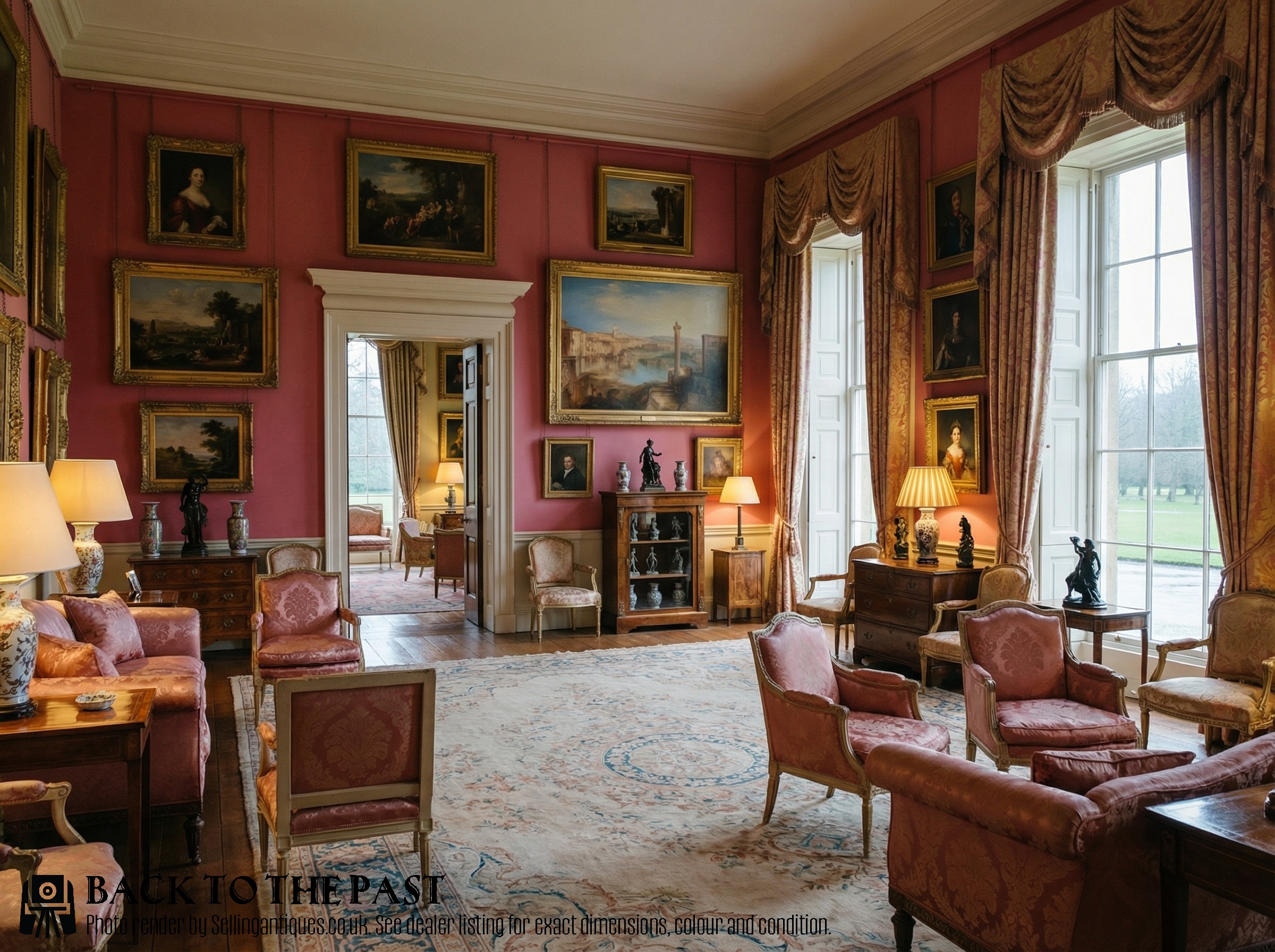
Antique Inlaid Cabinet
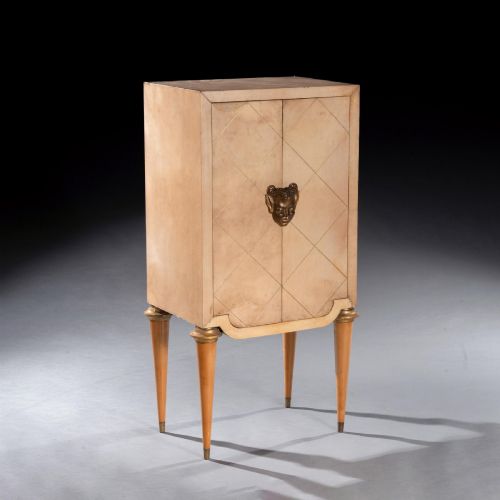
An antique inlaid cabinet spans multiple forms including display cabinets, side cabinets, bookcases, and corner units designed for domestic storage and presentation. These pieces originate from periods ranging through the eighteenth, nineteenth, and early twentieth centuries, reflecting changing domestic fashions.
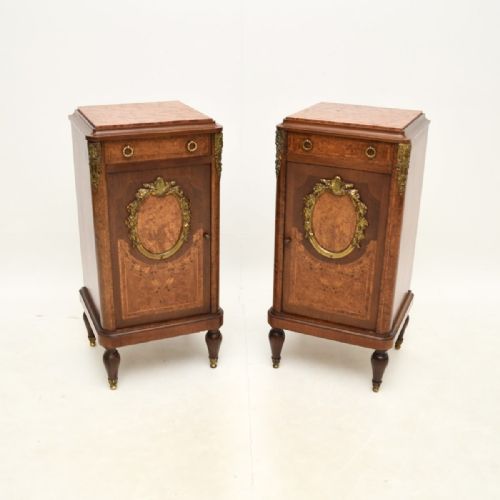
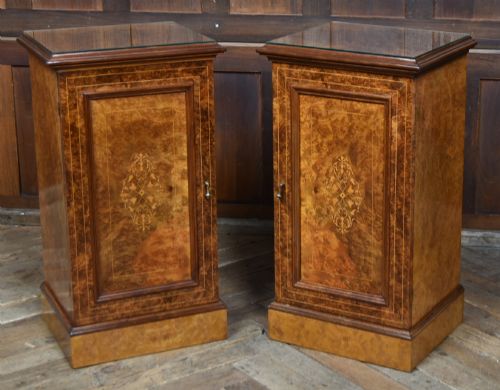
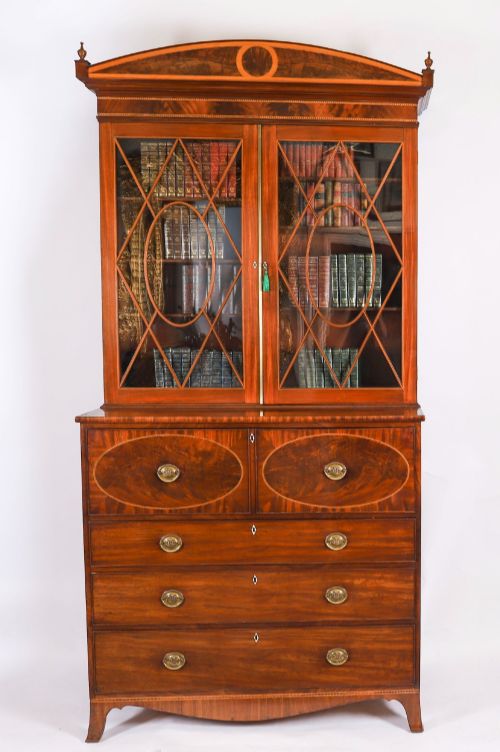
The most common examples encountered in daily browsing date from the Victorian and Edwardian eras, frequently constructed in mahogany or burr walnut. These functional items range from small bedside cupboards to substantial pier cabinets and breakfront bookcases.
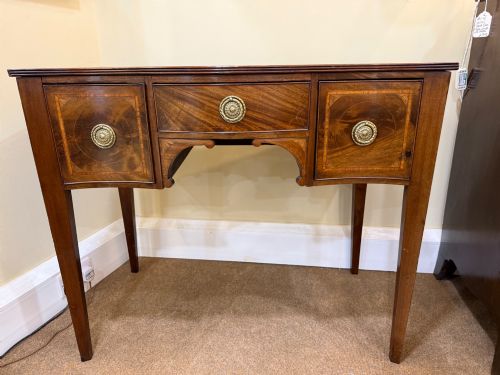
Makers and workshops across Britain and continental Europe applied decorative veneers and contrasting stringing to elevate plain furniture surfaces. Buyers select these items for both their practical storage capacity and their decorative wood-working detail.
Materials and construction methods
Cabinet makers relied on stable secondary timbers faced with fine veneers of mahogany, walnut, satinwood, and rosewood. Floral marquetry and geometric banding were meticulously cut and fitted into recessed channels across the carcass.
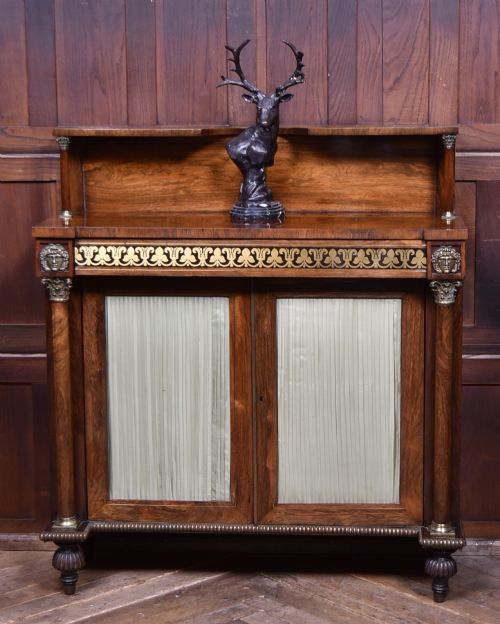
Metal mounts in brass and ormolu often reinforced corners, framed glass doors, or added feet to grander credenzas and pier cabinets. Glazed panels, mirror backs, and marble tops completed the construction of display-oriented pieces.
Antique Inlaid Cabinet Retail Price Guide 2026
Typical asking prices for inlaid cabinet among the pieces listed under this phrase on Sellingantiques today, from the lower quarter to the upper quarter. They describe what is for sale here now, not the wider market.
Scottish musicians once stored their sheet music inside dedicated Victorian cabinets fitted with internal shelving.
Distinctions in craftsmanship
The refinement of the marquetry and the choice of veneer figure separate standard production from master workshops. Dense burr walnut and carefully selected flame mahogany provide rich visual depth that plain timber lacks.
Execution of secondary details such as cast ormolu mounts, hand-cut dovetails in the drawers, and original bevelled glass panes distinguish superior examples. Integrated designs by notable retailers show greater cohesion between internal shelving and exterior decoration.
Hewetsons London·GM Elwood for JS Henry·Maple and Co·Edwards and Roberts London
The Antique Inlaid Cabinet Glossary
- Marquetry
- A decorative technique where thin veneers of various coloured woods are assembled to form pictorial or floral patterns. This method covers the main surface of doors and drawer fronts.
- Ormolu
- Gilded bronze used for decorative mounts, feet, and keyhole escutcheons. It provides metallic contrast against dark woods like walnut and mahogany.
- Pier Cabinet
- A low display cabinet traditionally designed to stand against the wall space between windows. These slim pieces frequently feature glass doors and velvet-lined interiors.
- Credenza
- A sideboard or display unit originating in continental Europe and later adopted in Victorian drawing rooms. They often stand on plinth bases with central doors flanked by curved glass ends.
- Satinwood
- A pale, lustrous timber imported from the tropics, used extensively in Sheraton Revival pieces for contrasting stringing and banding. Its bright tone highlights darker surrounding woods.
Antique Inlaid Cabinet: Frequently Asked Questions
What is an inlaid pier cabinet?
A pier cabinet is a narrow display piece designed specifically for placement against the wall between windows.
These compact items usually feature single glazed doors to protect porcelain and small collectibles.
How do I identify Edwardian inlaid furniture?
Edwardian pieces often utilise lighter mahogany frames combined with delicate satinwood stringing and classical motifs.
They frequently date from the turn of the twentieth century and favour brighter interior display functions.
Where were credenzas used?
Victorian households placed credenzas in principal reception rooms to display valuable ceramics and silver.
Their substantial timber bodies and mirrored backs helped reflect light in formal nineteenth-century interiors.
What distinguishes marquetry from simple inlay?
Marquetry assembles entire pictorial or floral veneer panels before applying them to the furniture carcass.
Inlay involves cutting individual recesses directly into solid wood or veneer to insert contrasting strips.