





Antique Inkwell Stand
When choosing an antique inkwell stand, you select a desk accessory designed to hold writing instruments and ink securely.

Antique Inkwell Stand
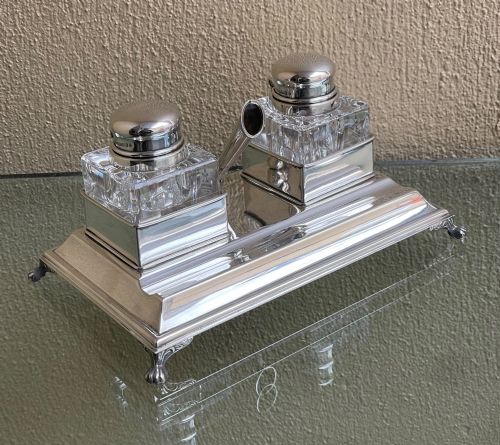
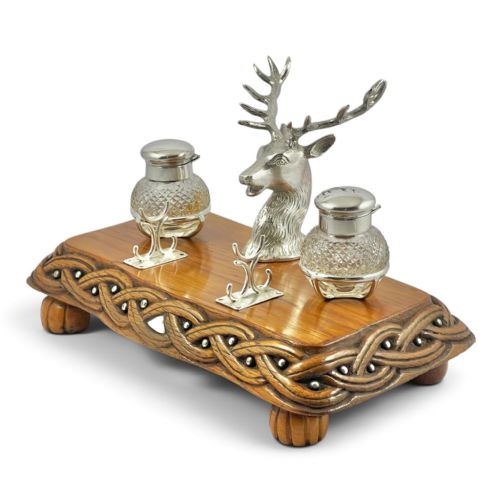
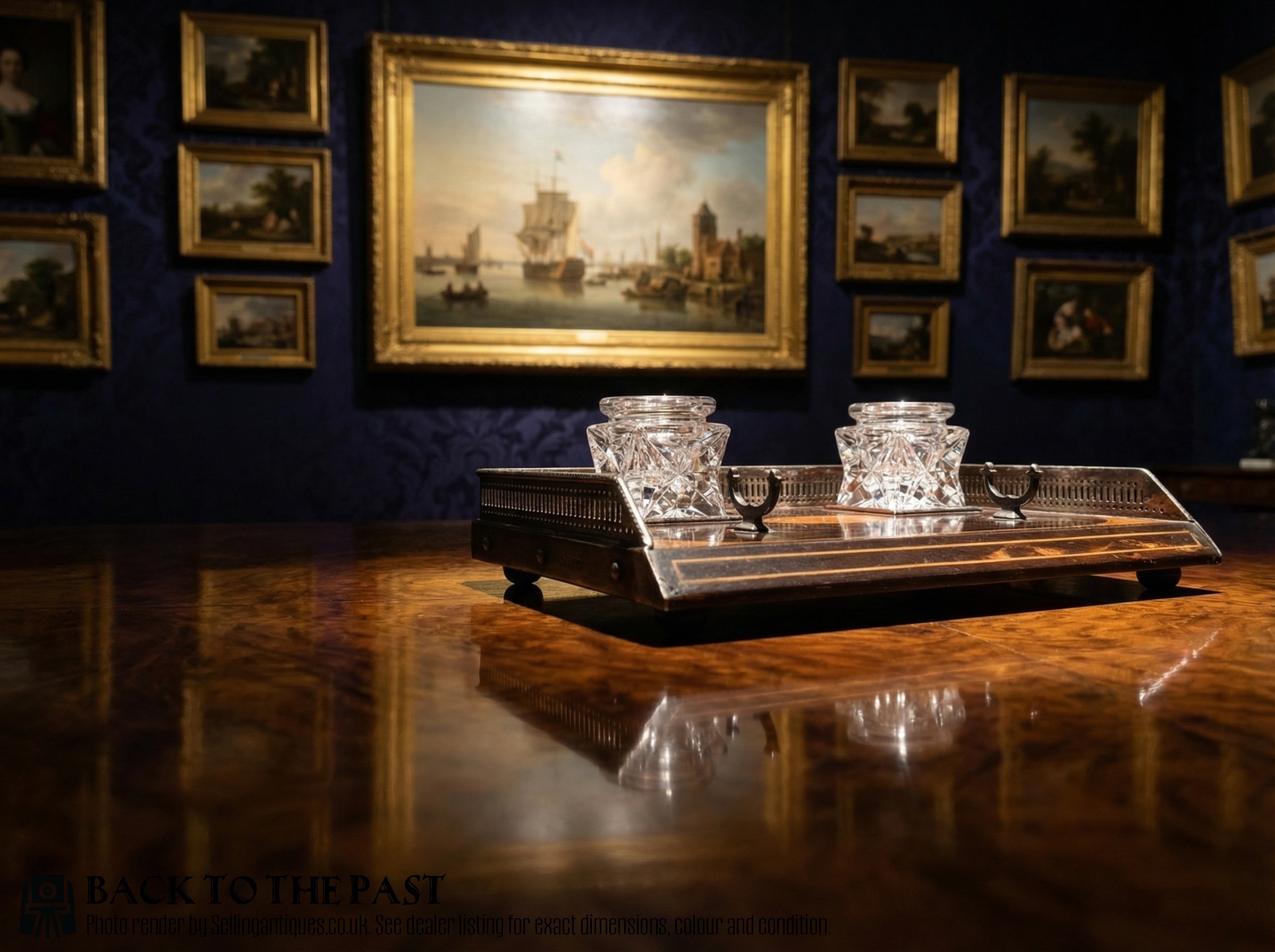
An antique inkwell stand serves as a central desk accessory designed to hold one or more inkwells alongside pen rests and stationery compartments. These pieces range from simple wooden trays to elaborate multi-piece sets featuring chambersticks, letter racks, and integrated clocks.
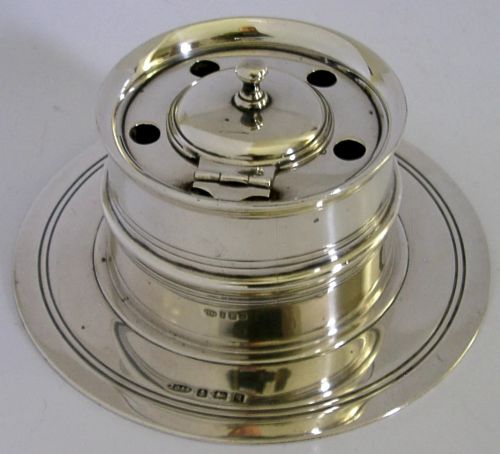
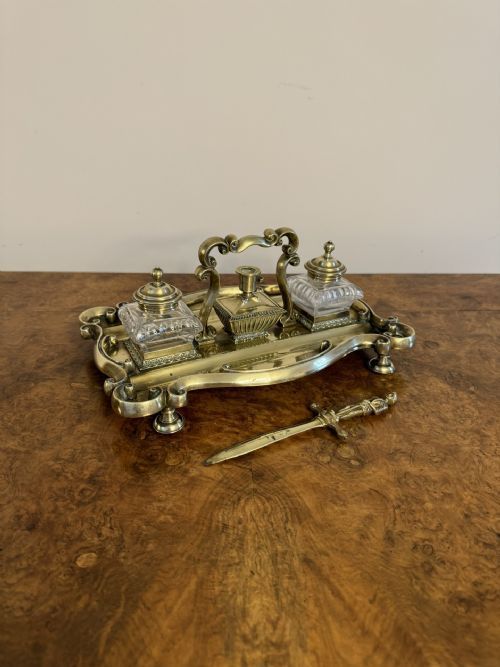
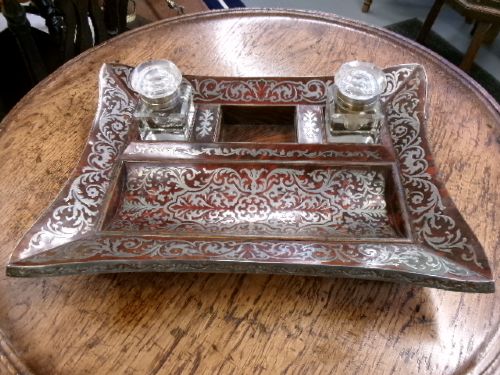
Victorian and Edwardian examples dominate the selection, often constructed with heavy brass, sterling silver, or exotic hardwoods such as coromandel and walnut. Buyers frequently encounter fitted trays that combine glass ink inserts with matched pen troughs.
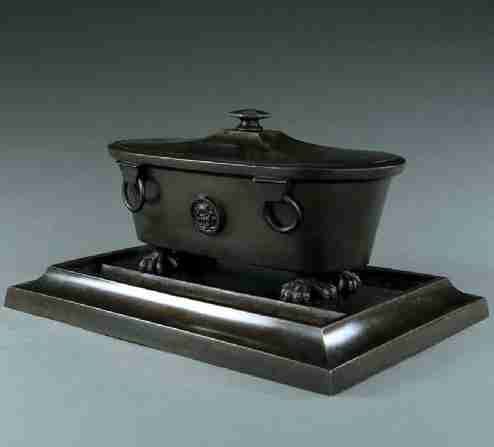
Continental pieces bring alternative materials into the category, including French ormolu, patinated bronze, and carved marble. Regional British variations incorporate local resources like Scottish oak with horn, or Ashford marble.
How They Were Made
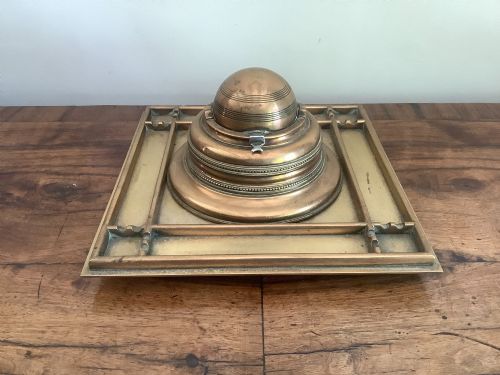
Metals form the structural foundation for many stands, utilising cast brass, silver plate, and solid sterling silver shaped through spinning, casting, and hand chasing. Bronze and ormolu pieces rely on intricate casting methods common in French workshops during the nineteenth century.
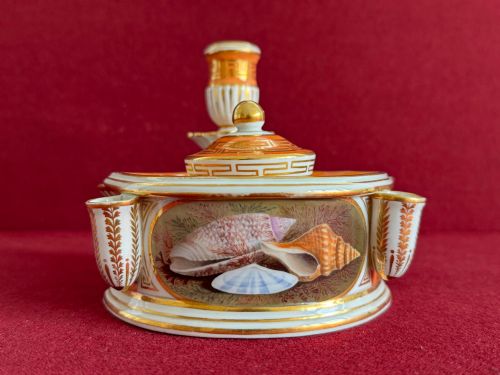
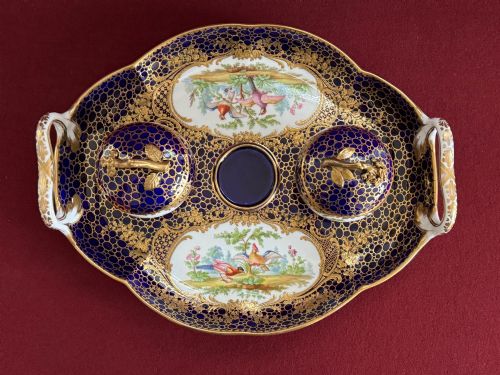
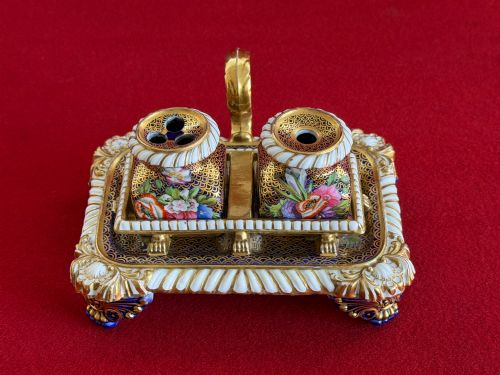
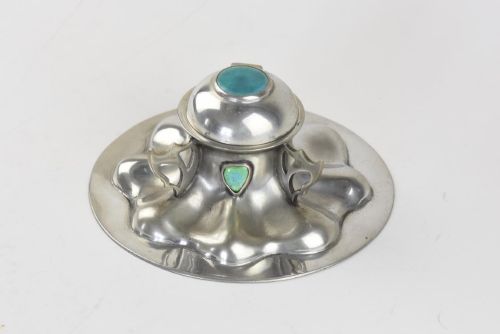
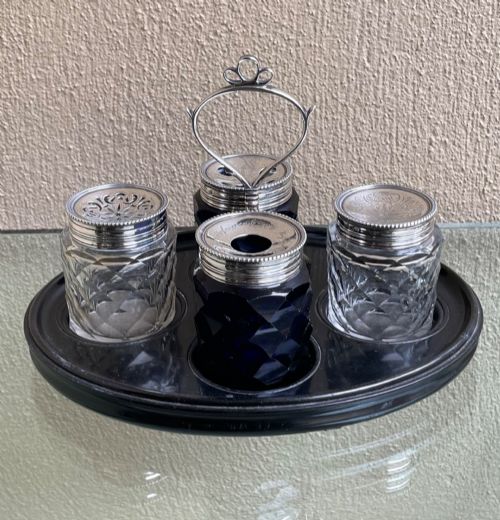
Glass production provides the heavy cut-glass or plain blown inserts that sit within the metal or wooden frames to hold the liquid ink. Pewter and ceramics also appear, including glazed earthenware and porcelain elements decorated with painted motifs or applied cabochons.
Antique Inkwell Stand Retail Price Guide 2026
Typical asking prices for inkwell stand among the pieces listed under this phrase on Sellingantiques today, from the lower quarter to the upper quarter. They describe what is for sale here now, not the wider market.
Some Victorian desks kept writers honest with built-in postage scales attached directly to the ink stand.
What Varies in Quality
The degree of hand-finishing in metal mounts and cast figural elements dictates the overall standard of the piece. Crisp detailing on bronze animals, cast brass borders, and engraved silver plates distinguishes superior items from mass-produced commercial output.
The integrity of fitted materials determines longevity, particularly in complex combinations of tortoiseshell, brass inlay, and exotic woods. Superior desk sets maintain tight joints and securely anchored hinges on stationery racks and pen drawers.
The inclusion of matching components - such as original glass liners, paired candlesticks, and coordinated blotters - elevates the standing of a desk set. Replacement liners or mismatched ink bottles indicate a composite assembly rather than an original ensemble.
William Hutton·Walker And Hall·James Deakin·Mappin And Webb·Martin Hall And Co·Carrington
The Antique Inkwell Stand Glossary
- Inkstand
- A fitted tray or stand holding one or more inkwells, often incorporating pen rests and stamp boxes. These portable writing surfaces sat upon nineteenth-century desks to organise writing materials.
- Inkwell
- A small jar or reservoir designed to hold liquid ink safely on a desk. They frequently feature hinged metal lids to prevent the ink from drying out.
- Desk Tidy
- A broader descriptor for desk accessories that include compartments for letters, envelopes, and pens alongside the inkwells. They keep writing tools orderly in a domestic study.
- Ormolu
- Gilded bronze utilised extensively in French decorative arts for mounts and decorative feet. The technique involves applying a gold amalgam to a bronze base.
- Boulle Work
- An intricate form of marquetry utilising brass and tortoiseshell inlaid into wood furniture and desk accessories. Named after the French cabinetmaker André-Charles Boulle.
Antique Inkwell Stand: Frequently Asked Questions
How were inkwell stands used?
These stands functioned as stationary writing centres on nineteenth-century desks, keeping liquid ink, pens, and blotting paper readily accessible for correspondence.
Users dipped quill or steel nib pens into the glass or ceramic wells before writing letters by hand.
What is an inkstand versus an inkwell?
An inkwell is simply the small pot that holds the liquid ink itself. An inkstand is the complete tray or base unit that houses the inkwell alongside pen rests and other desk accessories.
Many stands accommodate two inkwells to hold both black and red ink.
How do I date a brass desk set?
Dating relies on stylistic clues, manufacturing techniques, and any accompanying hallmarks on silver components or registry marks on the base. Victorian and Edwardian pieces often display distinct ornamentation ranging from heavy floral casting to sleek Art Nouveau lines.
Materials like coromandel and tortoiseshell point strongly to the mid-to-late nineteenth century.
Do original glass inserts matter?
Original glass liners significantly enhance the authenticity and completeness of an antique stand. Replacement glass inserts are common since the fragile vessels frequently suffered breakage or staining during daily use.
Matching the correct size and cut to the frame remains important for collectors.