








Victorian Desk Companion
A victorian desk companion organises correspondence and writing instruments, bringing functional utility and tactile presence to a study surface.

Victorian Desk Companion
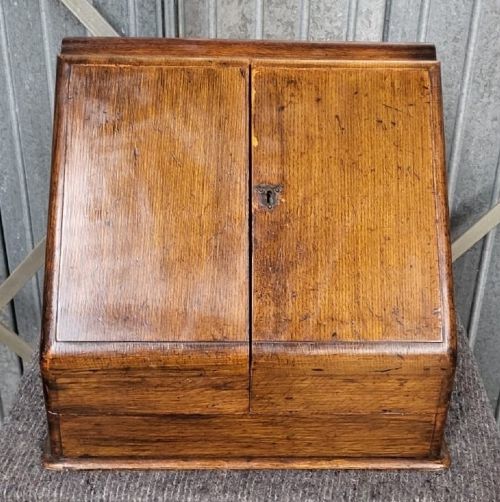
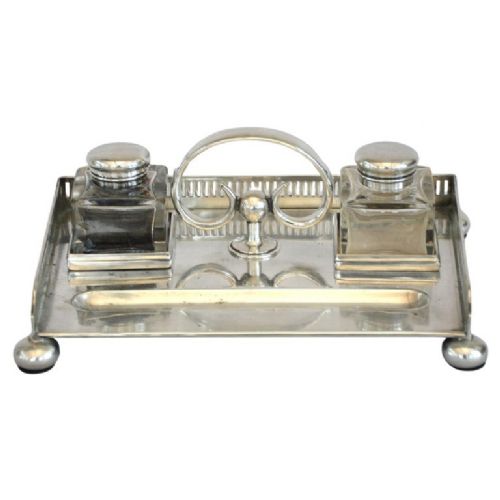
A victorian desk companion gathers the apparatus necessary for handwritten correspondence, from inkstands and stationery boxes to letter racks and smoking compendiums. These accessories served domestic and professional spaces throughout the nineteenth century, keeping paper, pens, and ink contained in purpose-built forms. The items appearing on this page span the Victorian and Edwardian eras, with occasional pieces stretching into related nineteenth-century styles such as Regency, Napoleon III, and Black Forest carvings.
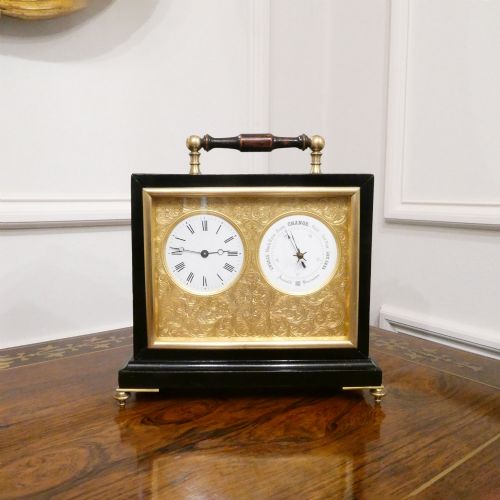
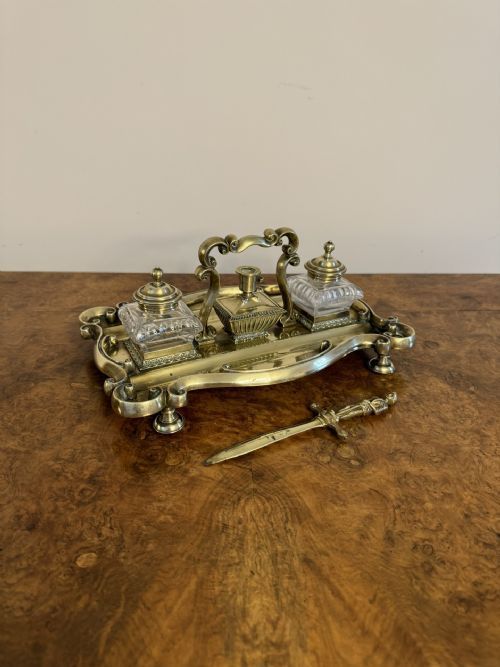
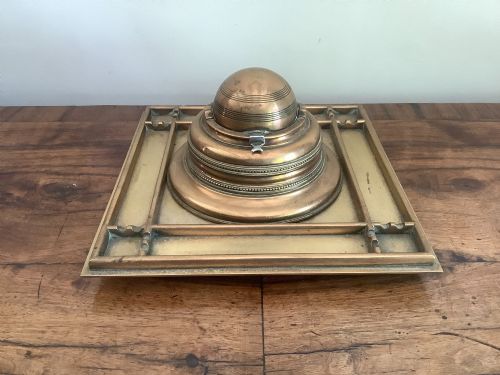
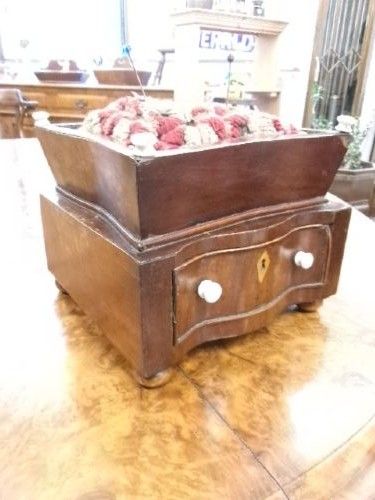
Inkstands form the most common variant among these listings, often pairing mounted glass inkwells with brass or wooden trays. Alongside these sit stationery cabinets, letter boxes, and desk clocks constructed from dense timbers like oak, walnut, and coromandel. Buyers will also encounter specialised companions incorporating drawers, calendar functions, and compartments for cigars or stamps.
How They Were Made
Cabinetmakers utilised durable hardwoods including oak, walnut, mahogany, and coromandel as the foundational structure for boxes, cabinets, and stands. These timbers frequently received decorative treatment through brass mountings, ormolu, mother-of-pearl inlay, and tortoiseshell veneers.
Metalwork played a structural and decorative role, with cast brass, silver plating, and iron forming hinges, gallery rails, and inkwell lids. Cut glass and heavy moulded glass provided the reservoirs for ink, paired with carved wooden elements seen in Black Forest animal motifs and architectural stationery boxes.
Victorian Desk Companion Retail Price Guide 2026
Typical asking prices for victorian desk companion among the pieces listed under this phrase on Sellingantiques today, from the lower quarter to the upper quarter. They describe what is for sale here now, not the wider market.
Desk accessories span multiple forms including inkstands, letter boxes, stationery cabinets, and smoking compendiums.
What Varies in Quality
The distinction between standard utility items and superior pieces rests on the ambition of the design and the precision of the materials. Fine examples employ luxury timbers like coromandel or burr walnut paired with meticulous brass mounts, intricate surface carving, and complete, matching inkwells.
Construction methods also dictate grade, where tight joinery, fitted internal drawers, and original locking mechanisms separate master workshops from mass production. The presence of integrated multifunctions, such as combined date indicators, barometers, or multiple matched glass ink bottles, elevates a piece within its category.
Walker And Hall
The Victorian Desk Companion Glossary
- Inkstand
- A tray or stand designed to hold one or more inkwells, pen holders, and sometimes a sander or wafer box. These desk centerpieces kept writing liquids stable and accessible on the desktop.
- Stationery box
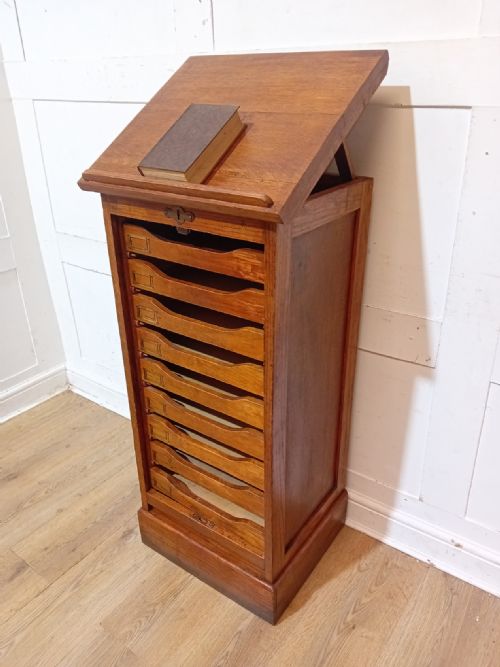
- An upright cabinet or desk tidy featuring tiered dividers or slots for organising envelopes, correspondence cards, and writing paper. They often include adjustable dates or small locking drawers.
- Coromandel
- A dense, heavily figured exotic timber imported from Asia and used for high-end Victorian box making. Its dark brown grain with dramatic black stripes makes it highly prized by collectors.
- Ormolu
- Gilded bronze or brass applied as decorative mounts, handles, and feet on wooden desk accessories. The technique creates a bright metallic contrast against dark hardwoods.
- Papier-mâché
- A composite material made from paper pulp or layers of paper mixed with glue and resin, pressed into moulds and hardened. It received smooth lacquer finishes and painted or inlaid ornamentation.
Victorian Desk Companion: Frequently Asked Questions
What is a Victorian desk companion?
A Victorian desk companion is a portable or stationary desktop accessory designed to hold writing materials, ink, and correspondence. These pieces kept the nineteenth-century study organised and functional.
Items range from simple wooden inkstands to elaborate multi-piece sets containing letter racks, calendars, and matching inkwells.
How do I date a desk accessory?
Dating relies on identifying the prevailing stylistic influences, timber choices, and manufacturing techniques recorded in the piece. Victorian items often feature dense hardwoods and elaborate brass or tortoiseshell mounts.
Later Edwardian examples tend toward simpler proportions, while mid-century pieces may display Napoleon III or Black Forest carving characteristics.
Were these pieces used in homes or offices?
Desk companions served both domestic writing tables and professional offices throughout the nineteenth and early twentieth centuries. Wealthy households maintained elaborate stationery boxes and smoking compendiums in studies and libraries.
Portable inkstands and writing boxes allowed users to transport their correspondence materials between rooms or residences.
What materials are most common?
Oak and walnut appear frequently as the primary structural woods for boxes, cabinets, and letter racks. Brass, silver plate, and cut glass provide the functional fittings for inkwells and desk hardware.
Luxury examples incorporate exotic timbers like coromandel alongside mother-of-pearl, tortoiseshell, and ormolu mounts.
How do I care for antique wood and metal?
Maintain wooden surfaces by keeping them away from direct sunlight and extreme humidity fluctuations. Gentle dusting with a dry cloth preserves the original polish and patina.
Metal mounts and glass inkwells require careful cleaning without harsh chemical polishes that might damage surrounding wooden veneers.