

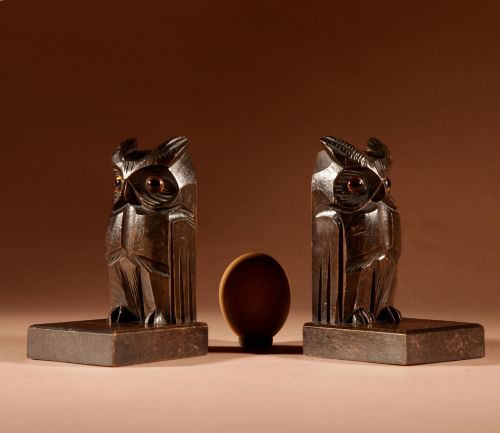


Antique Oak Desk Accessory
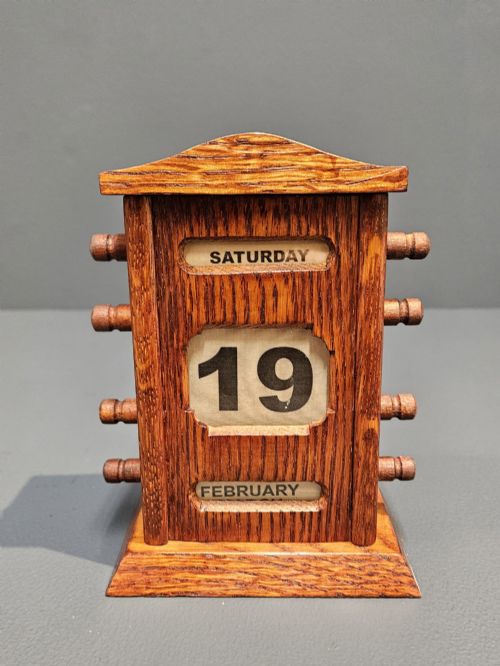
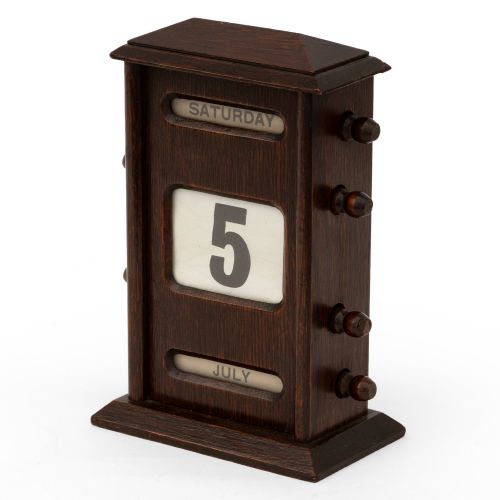
An antique oak desk accessory brings heavy grain and fitted utility to a writing table, offering practical desk organisation shaped by Victorian and Edwardian hands.
Antique Oak Desk Accessory
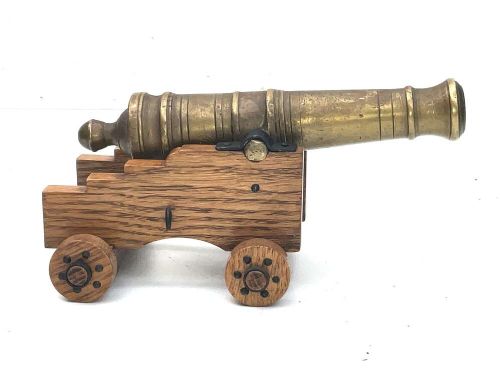
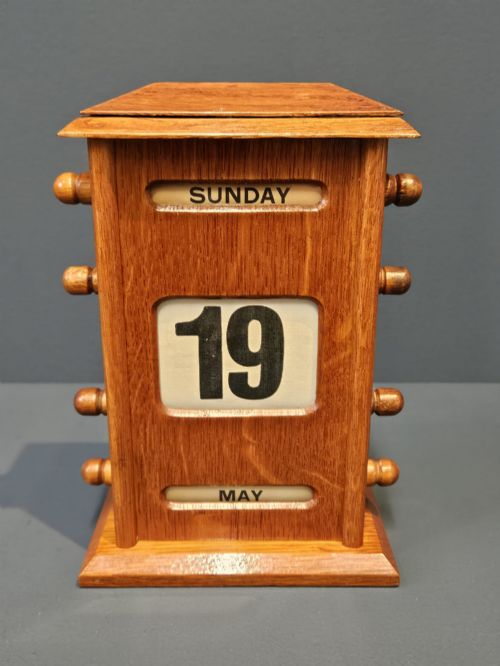
When you search for an antique oak desk accessory, you encounter a wide array of functional items designed to manage correspondence and writing tools on a period desk. These pieces range from solid inkstands and stationery boxes to extending book slides and letter racks, spanning the nineteenth and early twentieth centuries.
The versions you meet most frequently on this page date from the Victorian and Edwardian eras, reflecting the domestic and professional administrative needs of those periods. Makers of these utilitarian objects drew upon prevalent design idioms, producing forms that vary from plain solid timber constructions to ornate pieces influenced by the Gothic Revival and Arts and Crafts movements.
Materials and construction methods
The primary material across these pieces is oak, selected for its durability and prominent grain, frequently complemented by secondary mounts in brass, cast iron, and polished steel. Craftspeople combined heavy timber panels with fitted metal hinges, clips, and handles, ensuring that stationary boxes and book troughs could withstand daily office use.
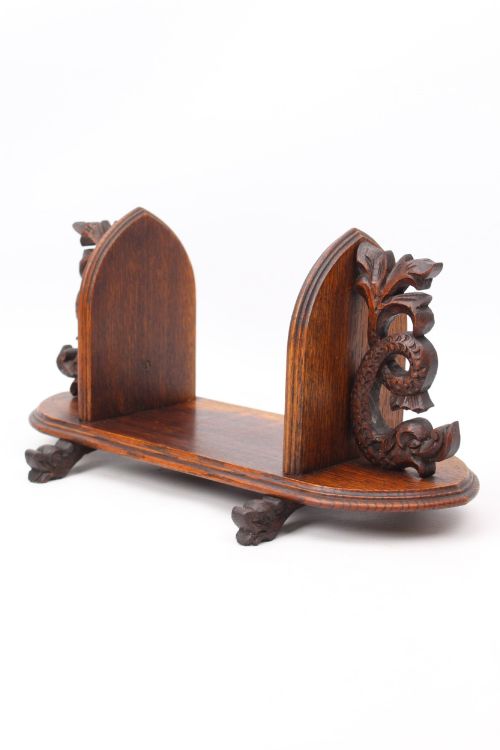
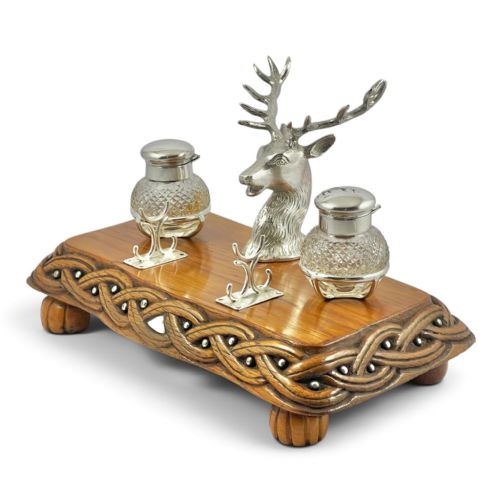
Carving and joinery techniques define the finer examples, with some items displaying detailed hand-carved motifs or regional styling such as Scottish Baronial or Black Forest work. Specialised fittings like glass inkwells, horn mounts, and silver details were integrated directly into the wooden frames to create cohesive desktop apparatuses.
Antique Oak Desk Accessory Retail Price Guide 2026
Typical asking prices for oak desk accessory among the pieces listed under this phrase on Sellingantiques today, from the lower quarter to the upper quarter. They describe what is for sale here now, not the wider market.
Listings feature oak combined with brass, horn, and cast iron across Victorian and Edwardian stationery boxes, book slides, and inkstands.
Distinctions in manufacture and execution
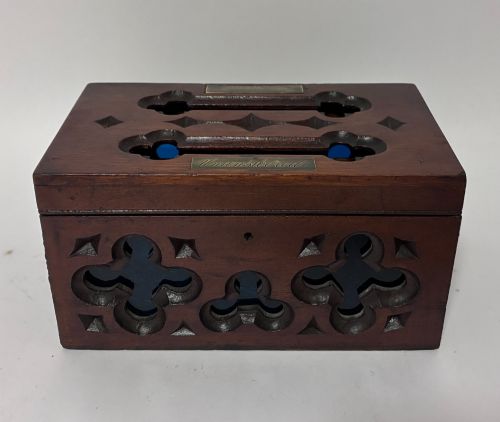
The division between standard utility items and superior examples lies in the ambition of the design and the crispness of the joinery. Pieces featuring integrated metalwork, such as brass-bound stationery cabinets or substantial cast mechanisms for extending book slides, demonstrate a higher degree of initial investment by the maker.
Detailing also dictates standing, with hand-carved figural elements or specific regional motifs elevating a simple piece of office furniture into a decorative focal point. The retention of original fitted interiors, such as matching glass inkwells or internal letter dividers, preserves the integrity and character of the accessory.
Arthur Simpson·Thornton Smith Co.·John Knox
The Antique Oak Desk Accessory Glossary
- Inkstand
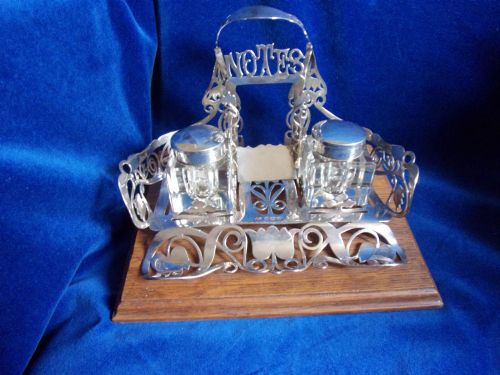
- A fitted tray or stand designed to hold one or more inkwells, often incorporating pen grooves and sanders. These desktop fixtures were standard in nineteenth-century studies.
- Book slide
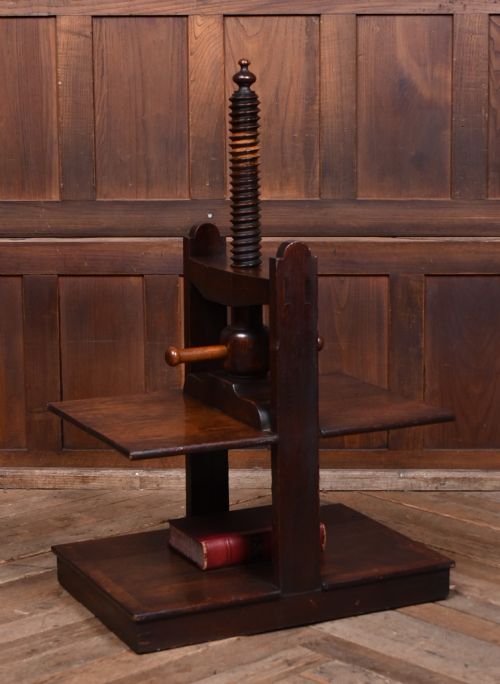
- An extending wooden rack used to keep volumes upright on a shelf or desk, frequently fitted with hinged ends. Brass brackets often allowed the length to adjust smoothly.
- Stationery box
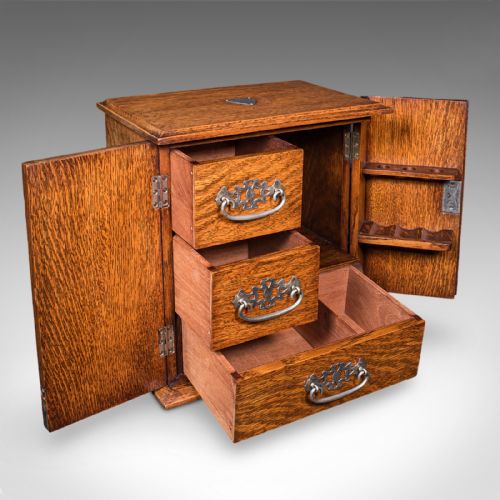
- A desk cabinet with a sloping or dome top designed to store writing paper and envelopes. They often feature partitioned interiors and secure locking doors.
- Letter rack
- A desktop organizer featuring tiered wooden or brass dividers for sorting incoming and outgoing mail. These items kept correspondence visible and orderly on busy writing tables.
- Standish
- An alternative term for an inkstand or inkwell tray, often denoting a more substantial desktop accessory with compartments for wafers, pens, and sealing wax.
Antique Oak Desk Accessory: Frequently Asked Questions
What counts as an antique oak desk accessory?
An antique oak desk accessory encompasses functional nineteenth and early twentieth-century desk items constructed primarily from oak timber. These include items intended for writing, correspondence organisation, and reading support.
Such objects range from inkstands and postal scales to book slides and letter racks. Their primary unifying feature is their use of oak within a desktop context.
How were these accessories used daily?
Victorian and Edwardian writers utilised these pieces to manage the heavy volume of daily correspondence and paperwork typical of households and offices before digital communication. Inkstands supplied wet ink, while stationery boxes kept paper and envelopes neat.
Book slides held reference volumes upright on writing tables, and letter racks sorted incoming post. Every item served a specific mechanical or organizational function in the study.
How do I date an oak desk piece?
Dating relies on stylistic clues, construction methods, and materials combined with the timber. Pieces displaying Gothic Revival or elaborate hand-carved ornamentation often point to the Victorian era, while cleaner lines frequently suggest Edwardian or later production.
Hardware such as brass hinges, locks, and inset manufacturer labels also provide firm chronological markers. Comparing the joinery style helps narrow the decade of manufacture.
How do I care for antique oak?
Antique oak benefits from stable environmental conditions away from direct heat sources and strong sunlight, which can dry and split the timber. Regular dusting with a dry, soft cloth preserves the polished surface.
Occasional application of appropriate wax polish maintains the moisture and sheen of the wood without building up heavy residue. Metal mounts should be treated carefully to avoid abrasive cleaning.