





Nineteenth Century Desk Set
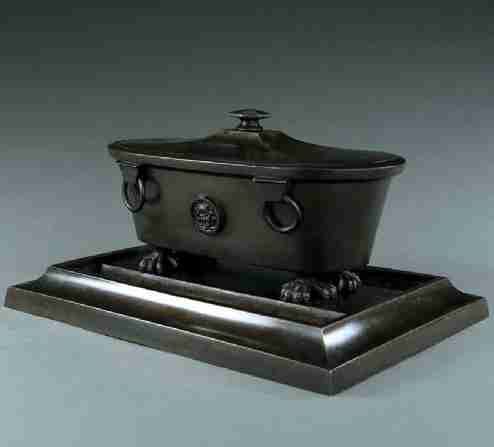
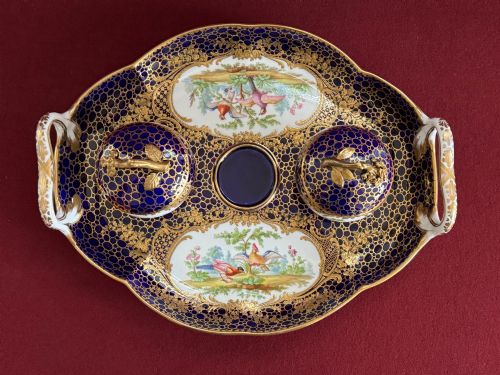
Nineteenth century desk set pieces bring together brass, porcelain and carved timber to hold ink and pens on a Victorian writing table.
Nineteenth Century Desk Set
A nineteenth century desk set gathers the inkwells, stands and matching accessories that sat upon a writing table during the Victorian and Regency eras. These pieces range from simple brass and glass inkstands to elaborate French ormolu sets and novelty owl inkwells.
Buyers searching for a nineteenth century desk set will most frequently encounter brass, marble and wood stands housing glass ink inserts. Many pieces incorporate pen trays, candlesticks or matching garnitures alongside the central inkwell.
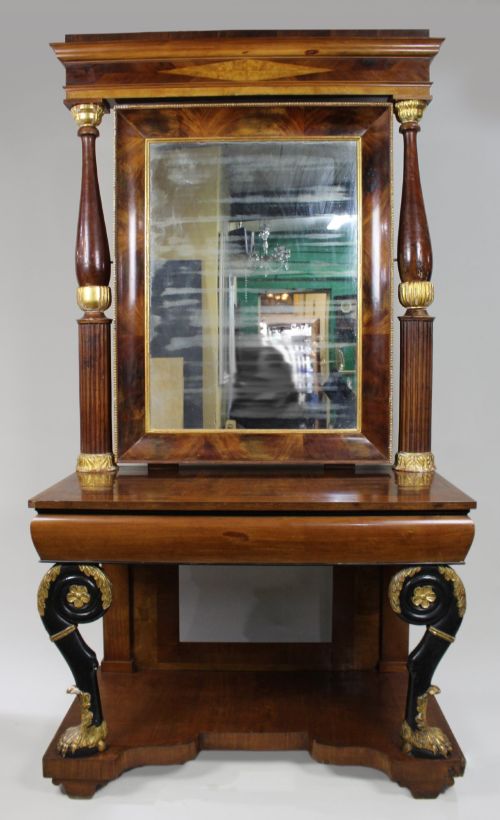
The selection includes English and French examples dating from the eighteen-fifties through to the eighteen-nineties. Alongside fitted desk stands, the record shows related writing furniture such as twin pedestal and partners desks.
What varies in quality
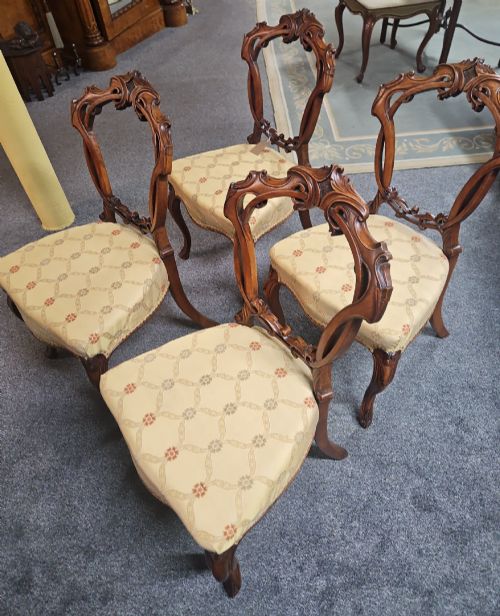
Quality depends upon the crispness of the metal casting in the ormolu and gilt bronze mounts, and the weight and clarity of the glass inserts. Better pieces exhibit fine hand-carving in woods like oak and walnut, whereas lesser items rely on simpler machine-turned components.
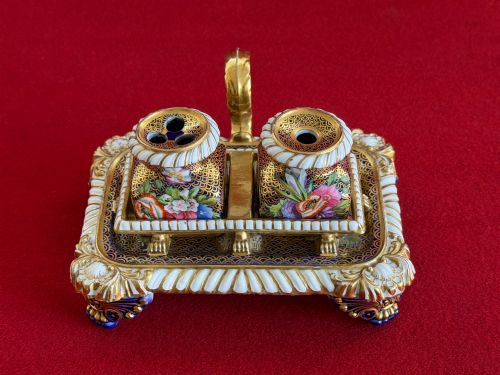
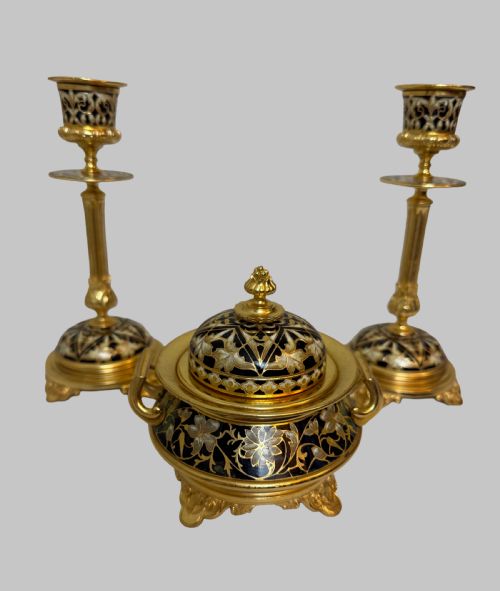
The integration of materials also defines the tier of a set; fine examples combine hand-painted porcelain panels, agate cabochons or champleve enamel into the brass or bronze framework. Complete matching sets with all original glass inkwells and lids command greater regard than assembled or incomplete groupings.
Nineteenth Century Desk Set Retail Price Guide 2026
Typical asking prices for nineteenth century desk set among the pieces listed under this phrase on Sellingantiques today, from the lower quarter to the upper quarter. They describe what is for sale here now, not the wider market.
Listings feature brass, glass, mahogany, fabric, gilt bronze, ormolu, oak and walnut across Victorian and Regency periods.
Holland & Son
The Nineteenth Century Desk Set Glossary
- Inkstand
- A fitted tray or stand holding one or more inkwells, often with compartments for sanders and pens. These central desk accessories anchored the nineteenth-century writing station.
- Ormolu
- Gilt brass or bronze applied to furniture and desk accessories to provide a rich golden finish. This decorative technique was favoured in French Second Empire and Regency designs.
- Champleve
- An enamelling technique where troughs are dug into a metal surface and filled with vitreous enamel before firing. It appears on nineteenth-century brass and bronze desk sets.
- Garniture
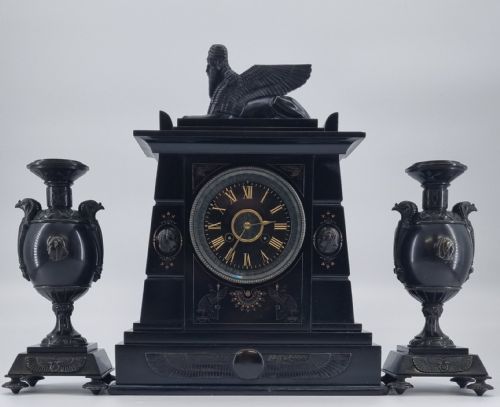
- A set of matching ornamental objects, typically comprising a clock and a pair of candlesticks or vases. On this page, garnitures accompany mantel clocks and desk pieces.
- Coromandel
- A dense, dark East Asian timber with contrasting light streaks, used for high-status nineteenth-century desk stands and tidies.
Nineteenth Century Desk Set: Frequently Asked Questions
What is a nineteenth century desk set?
A nineteenth century desk set is a matched group of accessories designed for a writing table, usually featuring an inkstand with glass inkwells, pen trays and sometimes candlesticks or matching clocks.
These pieces were produced in materials like brass, ormolu, marble, walnut and porcelain during the Victorian and Regency periods to keep writing implements organised.
How do I use a desk set today?
You can place a desk set on a modern writing desk or table to hold fountain pens, paper clips or small daily items. The inkwells can store small desk accessories if you do not use traditional bottled ink.
Keep wooden and gilt metal pieces away from direct sunlight and damp conditions to preserve the timber and metal finishes.
How do I tell Victorian from Regency pieces?
Regency desk sets often date from the early nineteenth century around eighteen-fifteen to eighteen-thirty, showing classical restraint and clean lines. Victorian pieces, appearing from eighteen-thirty onwards, frequently embrace revival styles like Rococo, Egyptian Revival or novelty animal designs.
Examination of the timber, casting style and any registration marks will help determine the specific decade of manufacture.
What materials were used?
Makers utilised a combination of metals including brass, gilt bronze and ormolu alongside timber frames in walnut, coromandel and oak. Many examples incorporate glass ink inserts, marble bases, champleve enamel and hand-painted porcelain panels.
Novelty items also feature carved details and glass eyes to form animals such as owls and bulldogs.