


Antique Horology Movement
An antique horology movement brings mechanical timekeeping alive through brass, glass and steel crafted across the eighteenth, nineteenth and twentieth centuries.
Antique Horology Movement
An antique horology movement encompasses the internal mechanisms and assemblies that drive clocks and pocket watches across multiple centuries of design. You will encounter everything from complex skeleton designs to robust fusee wall clocks and delicate carriage timepieces.
The selection ranges widely across the nineteenth century and Victorian eras, alongside earlier Georgian pieces and later Edwardian or Art Deco examples. These mechanisms often survive housed within mahogany, oak or gilt brass cases, or occasionally exposed behind glass.
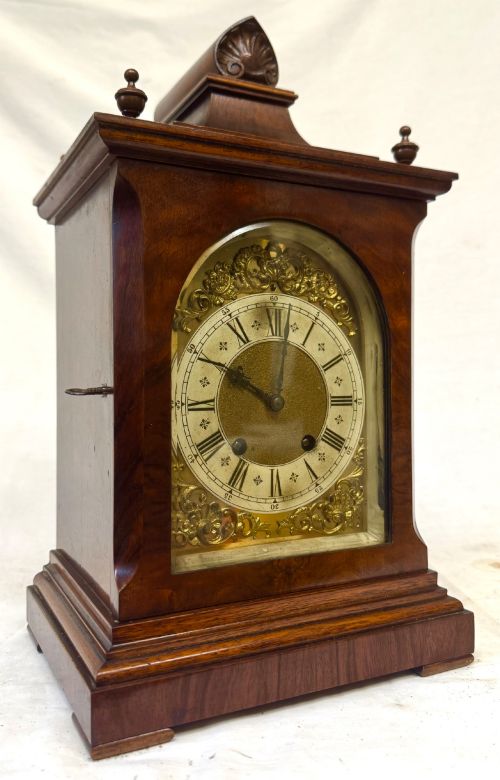
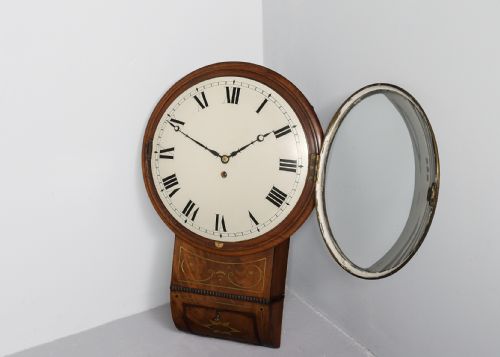
Mantel clocks, wall clocks and bracket clocks dominate the available forms, bringing together traditional dial faces and intricate gear trains. Each piece represents a specific period of mechanical ingenuity, from domestic timekeepers to specialised railway and marine instruments.
Materials and construction
Makers built these movements primarily using brass for plates and wheels, combined with steel for pivots, arbors and springs. Wood such as mahogany, walnut and oak formed the structural cases and wall surrounds that housed the delicate machinery.
Fusee mechanisms utilised chains or cords connected to a cone-shaped pulley to maintain even tension as the mainspring wound down. Enamel dials and glass panels protected the visible faces, while gilt brass and iron provided additional durability and weight.
Antique Horology Movement Retail Price Guide 2026
Typical asking prices for horology movement among the pieces listed under this phrase on Sellingantiques today, from the lower quarter to the upper quarter. They describe what is for sale here now, not the wider market.
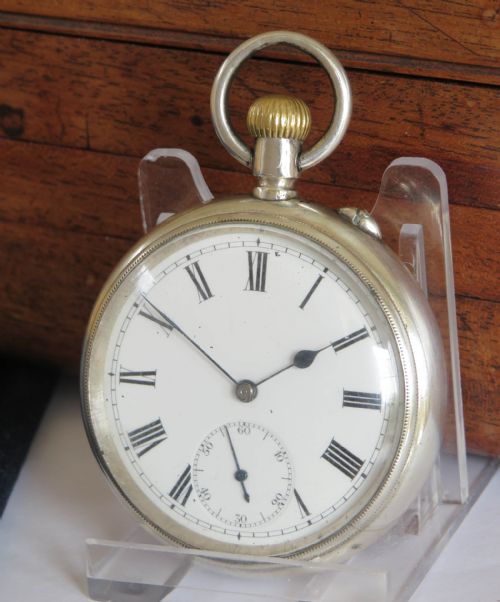
The selection includes pocket watches, marine bulkhead clocks, wall school clocks and intricate French carriage timepieces.
Distinctions in craftsmanship
Quality rests upon the precision of the gear cutting, the polish of the pivots and the overall integrity of the mechanical train. Finer movements show meticulous hand-finishing on internal components and bear the signature of recognised makers.
The sophistication of the complication, such as double fusee setups, repeat striking or alarm functions, separates standard utility pieces from high-grade horological achievements. Case craftsmanship and dial legibility further define the upper tier of surviving examples.
Lenzkirch·Stauffer·J W Benson·John Barwise·Charles Frodsham·Payne of London
The Antique Horology Movement Glossary
- Fusee
- A conical pulley designed to equalize the torque of the mainspring as it unwinds. This mechanism ensures consistent timekeeping accuracy throughout the power reserve.
- Skeleton clock
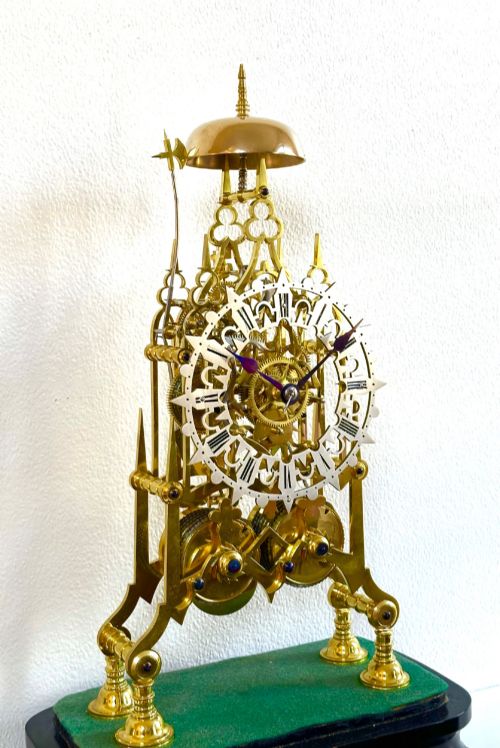
- A timepiece with an openwork frame and dial that exposes the entire gear train and movement to view. These pieces let observers watch the mechanical interaction of wheels and escapements directly.
- Carriage clock
- A small, portable spring-driven clock originally designed for travel during the nineteenth century. They typically feature a glass-panelled brass case and a folding handle on top.
- Dial
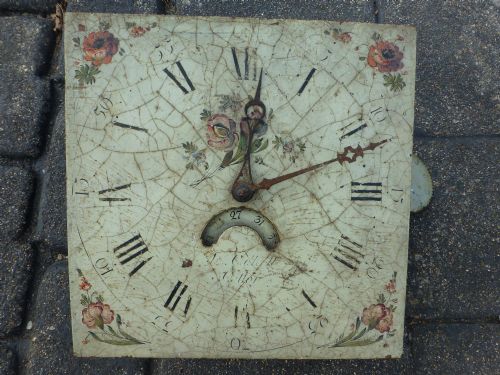
- The face of the clock or watch that displays the hours and minutes using numerals or markers. Antique dials often consist of painted iron, brass or white enamel.
- Escapement
- The mechanism that controls the release of power from the gear train to the oscillator. It gives regular impulses to the pendulum or balance wheel.
Antique Horology Movement: Frequently Asked Questions
How do fusee movements work?
A fusee movement uses a conical pulley attached to a chain or cord that connects to the mainspring barrel. As the spring unwinds and loses tension, the chain pulls higher up the wider part of the cone to maintain steady force.
This clever mechanical compensation ensures the clock maintains consistent amplitude and keeps accurate time until the power runs out.
What is an eight day movement?
An eight day movement refers to a clock mechanism designed to run for slightly more than a week on a single winding. This reduced the frequency of maintenance required by household timekeepers.
Most carriage clocks and mantel clocks adopted this standard to offer convenience alongside reliable timekeeping.
Where were carriage clocks used?
Carriage clocks originated as portable timepieces for travellers who needed reliable timekeeping inside horse-drawn carriages or hotels. Their robust brass frames and protective glass panels suited life on the move.
Later Victorian examples transitioned into stationary mantel ornaments while retaining their distinctive folding handles.
What is a bracket clock?
A bracket clock is a portable table clock traditionally placed on a dedicated wooden wall bracket or a piece of furniture. Early versions used weight-driven movements before spring-driven fusee mechanisms became standard.
They usually feature striking trains housed within mahogany, oak or walnut cases.