




Antique Hearth Supports
Antique hearth supports hold fuel above the hearth to improve airflow, bringing weight and function to the fireplace.
Antique Hearth Supports
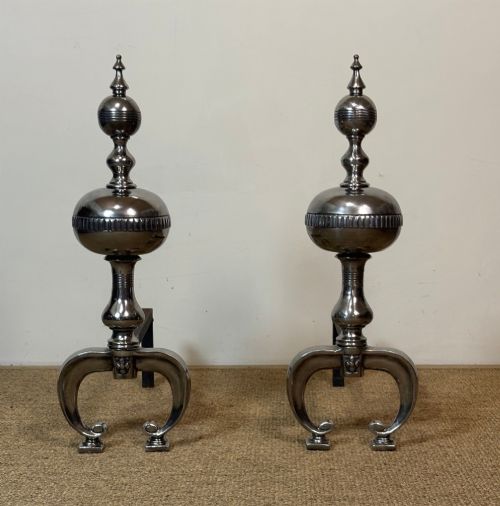
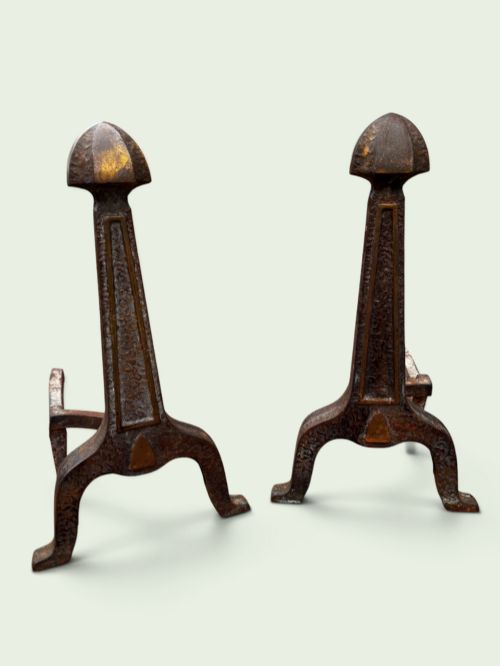
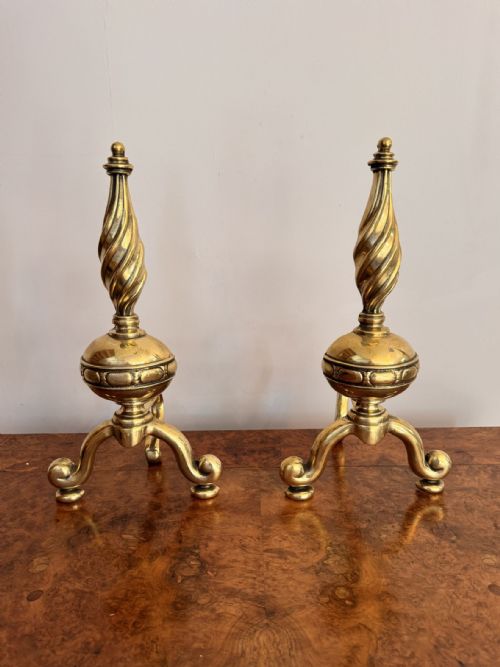
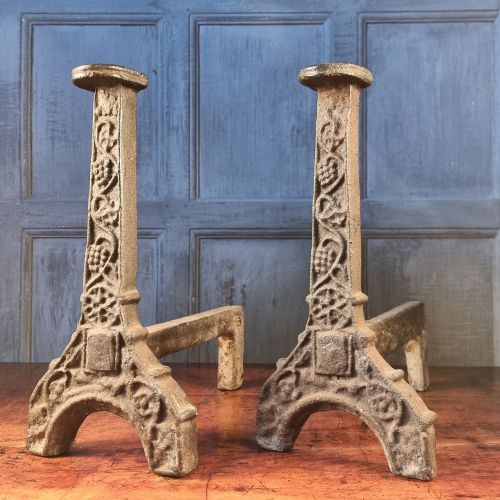
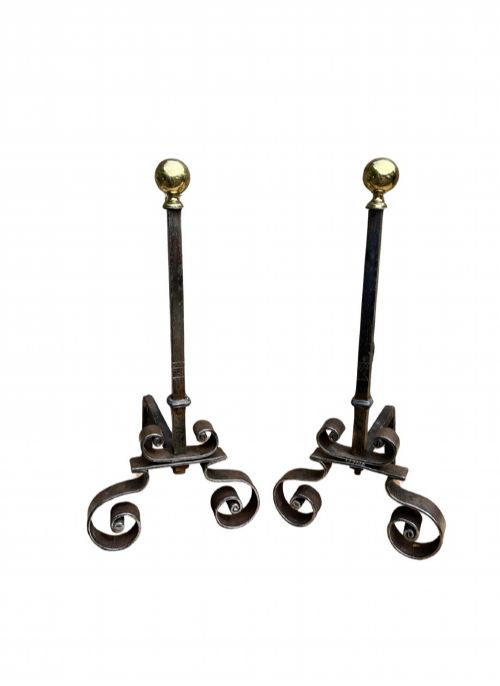
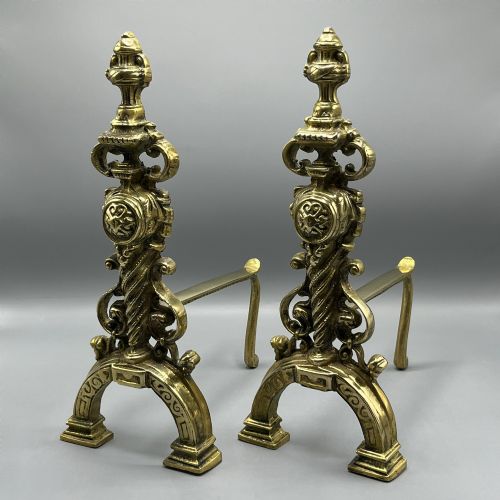
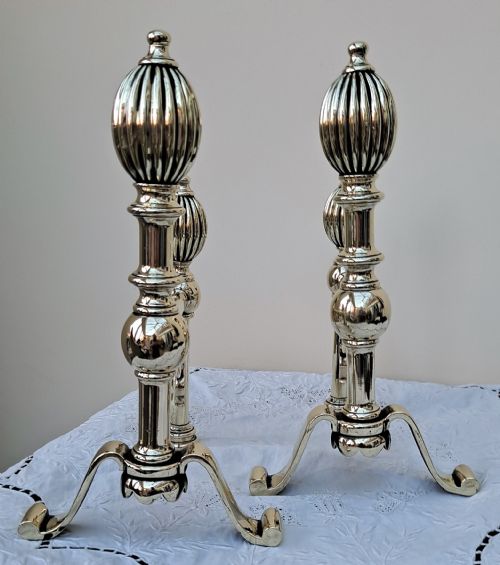
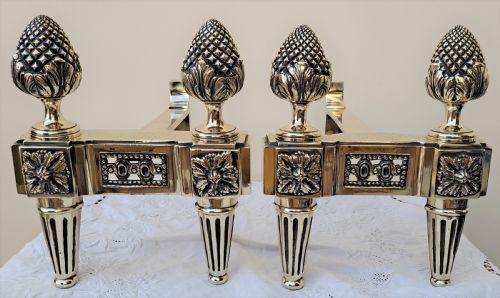
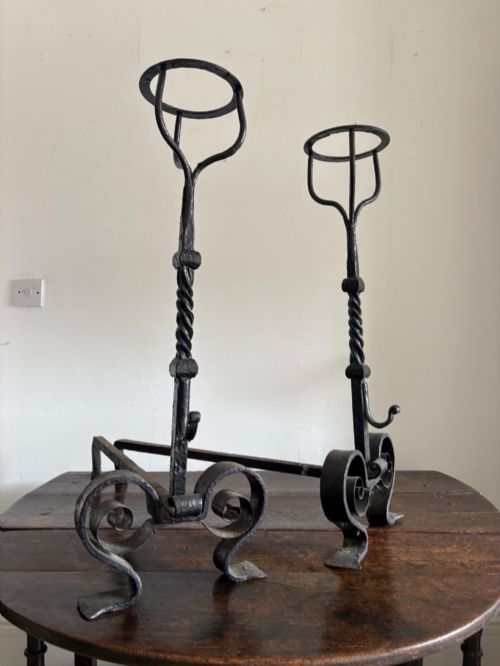
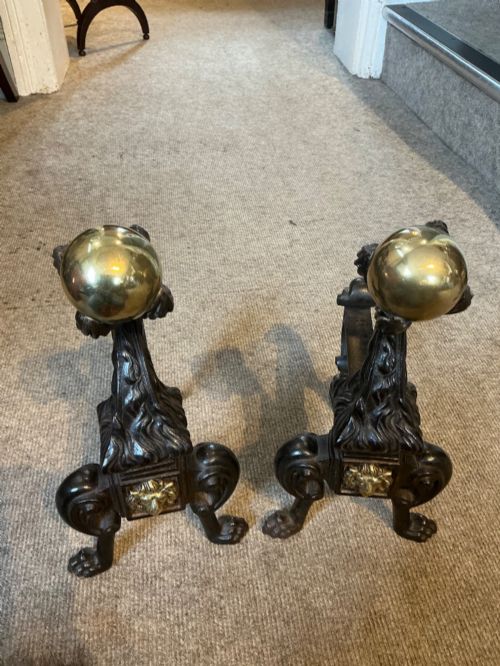
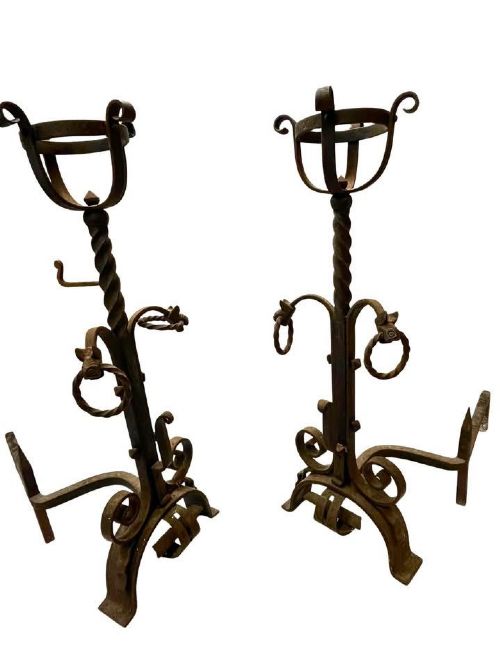
Antique hearth supports comprise pairs of heavy metal uprights designed to hold logs in an open fireplace. They appear in forms such as fire dogs, andirons, and chenets, supporting fuel above the ash bed to draw air from beneath. Buyers searching for antique hearth supports most frequently encounter Victorian brass and wrought iron pairs, alongside earlier cast iron examples.
The objects serve both a practical role in domestic heating and a decorative function within the room. Workshops shaped these pieces in styles spanning Gothic, Georgian, and Arts and Crafts designs. Heavy cast iron and forged steel versions sit alongside polished brass and gilt bronze models intended for formal drawing rooms.
How they were made
Blacksmiths and founders utilised metals including cast iron, wrought iron, steel, brass, and bronze to construct these pieces. Wrought iron and steel parts required manual forging and hammering over an anvil, resulting in sturdy, durable structures designed for intense heat.
Foundries cast iron and brass components in sand moulds, often adding chased surface details or mounting ormolu. Artisans then joined the heavy uprights to horizontal billet bars that extend back into the hearth to support the wood.
Certain sixteenth century specimens carry precise casting dates, reminding us that early iron founders took immense pride in their workshop output.
What varies in quality
The distinction between standard examples and exceptional pieces rests upon the precision of the casting and the depth of the metalwork. Finely chased surface ornament and crisp detailing on figural brass or bronze mounts indicate superior workshop production.
Structural heft and original material integrity also determine worth. Solid brass bars, heavy hand-forged wrought iron, and well-balanced cast iron retain their structural stability under sustained exposure to fire better than lighter, later replacements.
Christopher Dresser
The Antique Hearth Supports Glossary
- Andiron
- A metal support used in pairs to hold logs in an open fireplace. They typically feature an upright decorative front and a horizontal bar extending backward.
- Chenet
- The French term for an andiron, frequently applied to ornamental metal supports produced in France. These often incorporate bronze, ormolu, and figural casting.
- Firedog
- An alternative term for an andiron, denoting the metal supports placed on the hearth. Early forms often incorporated integrated tool rests or spit supports.
- Billet bar
- The horizontal iron or steel bar attached to the rear of an andiron that directly supports the firewood. It bears the weight of the logs within the hearth.
Antique Hearth Supports: Frequently Asked Questions
What is the difference between andirons and fire dogs?
Andirons and fire dogs are identical objects known by different names depending on region and period. Both terms describe the paired metal supports used to keep logs elevated in a hearth.
Craftsmen produced them in various metals and styles to serve the same primary function of improving wood combustion through better airflow.
How do I measure for hearth supports?
Measure the width and depth of your fireplace opening before selecting a pair. The horizontal billet bars must fit entirely inside the hearth without obstructing the surround.
Check the height of the uprights to ensure they clear the basket or grate if you combine them with other fireplace furnishings.
Can antique hearth supports hold real fires?
Most antique hearth supports constructed from heavy cast iron, wrought iron, or solid brass remain fully capable of holding burning logs. Solid metal construction withstands high temperatures during regular use.
Inspect the metal for deep structural cracks or severe thinning from past corrosion before burning wood on antique pairs.
How do I clean brass hearth supports?
Remove surface soot and dust using a soft brush and warm soapy water, then dry the metal thoroughly. Avoid harsh chemical cleaners that strip the aged surface tone.
Allow brass to retain its natural historic patina rather than polishing it to a bright shine, as collectors value the darker finish.