


Antique Glass Wine Vessel
An antique glass wine vessel brings historic craftsmanship to the table, offering tactile pleasure and timeless utility for modern hosts.
Antique Glass Wine Vessel
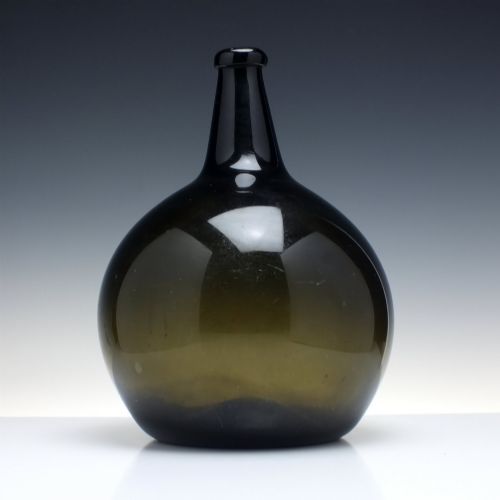
Every antique glass wine vessel found here serves the historic purpose of holding or serving wine, spanning centuries of British and continental production. The selection is heavily anchored in eighteenth-century drinking vessels and decanters from the Georgian period alongside later nineteenth-century glassware.
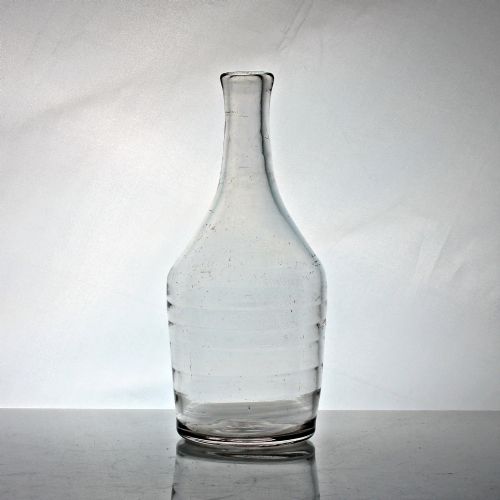
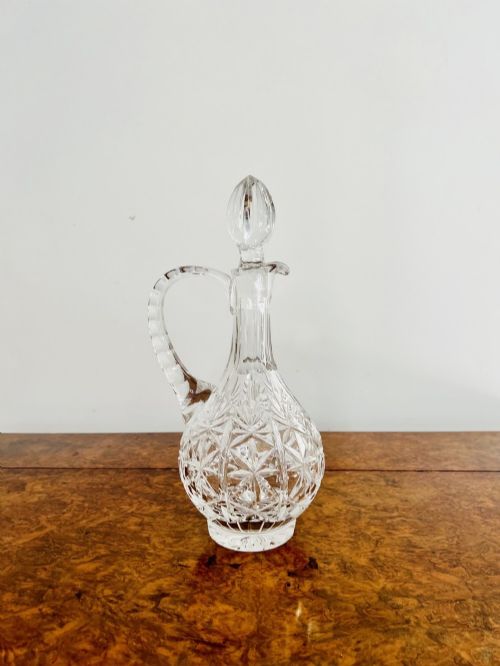
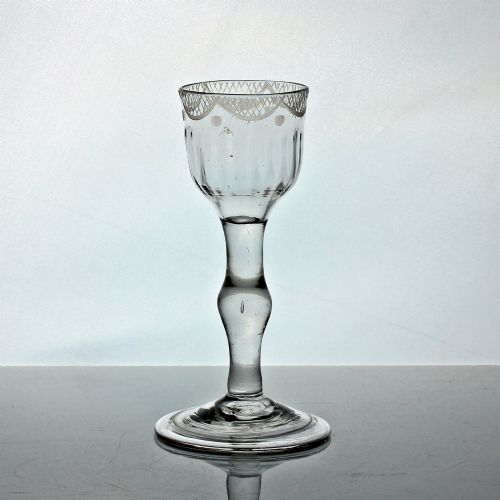
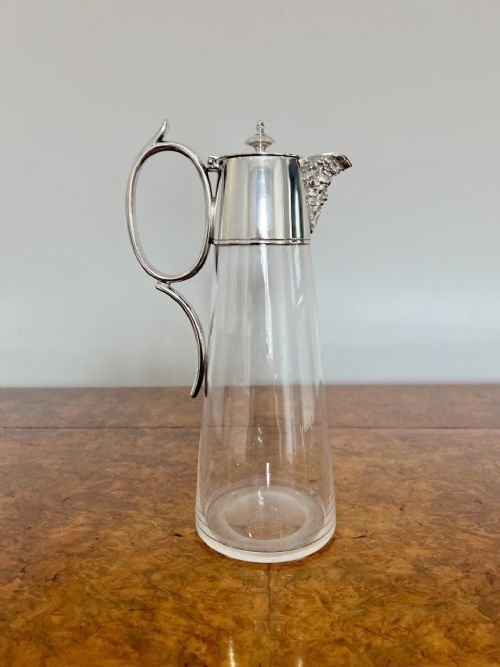
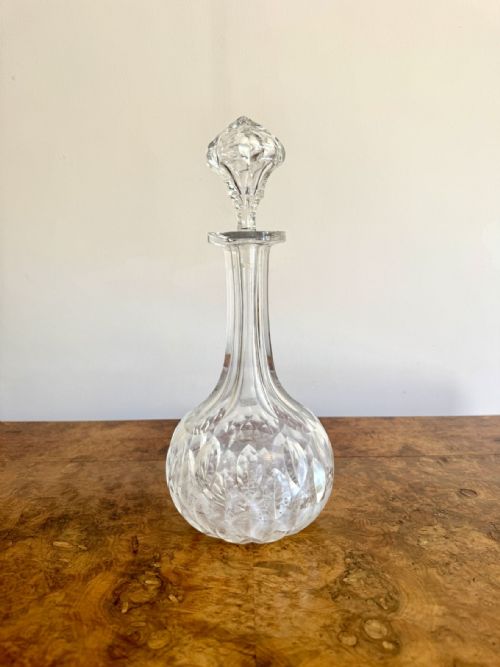
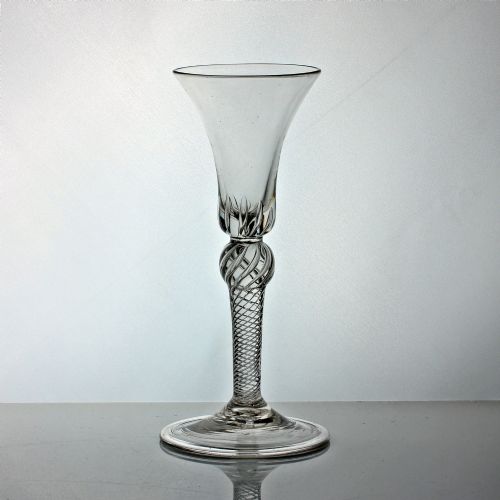
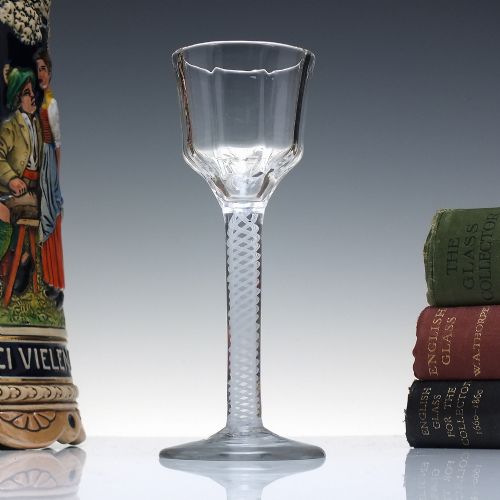
Buyers encounter distinct forms ranging from heavy wine bottles and carafes to delicate balustroid wine glasses and silver-mounted claret jugs. Eighteenth-century examples frequently display air twists or opaque twists in the stem, while Victorian pieces lean towards substantial cut glass decanters and etched services.
The assortment extends through Edwardian iterations featuring cut crystal and silver plate, connecting formal dining traditions with tangible domestic history. Pieces originate from English, Scottish, French, and Bohemian makers, ensuring variety in regional glass-working methods.
Materials and methods of construction
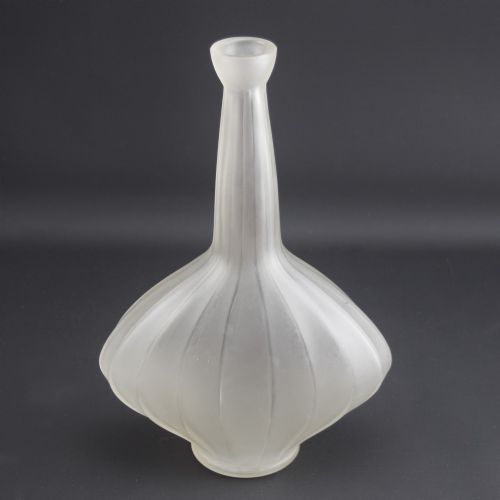
Makers utilised lead glass, flint glass, and crystal to achieve the clarity and weight expected in fine drinking vessels. Hand-blown techniques allowed artisans to shape molten metal into carboys, bottles, and bowls, often incorporating moulds for ribbed or patterned surfaces.
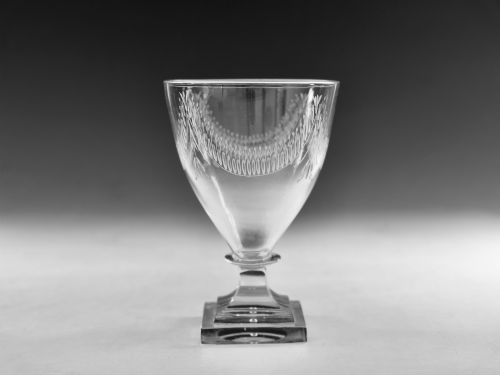
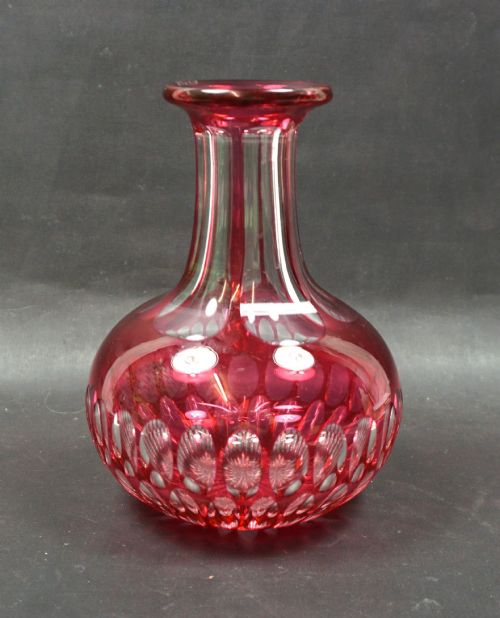
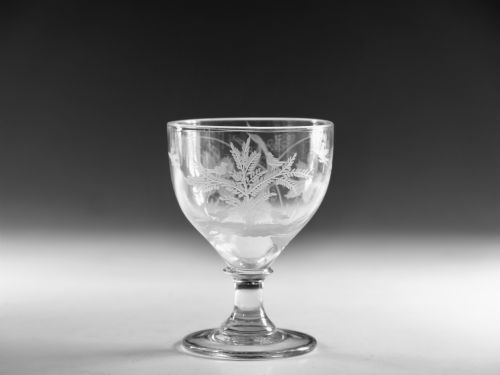
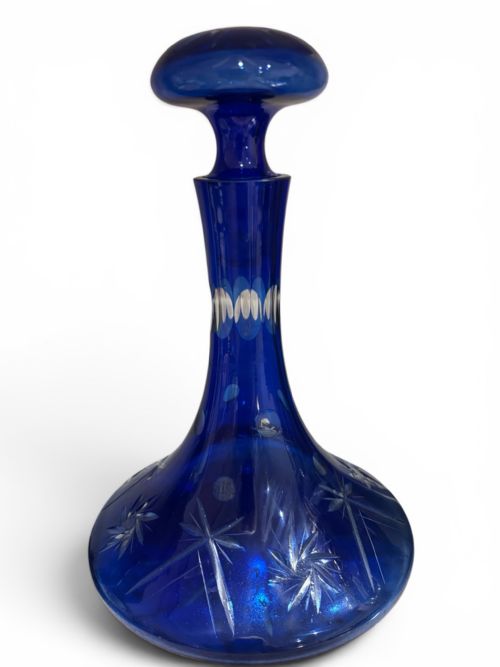
Decoration relied on skilled hand-engraving, wheel-cutting, and internal optical manipulations such as air or opaque twists trapped within the stems. Later Victorian and Edwardian items combined this blown and cut glass with applied silver plating, pewter mounts, or layered coloured overlays.
Listings span multiple centuries, uniting eighteenth-century lead glass stems with nineteenth-century cut glass decanters and Edwardian silver-mounted claret jugs.
Evaluating craftsmanship and integrity
Quality rests on the purity of the metal and the precision of the hand-forming process, distinguishing standard utility items from masterworks of the glasshouse. Superior eighteenth-century specimens show clean twist formations and balanced proportions without heavy optical distortion in the bowl.
In cut glass decanters and jugs, depth and crispness of the wheel-cut facets dictate the tactile and visual grade. The integration of metal mounts, such as silver plating or pewter collars by firms like Liberty, also separates ordinary production from exceptional workshop output.
Archibald Knox for Liberty Co England·Stevens & Williams
The Antique Glass Wine Vessel Glossary
- Balustroid stem
- A heavier, expanded stem form typical of eighteenth-century drinking vessels, often featuring knops above a plain or domed foot.
- Opaque twist
- A decorative technique where white or coloured glass rods are drawn and twisted inside a clear glass stem.
- Claret jug
- A pouring vessel designed specifically for red wine, frequently combining a glass body with a silver-plated handle, mount, and hinged lid.
- Rummer
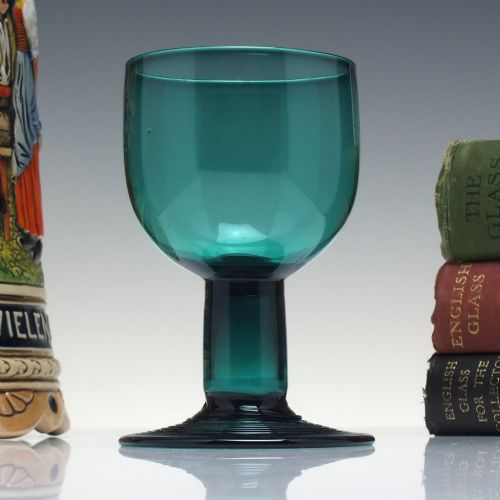
- A capacious, heavy-bottomed goblet utilised for heavier wines and ales during the Georgian and Regency periods.
- Lead crystal
- Glass containing lead oxide, which increases brilliance, weight, and the ease of deep wheel-cutting.
- Nailsea type
- Glassware characterised by looped or splashed coloured glass trails embedded in a contrasting body, originating from the Somerset glassworks.
Antique Glass Wine Vessel: Frequently Asked Questions
Are eighteenth-century wine glasses safe for use?
Many collectors use eighteenth-century glasses for special occasions, provided the glass is free from structural cracks or unstable repairs. Hand-washing is mandatory for these fragile pieces to preserve the historic metal.
Inspect the rim and foot carefully for microscopic chips before pouring. Modern dining settings suit these glasses well when handled with due care.
How do I distinguish air twists from opaque twists?
Air twists appear as fine, spiralling threads of trapped air inside the clear stem of a glass, created by drawing bubbles during the blowing process. Opaque twists utilise solid white or coloured glass rods embedded within the clear metal.
Examining the stem under good lighting reveals the solid nature of opaque threads compared to the hollow air channels of an air twist.
How can I tell a Georgian decanter from a Victorian one?
Georgian decanters frequently exhibit three-ring or five-ring necks, hand-blown bodies, and simple geometric cutting or engraving. Victorian examples tend to be heavier, utilising brilliant-cut crystal with deeper facets and more elaborate star-cut bases.
Stylistic shifts reflect the industrial advancements in glass cutting and pressing during the nineteenth century.