


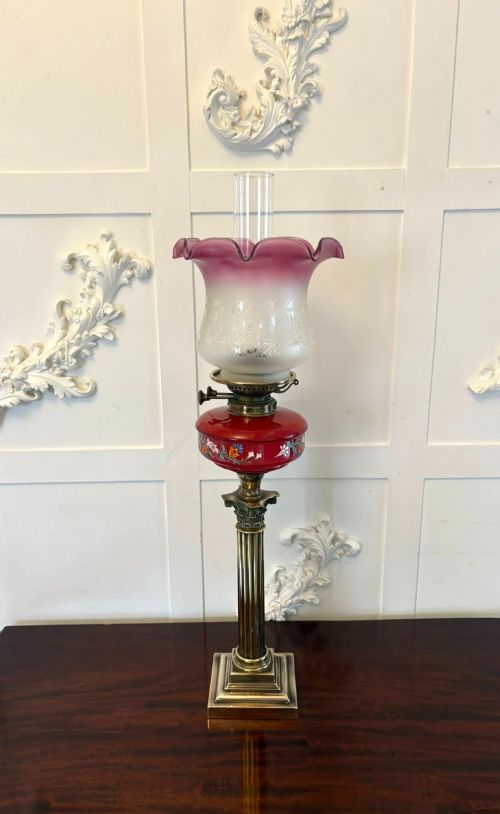
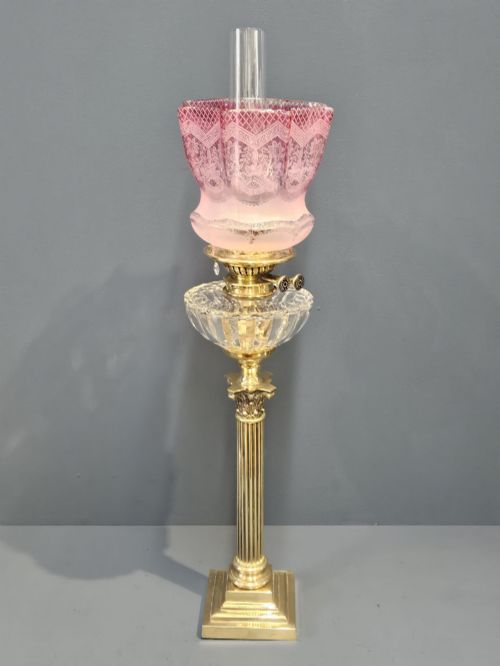
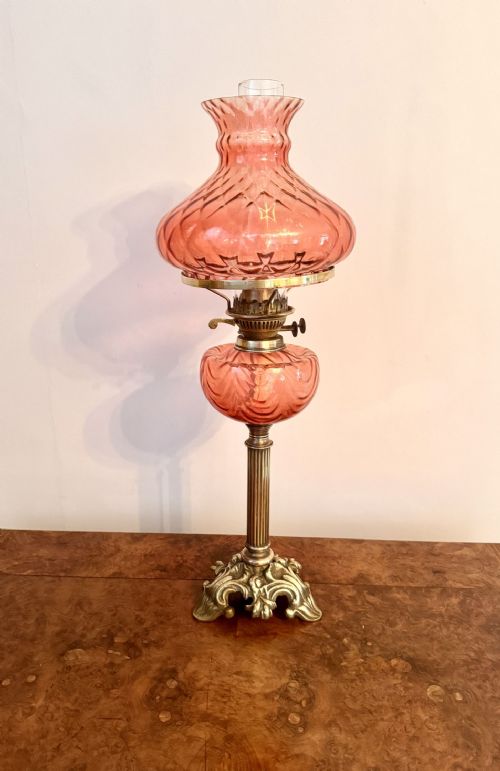
Antique Glass Paraffin Lamp
An antique glass paraffin lamp brings a warm, decorative focus to a room, combining period metalwork and coloured glass fonts or shades.
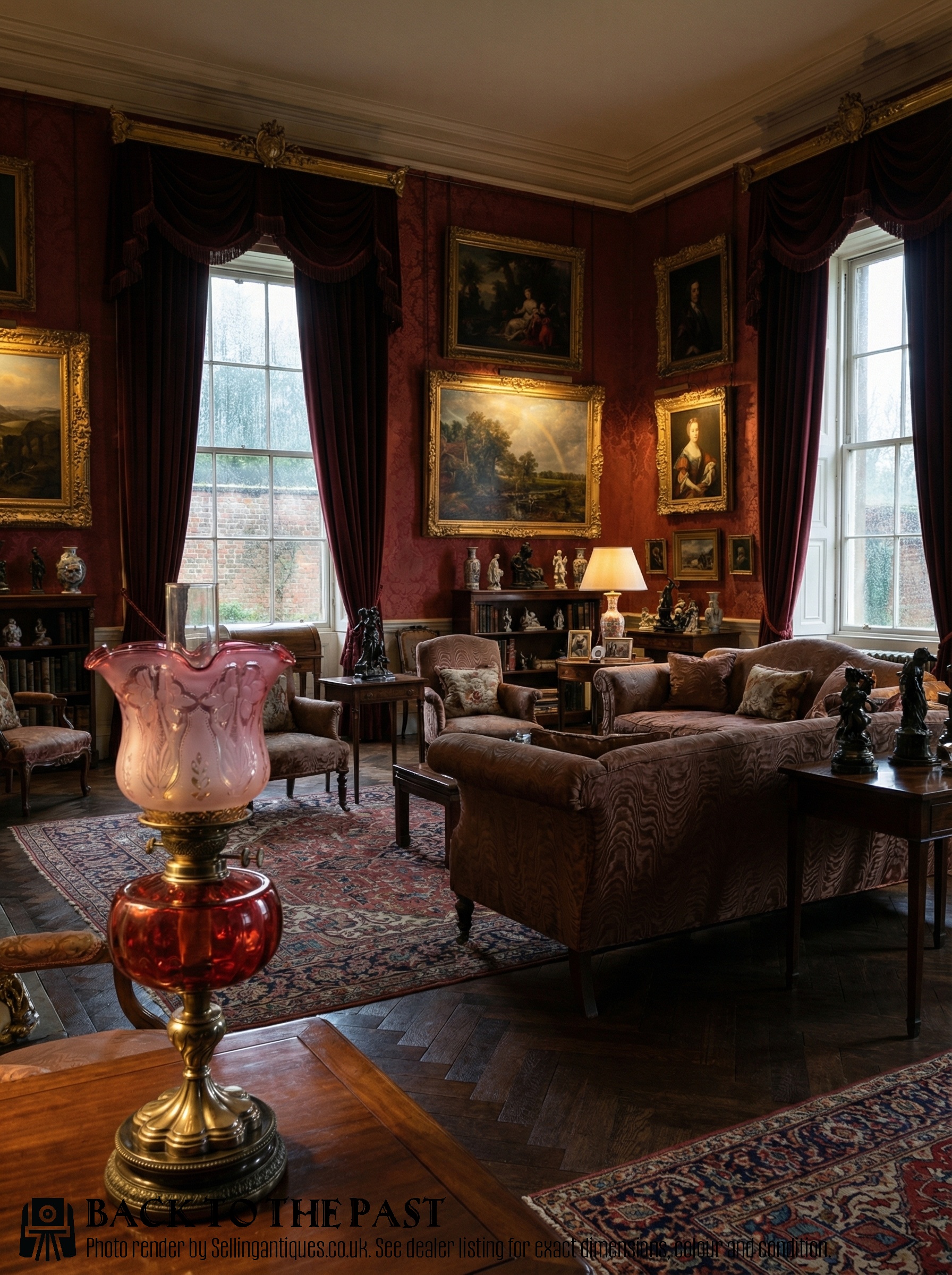
Antique Glass Paraffin Lamp
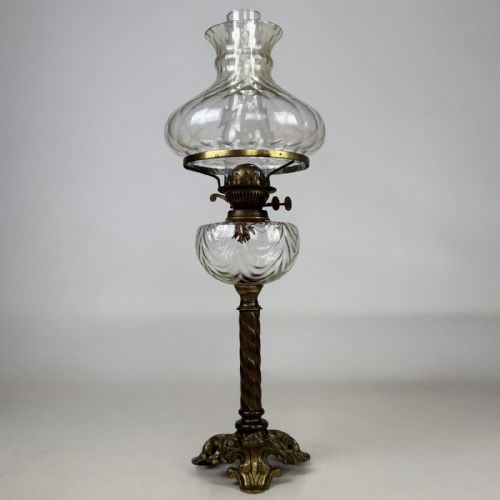
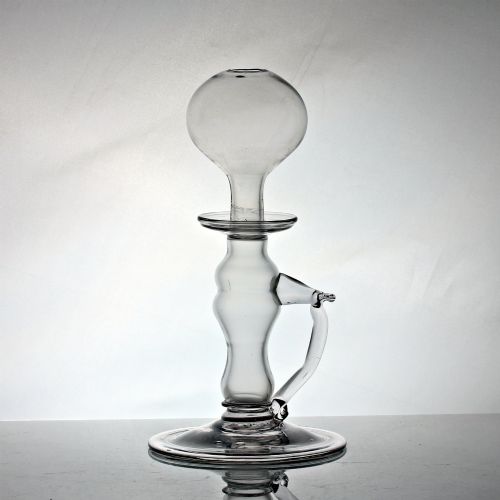
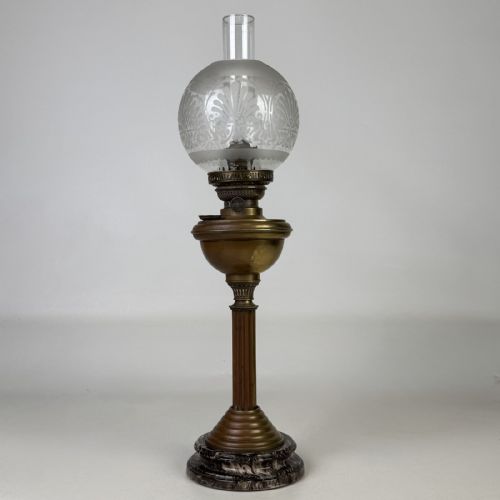
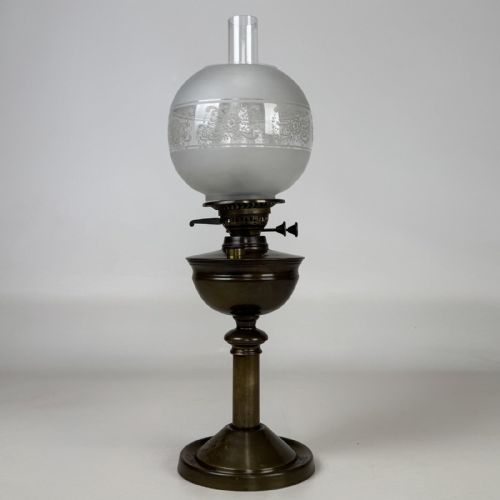
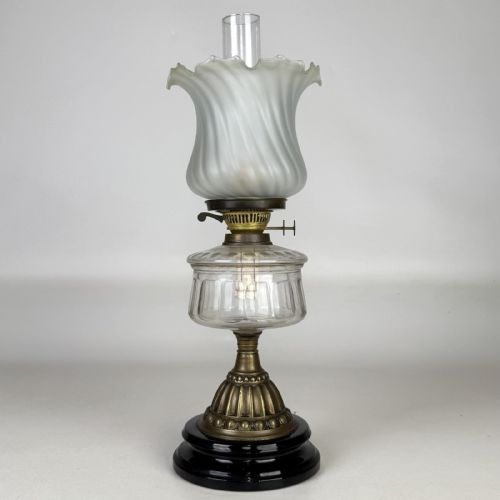
An antique glass paraffin lamp is a domestic lighting fixture designed to burn lamp oil using a wick and burner mechanism. These pieces frequently feature glass fonts paired with brass, ceramic, or onyx columns and bases.
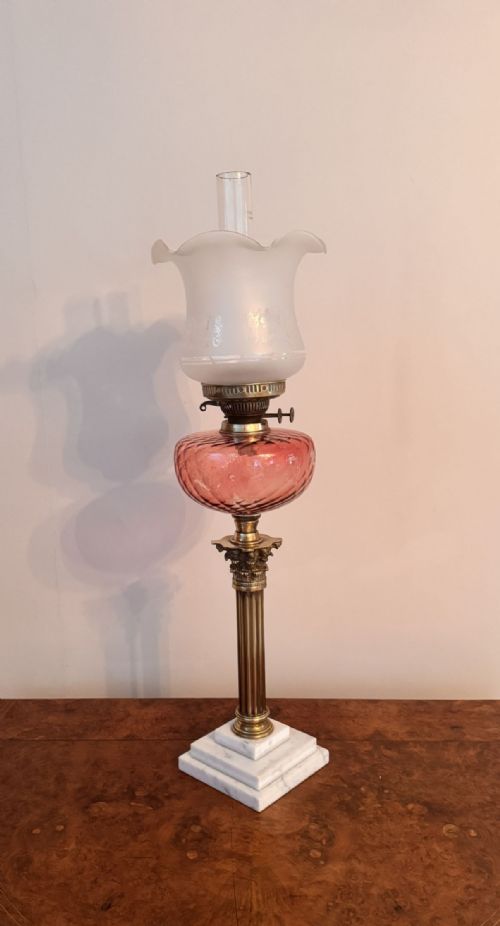
The pieces on this page span the Victorian and Edwardian periods, stretching from the eighteenth century into the early twentieth century. Buyers encounter table lamps, hanging lamps, and individual shades in clear, cranberry, and opaline glass.
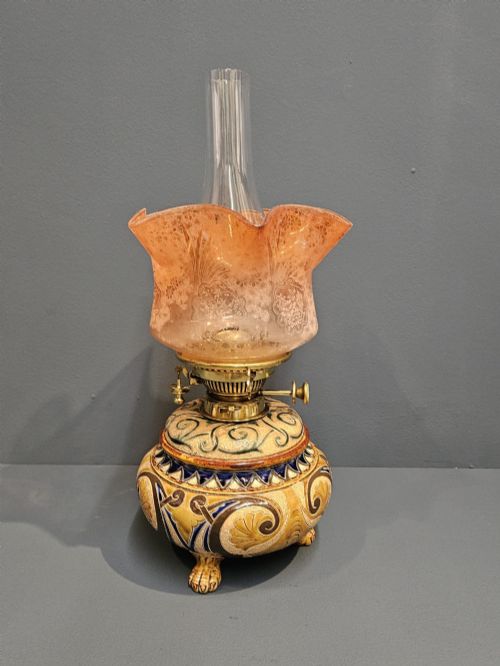
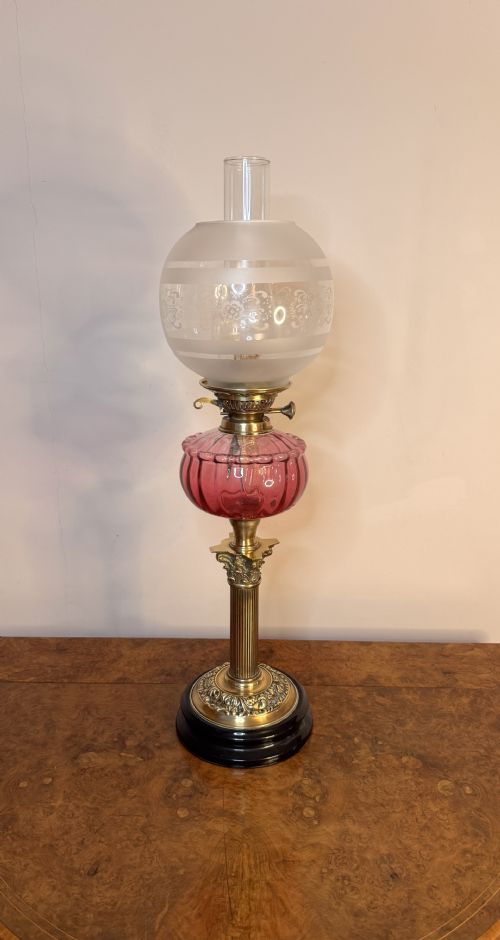
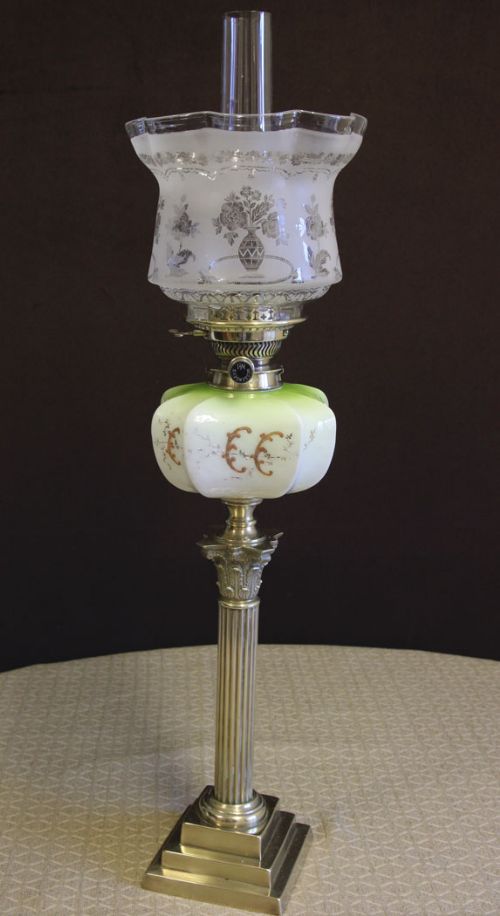
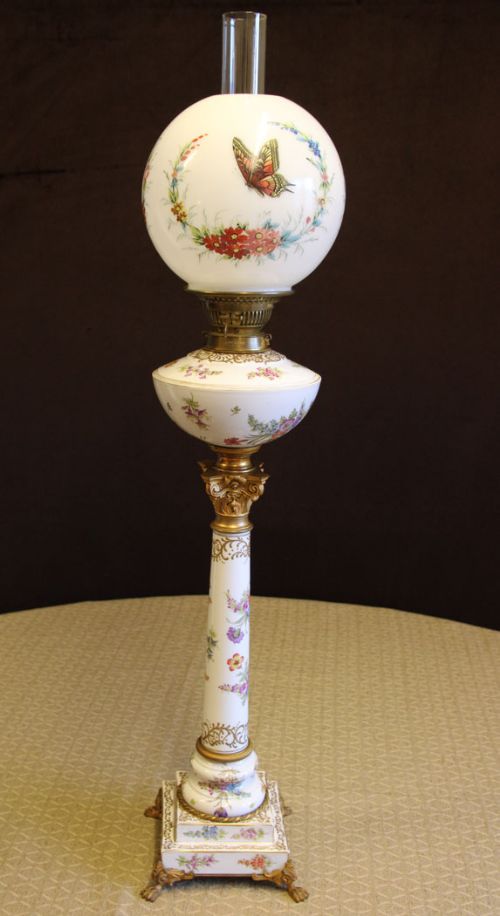
Victorian Corinthian and Ionic column designs appear alongside Art Nouveau, Secessionist, and Neoclassical Revival styles. Many examples combine brass mountings with hand-painted porcelain or coloured glass reservoirs.
How they were made
Makers combined cast and spun brass with blown and moulded glass to construct the columns and fonts. Coloured glass varieties, particularly cranberry and opaline, required specialised mineral additions during the glass-blowing process.
Porcelain and ceramic elements, often painted by hand or decorated with gilt details, were integrated into the columns and fonts. Makers such as Hinks and Sitzendorf supplied specialised burners and ceramic bodies that screwed or mounted directly onto the metal or glass reservoirs.
Antique Glass Paraffin Lamp Retail Price Guide 2026
Typical asking prices for glass paraffin lamp among the pieces listed under this phrase on Sellingantiques today, from the lower quarter to the upper quarter. They describe what is for sale here now, not the wider market.
Listings feature brass, opaline glass, cranberry glass, porcelain, and ceramic, spanning the eighteenth to early twentieth centuries.
What varies in quality
The distinction between standard domestic lighting and finer examples rests on the weight of the metal castings and the crispness of column details like Corinthian capitals. Elaborate double-burner systems, such as duplex mechanisms, indicate a higher grade of production.
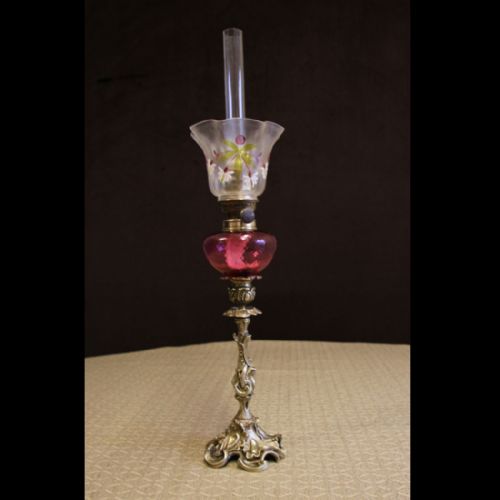
Hand-painted decoration, cased cranberry glass, and etched tulip shades separate more ambitious decorative pieces from plain utilitarian items. The presence of named maker stamps on the brass burners or ceramic bodies elevates the standing of an individual lamp.
Hinks·Taylor Tunnicliff·Sitzendorf·Gustave Serrurier Bovy
The Antique Glass Paraffin Lamp Glossary
- Duplex burner
- A double-wick mechanism designed to produce a brighter flame than single-wick variants. These twin burners often carry maker names on the brass thumbwheels.
- Font
- The oil reservoir of the lamp, typically formed from coloured glass, porcelain, or brass. It sits atop the column and supports the burner.
- Opaline glass
- An opaque, pale glass that transmits a soft glow when light passes through it. It appears frequently in period lamp shades.
- Corinthian column
- A classical architectural column style featuring ornate acanthus leaf capitals, adopted by makers for brass lamp pillars. This design is common in Victorian examples.
- Cranberry glass
- A rich red-pink glass created by adding gold chloride to the molten batch. It is characteristic of decorative Victorian table lamps and shades.
Antique Glass Paraffin Lamp: Frequently Asked Questions
How do I operate an antique oil lamp?
Operating these lamps involves unscrewing the burner to fill the glass font with liquid paraffin, allowing the cotton wick to saturate thoroughly before lighting. The brass thumbwheel adjusts the height of the flame once the burner is secured back in place.
Original burners require careful handling of the fragile glass chimney and shade above the flame. Modern users typically treat them as decorative display pieces rather than regular household light sources.
Were these lamps used for dining tables?
Tall table lamps provided illumination for nineteenth-century reception rooms, drawing rooms, and dining spaces before widespread domestic electricity. Their height allowed light to spread across a wider area during evening gatherings.
Shorter forms and bedside models also existed, while hanging versions illuminated halls and larger living areas.
How do I date a brass and glass lamp?
Dating relies on stylistic clues, burner patents, and manufacturing materials recorded across the Victorian and Edwardian eras. Earlier pieces often feature heavy neoclassical brass castings, while later Edwardian examples incorporate softer floral motifs or simpler columns.
Maker stamps on the metal winding mechanisms help narrow down the production decade considerably.
What is the difference between a font and a shade?
The font is the lower oil reservoir that holds the liquid fuel, usually made of glass or ceramic. The shade is the upper glass cover, such as a tulip or opaline globe, designed to diffuse the light.
Many surviving pieces pair a brass column and glass font with a matching hand-painted or cranberry shade.