
Antique Glass Goblet Stem
An antique glass goblet stem offers a tangible link to Georgian and Victorian social rituals through refined historic craftsmanship.
Antique Glass Goblet Stem
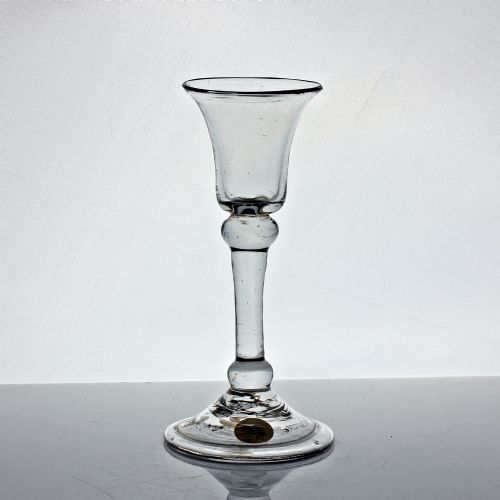
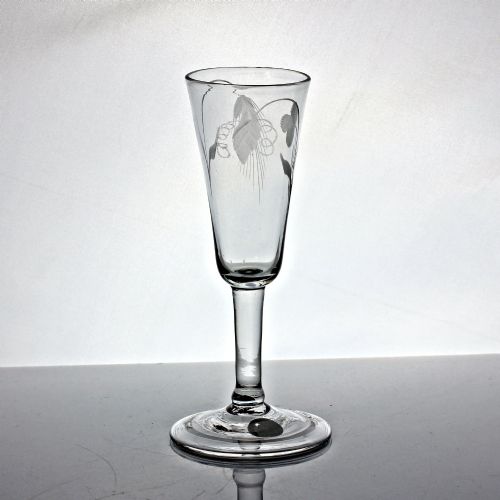
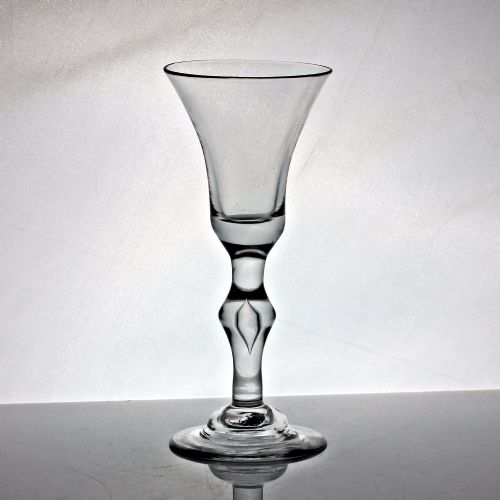
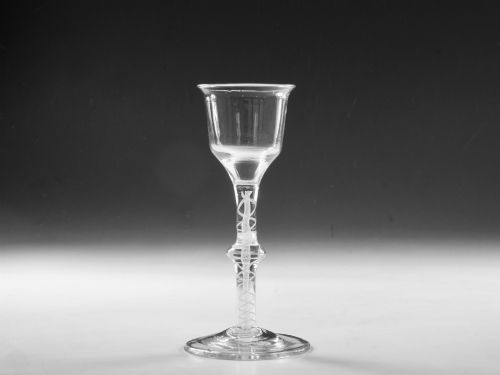
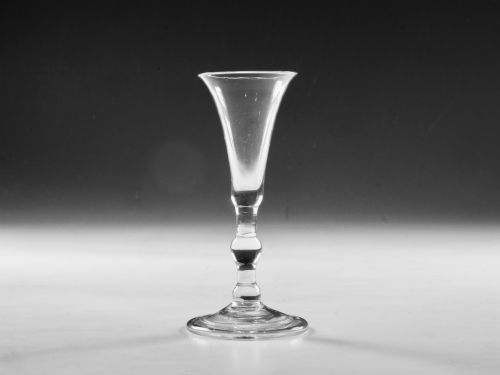
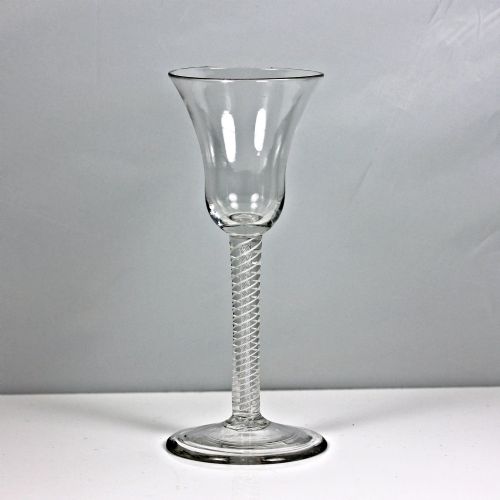
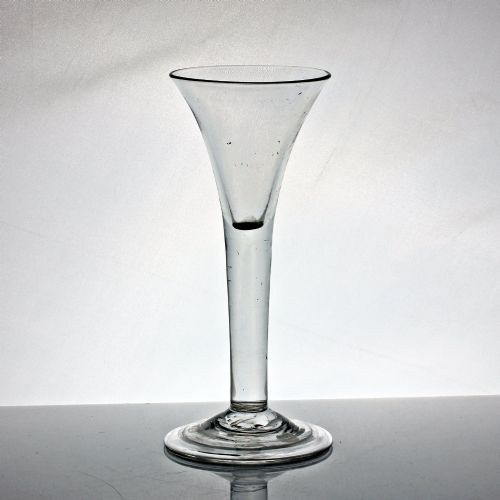
When you search for an antique glass goblet stem, you examine drinking vessels and display pieces originating primarily from the eighteenth and nineteenth centuries. The selection encompasses plain stems, baluster forms, and elaborate twist variations designed for wine, ale, and ceremonial use.
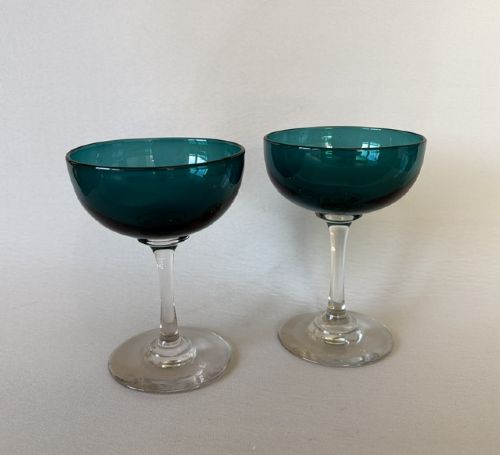
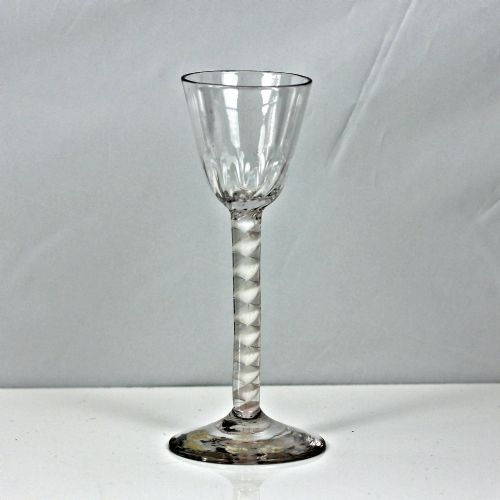
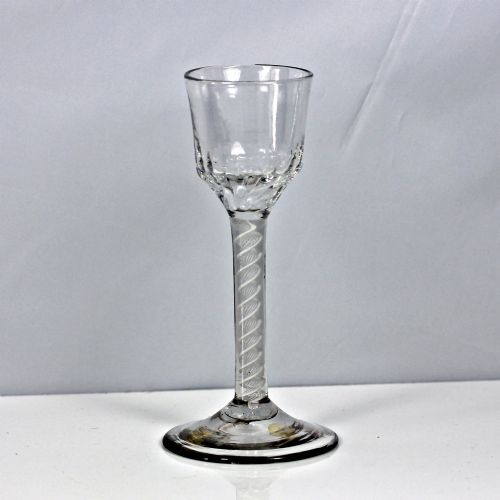
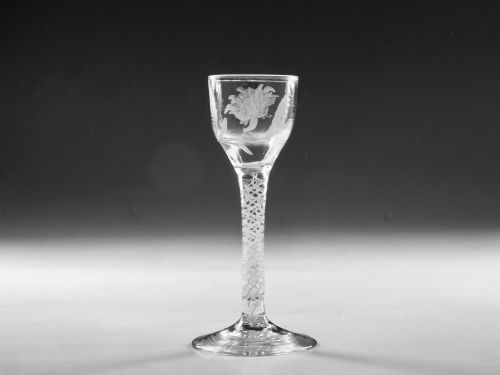
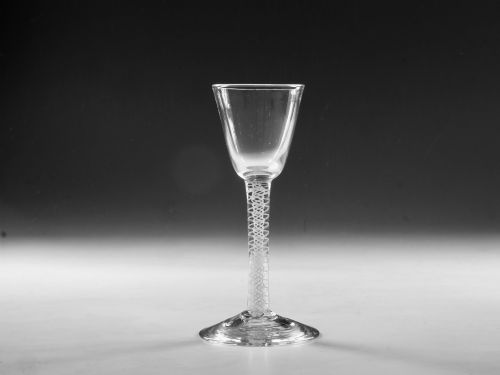
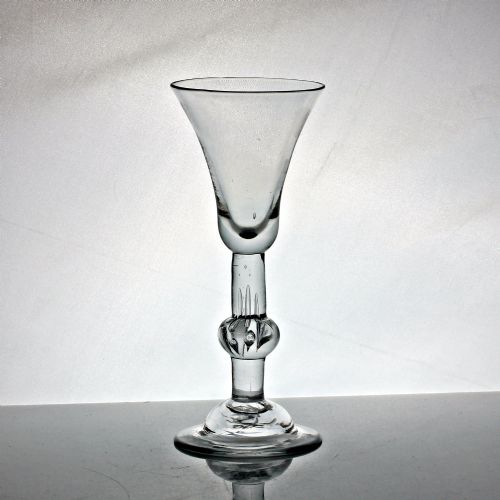
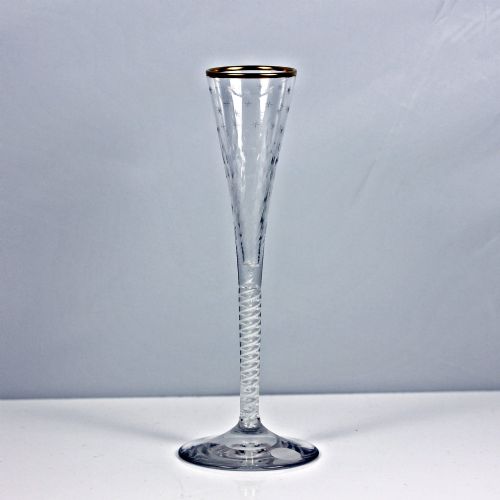
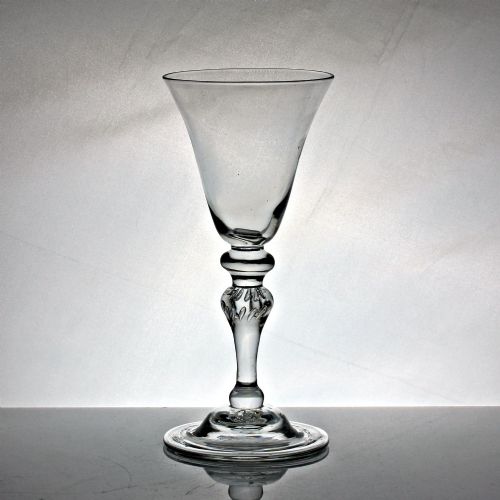
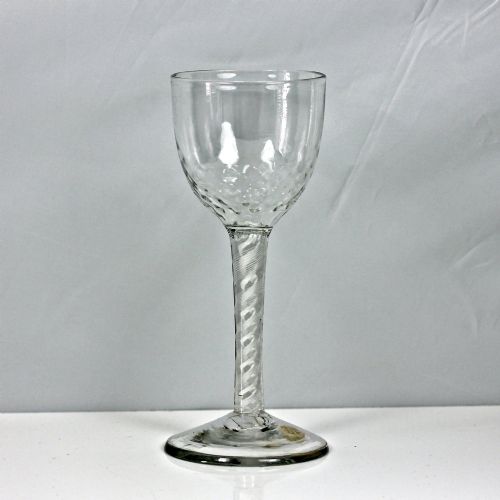
Georgian examples dominate the selection, featuring detailed air twist, opaque twist, and faceted stems supporting bell, ogee, or trumpet bowls. Victorian additions bring colour and etching, alongside later continental enamelled pieces from the turn of the twentieth century.
Materials and construction methods
Master glassmakers utilised lead glass and flint glass to achieve clarity, heft, and resonant durability in each antique glass goblet stem. These heavy metal-oxide compositions allowed artisans to draw out slender stems and form complex internal twists without fracturing the molten material.
Techniques such as air manipulation created trapped bubbles and delicate spirals within the metal, while enamel and gold leaf decorations were applied to surfaces before secondary firing. Folding the foot added structural stability at the base, and facet cutting defined the profiles of later Georgian and Victorian pieces.
Assessing refinement and execution
Superior quality in an antique glass goblet stem rests upon the precision of the internal twist formation and the symmetry of the bowl. Exceptional pieces demonstrate clean distribution of opaque or air threads without distortion, alongside unclouded metal free from heavy impurities.
The relationship between the weight of the foot, the thickness of the knop, and the proportion of the bowl dictates overall balance. Hand-engraved armorial motifs or floral enamelling executed with sharp detail elevate the piece beyond standard tavern glassware.
Moser Bohemian·Theresienthal
The Antique Glass Goblet Stem Glossary
- Opaque twist
- A stem formation containing internal threads of white or coloured opaque glass pulled into spiral patterns. These threads create intricate cable or gauze effects within the clear metal.
- Air twist
- A stem containing elongated air bubbles drawn into spiral or multi-spiral channels during the pulling process. This technique produces shimmering optical illusions inside the glass column.
- Baluster stem
- A sturdy, heavy stem featuring bulbous knops reminiscent of architectural balusters popular in earlier periods. They often incorporate internal air tears or strategic swellings.
- Folded foot
- A base edge doubled back underneath itself to create a thickened rim for extra strength. This feature guards against chipping during vigorous tavern or dining room toasts.
- Ratafia glass
- A tall, slender vessel designed for sweet herbal cordials and liqueurs. Their narrow bowls restrict consumption quantities of potent post-dinner drinks.
Antique Glass Goblet Stem: Frequently Asked Questions
How do I date an antique glass goblet stem?
Dating relies on analysing the combination of bowl form, metal composition, and stem technology. Eighteenth-century pieces frequently display pontil marks on the base and distinct twist configurations not found in later periods.
Changes in glass chemistry, such as the introduction of heavier lead crystal in the Victorian era, also help establish chronology when compared alongside period engraving styles.
What is an opaque twist stem?
An opaque twist stem incorporates white or occasionally coloured enamel glass rods encased within clear flint glass. Craftsmen heated and twisted the combined mass to form delicate internal threads before shaping the stem.
Single, double, and multi-series variations refer to the complexity and number of these internal enamel strands.
Were these goblets used daily?
Many examples served utilitarian functions at elite dining tables, taverns, and celebratory banquets for drinking wine, ale, and cordials. Armorial and ceremonial pieces recorded specific marriages, political loyalties, or historic events.
Over time, handling shifted from robust everyday service to careful display by collectors preserving fragile historic glassware.
How should I clean my antique glass?
Wash pieces gently by hand using warm water and mild detergent without soaking them for extended periods. Avoid harsh scrubbing on gilded or enamelled surfaces to protect the historic decoration.
Dry immediately with a lint-free cloth to maintain the clarity and brilliance of the lead glass.